5901 Botham Jean Blvd, Dallas, TX 75215
Home » Blog » Uncategorized »
Eagle Ford Shale Industrial Recycling: A Guide to Produced Water Reuse and RRC Compliance
December 22, 2025Oil and gas operations in South Texas produce vast volumes of water daily. The Eagle Ford Shale generates billions of gallons of fluids that require careful handling and processing. Industrial recovery offers an environmental solution to this challenge.
Industrial material recovery in the Eagle Ford Shale involves the comprehensive management, transportation, treatment, and disposal of fluids produced during oil and natural gas operations. Professional environmental teams provide complete water solutions, including frac water recovery, oil reclamation, and saltwater disposal. These services aim to enhance efficiency and implement sustainable practices from the wellhead to the final destination.
The process handles multiple fluid types generated during drilling and hydraulic fracturing operations. Oil and natural gas operators produce substantial volumes of flowback water, produced water, and drilling fluids containing various contaminants and dissolved solids. Between 2009 and 2013, operators used 40 billion gallons of water in 8,300 Eagle Ford wells. Professional recovery services manage these fluids through filtration, separation, and treatment processes that recover valuable resources while protecting groundwater supplies and reducing environmental impact.
Generated and Managed Produced Water in the Eagle Ford Shale
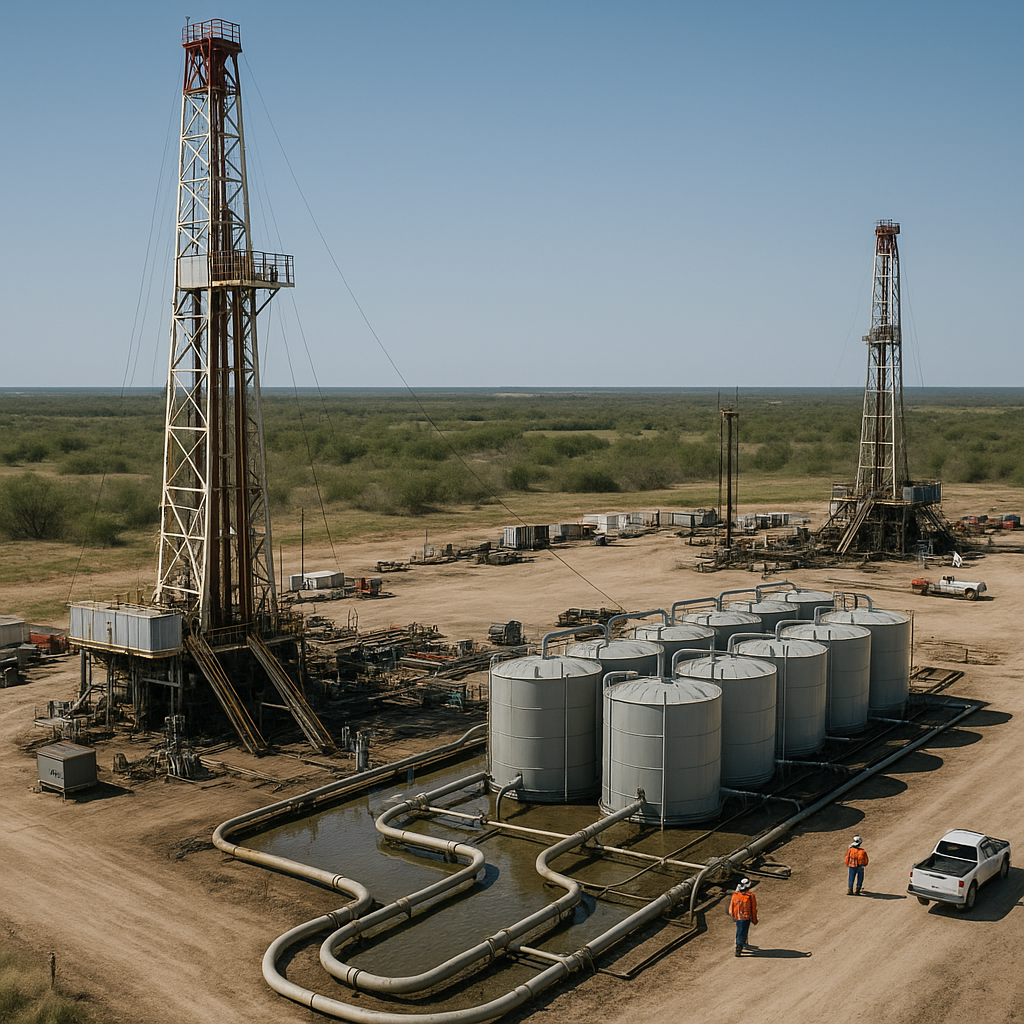
Produced water includes all the water that returns to the surface through a well borehole during oil and gas extraction. This encompasses both injected fracture stimulation fluids and natural formation water that existed underground for millions of years. The resulting composition creates a complex stream requiring specialized management approaches.
The Eagle Ford Shale generates moderate volumes of produced water compared to other major shale plays. Wells typically produce between 200 and 1,000 gallons per million cubic feet (MMCF) of gas extracted, placing the Eagle Ford in the moderate range for long-term produced water generation.
Generation Process and Timeline
Water generation occurs in distinct phases throughout a well’s productive life. Initial flowback typically produces the highest volumes during the first few weeks after hydraulic fracturing. The Eagle Ford generates approximately 250,000 gallons per well during the first 10 days of production.
Chemical composition varies significantly between wells and over time from individual production sites. Total dissolved solids typically range from brackish to highly saline levels, often exceeding seawater salinity by several factors. Additional constituents include naturally occurring minerals, metals, and organic compounds from the formation.
Management Strategies and Infrastructure
Effective produced water management ensures both environmental protection and economic viability of operations. The Eagle Ford benefits from established saltwater disposal (SWD) infrastructure throughout the region. Most produced water currently flows to Class II injection wells for permanent underground disposal.
Recovery represents a cost-effective management approach for many operators. Treatment requirements for reuse remain minimal, typically involving filtration to remove suspended solids. Blending with freshwater allows reuse in subsequent hydraulic fracturing operations.
Environmental and Economic Benefits of Water Recovery
Water recovery in the Eagle Ford Shale delivers substantial environmental and economic advantages that extend beyond individual operations to benefit entire communities and ecosystems.
Freshwater Conservation and Aquifer Protection
Recovering produced water dramatically reduces demand on local freshwater resources. The Eagle Ford region overlaps with the Carrizo-Wilcox Aquifer and other water sources that support municipal, agricultural, and industrial needs. Each gallon of recovered produced water used in hydraulic fracturing operations represents one less gallon withdrawn from these stressed aquifer systems.
Reduced Transportation Impact and Road Safety
Water transportation represents one of the most visible impacts of oil and gas operations on local communities. Recovering produced water on-site or at nearby facilities significantly reduces truck traffic on rural roads. This reduction decreases road maintenance costs, extends pavement life, and improves safety for both commercial drivers and local residents.
Cost Savings and Operational Efficiency
Economic incentives drive many recovery decisions in the Eagle Ford Shale. Disposal costs including transportation and injection fees can reach several dollars per barrel. Recovering produced water eliminates these disposal expenses while reducing freshwater acquisition costs, creating dual benefits from a single process.
Regulatory Framework and Compliance Requirements
Operating within the Eagle Ford Shale requires navigating complex regulatory frameworks that govern water management, disposal practices, and environmental protection. As of 2025, new legal protections under Texas House Bill 49 provide liability limitations for companies that treat and release produced water, further encouraging industrial recovery.
Texas Railroad Commission Oversight
The Texas Railroad Commission (RRC) exercises primary regulatory authority over oil and gas waste management in the Eagle Ford Shale. This agency issues permits for disposal wells, monitors injection operations, and enforces compliance with waste handling standards. Recent judicial rulings have affirmed that produced water is classified as oil-and-gas waste, giving mineral lessees clear ownership and responsibility for its disposition.
Water Quality Standards and Monitoring
Regular water quality testing ensures that produced water characteristics remain within acceptable parameters for chosen management methods. Operators must analyze samples for total dissolved solids, hydrocarbons, and heavy metals. Monitoring programs track potential environmental impacts, including groundwater monitoring surrounding disposal facilities to detect any unintended migration of injected fluids.
Key Industrial Recovery and Disposal Technologies
Conventional Treatment Technologies
Filtration is the most widely adopted conventional treatment method in the Eagle Ford Shale region. Typically, the technology employs a two-stage system with 100-micron filters followed by 20-micron filters to capture progressively smaller particles. This low-energy process effectively removes suspended solids, enabling immediate reuse in drilling operations.
Saltwater Injection Wells for Disposal
Class II saltwater injection wells are the predominant disposal method for produced fluids in the Eagle Ford Shale. These wells safely return saltwater fluids to subsurface formations where they originated, following all federal and state regulatory requirements. The proximity of disposal wells to active drilling sites reduces transportation costs and environmental impacts from trucking operations.
Advanced Processing Technologies
Thermal processing offers a sophisticated approach to material recovery from oilfield waste streams. This technology recovers hydrocarbon materials for reuse as feedstock in subsequent operations. Thermal processing handles complex waste mixtures while extracting valuable components that would otherwise be disposed of.
Advanced treatment technologies including reverse osmosis membranes and thermal distillation address dissolved solids in produced water. While more energy-intensive, these processes allow for higher levels of purity. According to EPA research, combining conventional filtration with selective advanced treatment provides the most cost-effective approach for managing diverse waste streams.
Conclusion: Advancing Sustainable Practices in the Eagle Ford Shale
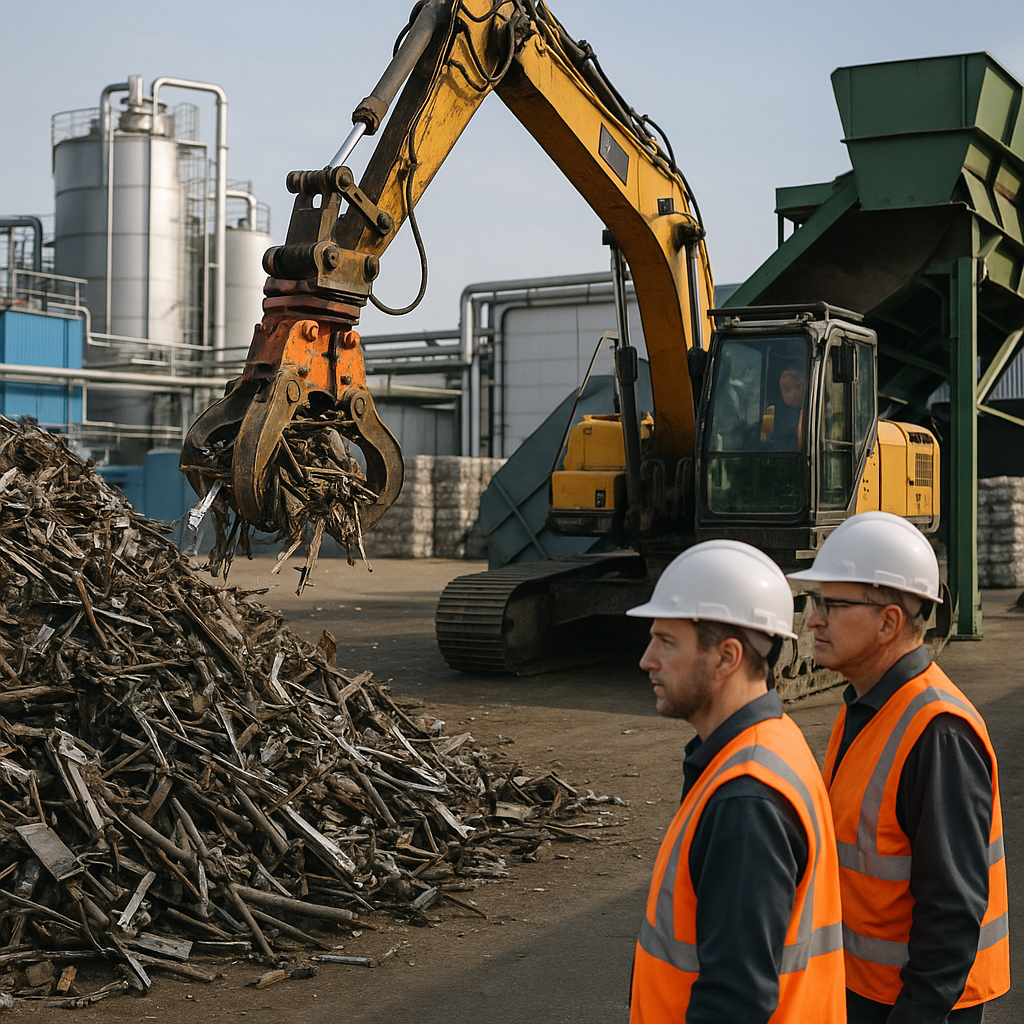
Industrial recovery in the Eagle Ford Shale is a key advancement in sustainable energy production, offering benefits across environmental, economic, and operational dimensions. Through comprehensive water management strategies—like produced water reuse, brackish groundwater utilization, and advanced treatment technologies—operators significantly reduce freshwater consumption while maintaining production efficiency.
The future of energy production in the Eagle Ford Shale depends on continued innovation in sustainable practices. As the industry advances toward more environmentally conscious operations, effective material recovery and water reuse will become increasingly crucial for maintaining regulatory compliance and community acceptance. For comprehensive industrial recovery solutions tailored to your Eagle Ford operations, contact Okon Recycling at 214-717-4083 to discuss how we can enhance your sustainability initiatives while optimizing operational costs.
Send Us a Message
Questions about what we do? Interested in commercial services? Let us know below and a member of our team will get back to you.