5901 Botham Jean Blvd, Dallas, TX 75215

Texas Panhandle Wind Blade Disposal: 2026 Guide to HB 3228 and Zero-Waste Mandates
December 22, 2025Massive wind turbine blades stretch across the Texas landscape like fallen giants. These discarded structures create sprawling disposal sites that underscore a growing environmental crisis. The visual impact of abandoned wind farm waste highlights an industry grappling with its own success.
The Texas Panhandle faces an increasing challenge as wind energy infrastructure reaches the end of its operational life. Castro County exemplifies this issue, with large numbers of wind turbine blades accumulating in vast outdoor storage areas. These fiberglass structures, initially designed to harness clean energy, now pose complex disposal challenges that traditional waste management systems struggle to handle.
The logistical complexities of wind blade disposal in the Texas Panhandle extend beyond transportation concerns. Each blade can measure over 100 feet in length and weigh several tons, rendering conventional disposal methods inadequate. As more wind farms in the region reach decommissioning phases, the accumulation of discarded blades threatens to overwhelm existing waste infrastructure, creating long-term environmental concerns.
Visual Impact of Wind Blade Disposal Sites
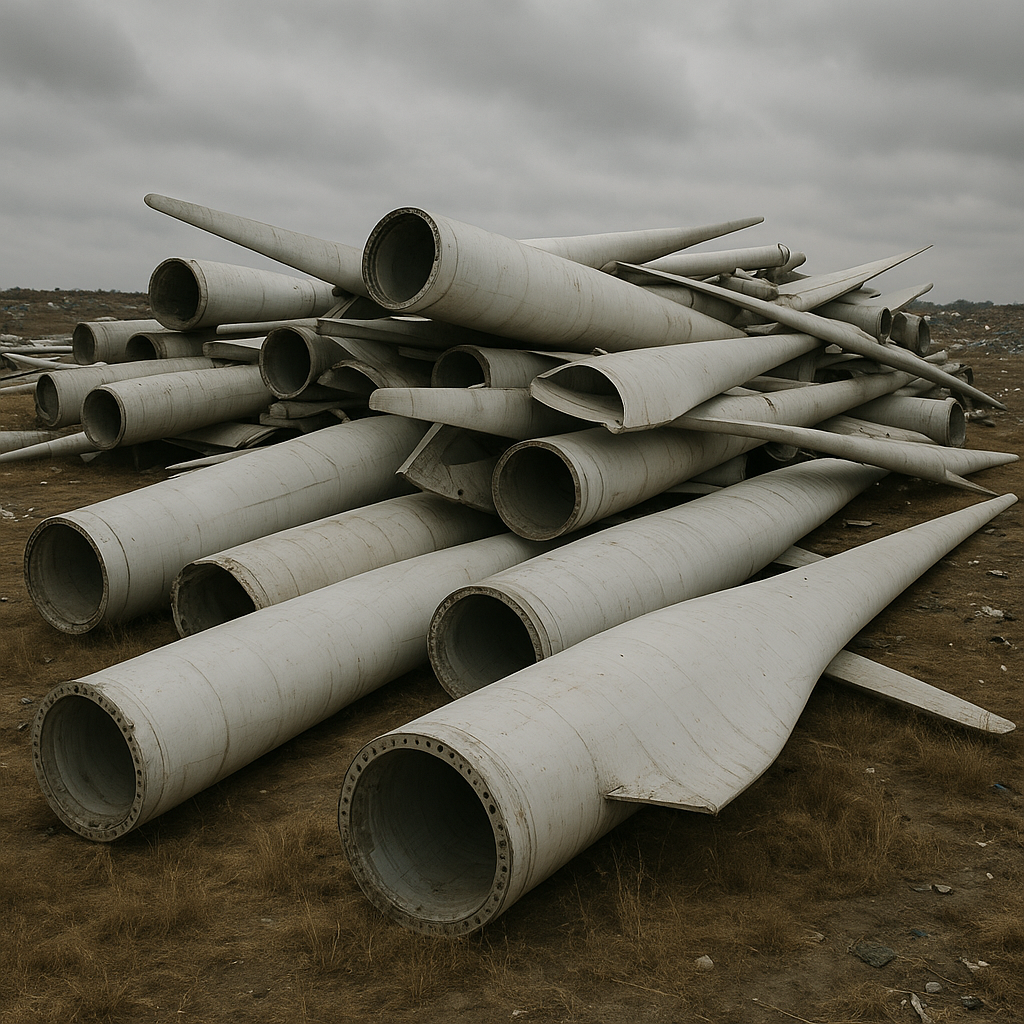
Wind blade disposal sites in Texas offer a stark contrast to the clean image of renewable energy. Notably, in areas like Sweetwater, hundreds of decommissioned turbine blades form what are often described as modern graveyards. These massive fiberglass structures, originally over 150 feet long, are typically cut into thirds for transport to designated storage or disposal areas.
Aerial Perspectives and Site Layout
From above, the scale of these operations is undeniable. Disposal sites often display circular patterns of white blade sections spread across large dirt lots. Organized rows stretch for acres, forming geometric designs visible from aircraft. These patterns reflect systematic storage efforts, yet the sheer volume often exceeds initial capacity estimates.
Ground-Level Reality
At ground level, the magnitude of these discarded wind turbine components is evident. Individual blade sections tower over visitors, creating canyon-like pathways between stacked materials. The pristine fiberglass surfaces, designed to withstand decades of weather exposure, show little sign of deterioration despite years of outdoor storage.
Safety and Wildlife Concerns
Safety concerns necessitate fencing and security at these locations. Collapsed blades create unstable stacks, posing risks to unauthorized visitors. The sites also attract wildlife, particularly rattlesnakes and rodents seeking shelter within the composite material maze, according to Chemical & Engineering News research.
Primary Disposal Locations in the Texas Panhandle
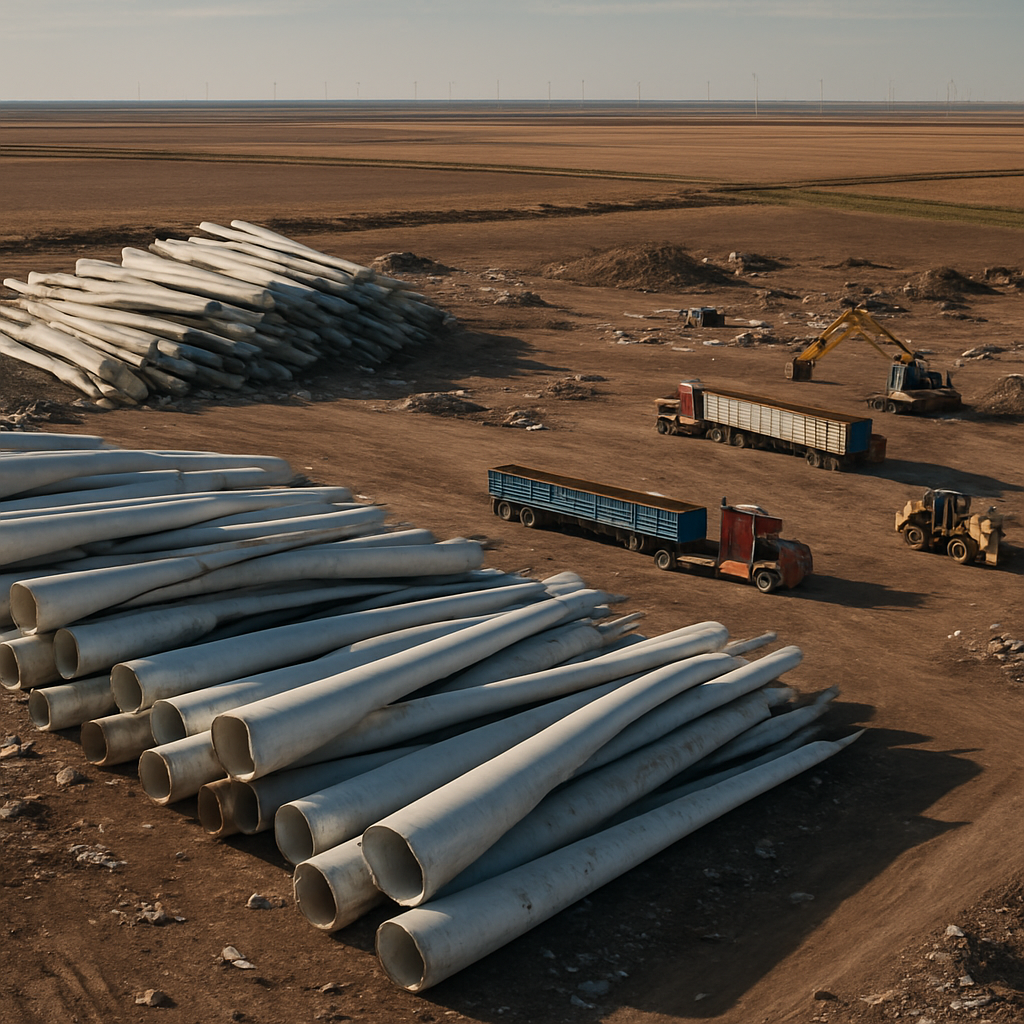
Wind blade disposal sites are scattered throughout the Texas Panhandle, often located close to active wind energy facilities. The region’s extensive wind infrastructure has led to multiple points where decommissioned turbine components accumulate. These areas typically arise near existing wind farms due to transportation logistics and available land.
Castro County Material Accumulation
Castro County is a primary location for wind blade disposal activities. Recent mapping data indicates disposal sites positioned near energy production facilities in this area. The proximity between active wind projects and blade storage areas demonstrates the operational connection between energy generation and the resulting waste management needs.
Visual evidence from Castro County reveals rows of dismantled turbine blades arranged across designated areas. These sites contain blade segments cut into manageable sections for transport. The organized layout suggests coordinated operations rather than random dumping, reflecting the industry’s need for better end-of-life planning.
Logistics of On-Site Disposal
The distribution of storage sites follows the geographic footprint of wind energy development. Wind farm operators typically establish disposal arrangements close to their facilities to manage decommissioning costs. This often involves partnerships with landowners who provide space for temporary or long-term blade storage, creating localized ecosystems of decommissioned infrastructure.
Scale and Composition Challenges
Understanding why wind turbine blades present such formidable disposal challenges requires examining their physical characteristics and material composition. These engineering marvels that efficiently capture wind energy become environmental obstacles when their operational lives end.
Physical Dimensions and Weight
Modern wind turbine blades are among the largest single-piece composite structures ever manufactured. Utility-scale blades commonly exceed 150 feet, with newer designs reaching 300 feet. A single blade can weigh between 6 and 20 tons. These dimensions create immediate logistical problems; standard transportation cannot accommodate full-length blades, requiring on-site cutting into multiple segments.
Composite Material Complexity
Wind turbine blades consist primarily of fiberglass-reinforced polymer composites engineered for durability. This durability, essential for performance, is a liability in disposal. The composite construction makes blades nearly impossible to decompose naturally. Unlike metals that corrode, fiberglass remains structurally intact for centuries in landfill conditions, creating accumulations that persist indefinitely.
Emerging Recovery and Material Reclamation Solutions
The wind blade disposal crisis has catalyzed research into innovative reclamation technologies and alternative management strategies. While challenges remain, emerging solutions offer hope for more sustainable management of decommissioned blades.
Mechanical Material Reclamation
Mechanical processes shred decommissioned blades into smaller pieces suitable for industrial applications. These processed materials find uses as fillers in cement manufacturing, concrete production, or aggregate in construction applications. In cement manufacturing, fiberglass fragments can replace raw materials while the resin components provide fuel value in kiln operations.
Thermal and Chemical Recovery
Pyrolysis and other thermal processes break down composite materials at high temperatures to recover glass fibers. Advanced chemical recovery uses solvents to dissolve resin matrices while preserving fiber integrity. While these methods potentially recover higher-quality materials, the processing costs often currently exceed the market value of the recovered materials, requiring broader industry investment to achieve financial viability.
Sustainable Design Innovations
Manufacturers are increasingly incorporating end-of-life considerations into new designs. This includes the use of thermoplastic resins that can be melted and reformed, and modular designs that facilitate easier disassembly. These innovations aim to create a circular economy for wind energy infrastructure in the coming decades.
Conclusion: Addressing the Environmental Impact of Wind Waste
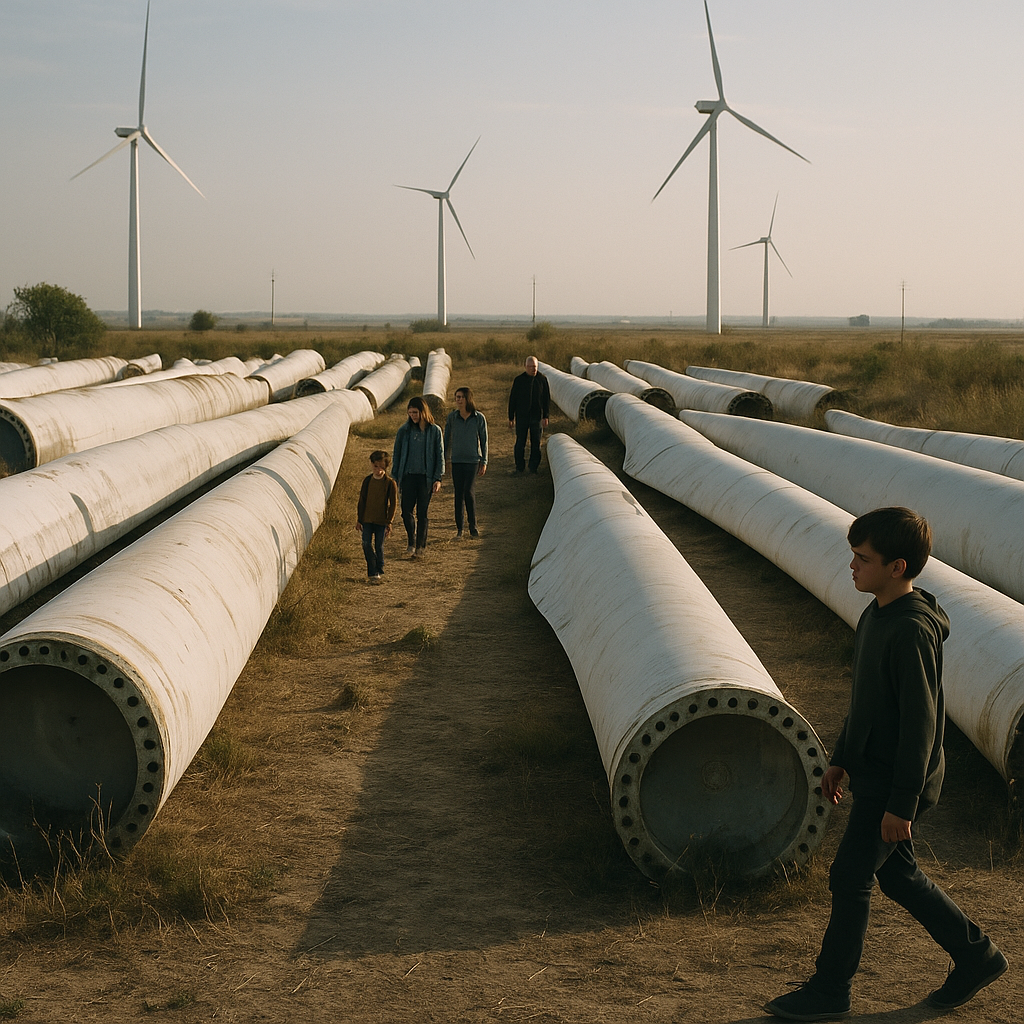
The visual evidence from the Texas Panhandle highlights the growing challenge of wind blade disposal. Rows of discarded turbine blades reveal a critical gap in the renewable energy lifecycle. These accumulations emphasize how turbine blade management has become an environmental issue requiring immediate attention from sustainability professionals and material recovery providers.
As the renewable energy sector expands, blade disposal challenges require specialized expertise and innovative recovery approaches. For comprehensive wind turbine blade recovery and management solutions that tackle these environmental concerns, contact Okon Recycling at 214-717-4083.
Send Us a Message
Questions about what we do? Interested in commercial services? Let us know below and a member of our team will get back to you.