5901 Botham Jean Blvd, Dallas, TX 75215
Who Recycles Damaged Solar Panels in Texas for a Sustainable Future?
December 11, 2025What happens to solar panels when severe weather strikes Texas or when commercial installations reach their end of life? For residents and businesses across the state, finding responsible disposal methods for broken or aging solar panels is increasingly important. The expanding solar industry generates thousands of damaged panels annually due to hailstorms, wind damage, and system upgrades.
Specialized recycling companies now serve Texas communities with comprehensive solar panel recovery services. These providers ensure valuable materials like silver, aluminum, and silicon are extracted and reused, rather than being buried in landfills. Professional facilities across the state offer statewide collection and processing services for damaged panels, utilizing advanced recycling technology to maximize material recovery.
Proper recycling prevents hazardous components from contaminating soil and groundwater while recovering materials worth hundreds of dollars per ton. Professional recycling services manage everything from small residential projects to large commercial decommissioning, providing certificates of destruction and compliance documentation necessary for municipalities and businesses to meet environmental reporting requirements.
What Should You Look for in a Solar Panel Recycling Provider?
Texas is home to specialized facilities for solar panel recycling across the state. When selecting a recycling partner, several key factors ensure proper handling of end-of-life photovoltaic equipment and maximize environmental benefits.
Processing Capabilities and Technology
Look for facilities that can process multiple panel types, including silicon, cadmium-telluride, and various thin-film technologies. Advanced recycling operations achieve material recovery rates up to 95%, extracting valuable components like silicon, glass, aluminum, copper, and silver. State-of-the-art facilities employ specialized equipment designed for different scales of solar panel processing, from residential quantities to utility-scale commercial projects.
Modern recycling centers use a combination of thermal, mechanical, and chemical processing methods to separate materials effectively. These techniques ensure maximum material recovery while maintaining the purity standards needed for reuse in manufacturing. Some facilities even demonstrate their commitment to renewable energy by powering their operations using retired solar panels.
Regulatory Compliance and Certifications
Reputable solar panel recyclers maintain strict compliance with hazardous waste regulations. Look for facilities certified by the Texas Commission on Environmental Quality (TCEQ) that follow EPA guidelines for handling materials containing cadmium, lead, and other potentially hazardous substances. Proper certification ensures that toxic components are managed according to federal and state standards.
Professional recyclers should provide certificates of destruction and comprehensive compliance documentation. These records are essential for businesses and municipalities meeting environmental reporting requirements and demonstrating responsible waste management practices.
Geographic Coverage and Accessibility
The best recycling partners offer convenient access through strategic facility locations or comprehensive pickup services. Geographic distribution across Texas regions—from Gulf Coast areas to West Texas and the Dallas-Fort Worth metroplex—ensures that businesses and residents can access local recycling services without excessive transportation costs.
For storm damage situations or large commercial decommissioning projects, look for providers that offer mobile collection services. This capability reduces logistical challenges and makes responsible disposal more practical for high-volume situations.
Processing Volume and Project Scale
Consider whether a recycling facility can handle your specific volume requirements. Large-scale commercial and utility projects require facilities with high processing capacity, while smaller residential projects may need more flexible, customer-focused services. The ideal recycler should accommodate various project sizes efficiently.
Modern facilities equipped with advanced processing capabilities can handle hundreds of megawatts of solar panel capacity annually. This scale ensures that even major decommissioning projects receive timely processing without bottlenecks.
Material Recovery and Environmental Impact
Choose recyclers that prioritize maximum material recovery and demonstrate measurable environmental benefits. Professional operations should be transparent about their recovery rates for different materials and their methods for handling hazardous components. The best providers focus on precious metal recovery while ensuring that glass, aluminum, and silicon components are properly processed for reuse.
Comprehensive solar panel recycling supports the circular economy model by returning valuable materials to manufacturing supply chains, reducing the need for virgin resource extraction and minimizing environmental footprint.
Why is it Environmentally Critical to Recycle Solar Panels?
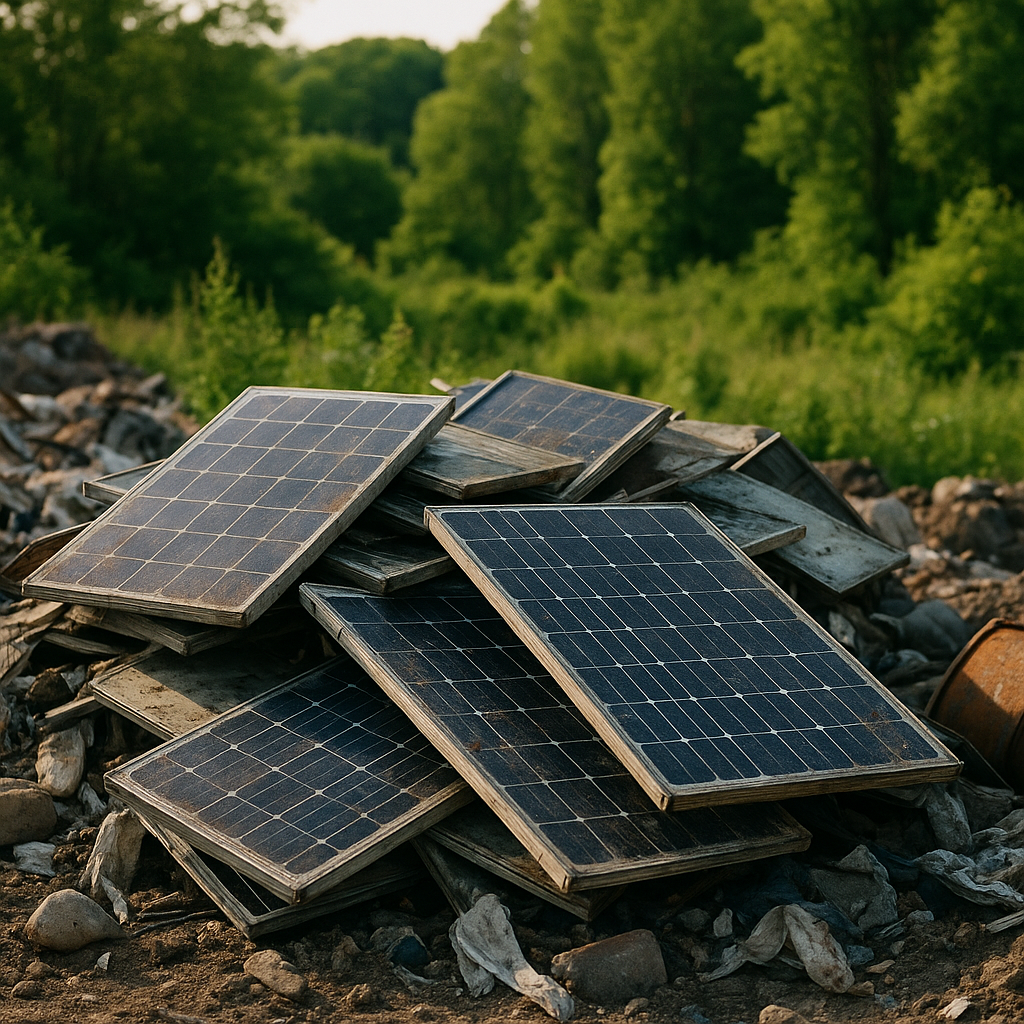
Solar panels contain hazardous substances that pose significant environmental risks when improperly disposed of. Cadmium, lead, and chromium are among the toxic materials found in photovoltaic modules that can leach into soil and groundwater if panels end up in landfills.
The contamination from improperly disposed solar panels threatens local ecosystems and water supplies. Lead exposure can cause neurological damage in both humans and wildlife, while cadmium contamination affects plant growth and enters the food chain through agriculture. These hazards undermine the clean energy benefits of solar installations during their operational life.
Proper recycling mitigates these risks through controlled processing methods. Hazardous materials are separated using thermal and chemical treatments, preventing environmental release. This ensures that toxic substances are either safely contained or neutralized rather than polluting natural resources.
Resource conservation represents another critical benefit of solar panel recycling. Silicon, silver, copper, and aluminum are the most valuable materials recoverable from panels at the end of their life. Professional recycling operations can recover up to 95% of these materials for reuse in manufacturing new panels or other products.
Glass components account for approximately 75% of a solar panel’s total weight and can be recycled into new photovoltaic modules or used in other glass manufacturing applications. Recovery of silver and copper reduces the need for mining, which typically consumes significant energy and disrupts habitats.
The circular economy model facilitated by recycling reduces the environmental footprint of solar energy systems. Manufacturing new panels from recycled materials requires less energy than processing new raw materials. Mining for silicon, silver, and rare earth elements causes landscape destruction and water pollution that recycling helps avoid.
Material recovery from recycling also supports the long-term sustainability of the renewable energy sector. As global solar installations expand, recycled materials will become increasingly important for meeting manufacturing demands. The European Union’s WEEE Directive already mandates solar panel recycling, showcasing regulatory recognition of these environmental benefits.
Recycling solar panels is expected to prevent approximately 60 million tons of photovoltaic waste from entering landfills by 2050. This not only protects landfill capacity but also ensures that valuable materials continue to be used productively, supporting broader sustainability goals in the energy sector.
What Does the Solar Panel Recycling Process Involve?

Solar panel recycling follows a systematic approach designed to maximize material recovery while ensuring environmental safety. The process transforms end-of-life photovoltaic modules into valuable raw materials that can reenter manufacturing supply chains.
Decommissioning and Initial Dismantling
The recycling process begins with the safe removal and dismantling of solar panel components. Workers first remove the aluminum frame and plastic junction box, which are the most accessible for recovery. These components are easily separable and can be processed through existing metal and plastic recycling streams.
This phase requires careful handling to prevent damage to valuable internal materials. Proper decommissioning techniques preserve the integrity of silicon wafers and metal contacts that contain silver and copper. This initial step determines the efficiency of subsequent processing stages.
Material Separation Through Processing Methods
After dismantling, panels undergo separation processes that vary depending on the panel type and recycling facility capabilities. For crystalline silicon panels, which hold about 95% of the market, thermal processing at 500°C breaks down the polymer layers binding components. The extreme heat causes encapsulating plastics to evaporate, making silicon cells accessible for further processing.
Mechanical processes, such as crushing, shredding, and milling, complement thermal treatment. These methods help separate glass from other components while maintaining the purity needed for material reuse. The EPA notes that established glass, metals, and electronics industries can accommodate solar panel processing using these standard techniques.
Chemical processing represents the most advanced separation method, using specialized solvents and etching techniques to recover high-purity materials. Recent innovations in chemical separation achieve over 99% silver recovery and 98% silicon recovery, though these methods remain experimental.
Hazardous Waste Compliance and Safety Protocols
Solar panels may contain hazardous materials including lead, cadmium, and other heavy metals requiring specialized handling. EPA and TCEQ regulations mandate procedures for identifying, removing, and disposing of these substances. The Toxicity Characteristic Leaching Procedure determines whether panels qualify as hazardous waste based on metal leaching concentrations.
Recycling facilities must implement safety protocols to protect workers from exposure to toxic materials during processing. Proper ventilation systems, personal protective equipment, and containment procedures are essential for compliance. The regulatory framework ensures hazardous components are managed according to federal and state standards rather than entering standard waste streams.
Thin-film panels containing cadmium telluride require additional precautions due to higher toxicity risks. These panels typically undergo different processing methods that focus on semiconductor material recovery while preventing environmental contamination.
Material Recovery and Industrial Integration
The final stage involves processing separated materials for industrial reuse. Glass, which makes up about 75% of panel weight, can be recovered at rates exceeding 95% and integrated into new glass manufacturing. Aluminum frames are processed as scrap metal and reformed into new products.
Silicon wafers undergo purification processes to remove contaminants before reuse in new panel manufacturing. Metal components like copper wiring and silver contacts are refined and sold to electronics and metal industries. Even plastic components from junction boxes can be processed as fuel sources for thermal processing operations.
Material recovery rates vary by recycling method and facility capabilities. Standard processing typically recovers aluminum, copper, and glass while silicon cells may be incinerated. Advanced recycling facilities can achieve higher recovery rates through specialized separation techniques that preserve material purity and value.
Are All Types of Damaged Solar Panels Recyclable?

Most solar panel types can be recycled successfully. Different panel technologies require distinct recycling approaches based on their materials and construction methods. The recyclability rate varies depending on the specific type and available processing methods.
Silicon-based panels dominate the current market and offer the most established recycling pathways. Thin-film technologies present unique challenges but remain recyclable through specialized processes. Newer panel types like perovskite solar panels show exceptional recycling potential despite being in early development stages.
Crystalline Silicon Panel Recycling
Crystalline silicon panels represent the most common photovoltaic technology. These panels consist of aluminum frames, tempered glass, polymer layers, silicon solar cells, and junction boxes. The recycling process begins with disassembly to separate aluminum and glass components.
We can recover approximately 95% of the glass for reuse in new applications. The aluminum frames undergo complete recovery for re-molding into new cell frames. The silicon cells require thermal processing at 500°C to break down the encapsulating plastic, which evaporates and is reused as a heat source for further processing.
After thermal treatment, we achieve an 85% recycling rate for silicon material through acid etching processes. Broken silicon wafers are melted down for manufacturing new silicon modules. This established process makes crystalline silicon panels among the easiest to recycle effectively.
Thin-Film Panel Processing
Thin-film panels include cadmium telluride and copper indium gallium selenide technologies. These panels undergo more complex recycling due to their layered construction and hazardous materials content. The process starts with mechanical shredding followed by hammermill treatment to break particles down to 4-5mm sizes.
CdTe panels contain cadmium and tellurium that require careful extraction through specialized chemical and electrical processes. Dedicated recycling facilities for thin-film panels recover semiconductor materials along with glass and copper components.
CIGS panels contain copper, indium, gallium, and selenium that need selective extraction using inorganic acid solutions. We achieve approximately 90% glass recovery from thin-film panels through vibrating surface techniques that remove lighter interlayer materials. The semiconductor materials undergo a 95% average recovery rate through metal processing steps.
Perovskite Solar Panel Recyclability
Perovskite solar panels represent emerging photovoltaic technology with exceptional recycling characteristics. These panels feature weakly bonded functional layers with orthogonal solubility that enables selective material removal and recovery. The ionic bond structure facilitates easier separation compared to traditional silicon-based technologies.
Perovskite panel recycling operates under ambient conditions using mild solvents or water-based systems. This approach significantly reduces energy consumption compared to high-temperature silicon recycling processes. Research demonstrates that closed-loop perovskite recycling retains up to 90-100% of original device performance while enabling critical component reuse.
The photovoltaic processing for perovskite panels allows for component-by-component material recovery. We can implement recycling through dissolution-recrystallization methods or selective layer removal techniques. These processes minimize toxic waste generation while maximizing valuable material recovery rates.
Amorphous Silicon and Specialized Technologies
Amorphous silicon panels fall under the thin-film category but require modified processing approaches. These panels contain less crystalline structure, making them more flexible but requiring different separation techniques than traditional crystalline silicon panels. The recycling process focuses on recovering the silicon content along with supporting materials.
Specialized photovoltaic technologies continue emerging with varying recyclability characteristics. Most panel types contain valuable materials including aluminum, copper, glass, and precious metals that justify recycling efforts. The key lies in developing appropriate processing methods for each technology type.
Current recycling infrastructure continues to expand to accommodate different panel technologies. Recyclability rates are expected to improve as processing methods advance and economies of scale develop for emerging technologies.
Your Next Steps for Responsible Solar Panel Disposal
Finding a certified recycler for damaged solar panels in Texas is straightforward and crucial for environmental protection. Professional solar panel recycling services offer specialized, EPA-compliant processing that prevents pollution while recuperating valuable materials. These certified facilities expertly extract up to 95% of panel materials, including aluminum, silicon, silver, and glass, while safely managing hazardous components like cadmium and lead in compliance with TCEQ regulations.
By opting for a professional recycler, you support a sustainable, circular economy in the solar industry. Proper disposal prevents environmental contamination and salvages materials worth millions of dollars for reuse in new manufacturing processes. For comprehensive solar panel recycling solutions that meet your environmental compliance needs, contact Okon Recycling at 214-717-4083.
Send Us a Message
Questions about what we do? Interested in commercial services? Let us know below and a member of our team will get back to you.