5901 Botham Jean Blvd, Dallas, TX 75215
End-of-Life Solar Management in Haskell County: A Quick Guide
December 22, 2025Haskell County is leading the charge in Texas renewable energy development. The Azure Sky solar + storage project is one of the region’s largest clean energy investments. This expansive 284 MWdc facility features 700,000 photovoltaic panels, generating over 586 GWh annually.
The project’s scope positions Haskell County as a key player in Texas’s transition to clean energy. Operators have incorporated circular economy principles into Azure Sky from the beginning, integrating end-of-life management planning into the development phase. This forward-thinking strategy acknowledges the need for comprehensive sustainability in today’s renewable energy solutions.
Solar panels typically have a lifespan of 25 to 30 years before requiring replacement or decommissioning. With hundreds of thousands of panels being installed in Haskell County, the region will encounter significant volumes of end-of-life solar equipment in future decades. The United States expects to generate up to one million tons of solar panel waste by 2030, potentially increasing to 10 million tons by 2050. Haskell County’s proactive approach to end-of-life solar management ensures its renewable energy leadership remains environmentally responsible throughout the lifecycle of these installations.
When a Solar Project Needs Decommissioning
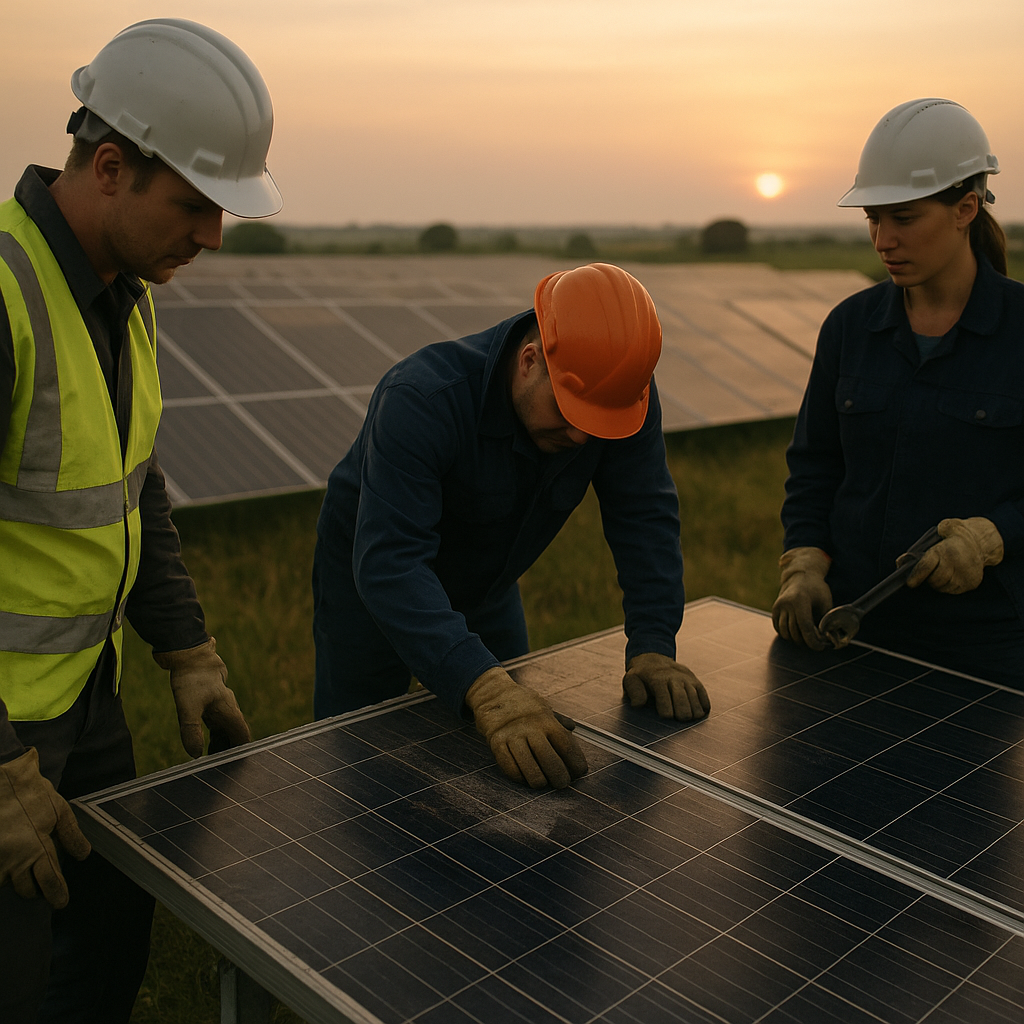
Solar photovoltaic projects need decommissioning when continued operation becomes economically impractical. This typically happens after 25 to 35 years, as panel degradation significantly reduces energy production capacity.
The degradation process is gradual but measurable. Solar panels lose about 0.5% of their efficiency each year. By the 20th year, panels produce approximately 90% of their original electricity output. When reduced capacity makes replacement more cost-effective than ongoing maintenance, decommissioning becomes necessary.
Several factors influence the decommissioning decision beyond simple age. Equipment failures requiring extensive repairs can hasten the timeline. Moreover, technological advances may render newer systems far more efficient, making replacement financially preferable.
Environmental Risks of Improper Decommissioning
Inadequate decommissioning practices pose serious environmental hazards. Solar panels contain materials that require careful handling to prevent contamination. Some photovoltaic modules include substances like lead and cadmium in their semiconductor components and solder.
Improper disposal of damaged panels can lead to materials leaching into soil and groundwater. This contamination presents long-term risks to local ecosystems and human health. The U.S. Department of Energy emphasizes that proper planning minimizes these environmental impacts.
Poor decommissioning practices also generate unnecessary waste. Without proper recovery protocols, valuable materials like glass, aluminum, and copper end up in landfills instead of being reclaimed for reuse.
Legal and Financial Consequences
Improper decommissioning can trigger significant legal penalties under federal waste management regulations. The Resource Conservation and Recovery Act governs the disposal of solar panels containing hazardous materials. Violations can result in substantial fines and ongoing liability issues.
Many jurisdictions now require detailed decommissioning plans before project approval. These plans must specify removal procedures, restoration timelines, and financial assurance mechanisms. Non-compliance with these requirements can halt project development or necessitate costly retrofitting of existing installations.
Project owners who neglect proper decommissioning procedures often encounter unexpected costs that far exceed planned expenses. Emergency cleanup efforts and regulatory penalties can quickly escalate into millions of dollars in unbudgeted expenses.
Solar Panel Decommissioning Process

Solar panel decommissioning follows a systematic approach prioritizing safety and environmental compliance. It begins with technical inspections to assess the system’s condition and develop a detailed removal plan. This initial phase ensures all stakeholders understand the project’s scope and possible challenges before any physical dismantling starts.
A site assessment is fundamental to effective decommissioning. Teams evaluate electrical systems, structural components, and environmental factors that could affect the removal process. This assessment identifies materials that require special handling and determines which components are valuable for reuse or material recovery.
Initial System Disconnection and Safety Protocols
De-energizing the solar installation marks the first active decommissioning phase. Technicians disconnect all electrical equipment, including inverters, combiner boxes, and monitoring systems, following strict electrical safety standards to protect workers and prevent damage to nearby infrastructure.
Proper lockout procedures keep the system isolated throughout dismantling. Safety protocols go beyond electrical concerns to include fall protection, equipment handling, and material management, protecting both workers and the environment from contamination.
Component Removal and Material Handling
The physical removal process mirrors installation in reverse. Workers begin by disconnecting module-level components like optimizers before removing the panels themselves. Mounting structures and racking systems follow, ensuring materials enter appropriate streams whenever possible.
During component removal, material recovery is key. Silicon-based panels are evaluated for recovery potential, while aluminum frames and copper wiring are immediately set aside for metal reclamation. Glass components require special handling to prevent breakage, which could complicate downstream processing.
| Stage | Primary Objectives |
|---|---|
| Planning | Outline goals, scope of work, and identify potential risks. |
| Inventory | Identify existing objects and assess potential waste volumes. |
| Engineering Surveys | Identify safe recovery streams based on survey results. |
| Feasibility Study | Assess project potential, considering legislative and market factors. |
| Development | Develop projects for decommissioning and remediation. |
| Procurement | Select experienced contractors for demolition and recovery work. |
| Execution | Remove infrastructure and restore sites to meet requirements. |
| Technical Inspections | Assess system condition and identify hazardous materials. |
| Initial Disconnection | De-energize installations safely with complete isolation. |
| Component Removal | Disconnect and remove components; segregate materials. |
Logistics and Site Restoration
Transportation logistics are crucial to successful decommissioning projects. Panels must be carefully packaged to prevent damage during transit to certified facilities. Efficient loading reduces transportation costs and lowers the project’s carbon footprint through optimized routing.
Site restoration returns the property to its original condition or readies it for future development. This phase includes removing all foundations, filling excavated areas, and grading the terrain to match surrounding topography. Soil testing may be necessary to verify no contamination occurred during decommissioning.
Sustainable Solar Panel Management in Haskell County
Haskell County has become a leader in sustainable solar development. Modern utility-scale facilities exemplify how thorough lifecycle planning can revolutionize renewable energy deployment. Sustainability principles are integrated from the initial design stage through to eventual decommissioning.
Regional projects embed circular economy principles across the value chain. This approach covers both PV panels and battery systems, incorporating strategies for design, procurement, construction, operations, and end-of-life management. The comprehensive framework ensures opportunities for material recovery at every stage of the project.
The project’s end-of-life management strategy emphasizes maximizing material value retention. Advanced planning includes recovering and repurposing the facility’s 700,000 bi-facial PV panels and 95 MWdc battery storage system. This forward-thinking approach prevents materials from becoming waste and preserves their economic value within the circular economy.
Regenerative Agriculture Integration
Modern regional installations incorporate agrivoltaics as a core sustainability strategy. Projects co-develop agriculture and solar power on existing land to offer multiple community benefits. This dual-use model enhances native vegetation while protecting local wildlife and ecosystems.
Facilities use native and pollinator-friendly seed mixtures to establish habitats throughout their operational life. These plantings offer monarch butterflies, honeybees, and native pollinators access to high-quality habitats. The regenerative agriculture component boosts operational efficiency and delivers measurable ecosystem services.
Battery Integration and Storage Solutions
Battery energy storage systems are crucial components of the sustainable management approach. Large-scale storage provides grid flexibility and enhances system resilience. Storage integration enables optimized energy delivery and supports broader grid stability objectives.
Battery systems require specialized end-of-life planning due to their critical mineral content. Sustainable projects address recovery strategies for lithium, nickel, and cobalt from the design phase. This proactive approach ensures valuable materials remain in productive use cycles rather than becoming waste.
Conclusion: Securing a Sustainable Future for Solar in Haskell County

Haskell County’s impressive solar energy expansion underscores the region’s commitment to leading in renewable energy. However, achieving sustainability involves more than just installations. Effective end-of-life solar management through comprehensive decommissioning planning and circular economy principles ensures these investments offer long-term value while minimizing environmental risks. Proactive management strategies protect both the community and the environment, positioning Haskell County as a model for responsible green energy development.
This solar boom provides a unique opportunity to set best practices for sustainable energy infrastructure management. By adopting responsible management approaches that focus on material recovery and waste reduction, Haskell County can reinforce its standing as a leader in renewable energy production and environmental stewardship. For comprehensive solar panel recycling and end-of-life management solutions to support your sustainability goals, contact Okon Recycling at 214-717-4083.
Send Us a Message
Questions about what we do? Interested in commercial services? Let us know below and a member of our team will get back to you.