5901 Botham Jean Blvd, Dallas, TX 75215
Barnhart, Texas Wind Farm Recycling: 2026 Guide to Decommissioning and HB 3228
December 18, 2025Wind turbines have a finite operational lifespan of approximately 15 to 25 years. After decades of converting Texas winds into clean electricity, these towering structures eventually reach the end of their useful life. The challenge then becomes managing their responsible disposal and material recovery.
Wind farm recycling is crucial at the intersection of renewable energy and environmental stewardship. Up to 94% of a wind turbine is made of recyclable materials, such as steel, copper, aluminum, and iron. However, the remaining components, especially the composite fiber blades, require specialized handling and processing techniques to avoid unnecessary landfill waste.
The decommissioning process in Texas involves a comprehensive approach to site assessment, systematic dismantling, and materials recovery. Professional recovery teams conduct thorough site evaluations to develop customized strategies that maximize material recovery while minimizing environmental disruption. This structured approach ensures that valuable resources are diverted from landfills and redirected into the circular economy, supporting both environmental sustainability and responsible waste management practices.
Wind Turbine Components Suitable for Recovery
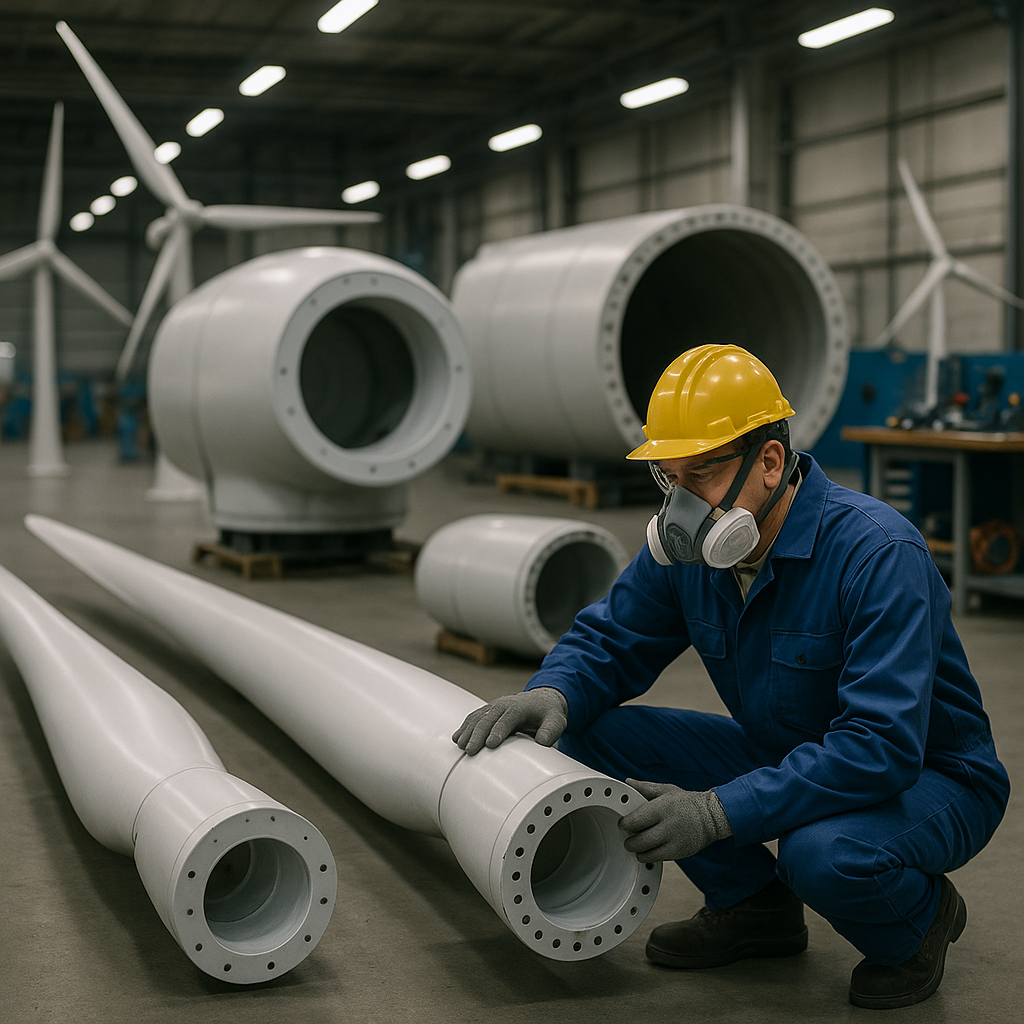
Most wind turbine components are highly recyclable. Current industry data indicates that 85% to 90% of a wind turbine’s total mass can be fully recycled or reused. This high recyclability is due to the valuable materials used in turbine construction, particularly in the structural and mechanical components.
Steel components make up the largest recyclable portion of any wind turbine. The tower, comprising about 70% of the turbine’s total weight, is primarily made of high-grade steel, which can be directly processed as raw material for new steel fabrication. Similarly, the nacelle housing, internal frameworks, and mounting systems contain steel that retains its properties through multiple recycling cycles.
Foundation materials also present significant recovery opportunities. Concrete foundations can be crushed and repurposed for road construction, building materials, or even recycled to build new wind turbine foundations. The rebar and steel reinforcements within concrete structures can be separated and processed through standard steel recycling methods.
Mechanical components within the nacelle offer high-value material recovery potential. The gearbox contains precision steel gears, bearings, and housing materials that can be reconditioned or recycled. Generators provide copper windings, electrical steel laminations, and permanent magnets containing rare earth elements. Due to their purity and specialized applications, these materials command premium prices in secondary markets.
Electrical infrastructure throughout the turbine offers additional recyclable materials. Copper wiring, transformers, control systems, and power electronics contain valuable metals such as copper, aluminum, and precious metals used in circuit boards. These components generally retain high-quality materials suitable for direct reuse in electrical applications.
The main recycling challenge is turbine blades, which are made from fiber-reinforced composite materials. These blades consist of glass fiber and carbon fiber reinforced polymers with epoxy resin matrices. Unlike metal components, these thermoset composites cannot be melted and reformed, requiring specialized processing techniques for material recovery.
Innovative solutions are emerging for blade material reuse. Mechanical recycling processes can shred blade materials for use as fillers in cement manufacturing, concrete production, and composite panel applications. Chemical recovery methods under development aim to separate fiber materials from resin systems, potentially recovering glass and carbon fibers for new composite manufacturing.
Decommissioning Wind Turbine Blades for Recovery
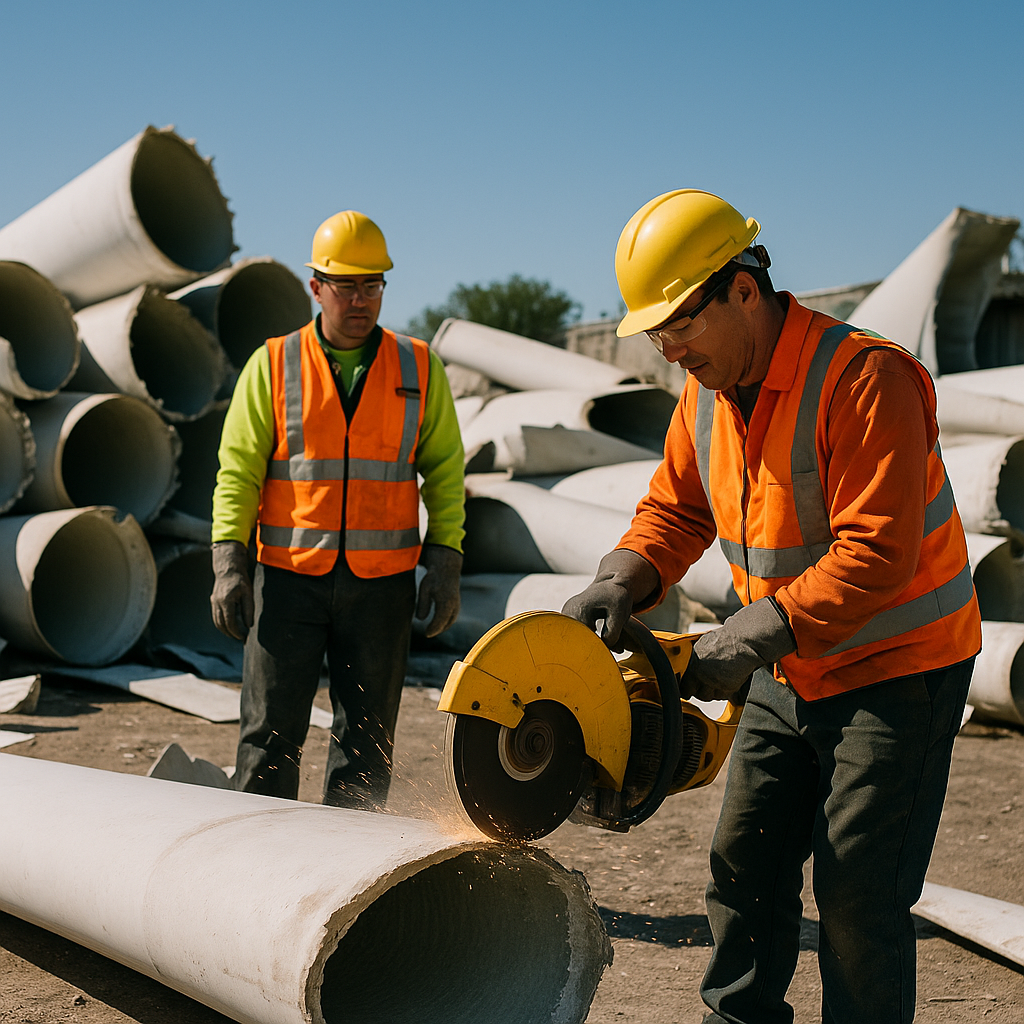
Decommissioning wind turbine blades requires precise coordination and specialized equipment to safely handle these massive components. The process transforms blades, which can exceed 350 feet in length, into manageable sections suitable for transportation and processing.
Professional recovery operations approach blade decommissioning with systematic procedures prioritizing safety and efficiency. Each blade presents unique challenges due to its aerodynamic design and composite construction.
Initial Assessment and Preparation
Before cutting begins, teams conduct thorough site assessments to determine optimal dismantling strategies. Recovery specialists evaluate transportation routes, equipment positioning, and facility specifications that dictate final section dimensions.
The preparation phase involves securing permits and coordinating with local authorities. Heavy machinery is strategically positioned around each turbine to minimize ground disturbance and maximize operational efficiency.
Blade Sectioning Process
The decommissioning follows a standardized sequence to ensure worker safety and material integrity:
- Tip-to-root cutting sequence: A machine-mounted saw starts cuts at the blade tip, working systematically toward the root section.
- 20-foot section creation: Each cut produces standardized 20-foot segments that comply with transportation regulations and facility handling capabilities.
- Section stacking and staging: Cut sections are immediately stacked using forklifts and staged for efficient loading onto transport vehicles.
- Root processing: The blade root is quartered to reduce its substantial diameter and weight for easier handling.
- Final dimensional compliance: All sections undergo additional cutting to achieve the flattest possible profile, meeting specific processing specifications.
Machine-mounted saws utilize diamond-tipped blades specifically designed for composite materials. These tools create clean cuts that minimize fiber dispersion and maintain material quality for recovery processes.
Equipment and Safety Protocols
Specialized equipment ensures safe and efficient blade processing. Industrial-grade saws mounted on tracked vehicles provide mobility and stability during cutting operations. Forklift operations require certified operators trained in composite material handling. Recovery teams maintain strict safety protocols throughout the process, including respiratory protection and debris containment systems.
| Equipment Type | Primary Function | Capacity/Specification |
|---|---|---|
| Tracked Diamond Saw | Composite material sectioning | Precision cutting of glass/carbon fiber |
| Heavy-Duty Forklift | Section stacking and loading | Multi-ton lift capacity |
| Standard Flatbed Trailer | Off-site transportation | Compatible with 20-foot sections |
| Dust Containment System | Debris management | HEPA-grade filtration |
Transportation Coordination
The sectioning process directly addresses transportation challenges in the wind energy industry. Standard blade lengths create logistical hurdles on public roads, requiring specialized permits and route planning. By reducing blades to 20-foot sections, specialists eliminate most transportation restrictions. These dimensions allow for standard trucking operations and broader facility access across different regions.
According to the U.S. Department of Energy, transportation represents a primary cost driver for all wind turbine recycling systems. A standardized sectioning approach helps minimize these expenses while expanding processing options.
Quality Control and Documentation
Each processed section receives documentation tracking its origin, processing date, and intended destination. This traceability supports both processing facility requirements and regulatory compliance. Material condition assessments help facilities optimize their recovery strategies by documenting structural integrity or unusual wear patterns.
The Future of Sustainable Wind Energy in Texas

Texas leads the nation in wind energy production and sets the standard for sustainable end-of-life solutions for wind farm infrastructure. The state actively addresses wind turbine recycling challenges through specialized decommissioning services and supportive legislation. This comprehensive approach to responsible waste management ensures that clean energy benefits extend throughout the entire lifecycle of renewable energy infrastructure.
The future of sustainable wind energy in Texas depends on continued innovation in recovery technologies and responsible waste management practices. As wind farms reach the end of their operational life, proper decommissioning becomes essential for maintaining the environmental benefits of renewable energy. For municipalities and businesses planning wind energy projects or facing decommissioning challenges, professional recovery services ensure compliance with environmental regulations while maximizing materials recovery.
Contact Okon Recycling at 214-717-4083 for comprehensive wind farm recycling and sustainable waste management solutions.
Send Us a Message
Questions about what we do? Interested in commercial services? Let us know below and a member of our team will get back to you.