5901 Botham Jean Blvd, Dallas, TX 75215
Sell Rare Earth Magnets: A Guide to NdFeB, SmCo, and Global Supply Chain Risk
December 7, 2025A magnet the size of a sugar cube can lift over 600 pounds. This extraordinary strength belongs to rare earth magnets, specifically Neodymium-Iron-Boron (NdFeB) and Samarium Cobalt (SmCo) varieties that have become the backbone of modern technology. These high-performance magnets generate magnetic fields far stronger than conventional alternatives, making them indispensable components in electric vehicles, wind turbines, and countless electronic devices we use daily.
The magnet market has reached a critical juncture where supply chain dynamics create both significant opportunities and substantial risks for sellers. With global rare earth magnet demand projected to reach USD 30.3 billion by 2033, these critical materials have gained strategic importance in the decarbonized energy transition.
NdFeB magnets alone account for 96% of the rare earth magnet market, driven primarily by their superior magnetic strength and energy efficiency in applications ranging from EV motors to renewable energy systems.
What Are the Main Types of Rare Earth Magnets for Sale?
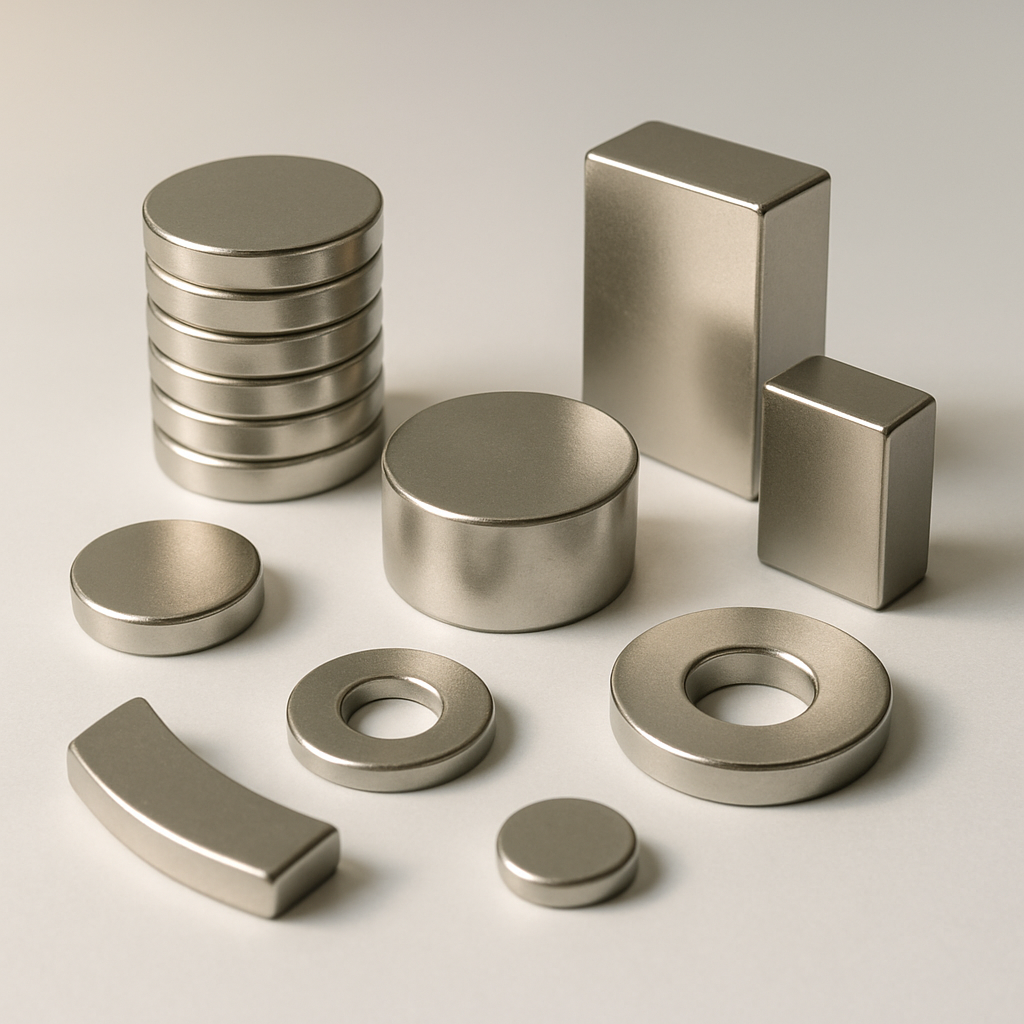
The rare earth magnet market centers on two distinct categories that dominate industrial applications. Neodymium magnets and Samarium Cobalt magnets represent the primary options available to businesses seeking permanent magnet solutions. Each type offers specific advantages that make them suitable for different operational requirements.
Understanding these magnet categories becomes essential when evaluating materials for potential recovery and recycling processes. The composition and performance characteristics of each type directly impact their end-of-life management and resource recovery potential.
Neodymium Magnets Lead in Magnetic Performance
Neodymium magnets deliver the highest magnetic energy product available in permanent magnet technology. These magnets achieve magnetic energy products ranging from 35 to 52 MGOe, making them the strongest permanent magnets commercially available. Their superior pull force strength allows engineers to design more compact systems while maintaining high performance.
The composition of neodymium magnets includes approximately 29-32% neodymium, 64-68% iron, and 1-1.2% boron. This iron content creates vulnerability to corrosion and oxidation in humid environments. Most manufacturers apply protective coatings such as nickel, zinc, or epoxy to extend service life and prevent demagnetization.
Temperature sensitivity represents the primary limitation of neodymium magnets. Standard grades lose magnetic properties when exposed to temperatures above 80°C, though specialized high-temperature grades can operate up to 200°C. This temperature constraint influences their suitability for various industrial applications.
Samarium Cobalt Magnets Excel in Harsh Environments
Samarium Cobalt magnets provide exceptional temperature stability and corrosion resistance. These magnets maintain magnetic properties in high-temperature environments up to 300°C without significant performance degradation. Their magnetic energy product typically ranges from 16 to 32 MGOe, which is lower than neodymium but sufficient for demanding applications.
The composition includes 23-28% samarium, 48-52% cobalt, plus iron, copper, and small amounts of zirconium. This material combination creates natural resistance to corrosion without requiring protective coatings. The high cobalt and samarium content contributes to their premium pricing compared to neodymium magnets.
Brittleness presents the main handling concern with Samarium Cobalt magnets. They require careful processing and installation to prevent chipping or cracking during manufacturing and assembly processes.
Standard Shapes and Custom Solutions
Both magnet types are available in standard geometric configurations including discs, blocks, and rings. These shapes serve the majority of industrial applications and benefit from established manufacturing processes that reduce lead times and costs.
Custom magnet fabrication accommodates specialized design requirements that standard shapes cannot address. Custom solutions include complex geometries, specific magnetization patterns, and integrated assemblies tailored to particular applications. The customization process typically requires longer lead times and higher minimum order quantities.
Manufacturing considerations affect material selection for both standard and custom applications. Neodymium magnets benefit from established supply chains and volume production capabilities. Samarium Cobalt magnets require specialized processing expertise and typically involve higher material costs due to cobalt pricing volatility.
Material recovery potential varies significantly between the two magnet types. Neodymium magnets contain more abundant rare earth elements, while Samarium Cobalt magnets include critical materials like cobalt that have strategic importance in recycling operations.
Which Industries Represent the Largest Markets for Rare Earth Magnets?
Electric Vehicle Sector Drives Market Expansion
The automotive industry stands as the largest market for rare earth magnets, with electric vehicles creating unprecedented demand for high-performance magnetic materials. Permanent Magnet Synchronous Motors and Axial Flux Motors, which rely on rare earth elements, accounted for over 86% of the EV motor market in 2024. Each electric vehicle motor typically contains 1-3 kilograms of rare earth magnets, primarily neodymium-iron-boron compositions enhanced with dysprosium and terbium for high-temperature performance.
The surge in EV production creates significant waste management opportunities. As these vehicles reach end-of-life in coming decades, we anticipate substantial volumes of recoverable magnetic materials. Tesla’s motor systems, BMW’s electric powertrains, and other manufacturer components will generate concentrated waste streams suitable for materials recovery operations.
EV charging infrastructure also contributes to magnet demand through power conversion systems and grid-tie equipment. These applications create additional recovery pathways as older charging stations undergo technology upgrades or replacement cycles.
Wind Energy Infrastructure Generates Large-Scale Waste Streams
Wind turbine generators represent another major market segment, utilizing massive rare earth magnets in direct-drive systems. Modern offshore wind turbines can contain several tons of neodymium-based magnetic materials per unit. The wind industry’s expansion creates both immediate demand and future waste management challenges as first-generation turbines approach their 20-25 year operational lifespan.
Turbine nacelles house the largest concentrations of recoverable magnets in renewable energy infrastructure. These components offer excellent recovery potential due to their size and accessibility during decommissioning operations. We observe increasing industry interest in establishing take-back programs for turbine components, particularly given the high value of magnetic materials.
Offshore installations present unique logistical considerations for materials recovery, but the concentrated nature of magnetic components makes these projects economically viable for specialized waste management operations.
Consumer Electronics Create High-Volume, Distributed Waste Streams
Consumer electronics generate enormous quantities of smaller magnets across diverse applications. Smartphones contain multiple rare earth magnets in speakers, vibration motors, and camera systems. Hard disk drives house precision magnets in read-write mechanisms. Electric toothbrushes, power steering systems, and automotive sensors all utilize specialized magnetic components.
The challenge in consumer electronics lies in collection and processing efficiency. Individual devices contain relatively small quantities of recoverable materials, making automated sorting and processing technologies essential for economically viable operations.
Key electronic applications include:
- Computer hard drives and solid-state storage systems
- Smartphone speakers and haptic feedback systems
- Audio equipment and headphone drivers
- Electric shavers and personal care devices
- Automotive power steering and window systems
Industrial and Specialized Applications
Industrial motors across manufacturing facilities utilize substantial quantities of rare earth magnets for energy efficiency improvements. These applications typically involve larger, more accessible components suitable for direct recovery during equipment replacement cycles. Medical imaging equipment, particularly MRI systems, contains significant quantities of specialized magnetic materials requiring careful handling during decommissioning.
Military and aerospace applications demand premium-grade magnets with specific performance characteristics. Defense contractors often implement controlled disposal procedures for security reasons, creating opportunities for certified waste management providers with appropriate clearances and handling capabilities.
Robotics and automation systems increasingly incorporate rare earth magnets in actuators, sensors, and precision positioning equipment. The growing industrial automation sector creates expanding waste streams as older systems undergo technology upgrades.
What Are the Key Supply Chain Risks When Selling Rare Earth Magnets?

China’s overwhelming control of the rare earth magnet supply chain presents the most significant risk factor for sellers worldwide. The country accounts for approximately 90% of global refined rare earth output and 92% of permanent magnet production. This extreme concentration means that any disruption in Chinese operations can immediately affect global availability and pricing.
Geopolitical tensions have already demonstrated how quickly supply chains can be disrupted. In 2025, China imposed export restrictions on critical rare earths including dysprosium, terbium, and materials used in NdFeB magnets. These restrictions required international firms to obtain licenses for any products containing Chinese rare earths, even when manufactured outside China. Ford’s Chicago factory temporarily closed for weeks due to magnet shortages, illustrating how export restrictions directly impact businesses that depend on stable supply.
Price volatility presents another major challenge for sellers planning inventory and pricing strategies. Unlike copper or aluminum, rare earths are not traded on regulated exchanges like the London Metal Exchange. Instead, they trade through over-the-counter markets that lack transparency and reliable pricing information. This absence of market regulation makes prices prone to speculation and sudden fluctuations. The 2010 rare earth crisis saw prices spike dramatically before taking two years to return to normal levels.
The domestic supply chain outside China remains extremely limited, creating additional vulnerabilities. Only two rare earth processing facilities exist outside China, located in Malaysia and Estonia. For heavy rare earths like dysprosium and terbium, which are essential for high-temperature magnet applications, China maintains a complete monopoly on separation capabilities. This means every heavy rare earth element used in permanent magnets must pass through Chinese processing facilities.
Mine to magnet supply chain development faces substantial barriers that limit alternatives to Chinese sources. Establishing full capabilities typically takes three to five years, even with increased investment. Companies like Australia’s Lynas Rare Earths are expanding operations, but the timeline for meaningful supply diversification remains lengthy. Environmental regulations, technical challenges, and the complexity of rare earth separation processes all contribute to these extended development periods.
Critical rare earths face particularly acute supply risks due to their strategic importance and limited sources. Dysprosium and terbium, essential for magnets operating in high-temperature conditions, are primarily sourced from Chinese ionic clay deposits. Myanmar provides some heavy rare earth production, but this is largely controlled by Chinese companies and subject to political instability. The concentration of these materials in politically sensitive regions amplifies supply chain vulnerabilities for sellers requiring consistent access to these elements.
How is Recycling Creating New Opportunities in the Magnet Market?
Rare earth magnet recycling represents one of the fastest-growing opportunities in materials recovery. The sector addresses critical supply chain vulnerabilities while creating new revenue streams for waste management operations. With global demand for magnetic rare earth elements expected to triple by 2035, recycling provides an essential bridge between waste streams and manufacturing needs.
Current recycling rates remain below 1% globally, indicating massive untapped potential. This low recovery rate exists despite the presence of valuable materials like neodymium, praseodymium, dysprosium, and terbium in everyday electronics and automotive components. The gap between available materials and actual recovery creates significant opportunities for operations that can develop efficient collection and processing systems.
Long-Loop vs Short-Loop Processing Methods
Recycling technologies fall into two main categories that serve different market needs. Long-loop recycling, also known as magnet-to-oxide processing, breaks down used magnets into constituent rare earth oxides. This approach requires extensive chemical separation but produces high-purity materials suitable for any application.
Short-loop recycling takes a more direct magnet-to-magnet approach. This process maintains the original magnet structure while refreshing performance characteristics. Short-loop methods prove particularly valuable for applications where slight performance variations are acceptable, such as consumer electronics or certain automotive components.
The processing time difference is substantial. Short-loop recycling typically completes in 1-2 hours, while long-loop methods require 24-48 hours due to comprehensive chemical separation requirements. This efficiency gap creates cost advantages for operations that can match recycled materials with appropriate end-use applications.
Supply Chain Transformation Opportunities
Recycling is predicted to contribute up to 10% of global rare earth magnet supply by 2036. This projection reflects both technological improvements and increasing waste stream availability as electronic devices and electric vehicles reach end-of-life status. The supply contribution creates more stable pricing dynamics by reducing dependence on primary mining operations.
The e-waste stream provides particularly valuable opportunities for material recovery. Hard disk drives, smartphones, and electric vehicle motors contain concentrated rare earth magnets that can be efficiently processed through automated extraction systems. These sources offer predictable material compositions and volumes that support large-scale recycling operations.
End-of-life magnets from wind turbines present another emerging opportunity. With turbines typically operating for 20-25 years, predictable replacement cycles create reliable material flows for recycling facilities. The large magnet sizes in wind applications reduce processing complexity compared to smaller consumer electronics components.
Circular Supply Chain Benefits
A circular supply chain approach creates multiple advantages for both suppliers and buyers of rare earth magnets. Suppliers benefit from reduced exposure to volatile primary material markets and potential supply disruptions. The geographic diversity of waste streams provides supply security that mining operations cannot match.
Environmental benefits extend throughout the supply chain. Recycling facilities typically generate 12% of the carbon emissions associated with primary rare earth production. This emissions reduction supports corporate sustainability goals while reducing regulatory compliance costs related to environmental impacts.
We see increasing collaboration between electronics manufacturers, automotive companies, and recycling operations to develop closed-loop systems. These partnerships ensure reliable material flows while supporting extended producer responsibility programs that are becoming mandatory in many jurisdictions.
Conclusion: Capitalizing on the High-Demand Magnet Market

The rare earth magnet market presents exceptional opportunities for businesses willing to navigate its complexities. Market projections show growth from $21.98 billion in 2025 to $52.54 billion by 2034, driven by electric vehicles, renewable energy, and automation trends. While supply chain challenges persist due to China’s market dominance, domestic production initiatives and advanced recycling technologies are creating more resilient supply networks. The emergence of magnet recycling presents particularly compelling opportunities, as less than 1% of rare earth elements are currently recycled despite their critical importance to modern technology.
Success in this high-demand market requires understanding both the technical aspects of different magnet types and the evolving supply landscape. Companies that position themselves strategically within recycling opportunities and domestic production networks will benefit from long-term market growth.
For specialized guidance on rare earth magnet recycling and supply chain solutions, contact Okon Recycling at 214-717-4083.
Send Us a Message
Questions about what we do? Interested in commercial services? Let us know below and a member of our team will get back to you.