5901 Botham Jean Blvd, Dallas, TX 75215
San Angelo Wind Farm Scrap: The Crisis of Decommissioned Turbine Blade Recycling
December 4, 2025Hundreds of massive wind turbine blades lie stacked like gigantic white bones across West Texas scrapyards. Near San Angelo and Sweetwater, these decommissioned components create what locals call an eyesore. The blade boneyards stretch across properties where thousands of turbine sections accumulate without clear disposal pathways.
The West Texas turbine boneyard highlights broader end-of-life issues facing wind farms across the United States. These composite materials resist conventional recycling methods due to their fiberglass and epoxy resin construction. As more wind installations reach decommissioning age, the industry confronts mounting pressure to develop effective waste management solutions for components designed to withstand decades of harsh weather conditions.
Why Are so Many Turbine Blades Being Discarded in this Area?
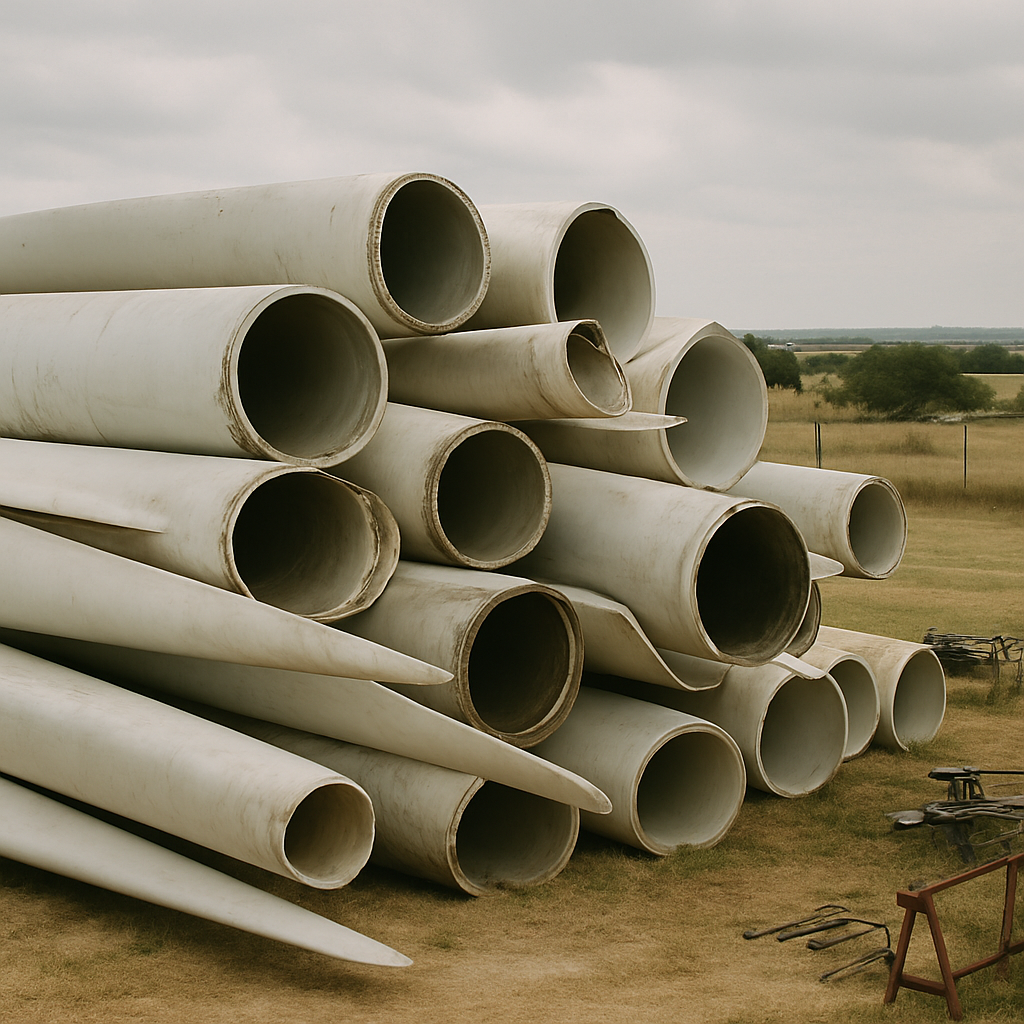
The massive accumulation of wind turbine blades in Sweetwater traces back to a failed recycling partnership that left thousands of decommissioned components stranded. General Electric and other major manufacturers contracted with Global Fiberglass Solutions (GFS) to handle their end-of-life blade disposal. Instead of proper recycling, residents found themselves dealing with an industrial scrap crisis.
GFS promised to transform the fiberglass blades into useful products like railroad ties and flooring panels. The Washington State company established operations in Sweetwater in 2017, using a former aluminum recycling facility. However, according to court documents filed by General Electric, GFS collected $16.9 million for recycling approximately 5,000 turbine blades but failed to deliver on its commitments.
The recycling failure created a cascade of problems for decommissioning operations across the region. GFS allegedly shut down its processing activities after taking payment from multiple manufacturers. This left behind what officials describe as giant piles of industrial scrap covering more than 30 acres in Sweetwater alone.
Contributing factors beyond the GFS collapse have amplified the blade disposal challenge. Many wind farms installed in the early 2000s are reaching their expected 20-25 year operational lifespan. Additionally, a 2016 IRS rule clarification incentivized wind farm operators to replace functioning blades early to restart valuable federal tax credits through “repowering” projects.
The combination of natural end-of-life cycles and premature replacements created an unprecedented volume of decommissioned blades. Without proper end-of-life management systems in place, these composite materials became stranded assets. The situation in Sweetwater represents a cautionary example of what happens when recycling partnerships fail during critical decommissioning periods.
What Makes Wind Turbine Blades so Difficult to Recycle?
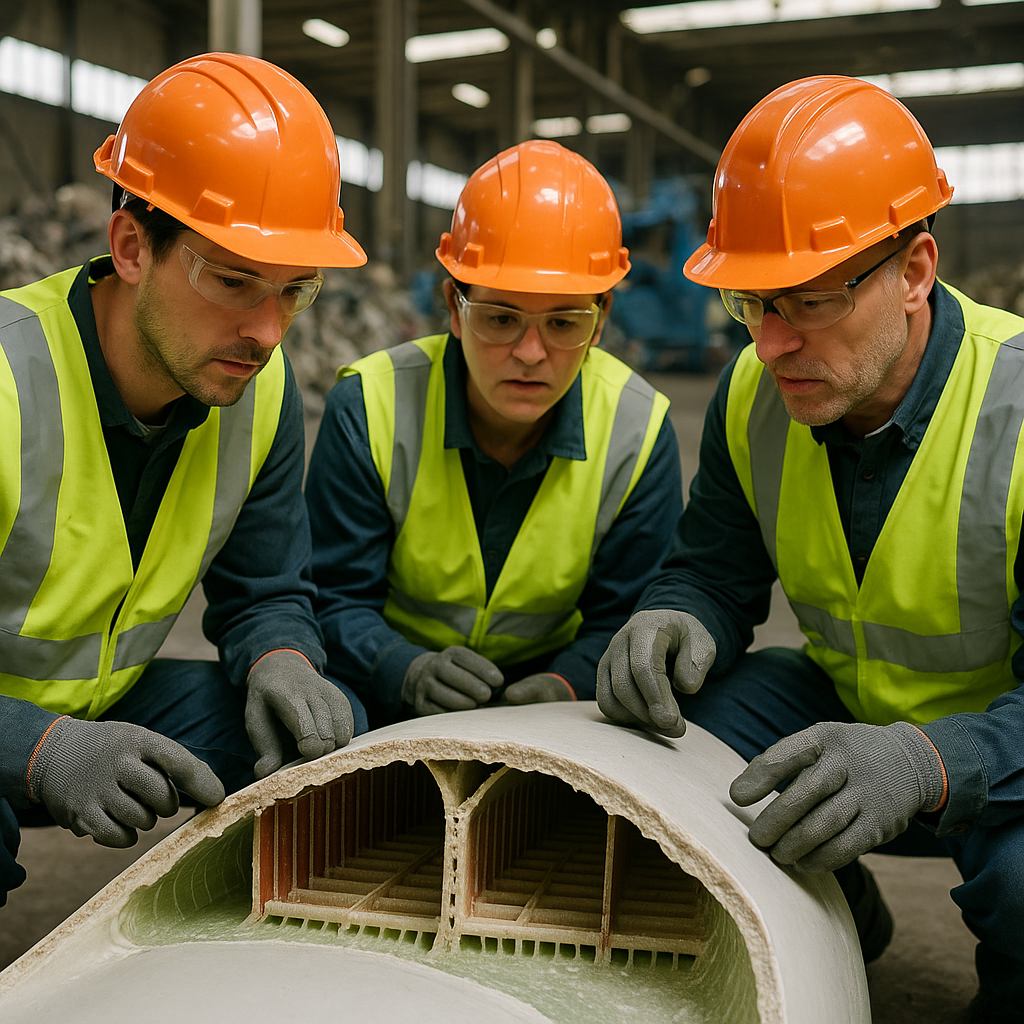
While up to 94% of a wind turbine’s mass, including steel and aluminum parts, is recyclable, the blades present a major challenge. They are made from complex composite materials like fiberglass or carbon fibers encased in durable polymer resin. These materials are designed to be extremely tough and weather-resistant, which makes them very difficult to break down and separate for recycling.
Think of wind turbine blades like a high-tech sandwich that’s been permanently glued together. The outer layers consist of strong fibers, typically fiberglass or carbon fiber, while the middle filling is made of thermoset polymers like epoxy resin. Once these components cure together during manufacturing, they form an incredibly strong bond that’s meant to last decades in harsh weather conditions. Unlike a regular sandwich you can pull apart, this composite structure creates chemical crosslinks that make separation nearly impossible without specialized processes.
The fundamental difference between blade materials and other turbine components lies in their molecular structure. Steel towers and aluminum components can be melted down and reformed with relative ease using established recycling infrastructure. Fiber-reinforced polymer composites used in blades require energy-intensive and sophisticated processes to break down the thermoset matrix and recover the embedded fibers.
The matrix of different composite materials creates additional complexity for recycling facilities. Fiberglass blades contain glass fibers bound in epoxy resins, while newer carbon fiber blades use even more expensive materials. These thermoset polymers cannot be remelted or reshaped like thermoplastics. The curing process creates permanent chemical bonds that resist conventional recycling methods, forcing the industry to develop specialized techniques like pyrolysis, solvolysis, or mechanical grinding.
Current mechanical recycling processes can only shred blades into smaller pieces for use as filler materials in concrete or other applications. This approach doesn’t truly recover the valuable fiber materials and results in significant downcycling. More advanced chemical recycling methods can separate fibers from resins, but these processes require high temperatures, specialized equipment, and careful handling of potentially hazardous chemicals, making them economically challenging at commercial scale.
The physical size and transportation requirements add another layer of complexity to blade recycling. Modern blades often exceed 50 meters in length and weigh several tons each. Their dimensions require specialized cutting equipment and transportation logistics that increase processing costs. Unlike smaller composite parts from other industries, wind turbine blades present unique handling challenges that recycling facilities must address when developing processing capabilities.
What Are the Local Impacts and Legislative Responses in Texas?
Abandoned wind turbine blade sites create serious local hazards that extend beyond visual pollution. These blade boneyards become breeding grounds for rattlesnakes and vermin, posing direct threats to nearby communities and landowners. The massive fiberglass structures also present safety risks from deteriorating materials and unstable stacking arrangements.
Local residents face property value declines and environmental concerns when recycling facilities fail to meet their obligations. The notorious Sweetwater case exemplifies this problem, where General Electric paid millions for blade recycling services, only to have the facility shut down without processing the materials. This left approximately 5,000 wind turbine blades piled on private land, creating ongoing liability for property owners.
Texas legislators responded to these community impacts by passing HB 3228, which establishes comprehensive recycling mandates for renewable energy facilities. This legislation requires renewable energy companies to collect, reuse, recycle, or ship for recycling all components that are practicably capable of being processed. The law specifically includes wind turbine blades and solar photovoltaic modules in its recycling requirements.
The bill also mandates proper disposal of non-recyclable components through authorized facilities. Hazardous materials must go to facilities licensed for hazardous waste disposal, while non-hazardous components require disposal at appropriate municipal solid waste facilities. These requirements cannot be waived in lease agreements, ensuring landowner protection.
HB 3229 addresses the financial accountability gap that allowed the Sweetwater situation to occur. This companion legislation establishes reporting and financial assurance requirements for recycling facilities that handle renewable energy components. Facilities must submit annual reports to the Texas Commission on Environmental Quality detailing their inventory of unrecycled materials and disposal timelines.
The financial assurance provisions require facilities to maintain bonds, letters of credit, or corporate guarantees equal to 100% of projected recycling costs. Independent Texas-licensed engineers must provide cost estimates, with updates required every five years. Facilities that fail to comply face administrative penalties up to $500 per day per violation, creating strong enforcement mechanisms.
These legislative responses represent a significant shift toward corporate accountability in waste management. The laws ensure that renewable energy companies cannot abandon their disposal obligations, protecting Texas communities from bearing the environmental and financial costs of failed recycling operations. State regulations now require comprehensive decommissioning plans with financial backing, preventing future blade boneyard situations.
Conclusion: The End-of-Life Challenge for Green Energy
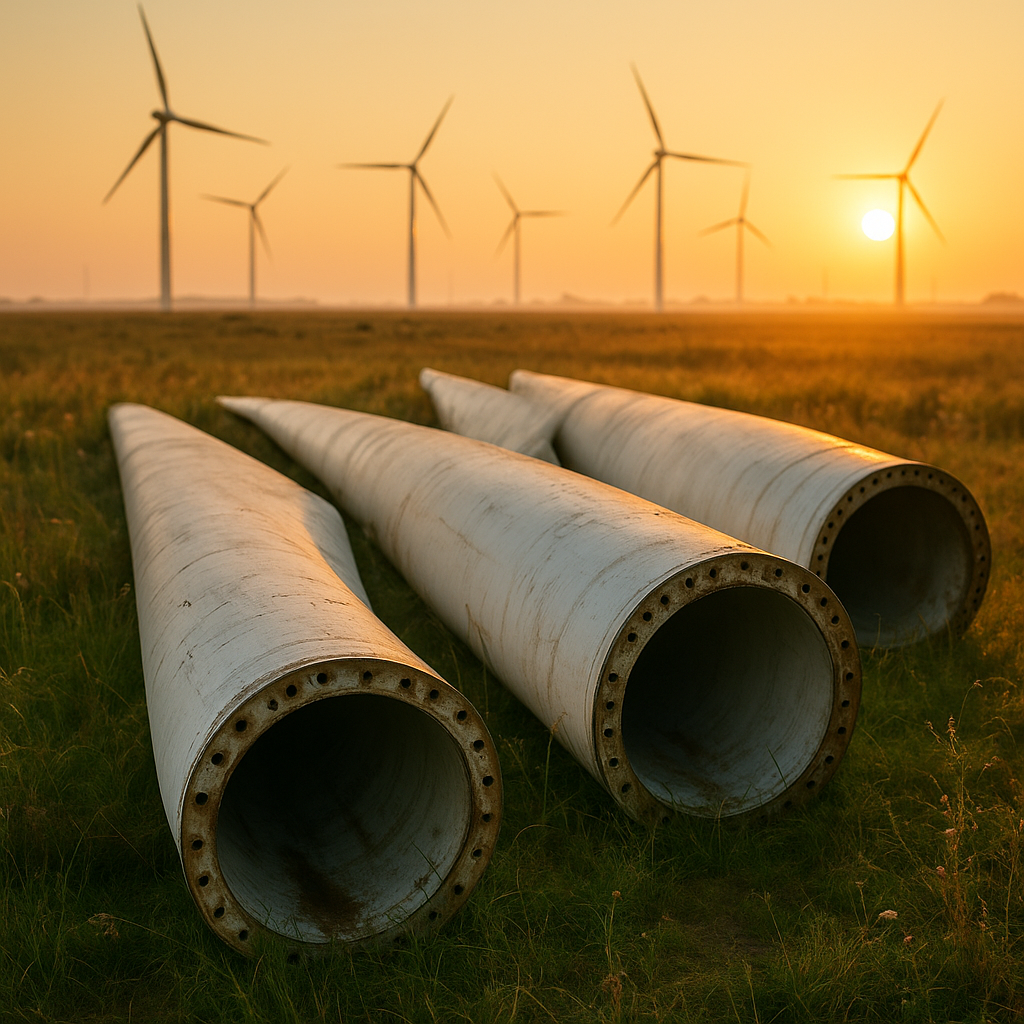
The fields of scrap turbine blades near San Angelo highlight a critical gap in the lifecycle of wind energy. While wind power provides significant environmental benefits during operation, the disposal of its massive, durable components poses a serious challenge. Current recycling solutions like pyrolysis, solvolysis, and cement co-processing show promise, but face scalability and cost barriers that limit widespread adoption. The wind industry’s push toward circular design and recyclable blade materials represents progress, yet the projected 43 million tons of global blade waste by 2050 demands immediate action from both policymakers and waste management professionals.
Moving forward, effective recycling solutions and robust renewable energy policy are essential to ensure the entire sustainable lifecycle of wind energy remains truly sustainable. Industrial waste management providers must collaborate with manufacturers to develop comprehensive end-of-life disposal strategies that address transportation challenges and create viable markets for recovered materials.
For organizations seeking expert guidance on managing renewable energy waste streams and developing circular design approaches for their operations, contact Okon Recycling at 214-717-4083.
Send Us a Message
Questions about what we do? Interested in commercial services? Let us know below and a member of our team will get back to you.