5901 Botham Jean Blvd, Dallas, TX 75215

What Is the Role of Scrap Lifting Magnets in Disposal and Recycling?
December 7, 2025Picture a bustling scrapyard where massive piles of twisted metal await processing. Above the chaos, a powerful electromagnet effortlessly lifts entire car frames, steel beams, and heavy machinery parts. This is the daily reality of scrap lifting magnets in industrial operations.
Scrap lifting magnets are essential tools for modern disposal and recycling operations. They provide the power needed to efficiently lift, sort, and relocate large amounts of ferrous scrap metal. These powerful electromagnets attach to cranes or excavators to streamline material flow across scrapyards, demolition sites, and recycling facilities.
The magnetic separation process works through a simple yet effective principle. Ferrous materials containing iron are naturally attracted to the electromagnetic field. This attraction allows operators to quickly separate valuable steel, cast iron, and other ferrous metals from mixed waste streams. The result is faster processing times, improved material handling, and enhanced safety for workers managing heavy scrap metal loads.
Which industries depend on scrap lifting magnets for waste disposal?
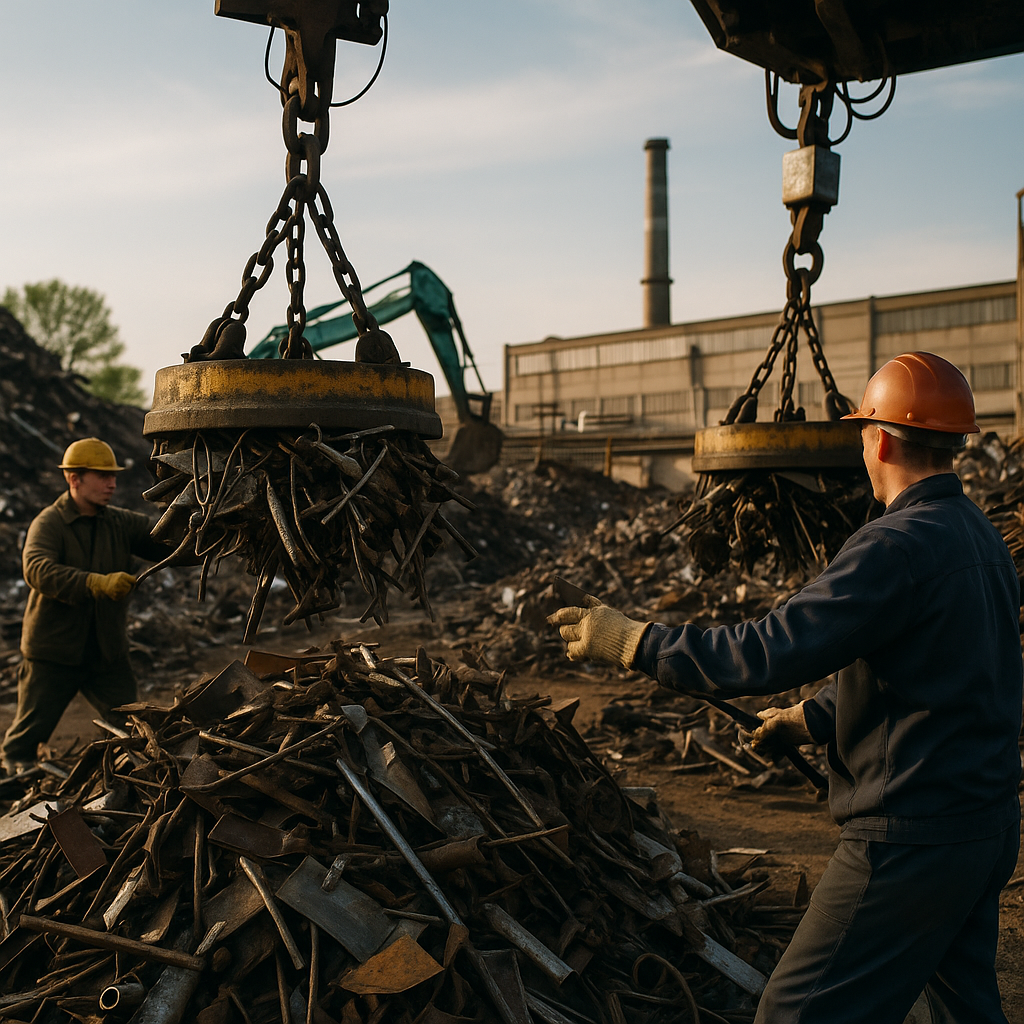
Scrap lifting magnets serve as essential equipment across multiple industries that handle large volumes of ferrous materials and mixed debris. These powerful magnetic systems streamline waste processing operations while recovering valuable metals from various waste streams. The following industries represent the primary sectors that depend on magnetic separation technology for effective material recovery.
Scrapyards and Metal Recycling Facilities
Scrapyards form the backbone of the metal recycling industry, processing thousands of tons of ferrous materials daily. These facilities use overhead magnetic separators and deep draw drum magnets to sort steel and iron from mixed metal streams. The magnetic systems handle irregular shapes and varying sizes of scrap metal that would otherwise require extensive manual sorting.
Material recovery facilities also depend on magnetic separation to process commingled recyclables. Self-cleaning overhead magnets equipped with rubber belt systems automatically discharge captured ferrous metals. This automation reduces labor costs and increases throughput capacity for recycling operations.
Construction and Demolition Industry
The demolition industry generates substantial volumes of mixed debris containing valuable structural steel and reinforcement materials. Severe duty magnetic separators withstand harsh conditions while extracting rebar, steel beams, and other ferrous components from concrete rubble. These systems feature reinforced construction designed specifically for processing construction and demolition waste.
Construction sites use portable magnetic separators to recover steel materials from job site cleanup operations. The recovered metals reduce disposal costs while providing additional revenue streams from the sale of separated ferrous materials. Magnetic separation technology has become crucial for efficient material handling in demanding construction environments.
Steel Mills and Foundries
Steel production facilities require consistent supplies of high-quality scrap metal to maintain efficient operations. Foundries and steel mills use heavy-duty magnetic systems to handle raw scrap materials before processing. These operations demand reliable separation equipment that can process large volumes of ferrous materials continuously.
The steel industry benefits from magnetic separation by removing contaminants and sorting different grades of ferrous materials. This preliminary processing ensures furnace efficiency and maintains product quality standards. Magnetic lifting systems also assist with loading and unloading operations at these industrial facilities.
Automotive Recycling Industry
End-of-life vehicles contain significant quantities of ferrous metals that require efficient recovery systems. Automotive recycling facilities use magnetic separators to extract steel components from shredded vehicle materials. The separation process recovers valuable metals while preparing non-ferrous materials for additional processing steps.
Vehicle dismantling operations depend on magnetic systems to separate ferrous materials from automotive fluff and non-metallic components. This separation creates clean metal streams suitable for steel production while reducing the volume of material requiring disposal. The automotive recycling sector processes millions of vehicles annually, making efficient magnetic separation essential for profitable operations.
Electronics and Appliance Recycling
Electronic waste recycling facilities handle complex material streams containing both ferrous and non-ferrous metals. Magnetic separators extract steel components from dismantled electronics while preparing materials for downstream processing. These operations require precise separation to maintain the purity of recovered metal fractions.
Appliance recycling operations use magnetic systems to recover steel from refrigerators, washing machines, and other household equipment. The separated ferrous materials provide valuable raw materials for steel production while supporting circular economy initiatives. Magnetic separation technology enables efficient processing of diverse electronic waste streams.
How Do Scrap Magnets Improve Operational Efficiency and safety?
Streamlined Material Processing and Increased Throughput
Scrap magnets dramatically accelerate material handling operations by automating the lifting, sorting, and relocation of ferrous metals. Traditional manual sorting methods are time-consuming and labor-intensive, often creating bottlenecks in processing workflows. Magnetic lifting systems enable operators to swiftly and precisely handle large volumes of scrap metal, reducing overall processing time and significantly increasing operational throughput.
The continuous operation capability of modern scrap magnets eliminates the downtime typically associated with manual cleaning and sorting procedures. This uninterrupted material flow translates directly into higher processing capacity, allowing facilities to handle greater volumes of scrap metal within the same operational timeframe. Processing speed improvements can reach substantial levels, particularly in high-volume operations where every minute of efficiency gain compounds throughout the entire workday.
Automation and Labor Cost Reduction
The automation provided by scrap magnets fundamentally transforms workforce allocation and operational costs. Manual sorting and removal of metal contaminants requires significant manpower and creates substantial labor expenses. Magnetic separation systems eliminate much of this manual intervention, allowing businesses to reallocate human resources to more value-added tasks that require skilled oversight rather than physical labor.
This reduction in manual labor requirements creates immediate cost savings while improving overall operational efficiency. Workers can focus on equipment monitoring, quality control, and process optimization rather than the physically demanding task of manually handling heavy scrap materials. The labor cost reduction typically represents one of the most measurable returns on investment for facilities implementing magnetic lifting technologies.
Enhanced Workplace Safety Standards
Safety improvements represent perhaps the most critical benefit of implementing scrap magnet systems. Manual handling of heavy and potentially hazardous scrap materials poses significant injury risks to workers. Sharp metal objects, irregular shapes, and substantial weight create numerous opportunities for workplace accidents and injuries.
Magnetic lifting systems enable operators to control material movement from safe distances, eliminating direct contact with dangerous scrap materials. This remote operation capability reduces the risk of cuts, bruises, and more serious injuries associated with traditional manual handling methods. The improved safety environment not only protects workers but also reduces insurance costs and potential liability issues for the operation.
The separation of workers from hazardous materials creates a fundamentally safer working environment. Facilities implementing hydraulic scrap magnets report significant reductions in workplace incidents and improved overall safety metrics across their operations.
Material Quality and Revenue Enhancement
Scrap magnets improve the purity of sorted materials, creating higher-grade scrap that commands better market prices. The precise separation capabilities of magnetic systems ensure that ferrous materials are effectively isolated from non-ferrous contaminants, resulting in cleaner, more valuable end products. This higher material purity directly translates into increased revenue streams and improved profit margins.
The ability to produce consistently high-grade scrap materials also opens access to premium buyers and specialized markets that demand superior material quality. These enhanced revenue opportunities often justify the initial equipment investment through improved pricing and expanded customer relationships. The combination of cost savings from reduced labor and increased revenue from higher-quality materials creates a compelling return on investment for most scrap handling operations.
What are the Essential Safety and Maintenance Practices for Scrap Lifting magnets?
Daily Inspection Checklist
We prioritize daily inspections to prevent equipment failure and ensure worker safety. Before each shift, operators must examine the magnet face and load surface for foreign materials that could compromise magnetic efficiency. Surface contamination from oil, rust, or debris significantly reduces lifting capacity.
The lifting chain requires careful inspection for wear patterns, stretched links, or damaged pins. Worn chains can fail catastrophically under load, creating serious safety hazards. Chain replacement becomes necessary when any portion shows 25% wear or more.
Electrical connections at the terminal box need visual inspection for loose fittings, frayed cables, or signs of overheating. Damaged electrical components can lead to power failures during critical lifting operations. The cable reel should move freely without binding, and brush connections must remain secure.
Periodic Maintenance Requirements
Weekly maintenance involves testing coil insulation resistance using a 500-volt minimum ground megger. New magnets typically show ground resistance readings of 10 megohms or higher at room temperature. Lower readings indicate moisture infiltration or insulation breakdown.
Monthly inspections focus on bolt tightness throughout the magnet assembly. Loose center pole bolts can allow pole shoes to separate from the magnet core, reducing lift capacity and creating dangerous conditions. All retaining bolts require periodic torque verification to manufacturer specifications.
Quarterly maintenance includes comprehensive electrical testing and component replacement as needed. We measure coil resistance to detect inter-turn faults that develop during operation. The electrical terminal box requires compound replacement if moisture or carbon buildup becomes evident.
Safe Operating Procedures
Safe Working Load limits must never be exceeded during scrap handling operations. Each magnet carries specific capacity ratings based on material thickness, surface condition, and air gap between magnet and load. Operators should consult load tables before attempting lifts with unfamiliar materials.
Good surface contact remains essential for safe lifting performance. Air gaps as small as a few millimeters can dramatically reduce magnetic holding force. We ensure both magnet faces and load surfaces stay clean and smooth to maximize contact area.
OSHA guidelines require comprehensive safety protocols during magnetic lifting operations. According to HSE guidance on magnetic lifting devices, all personnel must stay clear of lifting zones during operations. Exclusion areas prevent injuries from falling materials if magnetic attachment fails.
Operator Training Requirements
We provide extensive training covering magnetic lifting equipment hazards and proper operating procedures. Training programs address load configuration factors that can cause equipment failure. Operators learn to recognize dangerous conditions before they result in accidents.
Personal protective equipment (PPE) requirements include hard hats, safety glasses, and steel-toed boots during magnet operations. Workers with pacemakers or other active medical implants must maintain safe distances from electromagnetic fields. The magnetic field strength around lifting magnets can interfere with medical devices.
Emergency response procedures prepare operators for power failures, equipment malfunctions, or load release situations. Battery backup systems provide 10-20 minutes of holding power during electrical interruptions. Operators must know proper load lowering techniques when backup power activates.
Equipment Isolation and Maintenance Safety
All maintenance work requires complete power isolation using lockout/tagout procedures. We disconnect all electrical sources and tag equipment “Out of Service” before beginning repairs. Fluid pressure must be relieved from hydraulic systems before loosening connections.
Only qualified maintenance personnel should perform electrical work on magnet systems. Replacement parts must meet or exceed original manufacturer specifications. After maintenance completion, equipment undergoes thorough inspection before returning to service.
Documentation requirements include maintaining dated records of all repairs and replacements. Regular inspection logs help identify recurring problems and plan preventive maintenance schedules. These records also demonstrate regulatory compliance during safety audits.
What are the Different Types of Scrap Magnets and their Uses?
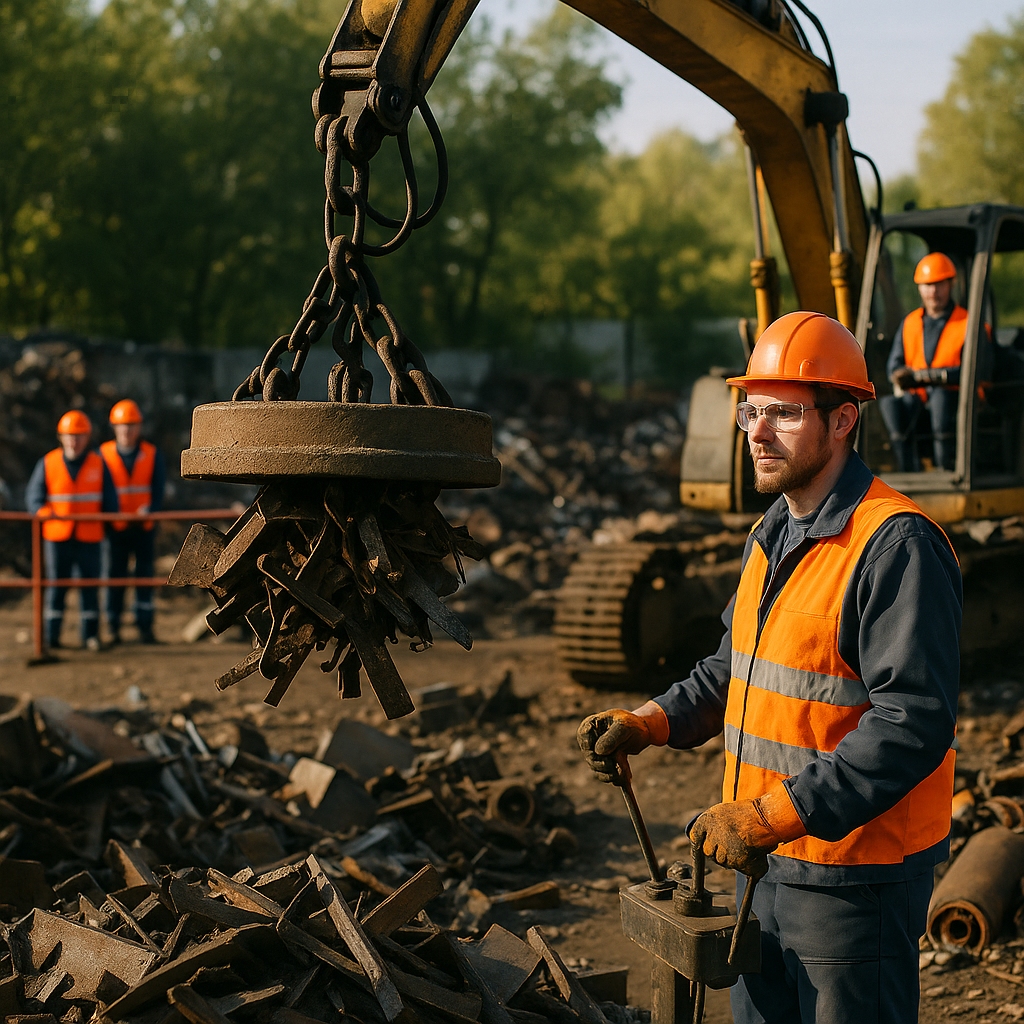
Scrap magnets come in several distinct configurations, each engineered for specific operational requirements in recycling facilities. The choice between different magnet types depends on factors like space constraints, material characteristics, and processing volume. Understanding these variations helps facilities optimize their metal recovery operations.
Circular Scrap Magnets
Circular electromagnets represent the industry standard for high-volume scrap handling operations. The ScrapMaster D Series and similar circular designs generate powerful magnetic fields across their entire diameter. These magnets typically range from 30 to 100 inches in diameter, allowing selection based on crane lifting capacity and material volume requirements.
Steel mills and foundries commonly rely on circular magnets for their robust construction and consistent performance. The circular design distributes magnetic force evenly, making these magnets effective for lifting mixed scrap materials of varying shapes and sizes. Their heavy-duty fabricated steel case withstands the demanding conditions of continuous industrial use.
Scrapyards benefit from circular magnets because they can handle everything from loose metal debris to large structural components. The broad magnetic field coverage allows operators to collect more material in a single pass, improving productivity. These magnets work particularly well in open areas where space constraints are minimal.
Rectangular Scrap Magnets
Rectangular magnets solve the challenges of working in confined spaces where circular designs would be ineffective. Their elongated shape allows them to fit into narrow areas between buildings, under low overhead structures, or within tight processing equipment arrangements.
These magnets feature multiple bumper perimeter plates for protection and durability. The manganese steel bottom plate provides exceptional wear resistance against abrasive scrap materials. With a 75% duty cycle capability, rectangular magnets can operate continuously with minimal downtime for cooling.
Construction and demolition sites often prefer rectangular magnets for their ability to extract rebar and structural steel from tight spaces. The focused magnetic field pattern makes them efficient for separating specific types of ferrous materials from mixed debris.
Conveyor-Based Magnetic Separation Equipment
Beyond lifting applications, recycling facilities employ various magnetic separators integrated into conveyor systems for automated material sorting. These systems process continuous material streams without manual intervention.
Magnetic pulleys replace standard conveyor head pulleys to automatically separate ferrous materials from mixed waste streams. As materials pass over the pulley, ferrous metals remain attached longer due to magnetic attraction, creating a separate discharge path. This technology works effectively for processing shredded materials and smaller metal pieces.
Drum separators rotate continuously to capture ferrous materials from moving conveyor belts. The magnetic drum attracts metal particles, carrying them around the drum’s circumference until reaching a discharge point away from the magnetic field. These separators excel at removing fine ferrous contaminants from recycled materials.
Suspended magnetic separators hang above conveyor belts to remove ferrous materials from overhead. These systems can process tons of material per hour while maintaining high separation efficiency. The suspended design allows easy installation over existing conveyor systems.
Each magnet type serves specific roles in comprehensive recycling operations. Facilities often combine multiple magnet types to maximize material recovery across different processing stages. The integration of lifting magnets with conveyor-based separators creates efficient workflows that minimize manual handling while maximizing ferrous metal recovery rates.
Conclusion: Maximizing Profitability with Proper Magnet Use
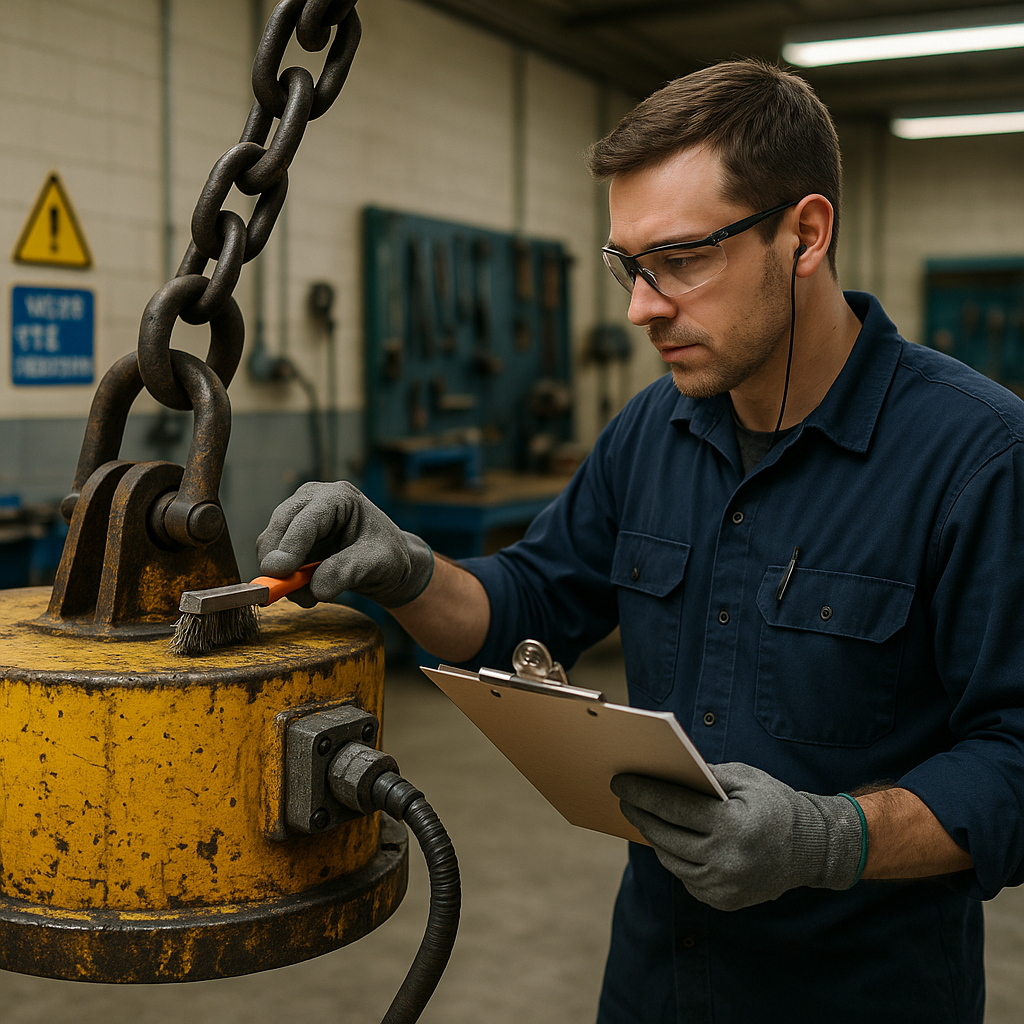
Scrap lifting magnets represent a cornerstone investment for modern industrial operations seeking to maximize return on investment through efficient materials handling. Proper equipment selection, combined with rigorous preventative maintenance protocols, creates the foundation for sustainable profitability in scrap disposal and recycling operations. The operational efficiency gains from these powerful electromagnets extend beyond simple material movement. They drive measurable improvements in throughput, safety performance, and equipment longevity.
Companies that prioritize comprehensive maintenance schedules and professional repair services position themselves for long-term success in an increasingly competitive market. The future of profitable recycling operations depends on strategic equipment investments and disciplined maintenance practices.
For expert guidance on scrap magnet recycling tailored to your facility’s needs, contact Okon Recycling at 214-717-4083.
Send Us a Message
Questions about what we do? Interested in commercial services? Let us know below and a member of our team will get back to you.