5901 Botham Jean Blvd, Dallas, TX 75215

Magnetic Drum Separator: A Guide to Ferrous Metal Recovery and Equipment Protection
December 7, 2025The global push for sustainable waste management has created an urgent need for efficient recycling technologies. As recycling facilities process millions of tons of mixed waste annually, the challenge of separating valuable materials from complex waste streams continues to grow.
Advanced separation technologies have become essential tools in meeting environmental goals while maximizing resource recovery.
How Do Magnetic Drum Separators Work?
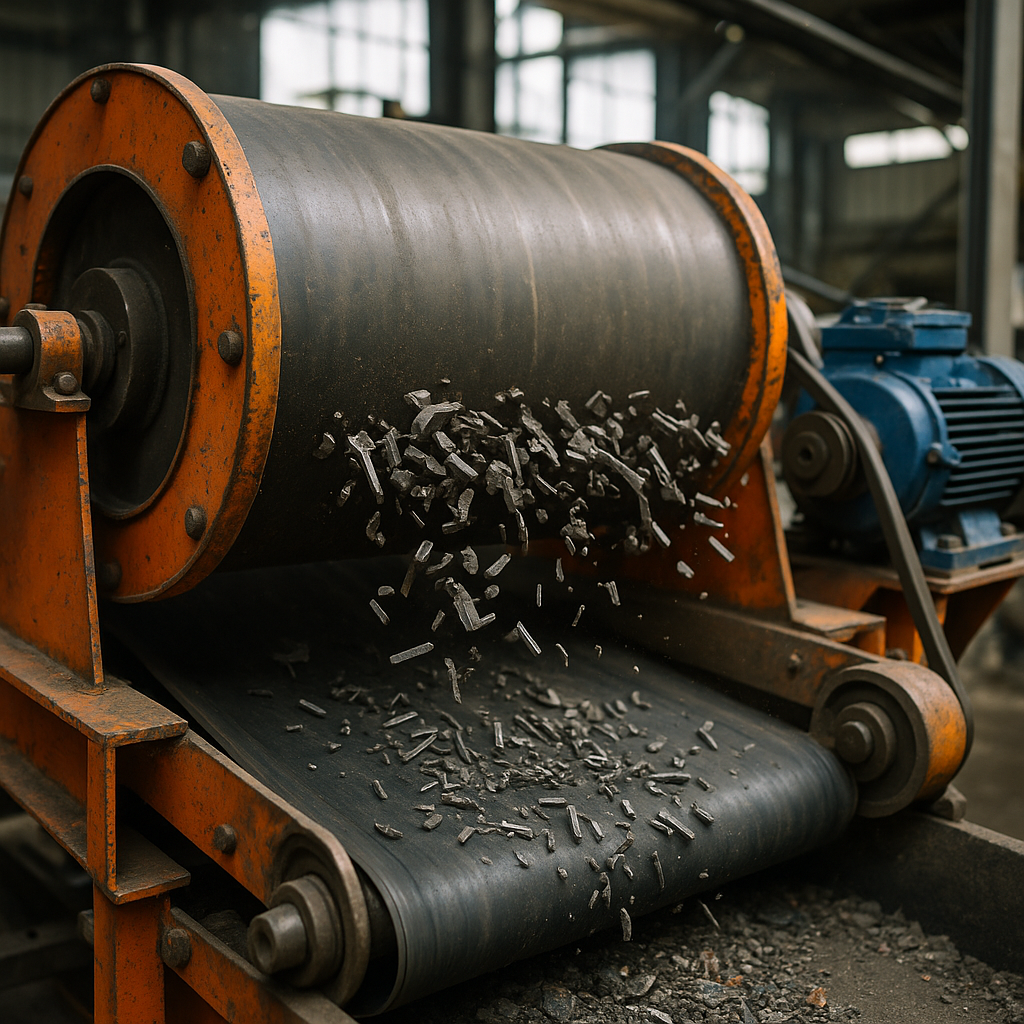
Magnetic drum separators operate through a straightforward yet highly effective mechanism. The core component consists of a rotating cylindrical drum shell made from non-magnetic stainless steel or manganese. Inside this rotating shell sits a stationary magnetic assembly that creates a powerful magnetic field.
The separation process begins when mixed recyclable materials enter the system through a conveyor belt or vibratory feeder. As the material stream flows over the rotating drum surface, the magnetic field immediately attracts ferrous scrap and other magnetic particles. These materials become captured against the drum’s outer surface and remain held there by the magnetic force.
Non-ferrous materials like aluminum, plastic, glass, and paper are unaffected by the magnetic field. These materials continue along their normal trajectory and fall away from the drum into a separate collection area. This creates an immediate physical separation between magnetic and non-magnetic components.
The Continuous Separation Cycle
The rotating drum carries captured ferrous materials around its circumference. As the drum continues its rotation, the trapped metals eventually move past the magnetic field’s effective range. Once outside this magnetic zone, gravity takes over and the ferrous scrap drops into a dedicated collection bin.
This continuous rotation creates an automatic cleaning action. The drum never stops separating materials, making it ideal for high-volume recycling operations. The entire process requires no manual intervention once materials enter the system.
Magnetic Field Configuration
Most recycling facilities use permanent magnet drum separators rather than electromagnetic versions. Permanent magnets provide consistent magnetic field strength without requiring electrical power. The magnetic core typically covers 180 degrees of the drum’s circumference, creating an optimal capture zone for metal extraction.
The stationary magnetic assembly can be adjusted to different positions within the housing. This flexibility allows operators to fine-tune separation efficiency based on the specific material stream being processed. Advanced drum designs incorporate rare earth magnets for enhanced separation power in challenging applications.
Different drum configurations serve specific recycling needs. Single-stage drums handle basic separation tasks, while multi-stage systems provide superior material purity for demanding applications. The drum diameter and width can be customized based on processing volume requirements and available floor space.
In Which Industries are Magnetic Separators Used for Recycling?
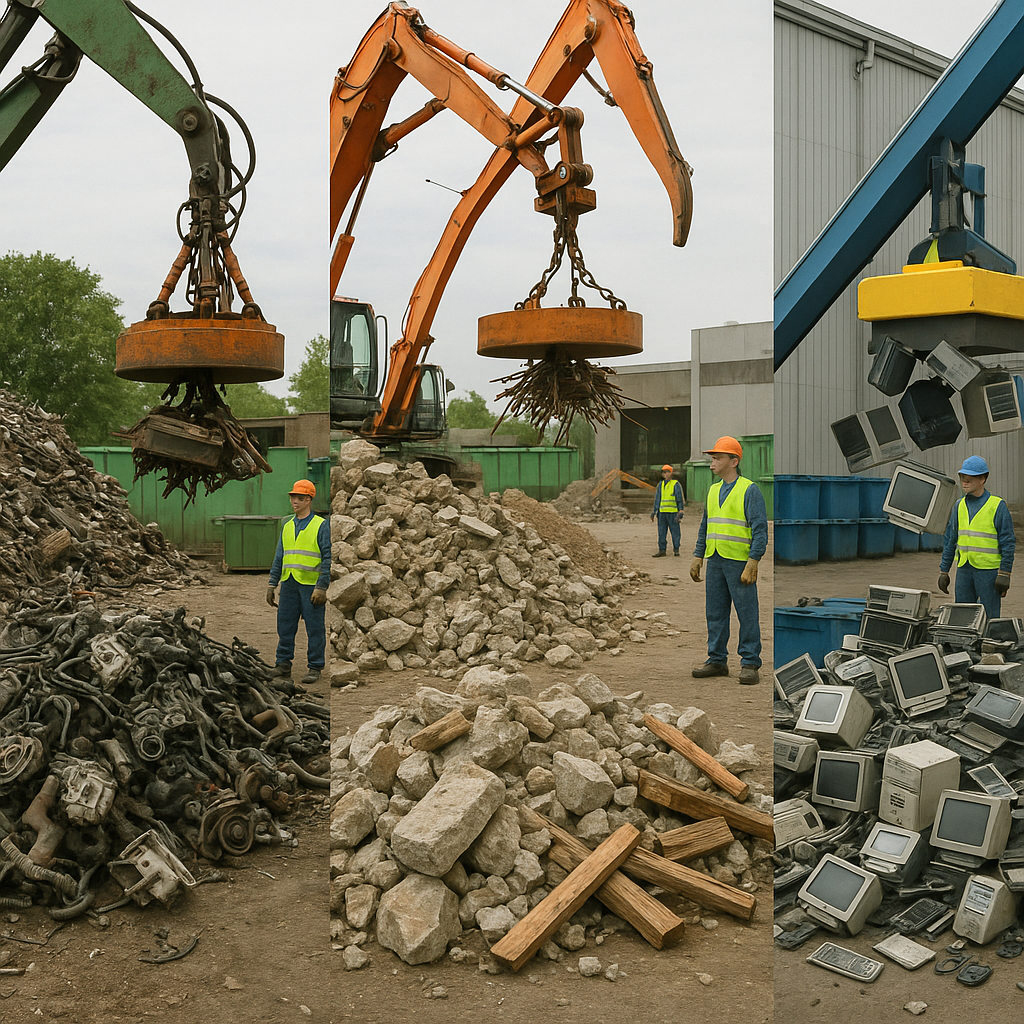
Magnetic separators serve crucial roles across multiple recycling sectors, each with distinct material recovery challenges and operational requirements. These powerful devices enable facilities to extract ferrous materials efficiently while maintaining the integrity of non-magnetic recyclables.
Metal recycling represents the most straightforward application of magnetic separation technology. Facilities processing scrap metal rely on drum separators and overhead magnets to recover iron and steel from mixed waste streams. This separation process ensures high-purity ferrous material recovery, which commands better market prices and reduces contamination in downstream processing equipment.
Electronics recycling has emerged as a critical sector for magnetic separation applications. E-waste processing facilities use these systems to extract valuable ferrous materials and rare-earth metals from discarded devices. The separation process helps recover steel components from computer cases, motors from hard drives, and magnetic elements from speakers and other electronic components.
Construction and demolition recycling operations depend heavily on magnetic separators to process building debris effectively. These facilities must separate steel rebar, nails, and structural components from concrete, wood, and other construction debris. Powerful magnetic systems can extract ferrous contaminants even when they are embedded within or mixed with non-magnetic materials.
Automotive recycling facilities utilize magnetic separation to recover valuable metals from end-of-life vehicles. These operations process everything from engine blocks to body panels, separating ferrous materials for steel production while ensuring that valuable non-ferrous metals like aluminum and copper remain uncontaminated. The separation process must handle large, irregularly shaped materials while maintaining high recovery rates.
Plastic recycling operations integrate magnetic separators to remove ferrous contaminants that would otherwise compromise product quality. Even small metal fragments can damage processing equipment or create defects in recycled plastic products. According to industry experts, removing these contaminants ensures that recycled plastics meet quality standards required for manufacturing applications.
Municipal solid waste processing facilities represent another significant application area. These operations handle mixed residential and commercial waste streams, requiring robust magnetic separation systems capable of extracting ferrous materials from diverse waste types. The separation process helps maximize metal recovery while reducing wear on downstream sorting equipment.
What are the Key Benefits of Using Magnetic Drum Separators in Recycling Plants?
Operational Efficiency and Automation
Magnetic drum separators dramatically transform recycling operations by automating the ferrous metal removal process. These systems operate continuously without requiring human intervention, automatically extracting iron and steel contaminants from waste streams as materials flow through the facility. This automation eliminates the bottlenecks associated with manual sorting while maintaining consistent separation quality throughout extended operating periods.
The continuous operation capability means recycling plants can process higher volumes of material without interruption. Unlike manual sorting methods that require breaks and shift changes, magnetic separators work around the clock. This increased throughput directly translates to higher processing capacity and improved facility utilization rates.
Superior Material Purity and Market Value
The precision of magnetic drum separators produces exceptionally clean recycled materials that command premium prices in the marketplace. By effectively removing ferrous contaminants, these systems ensure that recovered plastics, paper, and non-ferrous metals meet strict quality specifications required by end-market buyers. Clean materials fetch 10-15% higher selling prices compared to contaminated recyclables.
This enhanced purity opens access to more demanding markets that require stringent quality standards. Facilities using advanced magnetic separation typically experience significantly reduced rejection rates from buyers. The resulting materials are suitable for high-grade applications where contamination could compromise product integrity or manufacturing processes.
Cost-Effectiveness and Reduced Operational Expenses
Implementing magnetic drum separators delivers substantial cost savings across multiple operational areas. These systems reduce manual labor requirements by automating what was previously time-intensive hand-sorting work. The labor cost reduction alone often justifies the equipment investment within the first operational year.
Equipment protection represents another significant cost benefit. Magnetic separators remove abrasive metal objects that would otherwise cause excessive wear on downstream processing equipment like shredders, screens, and conveyors. Facilities typically report 30-40% lower maintenance expenses after installing comprehensive magnetic separation systems. The extended operational life of protected equipment reduces capital replacement costs and unplanned downtime.
Environmental Sustainability and Resource Conservation
Magnetic drum separators advance environmental sustainability by dramatically improving metal recovery rates from waste streams. Advanced facilities implementing these systems typically achieve 15-25% increases in ferrous metal recovery compared to facilities relying solely on manual methods. This enhanced recovery rate means fewer valuable resources end up in landfills.
The environmental impact extends beyond waste diversion. Recovering metals through recycling requires 60-95% less energy than producing new metals from virgin ore. Every ton of steel recovered through magnetic separation saves approximately 1,400 pounds of coal and 2,500 pounds of iron ore that would otherwise be needed for primary production.
These systems also reduce landfill volume and associated disposal costs while supporting sustainable practices throughout the waste management chain. The continuous metal recovery process creates closed-loop resource management that aligns with circular economy principles and regulatory requirements for waste reduction.
Conclusion: Driving Sustainability and Efficiency in Recycling

Magnetic drum separators are a fundamental component of the modern recycling process, driving improvements in both environmental sustainability and operational efficiency. By effectively separating ferrous metals from diverse waste streams, these machines are essential for recovering valuable resources and producing high-quality recycled materials. As industries continue to embrace sustainable practices, the role of magnetic separation technology will only grow in importance for creating a circular economy.
The future of waste management depends on advanced separation technologies that maximize resource recovery while minimizing environmental impact. Magnetic drum separators will play an increasingly vital role in building a sustainable future where valuable metals are efficiently recovered rather than lost to landfills. For recycling operations seeking to enhance their sustainability and efficiency, contact Okon Recycling at 214-717-4083 to explore how magnetic separation technology can transform your waste management processes.
Send Us a Message
Questions about what we do? Interested in commercial services? Let us know below and a member of our team will get back to you.