5901 Botham Jean Blvd, Dallas, TX 75215

Downhole Fishing Magnet Recycle: Maximizing Operational Uptime and Tool Lifecycles
December 7, 2025Equipment failure during drilling operations can cost operators tens of thousands of dollars per hour in downtime. When drill bit cones, bearings, mill cuttings, or metal debris accumulate in wellbores, specialized downhole fishing magnets become critical for maintaining operational efficiency and protecting expensive bottom-hole assembly components.
Downhole fishing magnets are powerful magnetic tools designed to retrieve ferrous metal debris from wellbores through magnetic attraction. These tools integrate into the drilling string as part of the bottom-hole assembly, continuously capturing metal chips, cuttings, and fragments that would otherwise cause equipment damage or operational delays. From initial deployment in wellbore cleanup operations to eventual material recovery through downhole fishing magnet recycling, these tools follow a defined lifecycle that impacts both operational costs and environmental sustainability.
Understanding this complete lifecycle enables drilling operations to maximize tool performance, reduce maintenance expenses, and implement sustainable end-of-life practices. Proper lifecycle management of oilfield fishing tools not only prevents costly equipment failures but also supports circular economy principles through responsible material recovery and recycling of high-value magnetic components.
What Are the Main Types of Downhole Magnets?
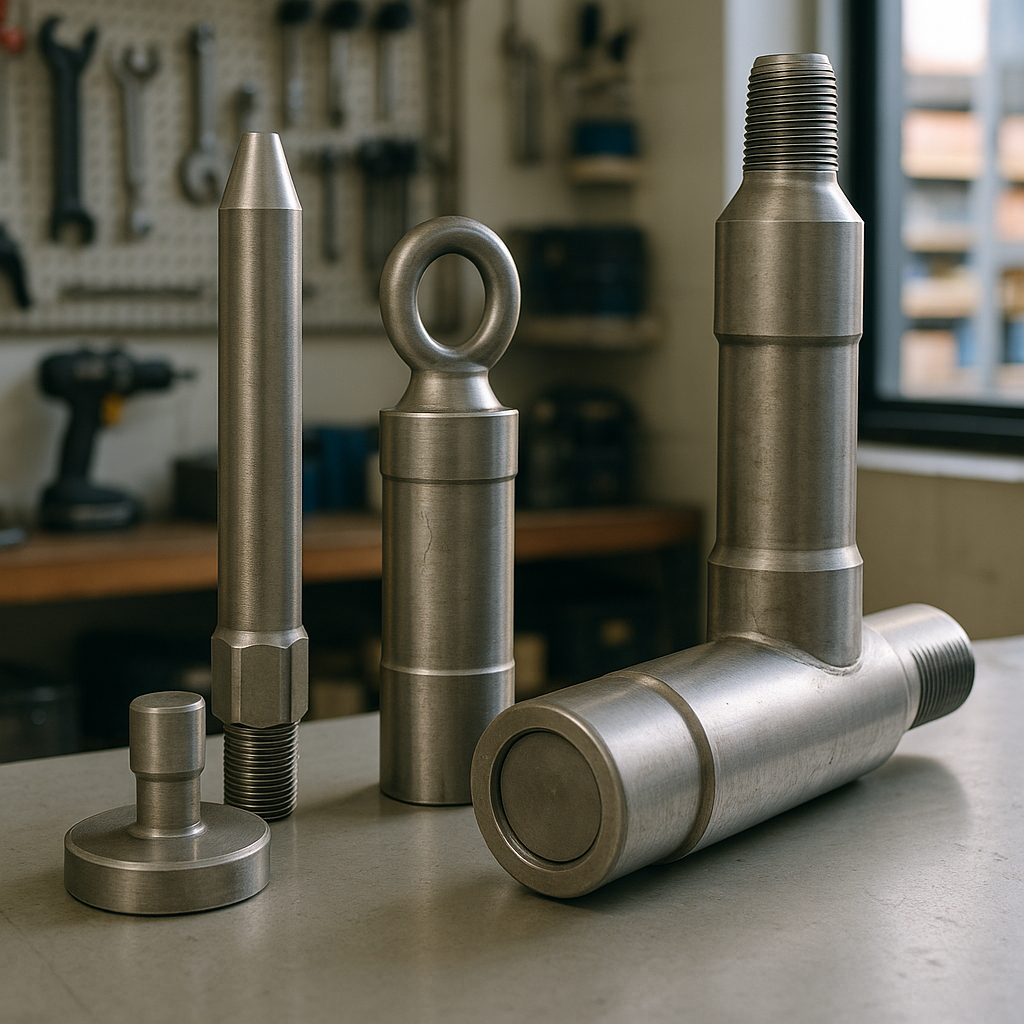
Downhole magnets serve different operational needs in wellbore cleanup and materials recovery. Each type offers specific advantages for retrieving ferrous debris and maintaining clean drilling environments. The three primary categories include permanent magnets, downhole or inline magnets, and electromagnets.
Permanent Magnets
Permanent magnets represent the most commonly deployed fishing magnets in wellbore operations. These tools feature circulating ports around the outer edge that wash away fill and debris to expose the target object. The circulation system allows operators to detect when contact occurs with the fish through rotation.
The magnetic core sits within a brass sleeve that contains the magnetic field and prevents drag against the casing walls. This design ensures the tool moves smoothly through the wellbore while maintaining maximum magnetic attraction. Permanent magnets typically include various guide options such as cut-lip guides, mill-tooth guides, and flush guides to accommodate different retrieval scenarios.
Operators benefit from continuous magnetic force without requiring external power sources. The circulation capability proves essential for exposing buried debris and confirming successful contact with metallic objects. These magnets work effectively in routine cleanup operations where consistent magnetic attraction supports efficient materials recovery.
Downhole and Inline Magnets
Downhole or inline magnets integrate directly into the bottom-hole assembly during drilling operations. These tools resemble drill pipe pup joints with box-by-pin connections that fit seamlessly into the drill string. Strong permanent magnets positioned between the connections attract metal chips from wellbore fluid as it circulates past.
The inline design allows continuous debris collection during drilling activities. These magnets remove ferrous metal particles from drilling fluid before they can settle or cause equipment damage. They prove particularly effective in horizontal wellbores and areas with low annular velocity where conventional circulation struggles to carry debris to the surface.
Installation higher in the drill string prevents excessive weight on the magnetic assembly during milling operations. For perforating gun debris recovery, operators position these magnets below the perforating guns to capture falling metal fragments immediately. This strategic placement maximizes collection efficiency while protecting downstream equipment.
Electromagnets
Electromagnets operate on conductor lines and activate only when reaching the target location. This design enables quick trips in and out of the wellbore without continuous magnetic attraction during transit. The electrical activation provides powerful lifting force when energized at the bottom of the hole.
The electromagnetic system offers precise control over magnetic attraction timing. Operators can deactivate the magnet during retrieval to prevent accidental pickup of unwanted materials during the trip out. This selective operation proves valuable in complex wellbore environments where multiple metallic objects exist.
However, electromagnets cannot circulate drilling fluid like permanent magnets. This limitation restricts their effectiveness when debris sits buried under fill or cuttings. The tools work best in clean wellbore conditions where direct contact with the target object can occur immediately.
Each magnet type serves specific roles in wellbore cleanup and materials recovery. Permanent magnets excel in general fishing operations where circulation capability matters. Inline magnets provide continuous cleanup during drilling activities. Electromagnets offer powerful, controlled attraction for challenging retrieval situations where precise timing proves essential.
How Can You Extend the Life of a Fishing Magnet Through Maintenance?

Proper maintenance serves as the foundation for extending the operational lifespan of downhole fishing magnets. Regular care practices transform these specialized tools from single-use equipment into long-term assets that deliver consistent performance across multiple operations. The maintenance approach directly impacts both the magnetic strength and structural integrity of these critical components.
A systematic maintenance routine prevents the accumulation of contaminants that can compromise magnetic effectiveness. When drilling mud, salt deposits, and metallic particles build up around circulation ports and the pole plate, they create barriers that reduce the tool’s ability to attract and secure target debris. This contamination also accelerates wear on internal components, shortening the overall service life of the magnetic element.
Essential Post-Operation Cleaning Steps
Immediate post-operation care forms the cornerstone of effective magnet maintenance. The cleaning process should begin within hours of retrieving the tool from the wellbore to prevent contaminants from hardening or chemically bonding to metal surfaces.
- Rinse the entire fishing magnet assembly thoroughly with fresh water, ensuring complete removal of drilling mud and salt residues
- Circulate clean fresh water through the tool from the pin connection until all internal passages run clear
- Inspect each circulation port in the pole plate for trapped metal particles or debris buildup
- Remove any metallic debris from circulation ports using a screwdriver tip or similar probe tool
- Allow the tool to dry completely before applying protective coatings to external surfaces
- Clean and paint or grease the body and housing while avoiding any coating application on the pole plate
- Apply high-grade thread compound to tool joint pins and guide threads before storage
The circulation ports require particular attention during the cleaning process. These openings maintain the magnetic field’s effectiveness by keeping the pole plate free from interference. Metal particles trapped in these ports can create magnetic short circuits that reduce the tool’s pulling capacity and potentially damage the magnetic element during operation.
Magnetic Element Recharging and Assessment
The magnetic element represents the heart of any fishing magnet system. Over extended use periods, these permanent magnets may experience strength degradation due to exposure to extreme temperatures, mechanical shock, or improper handling. Regular assessment using a commercial gauss meter helps determine when recharging becomes necessary.
Professional recharging restores magnetic strength to optimal levels, with properly charged magnets reading approximately 2,500 gauss or higher. The recharging process requires specialized equipment called a magnet charger, which uses pulsed high-peak direct current to restore the magnetic field. Most manufacturers can recharge magnetic elements multiple times without performance degradation.
Tools showing extensive mechanical wear or structural damage require professional evaluation. Manufacturers possess the specialized equipment needed for complete demagnetization, disassembly, component replacement, and reassembly under controlled conditions. This comprehensive restoration process ensures that rebuilt tools meet original performance specifications.
Critical Storage Precautions
Proper storage practices prevent unintentional magnetic field weakening that can occur through improper tool positioning. The most critical storage rule involves never placing the bottom surfaces of two magnetic tools against each other, especially when one tool has a larger diameter than the other. This configuration causes the smaller tool to transfer magnetic energy to the larger unit, resulting in permanent strength reduction.
Storage areas should remain free from electrical motors and other magnetic interference sources that can gradually weaken the magnetic elements. Using protective keepers during long-term storage helps maintain magnetic field integrity while reducing the attraction of miscellaneous metal objects that could interfere with the tool’s magnetic field distribution.
Downhole Fishing Magnet Recycling: End-of-Life Management
The final phase in the lifecycle of a downhole fishing magnet is responsible recycling, which is driven by both high material value and adherence to circular economy principles in the oilfield. The primary value lies in the rare earth magnets (Neodymium or Samarium Cobalt) and the high-grade, non-ferrous components (like the brass sleeve) used in the tool’s construction.
The Recycling Process and Value Recovery
-
Demagnetization for Safety: Before recycling or disassembly, the permanent magnetic element must be demagnetized. This step eliminates the serious safety hazards associated with handling strong magnets, protecting recycling personnel and equipment. Specialized high-powered thermal or electrical demagnetization processes are required.
-
Disassembly and Segregation: The tool is carefully disassembled. The housing and guides (often made of steel or alloy) are separated from the non-ferrous inner components. The brass sleeve (used to contain the field) is isolated as a high-value, non-ferrous metal scrap.
-
Rare Earth Element (REE) Recovery: The permanent magnet core itself is processed. Rare earth magnet recycling aims to recover critical elements like neodymium and dysprosium using advanced metallurgical techniques. These recovered REEs are then converted into oxide feedstock for manufacturing new high-performance magnets.
-
Steel and Alloy Recovery: The remaining steel and iron components are processed through conventional ferrous scrap pathways. By separating and recycling these materials, operators minimize landfill waste and complete the tool’s lifecycle according to sustainable practices.
Prioritizing downhole fishing magnet recycling transforms a potential waste stream into a source of valuable, strategically important materials, aligning oilfield operations with the growing global circular economy model.
Conclusion: Prioritizing Reuse and Repair in Magnet Lifecycle Management

Effective management of downhole fishing magnets represents a critical intersection of operational excellence and environmental responsibility. The industry’s emphasis on maintenance, cleaning, recharging, and professional repair demonstrates a commitment to extending tool lifecycles that goes beyond simple cost reduction. These practices ensure wellbore integrity while maximizing equipment reliability, creating a sustainable approach that reduces waste generation and minimizes the need for frequent replacements.
By adopting rigorous maintenance schedules and prioritizing reuse over disposal, operators can achieve significant cost savings while supporting broader sustainability goals. The focus on repair and refurbishment aligns with circular economy principles, where materials retain their value through multiple operational cycles. For comprehensive support in managing your end-of-life downhole equipment and exploring sustainable disposal options, contact Okon Recycling at 214-717-4083.
Send Us a Message
Questions about what we do? Interested in commercial services? Let us know below and a member of our team will get back to you.