5901 Botham Jean Blvd, Dallas, TX 75215
How Are Magnetic Separators Transforming Recycling in Texas?
December 7, 2025Texas processes more recyclable materials than any other state, and magnetic separators have become the backbone of this massive operation. These powerful devices use electromagnetic fields to automatically extract ferrous metals like iron, steel, and tin from mixed waste streams with remarkable precision. The technology can recover over 90% of ferrous materials from complex waste mixtures, making it indispensable for modern recycling facilities.
The process works on a fundamental scientific principle. Ferrous metals contain iron, which responds to magnetic fields by being drawn toward the magnet source. When mixed recyclables pass through or near these magnetic separators, steel cans, iron components, and other ferrous materials are pulled away from non-ferrous materials like aluminum, copper, and brass. This automated separation happens continuously without human intervention, processing tons of material per hour.
Texas leads the nation in magnetic separator adoption, supported by its robust industrial manufacturing base and extensive petrochemical operations. Companies like Dallas-based Okon Recycling utilize advanced magnetic separation technology to enhance metal recovery rates and improve material purity. The Houston-Gulf Coast region, with its concentration of refineries and chemical plants, relies heavily on these systems for industrial waste management and metal extraction from complex waste streams.
What Types of Magnetic Separators are used in Recycling?
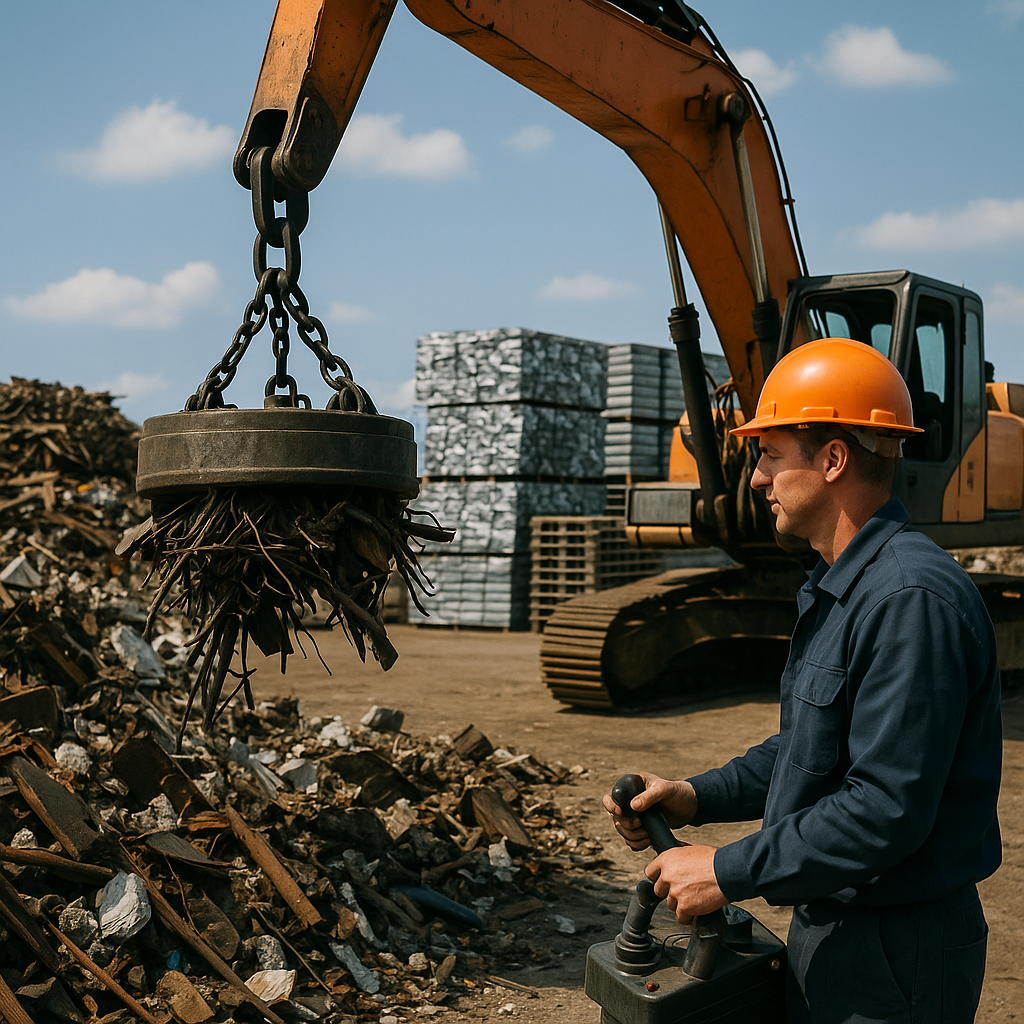
A worker skillfully uses a magnetic crane to sort metal from waste piles, showcasing efficient organization of materials in the background.
Overhead Magnetic Separators
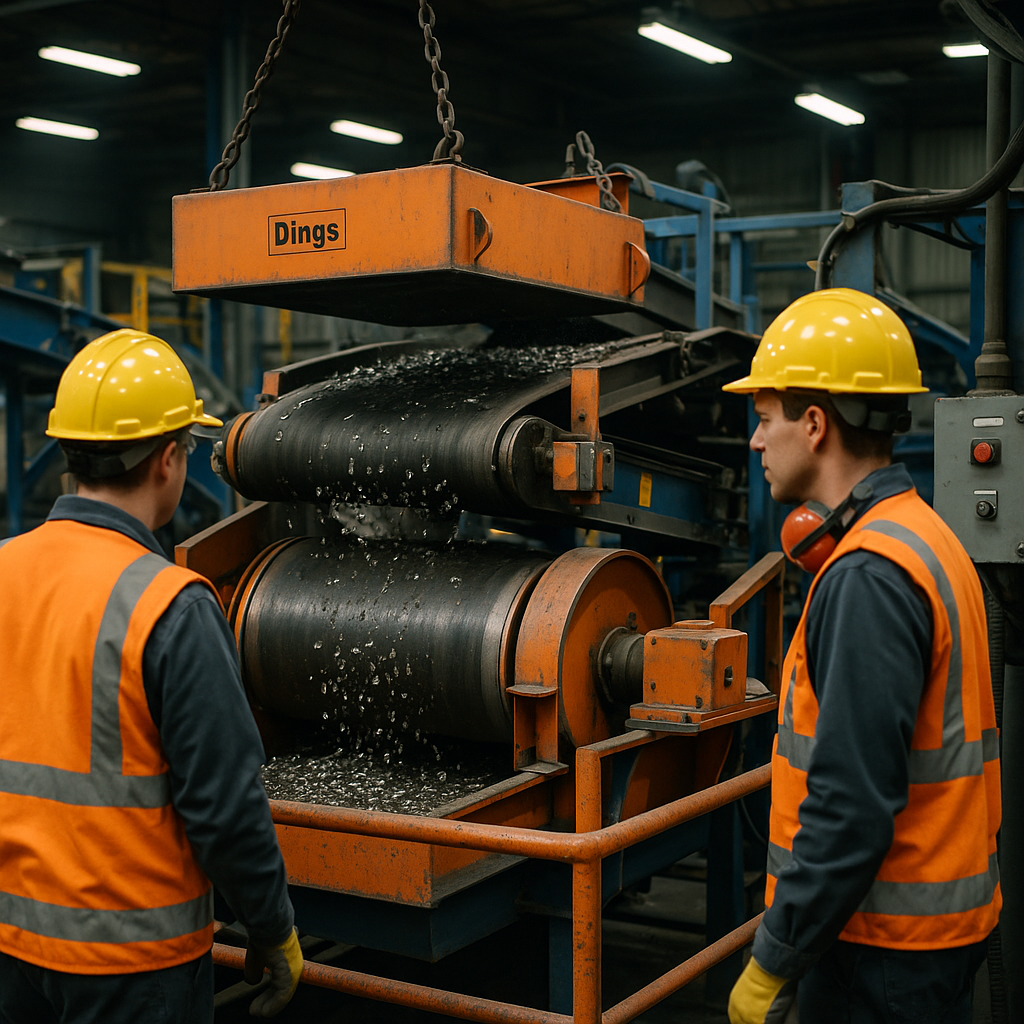
Overhead magnets hang above conveyor belts in recycling facilities. They automatically pull ferrous metals upward from waste streams as materials pass underneath. The magnetic field attracts steel cans, iron scraps, and other ferrous materials, lifting them away from the belt surface.
These separators work continuously without stopping the material flow. Once ferrous metals reach a designated discharge point, they fall into separate collection bins. Overhead magnets handle large volumes efficiently, making them ideal for municipal waste processing facilities.
Drum Magnetic Separators
Drum magnets feature rotating cylinders with internal permanent magnets. Mixed waste materials pass over the rotating drum surface. Ferrous metals stick to the drum exterior while non-magnetic materials fall away naturally.
The rotation carries magnetic materials around the drum to a discharge area. This design provides excellent separation efficiency for smaller metal particles that overhead magnets might miss. Drum separators excel at processing shredded materials and electronic waste components.
Magnetic Pulleys
Magnetic pulleys replace standard head pulleys on conveyor systems. They contain powerful permanent magnets inside non-magnetic shells. As conveyor belts pass over these pulleys, ferrous materials experience extended contact with the magnetic field.
This extended contact creates a different trajectory for magnetic materials compared to non-magnetic items. Ferrous metals follow the pulley curvature longer before falling into separate collection areas. This simple replacement upgrade significantly improves metal recovery rates in existing conveyor systems.
Eddy Current Separators
Eddy current separators handle non-ferrous metals like aluminum and copper. These devices generate rapidly changing magnetic fields that induce electrical currents in conductive non-ferrous materials. The induced currents create repulsive forces that push these metals away from other materials.
Research shows that eddy current technology effectively separates aluminum from mixed waste streams. This repulsive action creates distinct material trajectories, allowing facilities to recover valuable non-ferrous metals that traditional magnetic separators cannot capture.
Permanent Magnet Types
Recycling facilities use several permanent magnet types depending on their specific needs. Ceramic magnets offer cost-effectiveness for basic separation tasks. They resist corrosion well and handle temperatures up to 300°C, making them suitable for continuous operation.
Rare earth magnets provide exceptional separation power. Neodymium magnets generate magnetic fields between 1.0-1.4 teslas, capturing even small ferrous particles. Samarium cobalt magnets withstand higher temperatures and resist corrosion better than neodymium options.
Alnico magnets excel in high-temperature environments, functioning effectively up to 540°C. Their magnetic stability makes them valuable for specialized recycling applications where heat resistance is crucial.
Electromagnetic Separators
Electromagnets create controllable magnetic fields using electrical current. Operators can switch the magnetism on for material separation and off for discharge. This control flexibility helps with material handling in complex sorting systems.
The adjustable magnetic strength allows facilities to calibrate separation force for different material types. Electromagnets work well in applications requiring precise control over the separation process. However, they consume electricity continuously during operation, unlike permanent magnet systems.
What Are the Main Benefits of Using Magnets in Recycling operations?
Magnetic separation technology delivers measurable improvements across multiple operational areas. Processing efficiency increases dramatically through automated sorting systems that handle tons of material per hour without manual intervention. Labor costs drop by up to 30% as automated magnetic systems replace time-intensive manual sorting processes.
Material purity represents another significant advantage. Advanced magnetic separators achieve over 95% ferrous metal removal rates from mixed waste streams. This high separation efficiency directly translates to increased value for recycled materials, as buyers pay premium prices for clean, contamination-free products.
Equipment Protection and Maintenance Reduction
Tramp metal removal protects expensive downstream equipment from costly damage. Shredders, grinders, and conveyor systems face constant threats from stray metal pieces that can cause catastrophic equipment failure. Magnetic separation acts as a protective barrier, capturing harmful metal debris before it reaches sensitive processing machinery.
Maintenance savings become substantial when magnetic systems prevent equipment damage. Facilities typically report 30-40% lower maintenance expenses after implementing comprehensive magnetic separation. Reduced downtime means continuous production flow and higher overall throughput rates.
Operational Efficiency Gains
Automation through magnetic separation streamlines entire recycling workflows. Modern magnetic separators integrate seamlessly with existing conveyor systems and processing lines. This integration eliminates bottlenecks and maintains consistent material flow throughout the facility.
Resource recovery improves as valuable ferrous metals are captured rather than lost to landfill disposal. The recovered metals create additional revenue streams while reducing raw material extraction needs. Energy consumption decreases as automated systems require less power than labor-intensive manual sorting operations.
What Materials are Processed Using Magnetic Separators?
Magnetic separators handle a diverse range of materials across multiple recycling streams. These systems excel at extracting ferrous metals from mixed waste streams, making them essential for various processing applications. The versatility of magnetic separation technology allows facilities to process everything from construction debris to electronic waste efficiently.
Construction and demolition materials represent one of the largest application areas for magnetic separation. Aggregate recycling operations use magnetic separators to remove tramp metal from crushed stone, sand, and gravel. This process ensures clean aggregates for concrete production and road construction projects.
Concrete recycling facilities rely heavily on magnetic separation for rebar separation from crushed concrete. When concrete structures are demolished and processed, the embedded steel reinforcement bars must be extracted to produce clean recycled concrete aggregate. Magnetic separators efficiently capture these ferrous contaminants, improving the quality of the final recycled product.
Municipal Solid Waste Processing
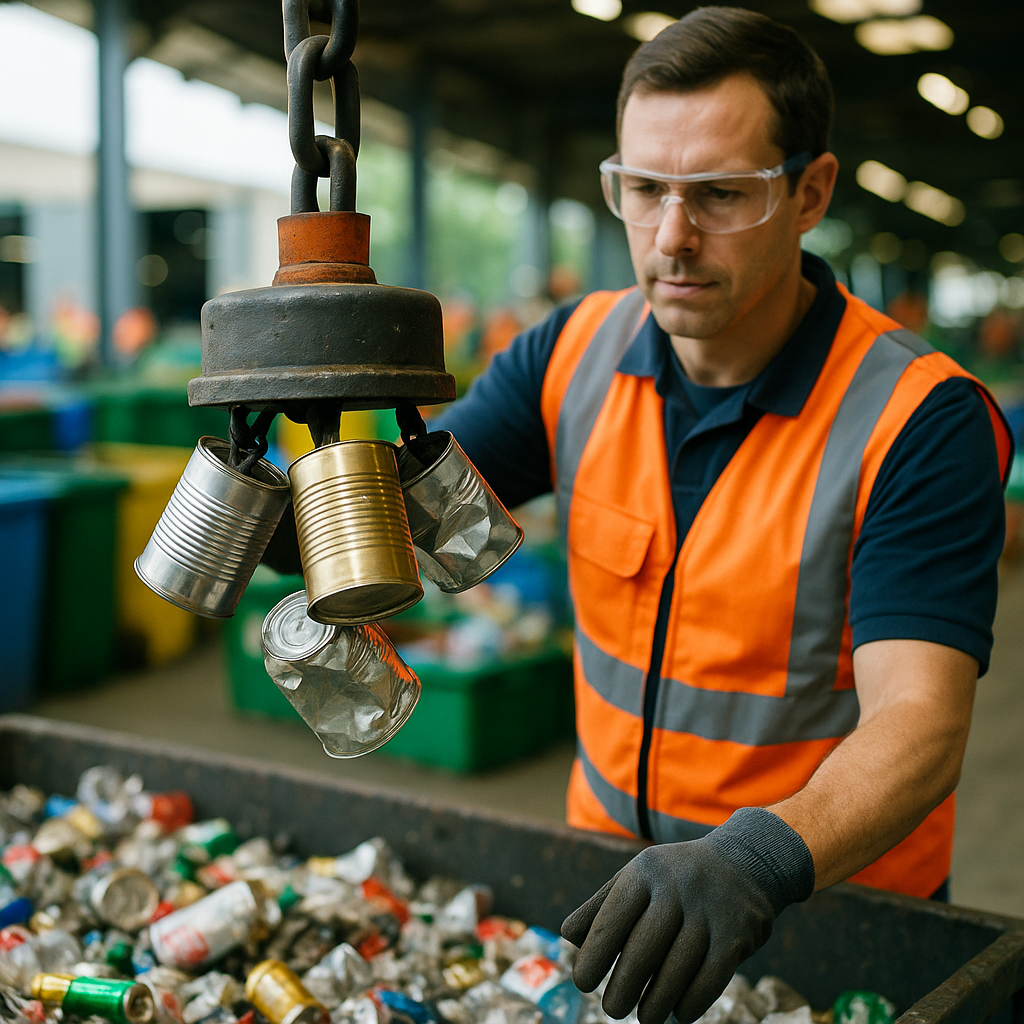
Municipal solid waste operations depend on magnetic separators as a first-line sorting technology. These systems remove ferrous metals like food cans, bottle caps, and other steel items from mixed household waste. The separation process occurs before materials move to specialized recovery systems for plastics, paper, and organics.
The technology proves particularly effective in processing commingled recyclables where ferrous metals are mixed with other materials. Overhead magnets and drum separators extract steel and iron items while allowing non-magnetic materials to continue through the sorting process.
Electronic Waste and Specialty Applications
E-scrap recovery operations use magnetic separators to extract valuable ferrous metals from electronic devices. Shredded computers, televisions, and other electronics contain steel components that magnetic systems can efficiently recover. This separation step is crucial before materials move to specialized recovery processes for rare earth elements and precious metals.
Auto shredding facilities process end-of-life vehicles using powerful magnetic separators to recover steel and iron components. After vehicles are shredded into small fragments, magnetic systems separate the ferrous metals from non-ferrous materials like aluminum, copper, and plastics. This separation is essential for maximizing metal recovery rates from automotive scrap.
Specialized Material Processing
Wood processing operations use magnetic separators to remove staples and nails from shredded wood pallets. These metal contaminants can damage downstream processing equipment and contaminate wood fiber products. Magnetic separation ensures clean wood waste suitable for biomass fuel or composite manufacturing.
Plastics recycling facilities employ magnetic separators to remove non-ferrous contaminants that can degrade recycled plastic quality. Even small amounts of ferrous metal can cause defects in plastic products and damage processing equipment. Magnetic separation provides an effective solution for maintaining plastic purity standards.
Wire processing operations benefit from magnetic separation when handling mixed wire types. Copper recovery facilities use these systems to separate steel-reinforced cables from pure copper wire, improving the efficiency of downstream metal recovery processes.
Conclusion: The Growing Role of Magnetic Separation in a Sustainable Future
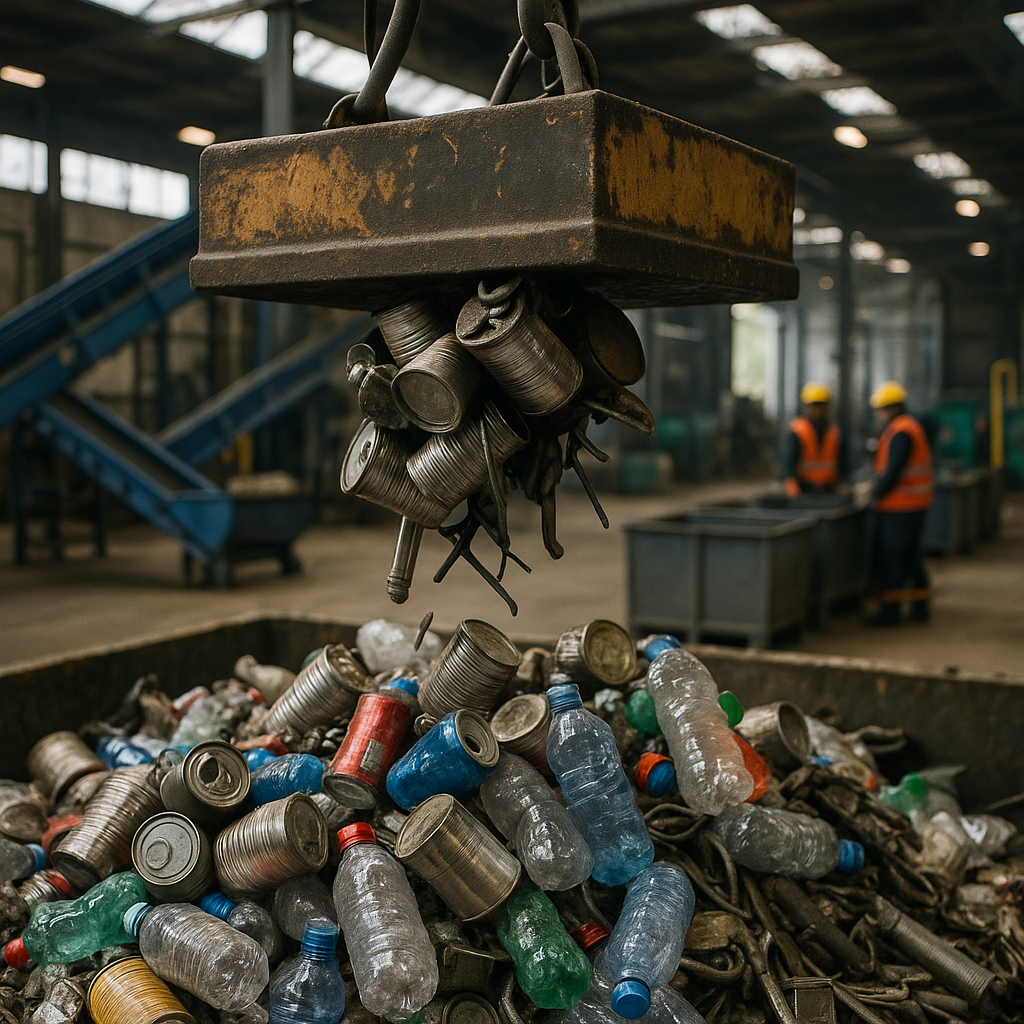
As the global focus on sustainability intensifies, magnetic separation technology emerges as a cornerstone of modern recycling operations. Advanced rare earth magnets and sensor-based sorting systems are revolutionizing resource recovery by achieving unprecedented precision in separating ferrous materials from complex waste streams. This technological evolution directly supports circular economy principles through improved recovery rates, reduced landfill waste, and the production of higher-purity recycled materials. The environmental conservation benefits extend beyond simple metal recovery to encompass reduced carbon footprints, decreased dependence on raw material extraction, and enhanced equipment protection across waste management facilities.
The metal recycling market continues to benefit from these technological advancements as facilities achieve greater operational efficiency and cost savings while meeting increasingly stringent environmental regulations. Future innovations in magnetic separation promise even more sophisticated applications, from automated sorting systems to specialized equipment for recovering critical materials from electronic waste. For expert guidance on implementing advanced magnetic separation solutions in your recycling operations, contact Okon Recycling at 214-717-4083.
Send Us a Message
Questions about what we do? Interested in commercial services? Let us know below and a member of our team will get back to you.