5901 Botham Jean Blvd, Dallas, TX 75215
What is EV Motor Magnet Recovery and Why is it Critical?
December 4, 2025Electric vehicle sales reached 37 kilotons of rare earth demand in 2024, representing a 32% increase from the previous year. This surge reflects the massive growth driving one of the most critical recycling challenges of our time. As millions of EVs hit the roads globally, we face an unprecedented opportunity to recover valuable materials from their motors.
EV motor magnet recovery is the specialized process of extracting and recycling rare earth elements from permanent magnets used in electric vehicle motors. These powerful neodymium-iron-boron magnets contain essential materials including neodymium, praseodymium, dysprosium, and terbium. Permanent magnet synchronous motors have maintained over 75% market share in electric vehicles since 2015 due to their superior efficiency and power density.
Why is a Circular Supply Chain for EV Magnets Necessary?
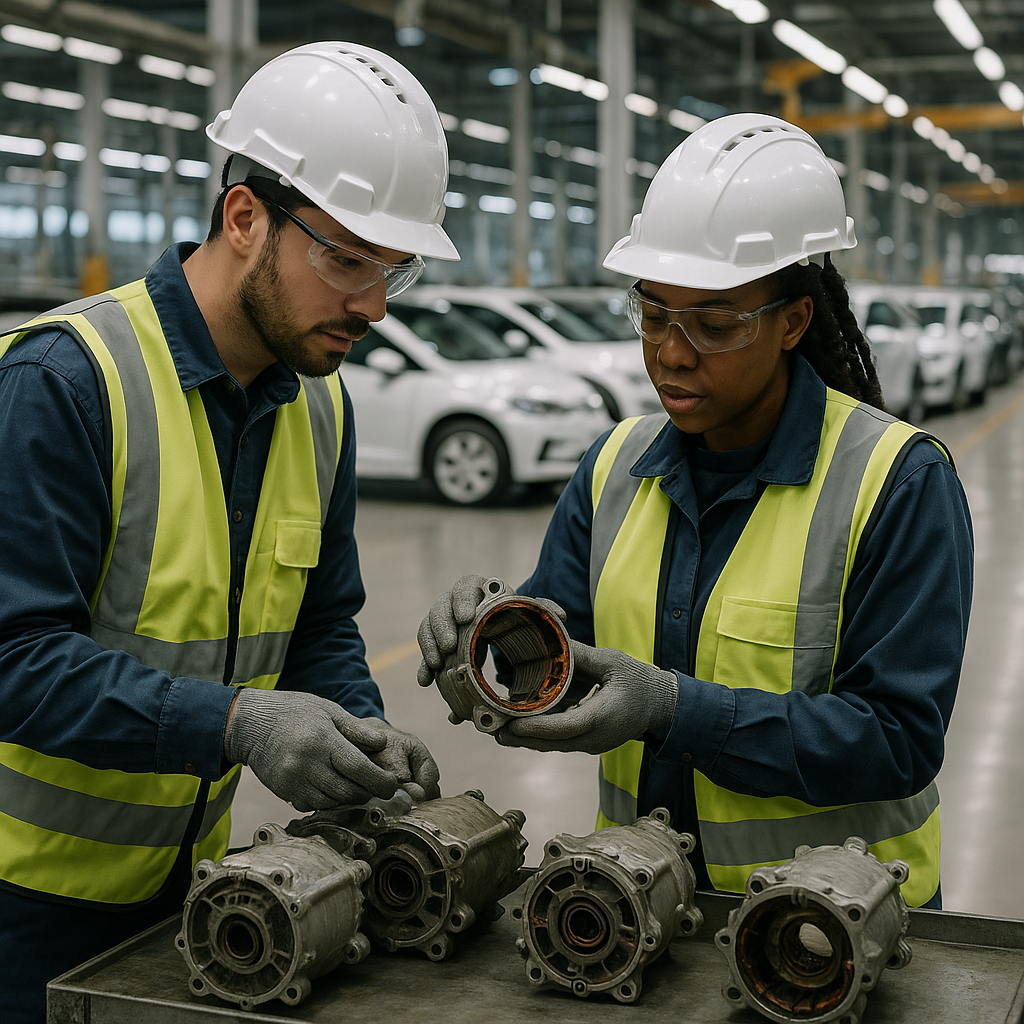
The global supply chain for rare earth elements faces unprecedented concentration risks that threaten electric vehicle production worldwide. China currently dominates over 80% of rare earth element refining and processing capacity. This creates a single point of failure in the supply chain that supports millions of EV motors annually.
The manufacturing of permanent magnets shows even greater concentration. China produces 94% of all sintered permanent magnets used in electric vehicles, wind turbines, and industrial motors. Two decades ago, this figure stood at just 50%. The increasing consolidation has left automakers with few alternatives when supply disruptions occur.
Geopolitical Vulnerabilities Create Supply Shocks
Export restrictions demonstrate how quickly supply chains can destabilize. In 2025, China implemented new licensing requirements for rare earth exports, including dysprosium and terbium. These elements are critical for EV motor magnets that operate at high temperatures.
Major automotive companies felt immediate impacts. Ford and Suzuki Motor experienced production delays and reductions when access to these materials became restricted. The disruptions highlighted the vulnerability of depending on a single supplier nation for critical components.
Price volatility compounds these risks. When China restricted exports in April 2025, rare earth prices in European markets reached six times higher than domestic Chinese prices. This price disparity creates competitive disadvantages for non-Chinese manufacturers and increases production costs significantly.
Economic Advantages of Secondary Supply
Recycling postconsumer scrap offers economic benefits beyond supply security. Recovered rare earth elements from end-of-life products can meet substantial portions of demand. Industry estimates suggest recycling could satisfy 25% to 50% of rare earth needs in major markets.
Secondary supply provides cost stability compared to primary mining operations. Recycled materials avoid the volatile pricing associated with international trade restrictions. Local processing of postconsumer scrap also reduces transportation costs and delivery timeframes.
Current recycling rates remain below 1% of total rare earth consumption. This represents a significant untapped resource pool. Each electric vehicle contains 1-3 kilograms of rare earth magnets that could be recovered and reprocessed.
Supply Chain Resilience Through Circular Systems
Circular supply chains reduce dependency on geopolitically sensitive regions. Domestic recycling operations create localized material flows that remain insulated from international trade disputes. This approach strengthens national security while supporting domestic employment in recycling sectors.
The circular model also addresses resource scarcity concerns. Primary rare earth mining requires extensive environmental management and faces community opposition in many regions. Recycling existing materials reduces pressure on new extraction while maintaining material availability for growing EV production.
Companies implementing circular strategies gain competitive advantages through supply diversification. Multiple material sources provide operational flexibility when primary suppliers face disruptions. This resilience becomes increasingly valuable as global EV production scales and rare earth demand intensifies.
What are the Biggest Challenges in Recovering EV Motor Magnets?
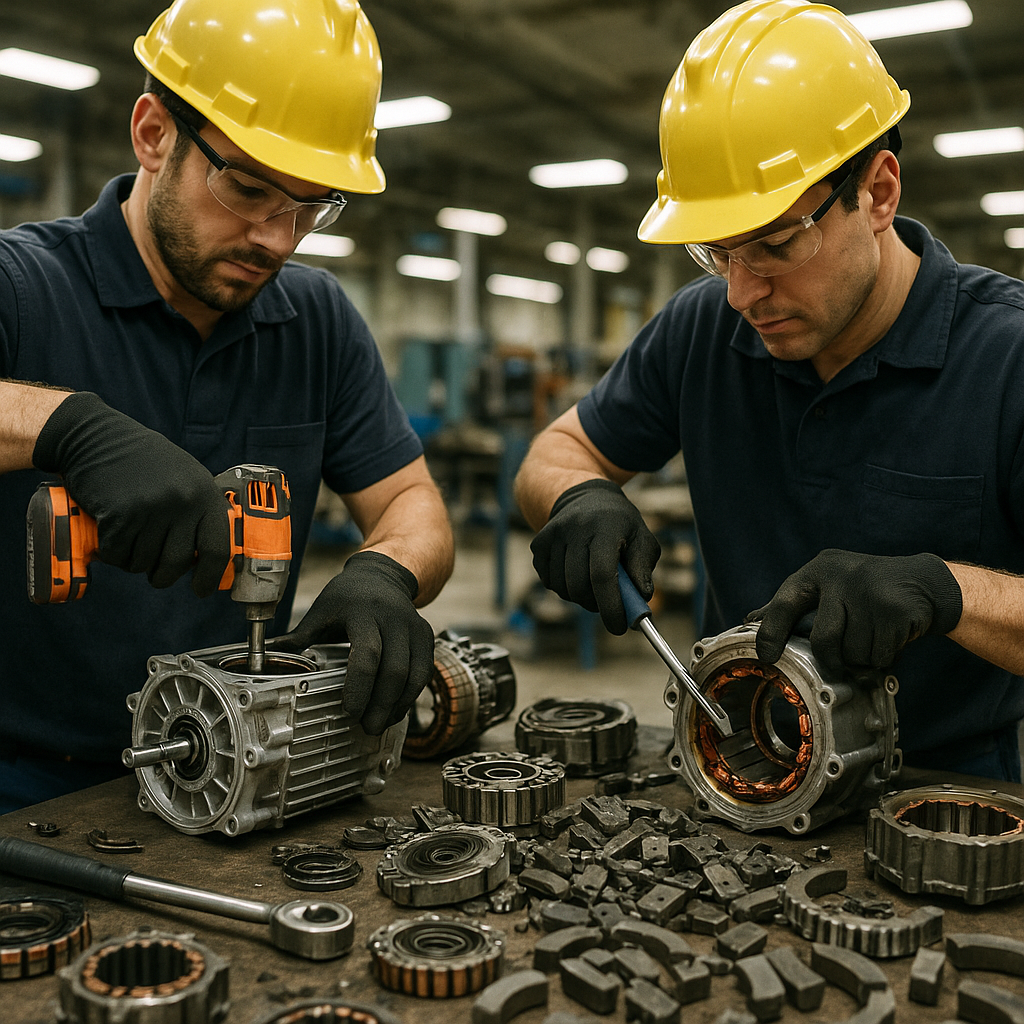
EV motor magnet recovery faces a complex web of technical, logistical, and economic obstacles that significantly limit current recycling rates. These challenges span from fundamental design issues to market realities that make recovery operations difficult to sustain. Understanding these barriers helps explain why less than 1% of rare earth magnets currently enter recycling streams.
Technical Design Barriers
Most electric motors are not designed for easy disassembly. Magnets are typically embedded deep within motor assemblies, secured with strong adhesives, and protected by multiple layers of components. This integration makes manual isolation extremely labor-intensive.
The extraction process requires specialized tools and techniques to avoid damaging both the magnets and surrounding materials. Workers must carefully dismantle each motor component while preserving magnet integrity. This manual approach creates significant technical limits on processing speed and efficiency.
Motor manufacturers prioritize performance and durability over end-of-life processing. Design for recycling remains secondary to operational requirements. This approach creates postconsumer recovery challenges that recyclers must navigate without manufacturer support.
Supply Chain and Volume Constraints
A sufficient number of EVs have not yet reached their end-of-life to create a consistent supply for recyclers. The automotive industry’s transition to electric vehicles only accelerated in recent years. Most EVs remain in active service.
Current material supply comes primarily from smaller electronics rather than automotive sources. Hard drives, speakers, and mobile devices provide some magnet content. However, these sources contain relatively small quantities compared to EV motors.
The unpredictable nature of waste streams complicates facility planning and investment decisions. Recyclers cannot reliably forecast when significant volumes of EV motors will become available. This uncertainty makes it difficult to justify large-scale processing investments.
Economic Viability Challenges
For smaller magnets in other electronics, the cost of manual dismantling is often too high to be economically viable. Labor costs frequently exceed the recovered material value. This economic reality limits which products enter recycling programs.
Processing facilities require substantial upfront investments in specialized equipment and training. Without guaranteed feedstock volumes, these investments become financially risky. Many potential recyclers avoid entering the market due to uncertain returns.
Competition from primary rare earth materials affects pricing dynamics. Chinese-sourced magnets often cost less than recycled alternatives, reducing demand for recovered materials even when technically feasible.
Additional Processing Complications
Contamination from coatings and adhesives degrades recovered magnet quality. Protective layers like nickel plating and epoxy coatings must be removed without compromising magnetic properties. These purification steps add complexity and cost to processing operations.
Quality control requirements for recycled magnets remain stringent. Even minor impurities can reduce magnetic performance significantly. Meeting manufacturing specifications requires advanced separation and purification technologies that increase processing costs.
Transportation and collection logistics present ongoing challenges. EV motors are heavy and bulky compared to their magnet content. Moving these materials to processing facilities adds substantial costs to recovery operations.
What Methods and Technologies Are Used for Magnet Recovery?
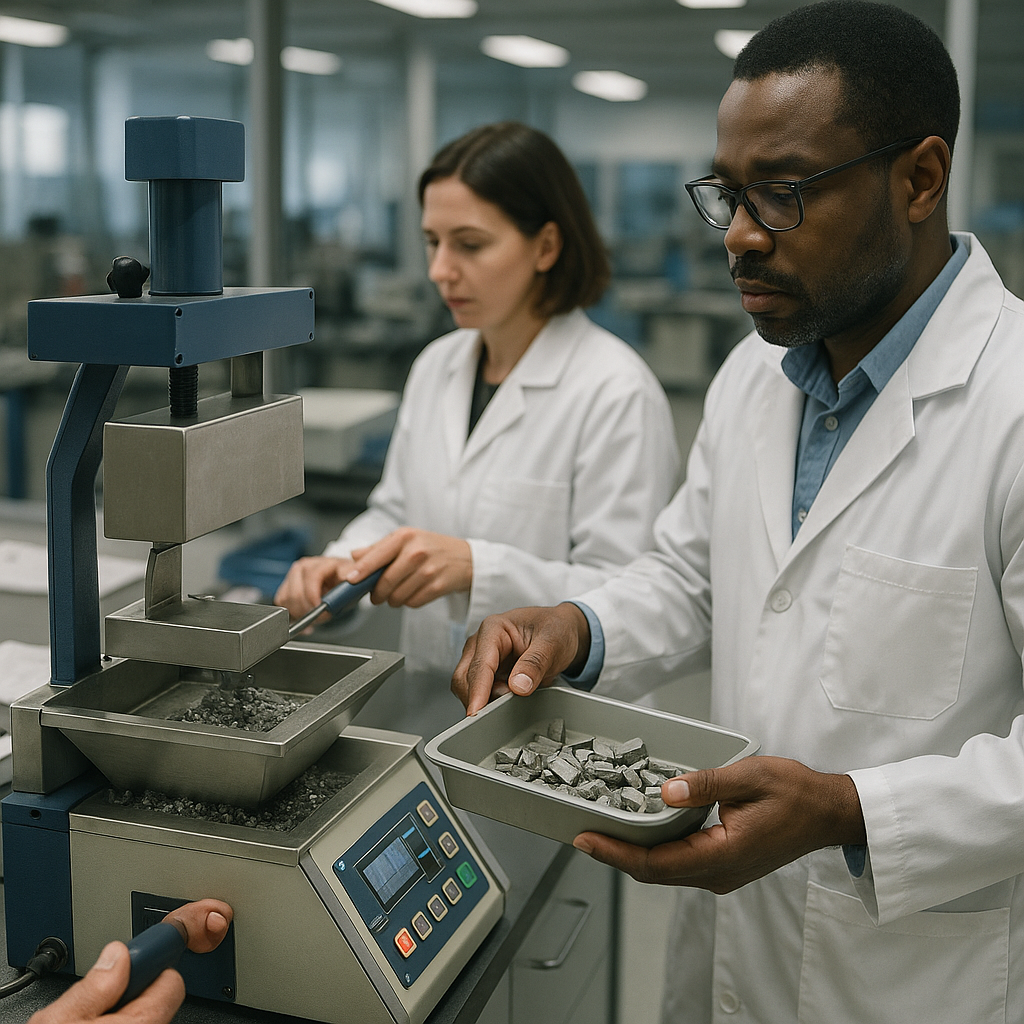
Specialized recovery technologies for rare earth magnets represent a significant leap beyond conventional recycling approaches. These advanced methods address the unique challenges of separating valuable rare earth elements from complex magnet assemblies. Modern recovery techniques achieve remarkable efficiency rates that make large-scale recycling economically viable.
Advanced Chemical Separation Technologies
Proprietary solvent systems lead the field in achieving exceptional recovery rates for rare earth elements. REEcycle’s patented process demonstrates this potential with an impressive 99.8% recovery efficiency using specialized chemical extraction. This level of performance far exceeds traditional recycling methods that often lose valuable materials during processing.
Membrane extraction technology developed by Oak Ridge National Laboratory uses hollow fiber membranes with selective extractants to separate rare earth elements. The process dissolves magnets in nitric acid and continuously feeds the solution through polymer membranes that act as chemical barriers. Only rare earth elements pass through these selective barriers, leaving behind iron and other unwanted materials.
This membrane approach recovers more than 97% of rare earth elements while producing oxides with purities exceeding 99.5%. The technology eliminates iron completely from the final product, creating less waste compared to traditional methods. Multiple rare earth elements including neodymium, praseodymium, and dysprosium can be recovered simultaneously through this process.
Hydrometallurgy and Pyrometallurgy Methods
Hydrometallurgical processing employs acid-based dissolution to extract rare earth elements from magnet materials. This water-based approach involves leaching crushed magnets in specialized acid solutions followed by precipitation and solvent extraction steps. The method allows precise control over element separation but requires extensive chemical handling and wastewater treatment.
Pyrometallurgical techniques use high-temperature processing to recover rare earth elements through heating and smelting operations. These methods extract materials from molten slag using significantly fewer processing steps than hydrometallurgical alternatives. However, pyrometallurgy demands substantial energy input to reach required operating temperatures and generates solid waste requiring proper disposal.
Both approaches face economic challenges when processing mixed feedstock materials. Hydrometallurgy produces hazardous chemical waste streams, while pyrometallurgy requires intensive energy consumption. The choice between methods often depends on feedstock quality, desired end products, and facility capabilities.
Physical Pre-Processing and Automated Systems
Hydrogen decrepitation transforms intact magnets into manageable powder through controlled hydrogen exposure. This pre-processing method causes magnets to break down into fine particles, increasing surface area for subsequent chemical processing. The technique eliminates the need for energy-intensive mechanical crushing while preparing materials for downstream recovery.
Demagnetization removes magnetic properties by heating magnets above their Curie temperature, typically between 310-400°C. This thermal treatment makes handling safer during disassembly operations and mechanical processing steps. Coating removal processes eliminate protective nickel, zinc, or epoxy layers that would interfere with chemical extraction.
Automated robotic disassembly systems address the labor-intensive challenge of extracting magnets from electronic devices. These systems use coordinate measuring machines and barcode scanning to identify optimal disassembly points for different product types. Robotic arms precisely remove magnets while preserving other valuable materials like circuit boards and aluminum components.
Emerging Flash Joule Heating Technology
Flash Joule Heating combined with chlorination represents a breakthrough in rapid rare earth recovery from magnet waste. This method heats magnet powder in seconds using ultrafast electrical pulses while chlorine gas flows through the reactor. Transition metals form volatile chlorides that are removed, while rare earth oxides remain as concentrated residues.
The process achieves greater than 90% purity and 90% yield in seconds compared to hours required by traditional acid leaching methods. Life-cycle analysis shows 87% lower energy consumption and 84% fewer greenhouse gas emissions than hydrometallurgical processing. The method completely eliminates acid and water consumption while generating valuable by-products like cobalt chloride.
This technology addresses manufacturing waste where 10-20% of magnet material becomes machining scrap during production. The rapid processing time and minimal chemical requirements make it suitable for distributed recycling networks. Flash heating creates new possibilities for closed-loop magnet recycling within domestic supply chains.
Conclusion: The Path Forward for EV Magnet Recycling
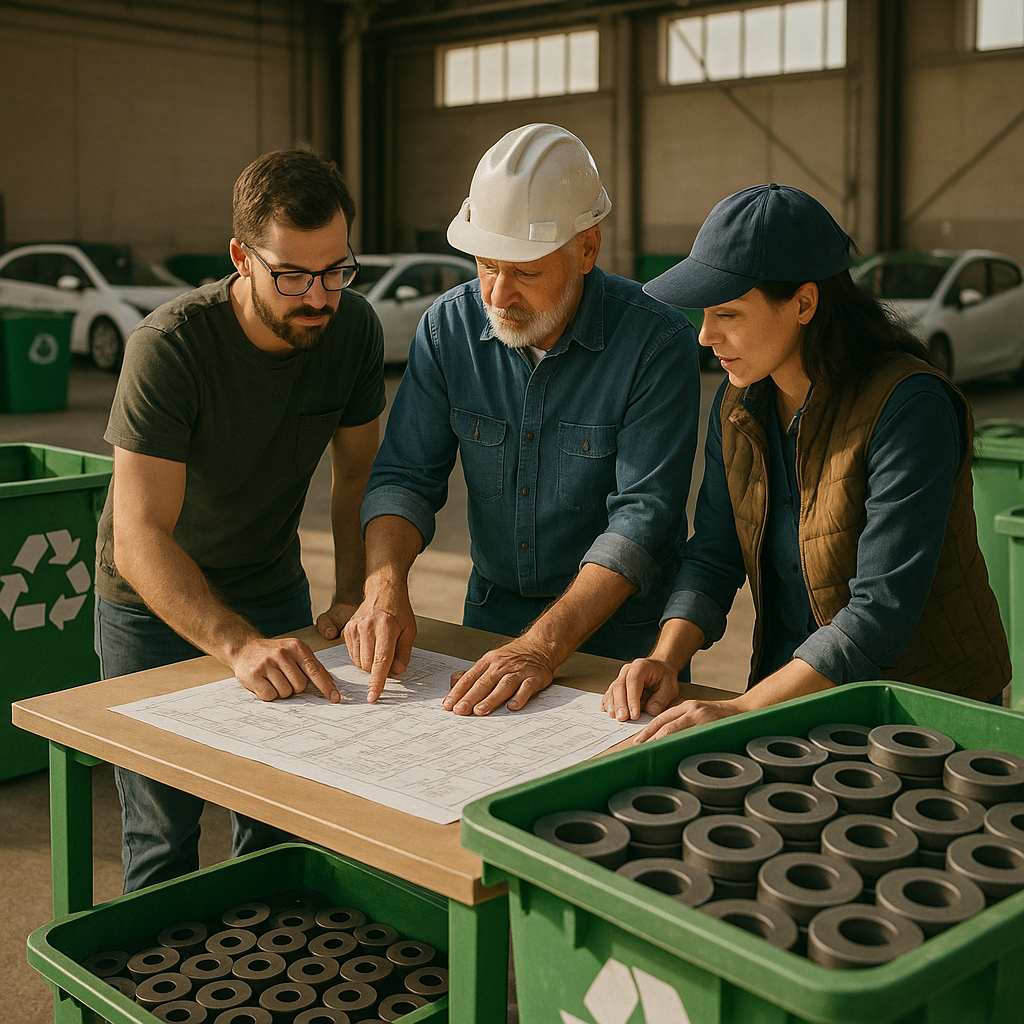
EV motor magnet recovery represents a crucial solution for powering the energy transition sustainably. While current challenges exist in material supply and disassembly processes, the economic, environmental, and strategic advantages are undeniable. Advanced technologies like robotic disassembly, cryogenic separation, and magnet-to-magnet recycling are transforming how we approach rare earth element recovery. These innovations enable municipalities and businesses to turn electronic waste into profitable revenue streams while reducing landfill dependency and building more resilient circular value chains for critical materials.
The future of EVs depends on sustainable end-of-life processes that can meet growing rare earth demand without depleting natural resources. As the industry shifts from small consumer electronics to larger EV and wind turbine applications, resource recovery opportunities will expand significantly. For organizations seeking to implement comprehensive recycling solutions for their EV components and establish sustainable supply chains, contact Okon Recycling at 214-717-4083 to discuss your specific recycling needs.
Send Us a Message
Questions about what we do? Interested in commercial services? Let us know below and a member of our team will get back to you.