5901 Botham Jean Blvd, Dallas, TX 75215
Top Commercial Scrap Metal Processors for Ferrous and Non-Ferrous Materials
February 8, 2026The commercial scrap metal processing industry includes several global and regional leaders that manage millions of tons of recyclable materials each year. In 2026, as North American industrial reshoring accelerates, the largest processors have scaled their operations to meet the massive demand for secondary raw materials. These industry titans process approximately 7 to 20 million tons of ferrous scrap annually, serving as the backbone of the modern manufacturing supply chain.
Leading commercial scrap metal processors operate extensive facility networks throughout North America. They process ferrous metals like steel and iron, as well as high-value non-ferrous metals such as aluminum, copper, and specialty alloys. The largest processors often run dozens of facilities, with some maintaining over 100 locations and multiple high-capacity auto shredders to manage large volumes of scrap. In the current 2026 market, these facilities are increasingly integrated with domestic steel mills that utilize electric arc furnace (EAF) technology, which relies almost exclusively on recycled metal.
How Are the Top Ferrous Scrap Processors Ranked by Volume?
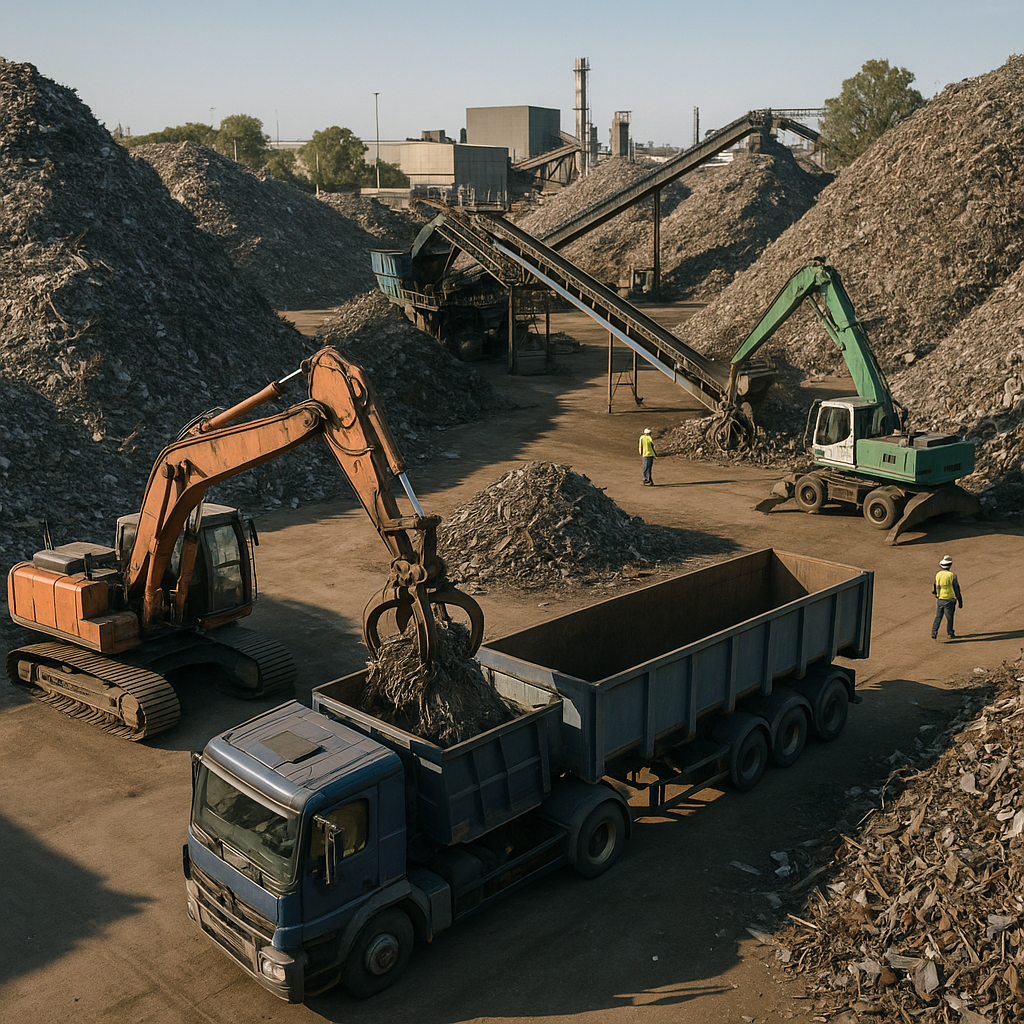
Ferrous scrap processors are ranked based on the volume of material they handle annually. The methodology includes all ferrous scrap processed at company facilities, whether it is further refined on-site or shipped as loose material to larger hubs. This comprehensive method ensures accurate industry comparisons and reflects the processing capacity of the nation’s largest facilities.
As of late 2025 and moving into 2026, the industry leader processed an estimated 18 to 19 million gross tons annually. This massive throughput is supported by an extensive network of over 130 facilities, including dozens of auto shredders and several deep-water ports. Such a global presence allows these leaders to serve domestic mills while simultaneously managing international export flows. Strategic vertical integration—where the scrap collector and the steel producer are part of the same parent organization—has become a dominant trend, ensuring a consistent supply of high-quality raw material.
Following the top-tier leaders, several other processors manage between 4 and 10 million gross tons. These companies often operate nearly 100 facilities across various regions, leveraging regional manufacturing hubs like North Texas and the Midwest. Consistent volume processing has allowed many firms to rise in the rankings by acquiring smaller, regional specialists to expand their geographic reach.
These rankings reflect each company’s processing capacity and market reach. High-capacity auto shredders are crucial for high throughput, enabling the efficient processing of end-of-life vehicles. Furthermore, access to deep-water ports provides a significant advantage for companies involved in international exports, allowing them to handle larger shipment volumes and serve global markets more effectively. For businesses in Texas, proximity to major transport corridors and ports in Houston makes local processors vital partners in the global commodities cycle.
Advanced Metal Identification Technology in 2026
In the modern recycling landscape, the days of relying solely on a simple magnet and visual inspection are over. Leading recycling facilities now utilize laboratory-grade technology at the scale to ensure absolute accuracy in grading and pricing.
XRF and LIBS metallurgical verification
To provide guaranteed pricing for complex alloys, professional recyclers use handheld X-ray fluorescence (XRF) and Laser-Induced Breakdown Spectroscopy (LIBS) technology. These devices shoot an X-ray or laser at a metal sample to provide an instant chemical breakdown. For an industrial manufacturer, this technology is vital. It allows the recycler to distinguish between different series of aluminum or identify the nickel content in stainless steel (such as 304 vs. 316). This precision ensures that high-value materials are not “downgraded” to lower-priced scrap categories, directly increasing the customer’s revenue.
AI-driven optical sorting
Automation has reached the sorting floor, where AI-powered robotic arms and optical sensors can separate commingled metals with nearly 100 percent accuracy. These systems can identify aluminum, copper, and brass at high speeds, removing human error from the sorting process. For facilities generating mixed metal turnings or complex electronic scrap, this technology ensures that every ounce of recoverable material is captured. This high-purity output is essential for the production of “Green Steel” and other sustainably made metals that are in high demand in the current market.
Navigating the 2026 Industrial Sustainability Landscape
The role of the commercial scrap processor has evolved from a simple waste hauler to a strategic sustainability partner. In 2026, Environmental, Social, and Governance (ESG) reporting is a standard requirement for major corporations, and recycling data is a core component of these disclosures.
Scope 3 emissions and carbon reporting
Major manufacturers are now required to report their Scope 3 emissions, which include the carbon footprint of their entire supply chain. Using recycled aluminum, for example, uses 95 percent less energy than producing primary aluminum from ore. Professional recycling partners now provide digital “Sustainability Certificates” that quantify the energy saved and carbon emissions avoided by recycling a specific load. This data allows Texas businesses to prove their commitment to sustainability to investors and regulatory bodies.
Texas industrial compliance and metal theft laws
Compliance with state and federal regulations is a primary concern for high-volume scrap generators. In 2026, Texas laws regarding the sale of regulated metals—such as copper and HVAC components—require rigorous documentation. Professional recyclers manage this “Notice of Intent” (NOI) reporting and maintain the electronic records required by the Texas Department of Public Safety (DPS). By working with a fully licensed and compliant leader, businesses protect themselves from the legal liabilities associated with improper waste handling or the trade of non-compliant materials.
What Distinguishes Ferrous From Non-Ferrous Metals?
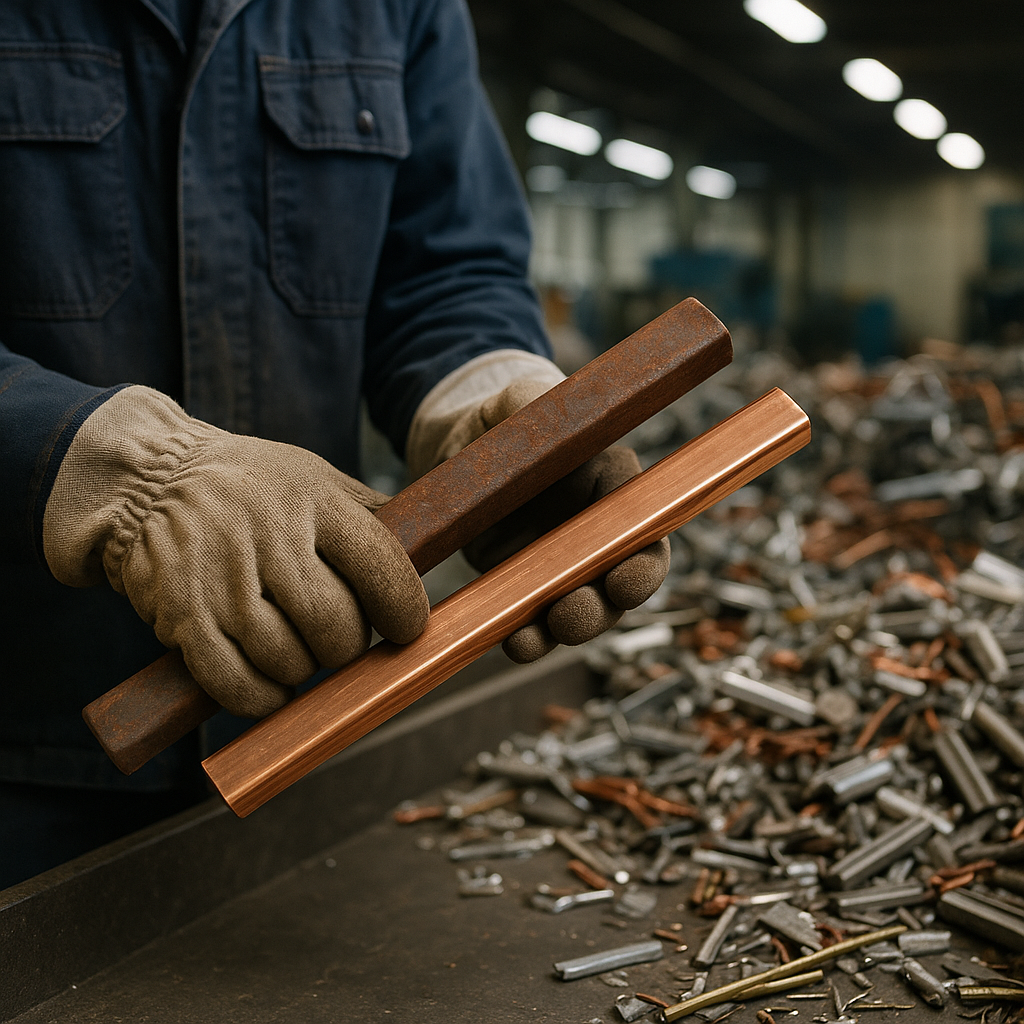
The primary distinction between ferrous and non-ferrous metals is their iron content. Ferrous metals contain significant amounts of iron, typically more than 50% by weight, whereas non-ferrous metals have little to no iron. This presence of iron influences nearly every characteristic that separates these two metal categories, from magnetic properties to corrosion resistance.
Non-ferrous metals excel in key properties that make them valuable for specialized applications. They have high electrical conductivity, making them essential for wiring and electronic components. These metals demonstrate superior corrosion resistance, allowing them to withstand moisture and harsh conditions without deteriorating. Additionally, the malleability of non-ferrous metals facilitates easy shaping and forming during manufacturing processes.
Ferrous metals possess distinct characteristics due to their iron content. They exhibit magnetic properties and are attracted to magnets. These metals offer exceptional tensile strength and durability, making them suitable for structural applications in construction and heavy machinery. However, their iron content makes them prone to rust and corrosion when exposed to moisture and oxygen unless they are treated or alloyed (as in stainless steel).
Common non-ferrous metals frequently appear in the industrial waste streams we process:
- Aluminum – Found in beverage cans, automotive parts, and aircraft components.
- Copper – Sourced from electrical wiring, plumbing pipes, and high-performance bus bars.
- Zinc – Recovered from galvanized steel coatings and battery components.
- Lead – Collected from batteries, radiation shielding, and older plumbing systems.
- Tin – Obtained from food packaging and electronic solder.
- Brass – This copper-zinc alloy comes from plumbing fixtures and musical instruments.
The applications for each metal type reflect their distinct properties. Non-ferrous metals dominate electronics and aerospace due to their conductivity and weight. In contrast, ferrous metals comprise the largest share of metals in use today due to their abundance and cost-effectiveness in infrastructure. Understanding these distinctions helps optimize industrial sorting processes and maximize recovery value for large-scale generators.
What Kind of Services Do Top Metal Recycling Companies Provide?
Comprehensive processing and logistics solutions
Modern industry leaders function as full-service metals recycling providers with extensive logistics support. They manage the transportation of thousands of tons of material using specialized roll-off containers, flatbed trailers, and gondolas. Beyond basic hauling, they offer marketing services to connect processed materials with end-use manufacturers and domestic steel mills. These scrap management programs help industrial clients optimize their floor space and ensure a safe, organized work environment.
Specialized electronics and data destruction
Leading environmental services companies have developed recycling operations that go beyond traditional heavy metal. They process post-consumer electronics through specialized facilities designed to recover gold, silver, and palladium from end-of-life devices. These services often include secure, certified data destruction for IT assets, addressing critical security requirements for healthcare, financial, and government sectors.
Refinement and Specify-Grade material production
Top-tier processors emphasize refining scrap metal into high-purity raw materials. Their facilities convert collected scrap into “specification-grade” materials that mills can use directly in their production recipes. This refinement process adds significant value, as “furnace-ready” scrap commands a higher market price than raw, unsorted material. By strategically expanding capacity through the acquisition of regional processing yards, these companies provide the scale necessary to support the entire Texas industrial corridor.
Conclusion: Choosing a Leader in Metal Processing
Selecting a commercial scrap metal processor involves evaluating their processing capacity, range of services, and ability to handle both ferrous and non-ferrous materials with technical precision. Industry leaders have developed the extensive networks and advanced technologies required to support a true circular economy. These processors employ AI-powered sorting systems and automated separation technologies to maximize material recovery rates for every load.
By recycling metals, these companies play a crucial role in conserving energy and reducing the global carbon footprint. The circular economy benefits include energy savings of up to 95% for aluminum recycling and up to 74% for steel, compared to virgin production. For businesses seeking a professional, high-capacity partner that provides transparent pricing and detailed ESG reporting, reach out to Okon Recycling at 214-717-4083 to explore comprehensive solutions for your industrial material recovery needs.
Send Us a Message
Questions about what we do? Interested in commercial services? Let us know below and a member of our team will get back to you.