5901 Botham Jean Blvd, Dallas, TX 75215
Scrap Metal Prices in Longview, TX: A Quick Guide
January 15, 2026Scrap metal prices in Longview, TX fluctuate daily based on global commodity markets and regional industrial demand patterns. In early 2026, market trends show copper ranging from $4.10 to $4.90 per pound for high-purity grades, aluminum trading between $0.55 and $1.15 per pound, and steel priced competitively across Texas recycling centers.
Online pricing resources provide valuable reference points for understanding regional market averages. These published rates reflect general market conditions and help establish baseline expectations for metal pricing. However, local scrap yards and professional recycling centers in the East Texas region operate independently. They maintain their own pricing structures based on facility capacity, advanced processing capabilities and current inventory needs within the manufacturing supply chain.
Direct contact with professional recycling facilities is essential for obtaining accurate, real-time pricing information. Market trends can shift multiple times throughout a single trading day, affecting everything from copper wire to structural steel values. Professional facilities adjust their rates based on immediate global exchange data, transportation logistics and processing volumes, making direct verification the most reliable method for securing current scrap prices before delivery.
Reported Prices for Scrap Metal in the Longview Area
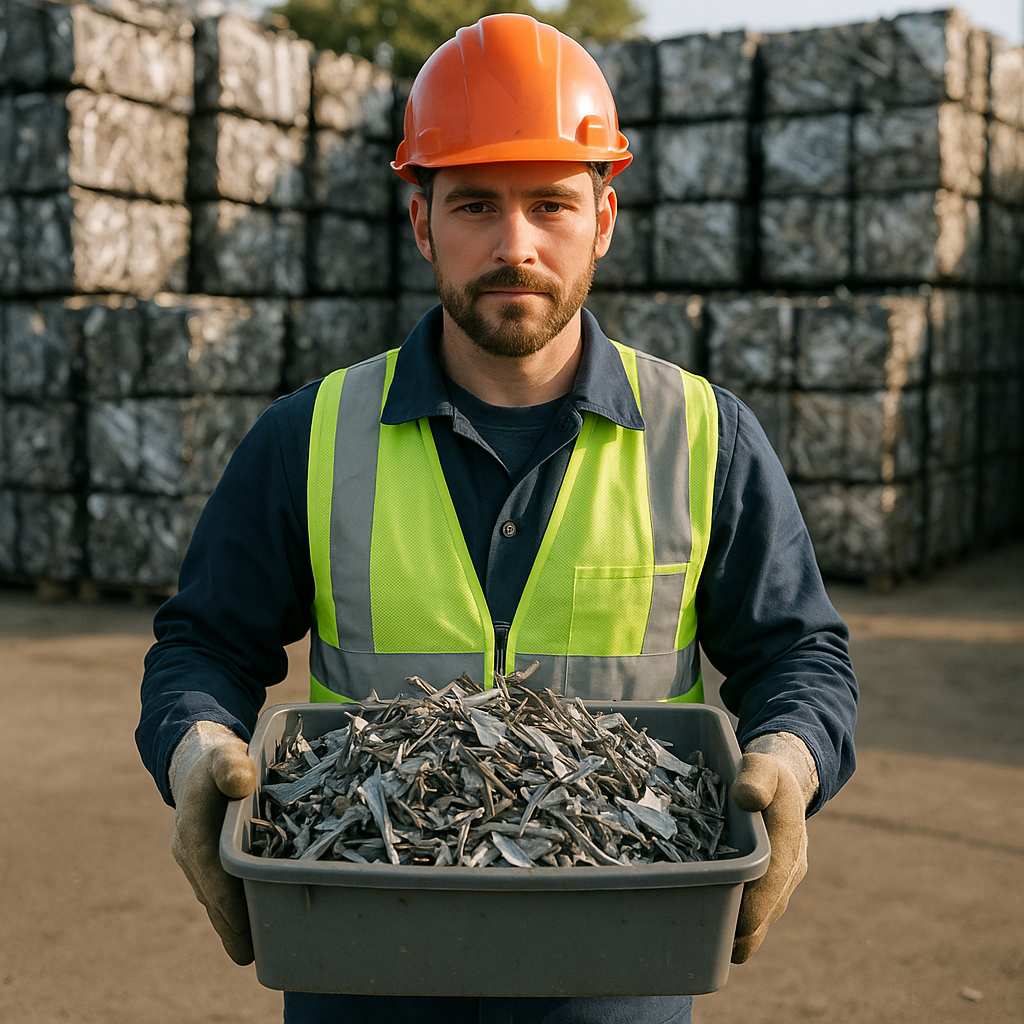
Local scrap yards in East Texas provide useful pricing insights through industrial reporting and regional market data. These reports offer current insights for various non-ferrous materials, reflecting actual transactions between industrial generators, local scrappers and established recycling facilities.
Current data for 2026 indicates that Stainless Steel is trading consistently, while #2 Copper Tubing commands higher values due to its copper content. Aluminum Cans (UBC) maintain a stable price point, while #1 Copper Tubing reaches premium levels at professional scales.
| Material Type | Grade/Classification | Estimated Price (Per Lb) |
|---|---|---|
| Copper | Bare Bright Wire | $4.80 – $5.20 |
| Copper | #1 Tubing / Bus Bar | $4.60 – $4.85 |
| Aluminum | 6063 Extrusions | $0.85 – $1.05 |
| Aluminum | UBC (Beverage Cans) | $0.55 – $0.65 |
| Stainless Steel | 304 Solids | $0.35 – $0.45 |
| Steel | #1 Prepared Steel | $0.08 – $0.12 |
Market conditions significantly influence these prices, with factors like global demand and regional supply affecting daily rates. Copper materials typically maintain high pricing due to their excellent conductivity and widespread industrial applications in the green energy sector. Non-ferrous metals like aluminum and stainless steel have more moderate pricing but are consistently valuable for high-volume recycling operations.
Industrial Metal Grading: Maximizing Your Return at the Scale
In the professional recycling world, “metal” is not a single category. To maximize a payout in 2026, industrial sellers must understand the specific grading systems used by recyclers. Proper identification prevents high-value materials from being “downgraded” into lower-paying categories.
The Copper Hierarchy: Bare Bright to #2
Copper is valued primarily on its purity. Bare Bright Copper is the highest-paying grade; it must be uncoated, unalloyed wire or cable at least 16-gauge in thickness. #1 Copper includes clean tubing or bus bars that may have slight oxidation but are free of solder or paint. #2 Copper includes material with solder, paint or heavy oxidation. Professional facilities use XRF analyzers to verify these chemistries instantly, ensuring you are paid for the exact copper content of your load.
Aluminum Classifications: Extrusions vs. Sheet
Aluminum pricing depends heavily on the alloy series. 6063 Extrusions—found in window frames and door tracks—command a higher price than Old Sheet or siding because they are easier for mills to process back into high-strength products. Furthermore, MLC (Mixed Low Copper) clips from manufacturing processes are highly sought after in the East Texas market. Separating these grades before they reach the yard can increase your profit margin by 15 to 20 percent.
What Factors Cause Scrap Metal Prices to Change in 2026?
Scrap metal prices fluctuate daily. These changes are driven by global market demand, supply levels and commodity market trends. A metal’s specific grade, purity and its proximity to major industrial hubs or shipping ports also significantly influence the final price offered.
Industrial Supply and Demand Fundamentals
When industries like construction, automotive and manufacturing experience growth, their demand for recycled metals rises sharply. In 2026, the electric vehicle sector has become a primary driver of copper and aluminum prices. Conversely, when economic activity slows or global uncertainties arise, demand decreases and prices often follow suit. Global market forces, particularly demand from major manufacturing economies in Asia, continue to set the baseline for what local Longview scrappers receive.
Transportation, Energy and Logistics
Transportation and energy costs significantly influence regional pricing differences. When fuel prices rise, it affects the cost of moving materials from collection points to processing facilities. Energy-intensive metals like aluminum are particularly sensitive to electricity costs, as smelting and refining require substantial power. International trade policies, including tariffs and export restrictions, also impact how much buyers are willing to pay for American scrap.
Specialized Recovery: CNC Machining and Manufacturing Waste
Longview’s strong industrial base, including oilfield equipment manufacturing and precision machine shops, generates significant volumes of specialized scrap. For these businesses, a standard “scrap pile” approach is often a missed revenue opportunity.
Managing Machining Chips and Turnings
CNC machining produces “swarf”—fine metal chips and turnings. In 2026, high-purity aluminum and stainless steel chips are highly valuable if they are kept clean and dry. Professional recyclers utilize centrifugal chip wringers to remove cutting fluids and oils, which can then be reused by the manufacturer. This “closed-loop” approach doesn’t just save on disposal fees; it turns a messy byproduct into a high-grade commodity.
Boneyard Audits and Equipment Decommissioning
Many East Texas facilities have “boneyards” filled with obsolete machinery. Professional recycling partners can conduct a Waste Stream Audit to identify high-value components within these units. Often, old industrial gearboxes, heat exchangers and motors contain heavy copper windings or high-temp alloys that are worth significantly more than the mixed iron price typically offered for decommissioned equipment.
Maximizing Your Payout for Scrap Metal in Longview
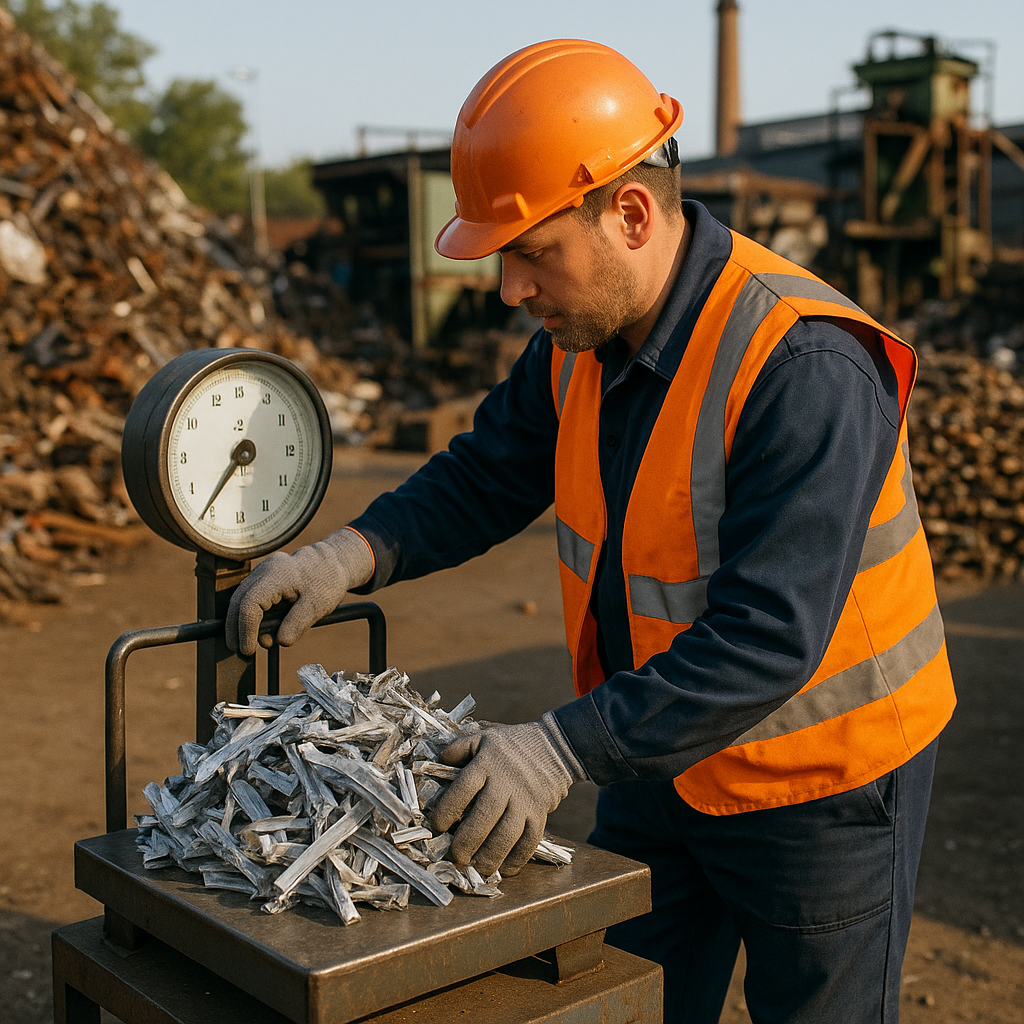
The single most important step in material preparation is the magnet test. If a magnet sticks, the metal is ferrous (steel or iron) and carries a lower value. If it does not stick, you have identified a high-value non-ferrous metal like aluminum, copper or brass. Separating these two categories—and further separating alloys—is the hallmark of a high-return recycling strategy.
Direct contact with reputable recycling facilities combined with thorough material preparation is essential for successful transactions. For professional recycling services, advanced metallurgical testing and the latest market rates in the Longview area, reach out to Okon Recycling at 214-717-4083.
Send Us a Message
Questions about what we do? Interested in commercial services? Let us know below and a member of our team will get back to you.