5901 Botham Jean Blvd, Dallas, TX 75215
What Should Factories Know About Recycling Scrap Metal in Houston?
January 26, 2026Factory operations in Houston generate substantial amounts of scrap metal daily. Steel offcuts from manufacturing lines, copper wire from electrical work, and aluminum components from production processes quickly accumulate. Instead of viewing these materials as waste disposal costs, astute factory managers see them as revenue opportunities. In early 2026, as manufacturing reshoring continues to surge across Southeast Texas, effective scrap management has become essential for maintaining clean operations and ensuring environmental compliance.
Houston’s industrial recycling infrastructure supports this approach with specialized services designed for high-volume generators. Professional industrial-focused recyclers handle both ferrous metals like steel and iron, as well as non-ferrous materials including copper, aluminum, and brass. These experts offer customized programs to meet the specific needs of manufacturing facilities, ranging from high-precision CNC machine shops to heavy-duty petrochemical equipment manufacturers.
Which Metals and Materials Do Houston Facilities Accept?
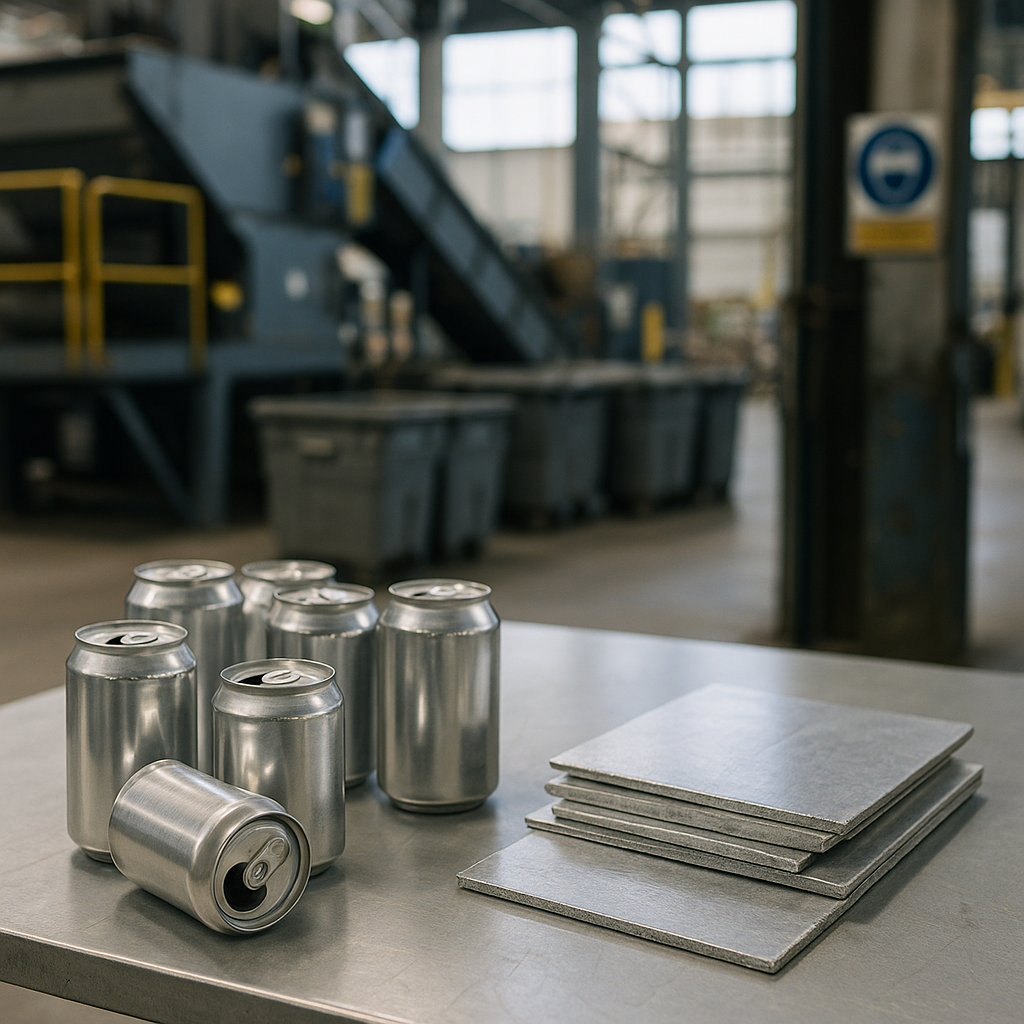
Houston recycling facilities process both ferrous and non-ferrous metals from diverse industrial sources. Understanding which materials qualify for recycling helps facilities maximize recovery value and avoid contamination issues. Most professional facilities in Texas maintain strict acceptance criteria to ensure efficient processing and worker safety.
Ferrous metals and steel products
Ferrous metals are central to most recycling programs in Houston. These magnetic materials include iron and steel components commonly found in construction debris, automotive parts, and industrial equipment. Steel recycling operations accept structural beams, rebar, and machinery frames without special preparation requirements. As of January 2026, domestic demand for recycled steel remains strong due to the expansion of electric arc furnace (EAF) capacity in North America.
Cast iron items such as engine blocks and pipe fittings qualify for standard ferrous processing. White goods recycling programs handle large appliances, including washers, dryers, and dishwashers from facility breakrooms or employee housing units. These items contain valuable steel frames along with other recoverable metals like copper wiring and aluminum components.
Non-ferrous metals and high-value materials
Non-ferrous metals are the most valuable materials accepted at Houston facilities. Aluminum ranks among the most profitable recyclables due to its lightweight properties and extensive applications. Facilities accept aluminum from beverage cans, window frames, siding, and air conditioning components.
Copper commands premium prices because of its excellent conductivity and corrosion resistance. In the current 2026 market, bare bright copper prices have reached significant highs due to the demand from artificial intelligence data centers and renewable energy projects. Electrical wiring, plumbing tubes, and motors contain substantial copper content. Brass fixtures and plumbing components also find ready acceptance at area recycling centers.
Stainless steel occupies a special category in metal recycling. This corrosion-resistant alloy appears in medical equipment, food processing machinery, and petrochemical infrastructure. We value stainless steel for its high nickel and chromium content, making it profitable for recovery operations, particularly in Houston’s energy sector.
Industrial equipment and specialized items
Obsolete production equipment is a significant source of recoverable metals. Houston manufacturing facilities generate substantial scrap from decommissioned machinery, conveyor systems, and processing equipment. These items typically contain multiple metal types requiring careful sorting and separation. Specialized nickel-based superalloys like Inconel, Monel, and Hastelloy are also recovered from extreme-temperature environments common in the oil and gas industry.
Plumbing and electrical scrap from facility renovation projects provide consistent material streams. Copper pipes, brass fittings, and electrical conduit contain high-value metals. Auto coils and compressors from HVAC systems offer excellent recycling opportunities due to their copper and aluminum content. Properly cleaning oil field equipment—including pipe, valves, and drilling components—allows these items to qualify for high-grade processing under EPA regulations.
Unacceptable materials and safety restrictions
Several material categories cannot be processed through standard recycling operations due to safety hazards and contamination risks. Explosives and pressurized containers pose immediate dangers to facility operations and worker safety. Gas bottles, propane tanks, and aerosol cans require specialized disposal through certified facilities. Additionally, any materials containing asbestos, radioactive substances, or hazardous industrial chemicals must follow strict disposal protocols and cannot enter standard metal streams.
Advanced Recycling Technology: The 2026 Shift
The industrial recycling landscape in Houston has undergone a fundamental shift in 2026 toward the circular economy model. This transition is driven by the adoption of advanced technologies that increase the precision of metal sorting and grading.
AI-driven sorting and optical recognition
Modern Houston recyclers are increasingly deploying AI-powered robotic systems and high-speed optical sorters. These systems can identify aluminum, copper, and stainless steel grades with nearly 100 percent accuracy, far exceeding manual segregation. For a Houston factory, this means that high-value alloys are not accidentally downgraded, ensuring that the facility captures the maximum possible market value for every pound of scrap generated.
XRF verification and digital traceability
To provide guaranteed pricing, advanced centers utilize X-ray Fluorescence (XRF) and Laser-Induced Breakdown Spectroscopy (LIBS) to verify material purity instantly. This scientific verification is paired with new digital traceability requirements. In 2026, digital records and QR-based tracking have become the standard for industrial scrap transactions in Texas. This transparency ensures that materials meet the stringent quality specifications required for “Green Steel” and “Green Copper” manufacturing initiatives.
Strategic Scrap Management for Operational Excellence
For high-volume manufacturers in Houston, scrap metal is no longer viewed as waste; it is treated as a strategic raw material. Implementing a structured scrap management program can significantly reduce operational overhead and improve a facility’s environmental footprint.
Implementing source-separation protocols
The most successful factory managers implement source-separation at the point of generation. By placing dedicated, color-coded bins at the end of each production line—such as one for 6061 aluminum turnings and another for stainless steel offcuts—factories avoid cross-contamination. Professional recycling partners provide custom bins and scheduled logistics to move these materials from the factory floor to the scale without disrupting production schedules. This practice typically increases the net payout to the factory by 15 percent to 30 percent.
The impact of ESG and sustainability reporting
In 2026, corporate stakeholders and regulatory agencies are enforcing stricter Environmental, Social, and Governance (ESG) goals. Houston industrial recyclers provide the data tracking systems necessary for factories to document their material diversion rates and energy savings. By recycling one ton of aluminum, a Houston factory saves 95 percent of the energy needed for primary production—a metric that is increasingly valuable for public-facing sustainability reports and carbon-neutral goals.
How Can a Factory Choose the Right Recycling Partner?
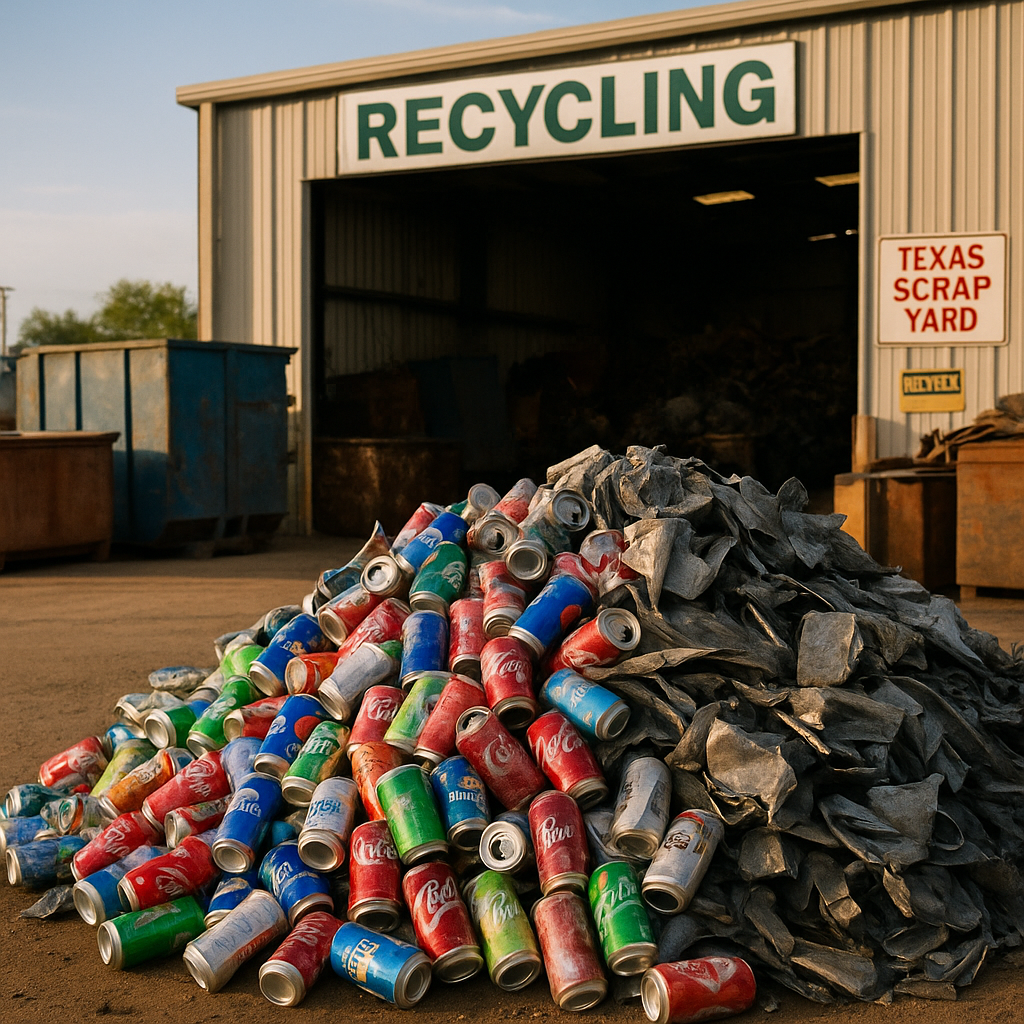
Evaluate pricing structure and financial transparency
Fair pricing is fundamental to any successful recycling partnership. Houston factories should seek recyclers who base their scrap metal prices on current market rates—such as the London Metal Exchange (LME)—rather than offering artificially low or inconsistent pricing. Certified scales, audited by the Texas Department of Agriculture, ensure accurate and honest transactions. Reputable partners provide detailed receipts including exact weight measurements, material grades, and market-based rate calculations.
Assess safety standards and facility organization
Safety standards reflect a recycling partner’s operational quality. Well-organized yards with clear material separation areas, proper equipment maintenance, and visible safety protocols indicate a professional operation. Factories should request facility tours to observe safety measures firsthand, including the proper storage of hazardous materials and employee safety training programs. Compliance with OSHA regulations and the possession of environmental insurance provide additional assurance that the partner operates responsibly.
Examine technology capabilities and custom solutions
Modern recycling operations utilize advanced sorting technologies that improve recovery rates. Technology-enabled tracking systems allow factories to monitor their materials from collection through processing, providing valuable documentation for regulatory audits. Custom recycling programs demonstrate a partner’s ability to adapt to specific factory requirements, such as providing specialized containers or adjusting pickup schedules during peak production cycles.
Verify experience and industry certifications
Extensive experience in industrial recycling translates to a better understanding of complex material streams. Factories should evaluate potential partners based on their track record with similar industrial clients and their knowledge of industry-specific challenges, such as the decommissioning of specialized energy equipment. Certifications such as R2 (Responsible Recycling) or ISO 14001 indicate a commitment to professional practices and continuous improvement in environmental management.
Conclusion: Streamlining Your Factory’s Scrap Management
Houston provides robust and specialized solutions for factories aiming to manage scrap metal efficiently and profitably. Professional recycling services offer custom collection programs, competitive pricing, and transparent processing that transforms industrial waste into valuable revenue. These partnerships enhance operational efficiency while ensuring compliance with Texas environmental regulations and sustainability goals as part of the circular economy framework. As we navigate the industrial landscape of 2026, the ability to turn a waste stream into a resource is a hallmark of manufacturing excellence.
The next step for Houston factory managers is to schedule a professional site audit to assess material recovery opportunities and design a custom recycling program. Contact Okon Recycling at 214-717-4083 to develop a comprehensive scrap management solution tailored to your facility’s unique requirements.
Send Us a Message
Questions about what we do? Interested in commercial services? Let us know below and a member of our team will get back to you.