5901 Botham Jean Blvd, Dallas, TX 75215
Recycling Hydraulic Cylinders: Signs of Failure, Rod Straightening, and Surface Restoration
December 10, 2025Recycling hydraulic pistons and rods extends beyond simple scrap metal recovery. This specialized process involves skilled rebuilding and re-manufacturing techniques to transform worn or damaged cylinders into fully operational equipment. Industries relying on heavy machinery often find that professional cylinder rebuilding provides performance comparable to new components while significantly reducing costs.
The cylinder rebuilding process begins with complete disassembly and thorough inspection of each component. Technicians evaluate pistons, rods, seals, and cylinder barrels for wear and damage. Components undergo precision cleaning to remove contaminants and debris. Damaged parts receive specialized treatment through machining, straightening, or honing processes to restore original dimensions and functionality. Worn seals are replaced with high-quality components designed for optimal performance.
What Are the Signs That a Hydraulic Cylinder Needs Rebuilding?
Recognizing hydraulic cylinder warning signs early helps waste management operations avoid equipment failures and costly downtime. These indicators typically develop gradually, giving technicians and managers time to plan maintenance before a complete system failure occurs. Understanding these warning signs allows us to maintain optimal performance in recycling equipment like balers, compactors, and sorting machinery.
Fluid-Related Warning Signs
Hydraulic fluid leaks are the most visible and common indicator of cylinder problems. Even minor drips should prompt immediate inspection since they often signal deteriorating internal components. These leaks can worsen quickly without intervention.
- Oil pooling beneath equipment or visible fluid stains around cylinder connections
- Noticeable drops in hydraulic fluid reservoir levels requiring frequent refills
- Contaminated or discolored hydraulic fluid indicating internal wear or seal degradation
- Fluid contamination with metal particles or debris from worn internal components
According to hydraulic system experts, fluid leaks can reduce system efficiency and accelerate component wear. Worn seals allow fluid to bypass critical pressure zones, diminishing overall system performance.
Performance and Movement Issues
Sluggish or erratic movements indicate internal cylinder problems that affect equipment productivity. These performance issues often develop gradually but can escalate to complete system failure. Monitoring equipment response times helps identify problems before they become critical.
- Slow cylinder extension or retraction speeds under normal operating loads
- Erratic or jerky movements during operation cycles
- Equipment drifting or creeping when hydraulic controls are in a neutral position
- Reduced pressure performance preventing equipment from reaching full operating capacity
- Inability to maintain stable positions under load
These symptoms usually indicate seal wear or internal fluid bypass issues. Early detection allows for planned maintenance rather than emergency repairs during critical operations.
Physical Damage and Wear Indicators
Visible damage to hydraulic cylinders requires immediate attention to prevent catastrophic failure. Physical inspection should be part of regular maintenance routines for all hydraulic equipment. Bent or corroded rods can quickly destroy other system components if left unaddressed.
- Bent rods caused by overloading or side-loading forces
- Corroded rods showing rust, pitting, or surface deterioration
- Scratched or scored cylinder rod surfaces that damage seals during operation
- Visible seal extrusion where seals bulge out of their proper positions
- Dents, cracks, or structural damage to cylinder barrels
Corroded rods create uneven wear patterns that accelerate seal failure and fluid contamination. Replacing damaged components before they cause secondary damage reduces overall repair costs and downtime.
System Performance Problems
Broader system issues often manifest as cylinder-specific problems requiring comprehensive diagnosis. These indicators may point to hydraulic system problems beyond just the cylinder itself. Monitoring these signs helps determine whether cylinder rebuilding addresses the root cause or if additional system maintenance is needed.
- Excessive heat generation during normal operation cycles
- Unusual noises including knocking, grinding, or hissing sounds
- Loss of power preventing equipment from lifting or moving rated loads
- Pressure spikes or inconsistent system pressure readings
- Equipment vibration or instability during operation
Heat generation often indicates internal friction from worn seals or contaminated fluid. Addressing these issues early can prevent costly downtime and extend equipment service life. Recognizing these warning signs allows operations managers to schedule maintenance during planned downtime rather than facing unexpected equipment failures during critical waste processing operations.
What Does the Hydraulic Cylinder Rebuilding Process Entail?
The rebuilding process transforms worn hydraulic cylinders into fully functional components through systematic restoration. This approach supports sustainable equipment management by extending component lifecycles instead of defaulting to replacement.
Each rebuilding project follows a structured methodology that emphasizes thoroughness and precision. The process requires specialized knowledge and equipment to ensure restored cylinders meet original performance specifications.
Disassembly and Inspection
Technicians start by carefully dismantling the cylinder to access internal components. This stage involves methodical documentation of component positions and conditions before removal.
Advanced diagnostic tools help identify the root cause of cylinder failure during inspection. Specialized equipment can detect issues that aren’t visible during basic visual examination. Each component undergoes scrutiny for wear patterns, damage, and dimensional accuracy.
Root cause analysis prevents recurring failures by addressing underlying system problems. This diagnostic approach saves time and resources while improving long-term reliability.
Component Cleaning and Preparation
All parts are thoroughly cleaned to remove contaminants, debris, and hydraulic fluid residues. Clean components are essential for accurate assessment and proper reassembly.
Cleaning protocols vary based on component materials and contamination levels. Technicians use appropriate solvents and cleaning methods to avoid damaging sensitive surfaces.
Surface preparation may include light polishing to remove minor imperfections. This step ensures optimal seal contact and prevents premature wear after reassembly.
Hydraulic Rod Machining and Component Repair
Damaged rods, pistons, and cylinder barrels undergo precision machining to restore original dimensions. Straightening corrects bent rods while maintaining structural integrity.
Cylinder honing removes scoring and restores proper surface finish for optimal seal performance. This process requires careful material removal to maintain tolerance specifications.
Cracked components receive welding repairs when feasible, or replacement when damage exceeds repair limits. Each repair decision considers cost-effectiveness and performance requirements.
Seal Replacement and Quality Components
Worn seals are replaced with high-quality components that match original specifications. Proper seal selection ensures leak-proof performance and maintains system pressure.
Installation requires careful attention to alignment and fit. Incorrect seal installation can cause immediate failure or reduced service life.
Reassembly and Testing Procedures
Reassembly follows precise procedures with proper lubrication and component alignment. Technicians torque fasteners to manufacturer specifications to ensure reliable connections.
Performance standards guide testing protocols that verify pressure capacity and operational smoothness. Both static and dynamic tests confirm the cylinder meets all functional requirements.
Rigorous testing includes evaluating the full range of motion and leak detection. Only cylinders that pass all tests receive approval for return to service.
What Specific Techniques Are Used to Repair Damaged Piston Rods?
Rod Straightening and Alignment Methods
Bent or deformed piston rods require precision straightening techniques to restore proper functionality. Hydraulic presses apply controlled force to gradually correct rod alignment without damaging the material structure. Rod straighteners and specialized precision jigs offer alternative approaches for varying degrees of deformation.
The straightening process demands accurate measurement using dial indicators and precision tools. Even slight deviations from alignment can cause operational issues and premature seal failure. Technicians must inspect rods for cracks or deep pitting before beginning the straightening process, as severely damaged components may need replacing instead of repair.
Multiple checks during alignment ensure accuracy and prevent over-correction. This systematic approach extends component lifespan and reduces the need for frequent replacements. Proper alignment minimizes stress on hydraulic system seals and other components.
Surface Polishing and Restoration
Rod polishing machines with abrasive belts effectively remove surface imperfections such as rust, pits, and scratches from damaged piston rods. The process starts with coarser grits to address major defects before using finer abrasives for final finishing. This gradual approach ensures optimal surface quality without excessive material removal.
Polishing serves multiple functions beyond cosmetic improvement. A smooth, mirror-like finish reduces friction between the rod and cylinder seals, significantly extending seal lifespan. Lower friction also decreases operational temperatures and enhances overall system efficiency.
Temperature control during polishing prevents heat-induced distortions that could compromise rod straightness. Continuous diameter monitoring ensures material removal stays within acceptable limits. The polished surface provides an ideal foundation for subsequent coating applications when additional protection is required.
Welding and Material Addition Techniques
Argon arc welding offers precise material addition for repairing deep scratches, dents, and localized corrosion damage, providing superior control over heat input and material deposition compared to conventional methods. Cold welding techniques are another option for repairs requiring minimal heat introduction.
Manual arc welding with stainless steel or cast iron electrodes is effective for larger repair areas. Welding material selection must match or exceed the original rod material properties to maintain structural integrity. Professional repair facilities often combine welding approaches based on damage extent and rod specifications.
Post-welding machining restores dimensional accuracy and surface finish. File work removes excess material during initial shaping, followed by precision grinding to achieve final dimensions. The repair area must blend seamlessly with surrounding surfaces to prevent stress concentrations.
Advanced Coating Applications
Electroless nickel plating delivers uniform coating thickness across complex rod geometries without needing electrical contact points, providing excellent corrosion resistance and moderate hardness improvement. The chemical deposition method ensures consistent coverage in recessed areas where traditional electroplating might create thickness variations.
Thermal spraying applies protective coatings by melting material particles and propelling them onto the rod surface at high velocity. Various materials, including ceramics, metals, and composites, can be applied based on specific performance requirements. This technique builds substantial coating thickness for severely worn components.
Chrome plating is the most widely used surface treatment for hydraulic piston rods due to its exceptional hardness and wear resistance. The electroplating process deposits chromium molecules onto the rod surface through controlled electrical current application. Proper bath chemistry and temperature control during the plating cycle ensure optimal adhesion and coating quality.
Which Industries Benefit Most from Recycling Hydraulic Cylinders?
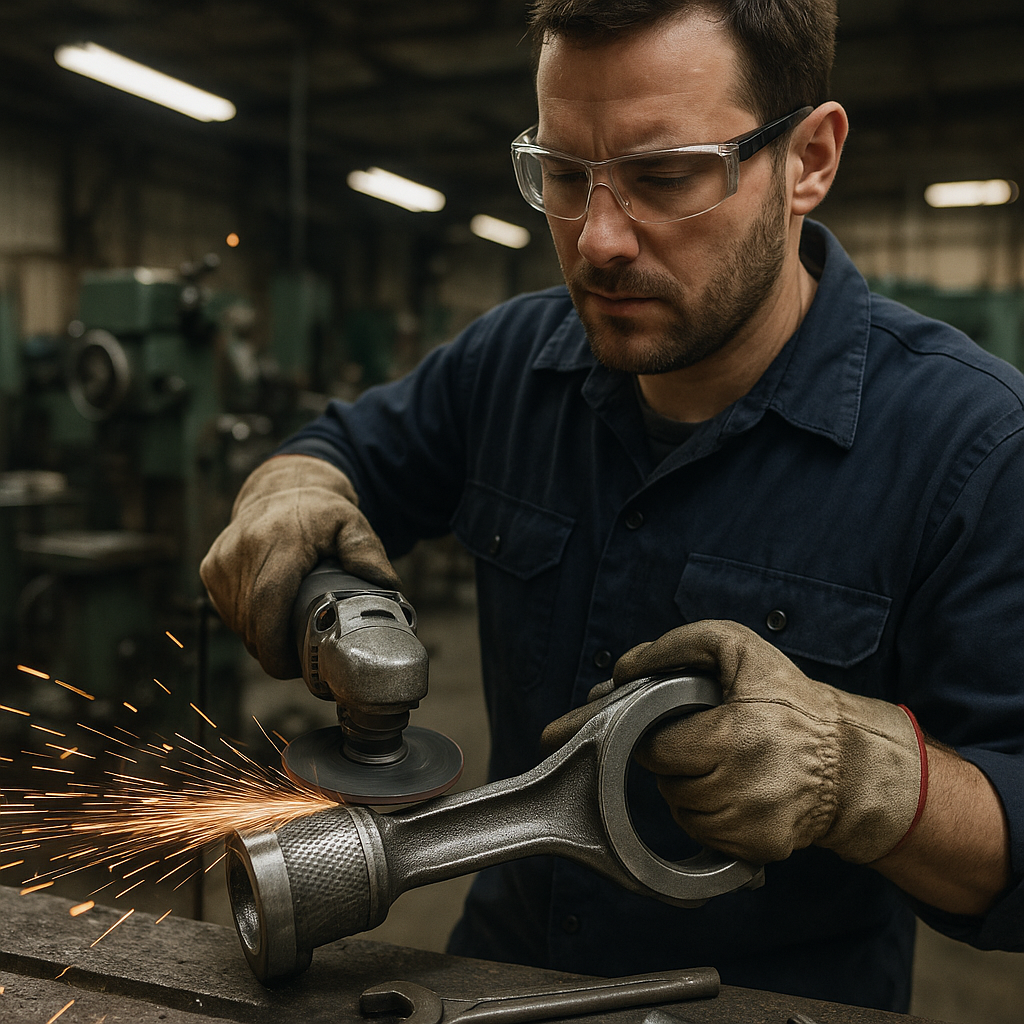
Heavy-duty industries depend on hydraulic cylinders for demanding operations. When these critical components reach the end of their service life, recycling and rebuilding are essential for maintaining equipment performance while reducing operational costs.
Scrap Recycling and Waste Management
The scrap recycling industry is one of the largest beneficiaries of hydraulic cylinder rebuilding services. Processing facilities use powerful hydraulic systems to operate shears that cut through thick metal, balers that compress materials, and shredders that break down waste streams. These machines operate under extreme stress conditions with frequent cycling.
Recycling hydraulic cylinders allows these facilities to restore their equipment to OEM specifications without the expense of complete replacement. The demanding nature of waste processing means cylinders face contamination from dust, debris, and corrosive materials. Professional rebuilding addresses seal wear, rod damage, and internal component degradation that occurs in this environment.
Mining and Construction Operations
Mining operations present some of the harshest conditions for hydraulic equipment. Underground mining requires cylinders that can function in extreme temperatures while handling massive loads. Surface mining operations expose equipment to abrasive materials and continuous duty cycles. Construction sites demand reliable performance from excavators, loaders, and cranes that cannot afford unexpected downtime.
Cylinder rebuilding helps these industries maintain consistent throughput by restoring hydraulic components before catastrophic failure occurs. The cost savings compared to new cylinder purchases allow mining and construction companies to allocate resources more effectively across their equipment fleets. Regular rebuilding programs also reduce the risk of operational delays that can cost thousands of dollars per hour in lost productivity.
Oil and Gas Industry Applications
Oil and gas operations require hydraulic cylinders that meet stringent safety and performance standards. Drilling rigs use massive cylinders for pipe handling, blowout preventer operation, and drilling platform positioning. Offshore applications add the challenge of saltwater corrosion and limited maintenance windows.
Recycling hydraulic cylinders in this sector involves specialized knowledge of pressure ratings, material certifications, and traceability requirements. The rebuilding process often includes upgraded sealing systems and corrosion-resistant coatings that extend service life beyond original specifications. This approach helps oil and gas companies maintain regulatory compliance while reducing maintenance costs.
Aerospace and Defense Applications
Aerospace and defense industries benefit from hydraulic cylinder recycling through specialized rebuilding programs that maintain critical performance specifications. Military vehicles, aircraft ground support equipment, and defense manufacturing systems require cylinders that meet exact tolerances and reliability standards.
The rebuilding process for aerospace applications often involves precision machining, specialized testing protocols, and documentation that satisfies military specifications. Civil and defense contractors use recycling services to maintain equipment readiness while managing budget constraints. The ability to restore cylinders to original performance levels ensures mission-critical systems remain operational.
Manufacturing and Marine Industries
Manufacturing operations across metallurgy, automotive production, and industrial processing rely on hydraulic cylinders for pressing, lifting, and positioning applications. These industries benefit from rebuilding services that minimize production interruptions through planned maintenance programs.
Marine operations face unique challenges from saltwater exposure and limited access for maintenance. Recycling hydraulic cylinders used in ship-to-shore cranes, offshore platforms, and marine construction equipment requires specialized knowledge of corrosion protection and environmental sealing. The rebuilding process often includes enhanced coatings and upgraded materials that provide superior performance in marine environments.
Conclusion: The Value of Rebuilding Hydraulic Components
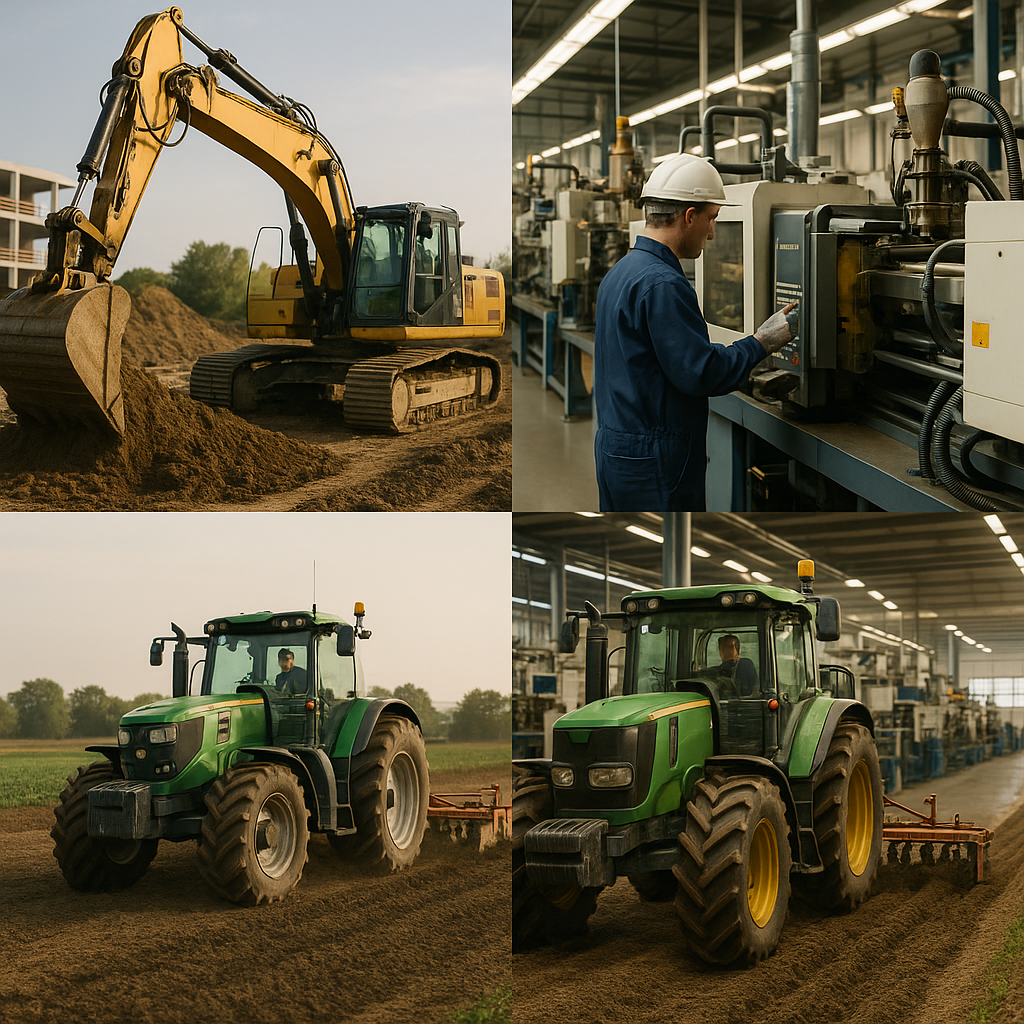
Rebuilding hydraulic pistons and rods offers a cost-effective and sustainable solution with significant benefits across various operational areas. This method reduces waste by up to 80% compared to creating new components and cuts carbon emissions by approximately 60%. Industries that opt for professional rebuilding services experience extended equipment life, lower maintenance costs, and efficiency levels comparable to new components. The process minimizes downtime through proactive maintenance strategies and enhances ROI by maximizing the value of existing hydraulic investments.
Professional rebuilding converts potential industrial waste into fully functional components performing like new equipment. This sustainable approach aligns with circular economy principles while providing the reliability and performance essential for modern industrial operations. Businesses aiming to optimize their hydraulic systems through professional rebuilding services can contact Okon Recycling at 214-717-4083.
Send Us a Message
Questions about what we do? Interested in commercial services? Let us know below and a member of our team will get back to you.