5901 Botham Jean Blvd, Dallas, TX 75215
Who Are the Primary Buyers of Scrap Excavator Bucket Teeth?
January 14, 2026The global market for excavator bucket teeth connects industrial equipment operators with the essential replacement parts needed to maintain high-capacity earthmoving operations. In the heavy machinery sector, downtime incurs significant costs, making reliable parts sourcing and the subsequent recovery of scrap materials critical for operational success. In early 2026, the industrial focus has shifted toward closed-loop systems where these high-wear components are systematically recycled rather than discarded.
Primary buyers of scrap excavator bucket teeth include specialized industrial importers and companies in the construction, mining and equipment servicing sectors. Organizations distributed across the United States and international markets actively source these materials to extract high-value alloys. Heavy industry drives much of this demand, as the need for durable Ground Engaging Tools (GET) remains constant across diverse project sites and environments.
Industrial recycling of excavator bucket teeth supports the circular economy while helping firms meet sustainability compliance requirements. Professional facilities accept various forms of this scrap, including worn teeth, adapters and pins. Understanding the metallurgical value of these items streamlines the recovery process and ensures that facilities receive competitive pricing for their high-alloy steel waste.
What Specific Qualities and Materials Are Essential for Recovery?
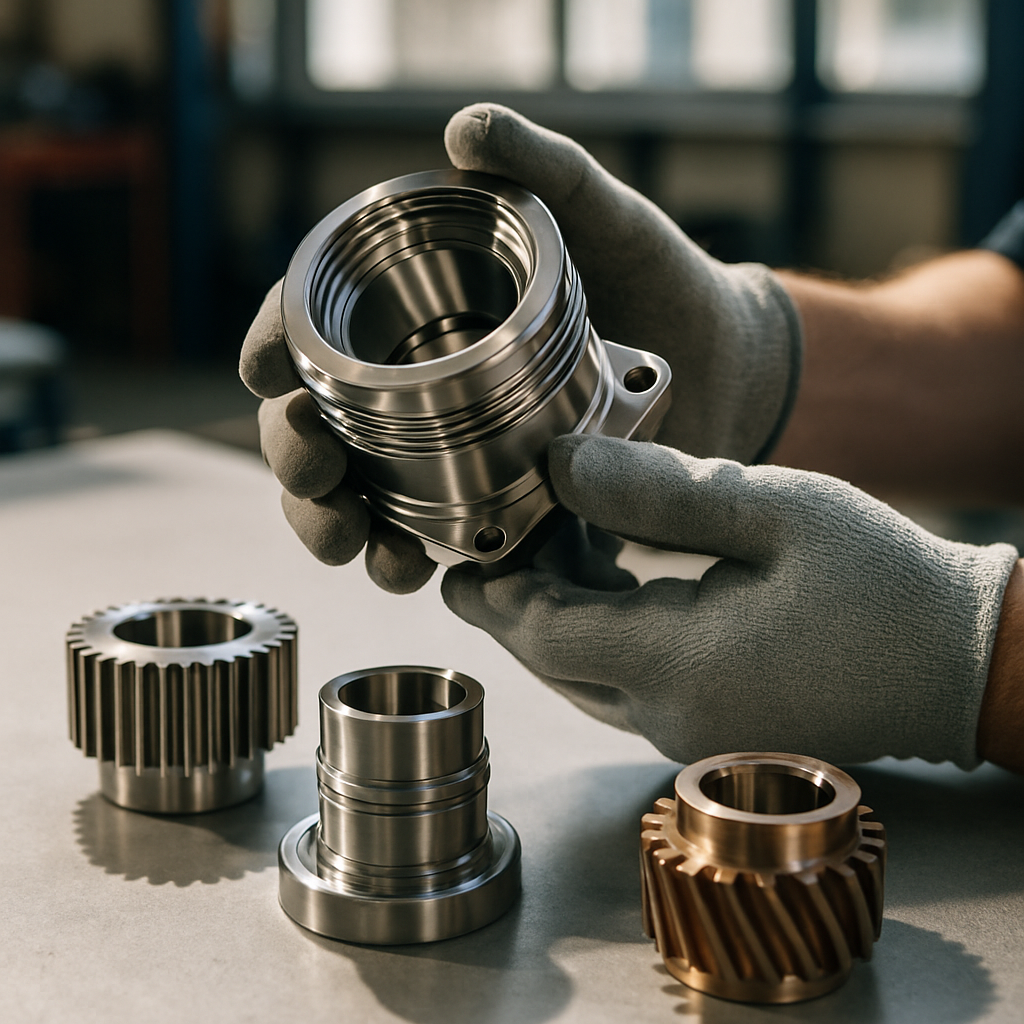
Recycling facilities demand high-quality alloy steel and forged materials when sourcing excavator bucket teeth for scrap. These materials provide the durability essential for heavy-duty excavators in challenging environments. High-manganese steel (often referred to as Hadfield steel) offers excellent toughness and work-hardening properties, making it highly valuable in the secondary metals market.
The Role of Heat Treatment in Material Value
Heat treatment is a crucial specification in the manufacturing of bucket teeth that directly affects their value as scrap. Properly heat-treated bucket teeth offer significantly better wear resistance compared to standard cast steel alternatives. This enhanced durability ensures that even when the part reaches its “end-of-life,” the underlying metal chemistry remains a high-value feedstock for specialized foundries. In a professional recycling program, identifying these heat-treated alloys is vital for accurate grading.
Essential Material Properties for Industrial Feedstock
Professional buyers and recyclers prioritize specific material characteristics when assessing bucket teeth for recovery:
- High-alloy steel composition for superior impact resistance in secondary melts.
- Forged construction ensuring a consistent grain structure for high-purity recycling.
- Heat-treated surfaces that maintain metallurgical integrity throughout their service life.
- Precision casting processes that eliminate internal defects and non-metallic inclusions.
- Surface-hardened alloys enhanced through specialized quenching treatments.
Alloy steel provides an optimal balance between strength and toughness, effectively managing the varied demands of waste sorting and processing applications. Surface-hardened steel, enhanced through specialized quenching and alloy processes, significantly improves the recovery yield during the smelting of recycled materials.
Advanced Metallurgy: Identifying Manganese and Hardened Alloys
To maximize the revenue from a heavy equipment scrap stream, it is vital to understand the difference between standard carbon steel and the high-performance alloys used in bucket teeth. Misclassifying these materials as “mixed iron” can lead to significant financial loss for an industrial facility.
The Magnetic Test for Manganese Steel
One of the most unique aspects of high-manganese steel is its magnetic property—or lack thereof. While standard steel is strongly magnetic, properly heat-treated austenitic manganese steel is non-magnetic or only weakly magnetic. In a professional recycling facility, technicians use this “magnet test” as a primary sorting method. If a bucket tooth does not attract a magnet, it likely contains 12 to 14 percent manganese, placing it in a much higher pricing tier than standard ferrous scrap.
Work-Hardening and Scrap Processing
Manganese steel is famous for its ability to “work-harden.” The more it is struck or abraded, the harder its surface becomes, while the core remains tough and ductile. For the recycler, this means that worn bucket teeth from a granite quarry may be harder to shred than those from a sand pit, despite being the same part number. Professional recycling centers utilize high-torque hydraulic shears to process these work-hardened materials, ensuring they are cut to “furnace-ready” dimensions for specialized steel mills.
Industrial Scrap Management: Best Practices for Equipment Parts
For large-scale construction and mining firms, managing the flow of worn Ground Engaging Tools (GET) is an essential part of facility logistics. Implementing a structured scrap management program can turn a disposal expense into a reliable revenue line item.
Source Segregation and Dedicated Bin Systems
The “Golden Rule” of heavy equipment recycling is source segregation. Mixing bucket teeth with common structural steel or light-gauge tin will devalue the entire load. Industrial managers should implement dedicated bin systems specifically for GET parts. Professional recycling partners can provide heavy-duty, forklift-handled containers designed to withstand the weight of solid steel teeth. Clearly labeling these bins for “High-Alloy” or “Manganese” ensures that shop personnel sort materials correctly at the point of generation.
Quantifying Volume and Recovery Cycles
Efficiency in recycling is often tied to volume. Rather than scheduling frequent small pickups, facilities should quantify their scrap generation over a month and coordinate with a recycler that offers roll-off container services. This reduces transportation-related carbon emissions and allows for more transparent, volume-based pricing. A professional recycling partner will provide detailed weight tickets and metallurgical grading reports for every load, ensuring the facility receives the full market value of the alloy content.
What Information Is Required for High-Volume Scrap Transactions?
Price quotations are the technical foundation of any industrial recycling agreement. These should include detailed pricing per ton or per pound, covering logistics, applicable certifications and current market index linkings. Buyers often request various pricing tiers based on order volume, as bulk recovery programs can offer significant efficiencies.
Minimum Quantity and Technical basis
In the industrial sector, minimum order quantities (MOQ) or “minimum weight thresholds” often apply to specialized alloy collections. Suppliers must communicate these thresholds, which may range from individual palletized sets to full roll-off containers. Technical basis requests often extend beyond basic weight to include material certifications, heat treatment details and the specific excavator models the teeth were sourced from (e.g., KOMATSU, CATERPILLAR or VOLVO). This fits-into-the-melt information ensures the mill knows exactly what chemistry they are purchasing.
FOB Logistics and Rapid Response
International and interstate transactions require a clear explanation of FOB (Free On Board) pricing structures. Industrial sellers need to know where their responsibility for shipping costs and liability ends. Transparency in these logistics helps calculate the “landed value” of the scrap metal. Furthermore, in 2026, response time expectations have intensified; professional recycling firms are now expected to provide metallurgical assessments and logistics plans within 24 to 48 hours to minimize clutter on the project site.
Companies Purchasing Used or Surplus Equipment Parts
Several specialized industrial firms actively purchase used, surplus and even non-working construction equipment parts across the United States. These organizations focus on asset recovery, extracting value from components that might otherwise occupy landfill space. Global asset recovery specialists often target items from hydraulic excavators and wheel loaders that are between 5 and 15 years old.
The market for surplus parts extends beyond complete machines to individual high-value components. Professional buyers collaborate with dealers and distributors to recover value from excess inventory or obsolete genuine and aftermarket parts. These firms recognize that even a non-working machine contains high-value hydraulic systems, engines and specialized attachments that can be salvaged, refurbished or melted down for their high-purity alloys.
Equipment buyers assess value based on the condition of individual components. For instance, a bulldozer’s hydraulic system, blade or tracks may retain significant value even when the engine is seized. This component-level evaluation allows servicing companies to maximize recovery value while supporting sustainable material flows in the construction industry. The subsequent refurbishment process transforms these salvaged items into reliable components for the secondary market, extending equipment lifecycles and reducing the demand for primary manufacturing energy.
Conclusion: Maximizing Recovery for Excavator Bucket Teeth
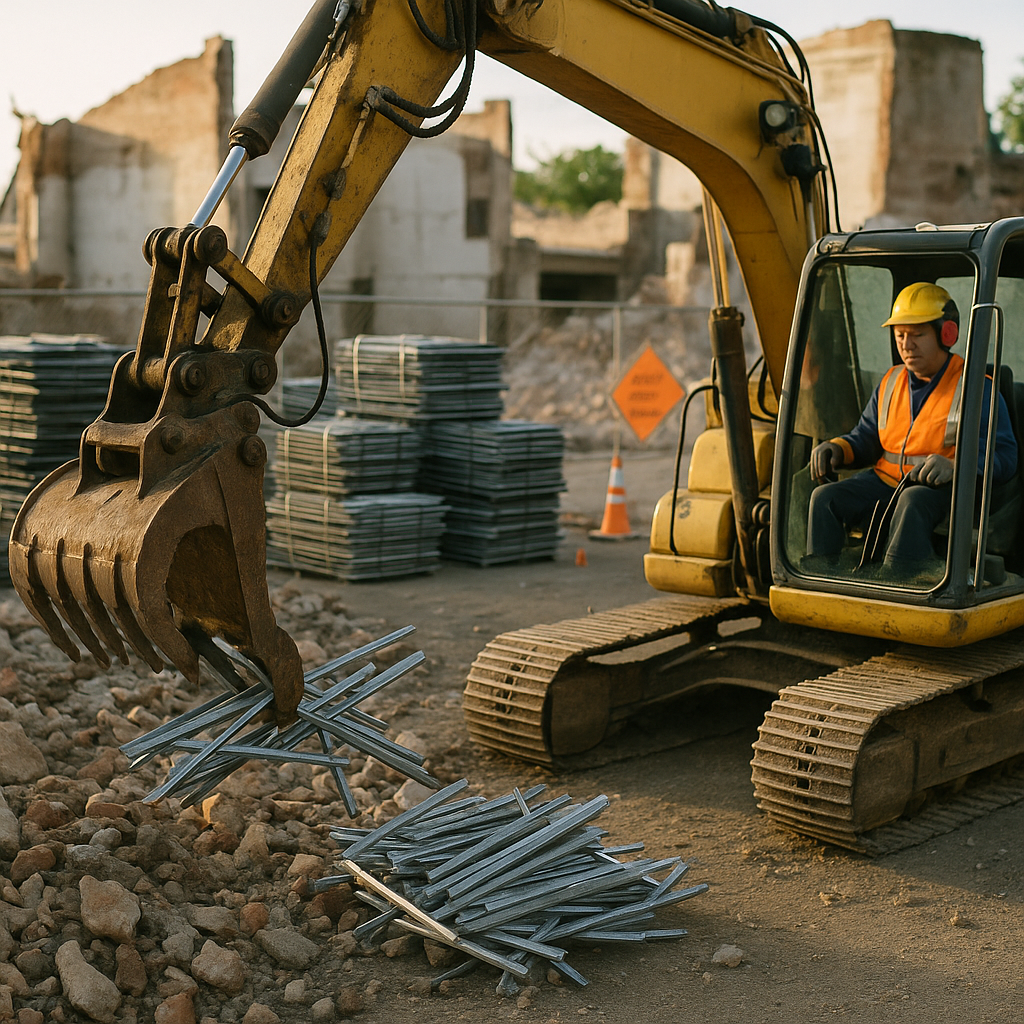
The systematic recycling of excavator bucket teeth provides a practical way for heavy industry to generate revenue while supporting global environmental goals. By identifying high-manganese and heat-treated alloys, maintaining strict source segregation and partnering with a professional industrial recycler, facilities can significantly improve their bottom line. In early 2026, the combination of advanced metallurgical analysis and efficient logistics has made heavy equipment parts a premium asset in the scrap metal market.
Success in GET recovery requires a commitment to quality and transparency. Whether you are managing a single job site or a national fleet of waste management equipment, understanding the value of your high-wear steel is essential for operational excellence.
For comprehensive heavy equipment recycling services, competitive industrial pricing and specialized alloy recovery solutions, contact Okon Recycling at 214-717-4083 to optimize your resource management strategy.
Send Us a Message
Questions about what we do? Interested in commercial services? Let us know below and a member of our team will get back to you.