5901 Botham Jean Blvd, Dallas, TX 75215
Corporate Scrap Metal Vendor in Texas: A Guide to 2026 ESG Compliance and Revenue Recovery
December 18, 2025Texas businesses generate millions of tons of scrap metal annually from manufacturing, construction, and industrial operations. While most companies view this material as waste that incurs disposal costs, smart businesses recognize scrap metal as a valuable resource that can generate revenue while supporting environmental goals.
Corporate scrap metal specialists in Texas offer comprehensive industrial recovery programs tailored to business needs. These partnerships transform obsolete ferrous and non-ferrous metals into profit generators rather than disposal expenses. Companies can streamline waste management operations while meeting increasingly strict environmental regulations and sustainability targets.
The dual benefits of financial gain and environmental responsibility make partnering with a professional recovery specialist essential for modern Texas businesses. Recovering aluminum alone uses 95% less energy than producing new aluminum from raw materials. Commercial material recovery reduces operational costs, creates additional revenue streams, and demonstrates corporate environmental stewardship to customers and stakeholders.
Services Offered by Industrial Material Recovery Specialists
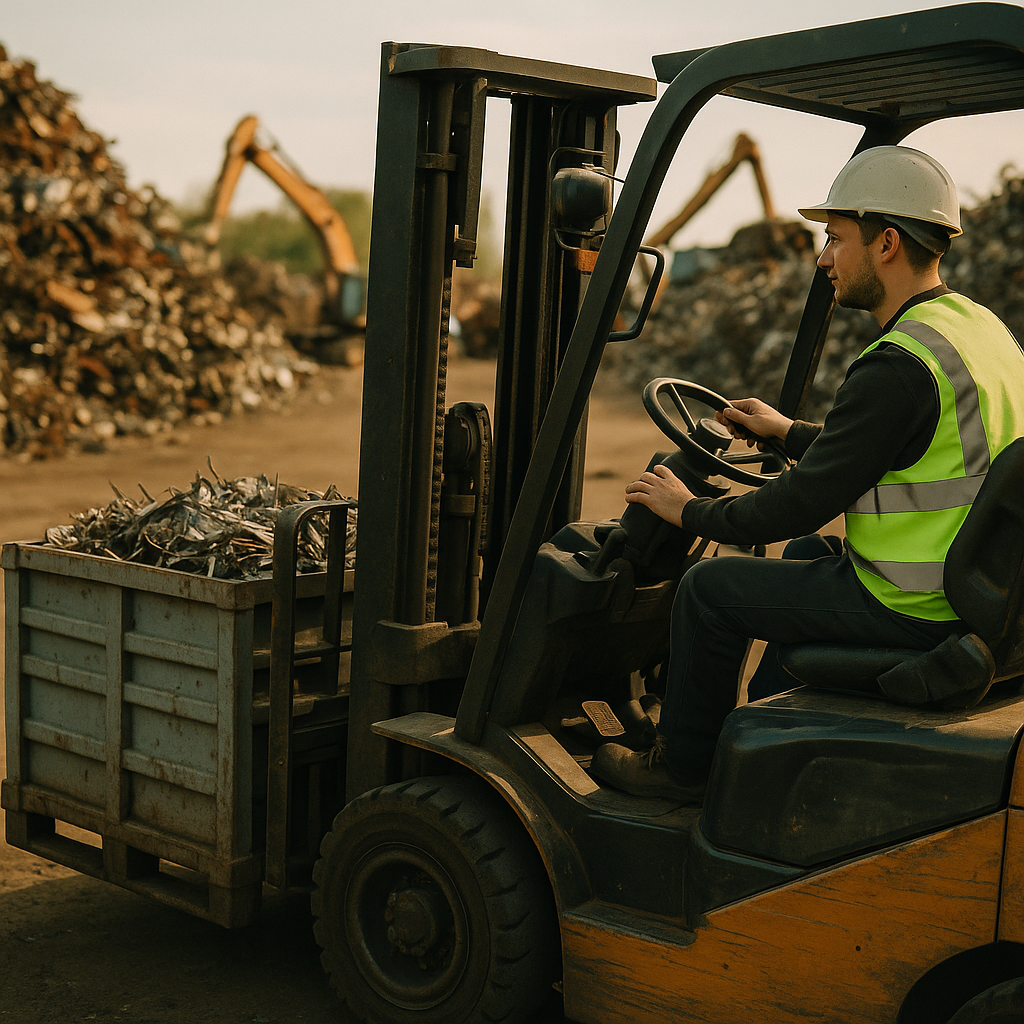
Industrial scrap metal specialists in Texas provide comprehensive solutions tailored to the complex needs of commercial clients. These specialists extend their services beyond simple metal purchasing to offer integrated material management systems that optimize operations for manufacturers, construction companies, and large-scale demolition projects.
The core of industrial scrap metal services revolves around purchasing both ferrous and non-ferrous metals at competitive market rates. Specialists accept steel, iron, aluminum, copper, brass, and stainless steel from industrial sources. They offer flexible payment options, including ACH transfers and wire payments, to accommodate diverse business accounting needs.
Container solutions are a crucial component of industrial recovery services. Commercial clients have access to various containment options to match their specific operational needs:
- Roll-off containers ranging from 10 to 50 cubic yards
- Specialized bins and hoppers for different metal types
- Drums and tubs for smaller volume collections
- Gaylords and pallets for organized material handling
- Custom-sized metal boxes and flipper buckets
Logistics support is another essential service. Industrial specialists provide flatbed trailers, end-dump trailers, and specialized transportation equipment to manage large-volume pickups and deliveries. This infrastructure ensures efficient material movement from client facilities to processing centers without business disruptions.
| Container Type | Description | Typical Applications |
|---|---|---|
| Wire Containers | Economical, clean, and versatile | Order-picking and improving visibility in storage areas |
| Collapsible Containers | Durable, stackable, and reusable | Transportation and space-saving storage |
| Metal Containers | Strong and secure, easy to clean | Heavy-duty applications and environments requiring sanitation |
| Intermediate Bulk Containers (IBCs) | Engineered for mass handling and transport | Chemical, pharmaceutical, and food industries |
| Industrial Drums | Large, cylindrical containers for bulk goods | Shipping and storing liquids or metal shavings |
Specialized services cater to unique industrial requirements that standard operations cannot address. Mobile processing services bring equipment directly to client sites—particularly valuable for automotive fleet operators. Industrial demolition services offer comprehensive teardown and scrap metal recovery for facility decommissioning projects.
Industry-specific solutions address the distinct needs of different sectors. Machine shops receive tailored services for metal shavings and fabrication waste. HVAC contractors use specialized recovery for air conditioning units and copper tubing. Electrical contractors benefit from wire stripping services and transformer recovery programs.
Many professional specialists offer online tracking portals that allow clients to monitor their scrap metal transactions, shipments, and payments in real time. These digital tools provide flexible payment terms and job tracking capabilities that help businesses maintain better oversight of their recovery operations.
What to Look for in a Material Recovery Partner

Trust forms the foundation of any successful recovery partnership. Businesses need partners who consistently demonstrate reliability in collection schedules, accurate weight measurements, and fair pricing practices. A trustworthy specialist maintains transparent communication about market fluctuations and provides detailed documentation for every transaction.
Transparency involves clear pricing structures and comprehensive reporting. Quality partners offer real-time market pricing information and explain how rates are determined. They provide detailed invoices that categorize materials by type and weight, ensuring businesses understand the value of their scrap materials.
ESG Impact Documentation and Reporting
Environmental, social, and governance (ESG) reporting has become essential for businesses aiming to enhance their corporate reputation. Partners who offer thorough ESG documentation help companies demonstrate their commitment to sustainable practices to stakeholders and customers. This reporting can significantly improve a company’s market position and appeal to environmentally conscious clients.
Advanced recovery centers provide detailed carbon footprint analysis and waste diversion metrics. These reports quantify the environmental benefits of recovery programs, including energy savings and emissions reductions. Such documentation proves invaluable for reporting sustainability achievements to regulatory bodies or in annual reports.
Technology-Enabled Tracking Systems
Modern recovery operations utilize sophisticated tracking technology to monitor materials throughout the process. Technology-enabled tracking systems provide real-time visibility into scrap movement and processing status, helping businesses maintain accurate inventory records and ensuring compliance with internal audit requirements.
These digital systems also enhance security by creating detailed chain-of-custody documentation. Companies can verify that their materials are processed according to environmental standards and regulatory requirements. This level of oversight reduces liability risks and provides peace of mind regarding responsible material management.
Competitive Pricing and Market Alignment
Transparent pricing based on current market values ensures businesses receive fair compensation for their scrap materials. Quality partners provide regular market updates and explain how global commodity prices affect local rates. They offer competitive pricing structures that reflect true material values rather than arbitrary rates.
Pricing transparency includes clear explanations of any processing fees or deductions. Professional recovery specialists supply detailed breakdowns of how final payments are calculated, taking material quality and contamination levels into account. This openness helps businesses optimize their scrap preparation processes to maximize returns.
Safety Practices and Regulatory Compliance
Safety standards reflect a specialist’s overall professionalism and reliability. Partners with robust safety programs demonstrate their commitment to protecting both workers and client facilities during collection and processing operations. Strong safety records indicate operational excellence and reduced liability exposure.
Compliance with environmental regulations protects businesses from potential legal issues. Quality recovery specialists maintain all necessary permits and certifications, ensuring that materials are processed according to local and federal requirements. They provide documentation proving proper disposal methods and environmental compliance.
Industries Served by Texas Scrap Metal Specialists
Texas scrap metal specialists support a diverse network of commercial and industrial clients across various sectors. Manufacturing companies form a primary client base, generating significant volumes of ferrous and non-ferrous materials through fabrication processes. These operations produce metal shavings, turnings, molds, and obsolete equipment that require appropriate recovery channels.
Construction firms and contractors represent another substantial customer segment. These businesses accumulate structural steel, rebar, copper wiring, and aluminum components during building projects, renovations, and demolition work. Heavy industrial companies in sectors like oil and gas, chemical processing, and energy generation also rely on scrap metal services for their end-of-life equipment and maintenance waste.
Service-based industries contribute notably to scrap metal volumes. Electricians generate copper wire, electrical meters, and conduit materials from installation and repair work. Plumbers produce brass fittings, copper pipes, and water heater components. HVAC services create significant scrap through unit replacements involving aluminum coils and copper lines.
The automotive and transportation sectors provide consistent material streams. Fleet operators and dismantlers process end-of-life vehicles, generating steel, aluminum, and copper. Machine shops contribute precision metal components, tooling, and machining waste from manufacturing operations.
Registered Metal Recovery Entities in Texas
The Texas Department of Public Safety (DPS) maintains an official registry of all Metal Recycling Entities (MREs) in the state. This comprehensive record is the primary resource for businesses seeking verified partners and includes detailed information about each licensed facility in Texas under the Texas Metals Program.
The list contains essential details for every registered entity, such as the business name, complete address, and contact information. It also provides certificate identification numbers and expiration dates, making it easy to verify legitimate operations. Texas DPS organizes the registry alphabetically by city and company name, covering major hubs like Houston, Dallas, Austin, and San Antonio.
Benefits for Business Verification
The official registry serves as a critical verification tool. Companies can confirm that potential partners hold proper licenses, avoiding partnerships with unlicensed operations. Working with registered entities demonstrates due diligence, which is valuable during audits or regulatory inquiries. To stay compliant in 2025, businesses must ensure their partners are buttoned up with mandatory reporting and record-keeping for regulated metals like copper and HVAC components.
Conclusion: Choosing Your Industrial Recovery Partner

Choosing the right industrial scrap metal partner in Texas is a strategic decision affecting both your finances and sustainability goals. Focusing on partners offering transparency, comprehensive services, and environmental commitment allows your business to manage scrap metal effectively while contributing to the circular economy. The best partners provide competitive pricing, reliable pickup services, and advanced processing technologies that maximize material recovery.
When evaluating partners, prioritize those with proven industrial recovery track records, strong sustainability practices, and the capacity to meet your management needs. For businesses seeking a reliable partner in Texas that combines operational excellence with environmental responsibility, contact Okon Recycling at 214-717-4083.
Send Us a Message
Questions about what we do? Interested in commercial services? Let us know below and a member of our team will get back to you.