5901 Botham Jean Blvd, Dallas, TX 75215
Discover the Best Options for Recycling Scrap Metal in Odessa, TX?
January 20, 2026Unused scrap metal in your garage or warehouse does not have to remain worthless clutter. In Odessa, Texas, established recycling centers turn your unwanted metal into cash payments while promoting sustainable materials recovery throughout the Permian Basin. By clearing out obsolete machinery and household scrap, property owners can contribute to a cleaner local environment while benefiting from current market rates for raw materials.
The city hosts multiple full-service scrap metal recycling facilities catering to diverse needs. Professional centers in Odessa bring decades of experience to the region, offering drop-off services, specialized container programs, and industrial-scale processing. Whether you are an individual with a few aluminum cans or a project manager overseeing a massive demolition, local facilities are equipped with the certified scales and heavy machinery required for accurate and efficient recycling.
What Services Do Odessa Scrap Metal Plants Provide?
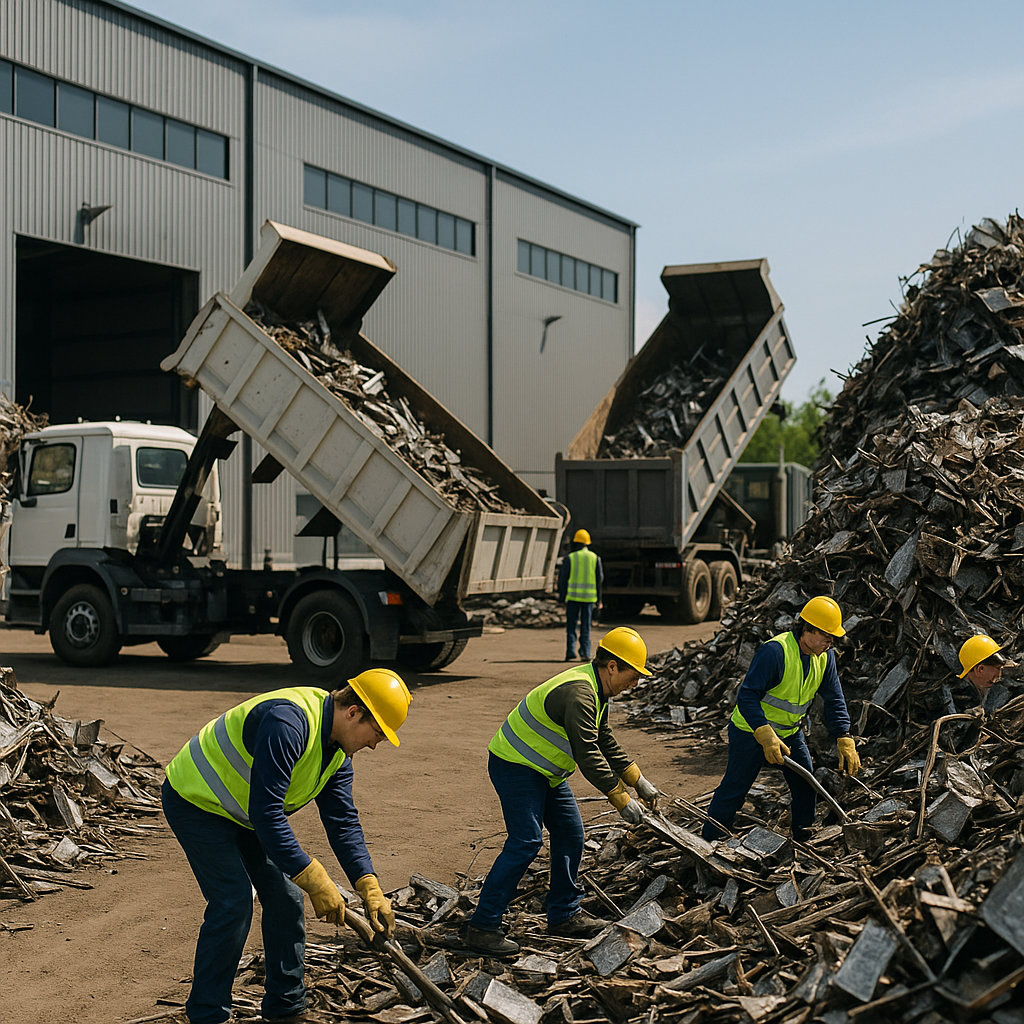
Scrap metal facilities in Odessa offer comprehensive services for both individual and commercial customers, handling everything from small household items to large industrial materials. The goal is to make metal recycling accessible and convenient for all residents of the Permian Basin.
Drop-off recycling is the simplest service option. Customers bring their scrap directly to the facility for immediate processing and payment. This approach suits individuals with smaller quantities, such as copper piping or aluminum siding, who prefer managing transport themselves. Upon arrival, staff members assist in identifying the metal types to ensure the customer receives the correct market rate.
Box services offer added convenience for larger residential or commercial operations. Facilities deliver containers to customer locations, allowing workers to load them at their own pace during a cleanout or renovation. Once the container is full, the recycling plant returns to collect the materials. This service eliminates transportation concerns and is ideal for projects that generate a steady stream of scrap over several days.
Roll-off container services cater specifically to high-volume commercial and industrial needs. Large bins—often ranging from 20 to 40 yards—are deployed to job sites, manufacturing facilities, and oil fields. This flexibility supports construction sites and ongoing business operations by providing a centralized location for all scrap waste, which is then hauled away on a scheduled or on-call basis.
Car crushing services deal with end-of-life vehicles and automotive scrap. These specialized operations process entire vehicles safely and efficiently, removing hazardous materials like mercury switches and lead-acid batteries before crushing the chassis. This ensures proper recovery of ferrous metals from the vehicle body and non-ferrous metals from engine components and wiring harnesses.
Salvage yard operations complement traditional recycling services by extracting every possible bit of value from damaged vehicles and industrial equipment. This comprehensive approach maximizes material recovery while supporting environmental compliance and providing a steady supply of feedstock for domestic steel mills and refineries.
How Does the Scrap Metal Recycling Process Work?
The scrap metal recycling process combines customer convenience with industrial efficiency. Most facilities in Odessa design their operations to make selling scrap metal straightforward while maintaining rigorous state-mandated processing standards.
When customers arrive at recycling facilities, the process typically begins with material identification. Staff members examine the scrap to determine metal types and grades. Because different alloys have vastly different market values, this initial assessment is crucial for establishing accurate pricing and sorting requirements.
Customer Experience at Recycling Facilities
The weigh-and-pay system forms the backbone of customer transactions. After material identification, recyclables are taken to certified scales for precise weight measurements. These scales are regularly inspected by the state to ensure fair compensation. For large loads, trucks are weighed full and then weighed again after unloading to determine the net weight of the scrap.
Payment methods follow Texas state law. While many facilities offer immediate payment for standard scrap, regulated scrap materials may require specialized payment systems to deter theft. This often involves the use of non-transferable checks or electronic payment systems that provide a clear audit trail.
Documentation requirements protect both customers and facilities. All suppliers must provide valid government-issued photo identification to sell scrap metal. This requirement helps facilities comply with state regulations and maintain transaction records, which is a standard practice across the industrial recycling sector.
Processing and Refinement Steps
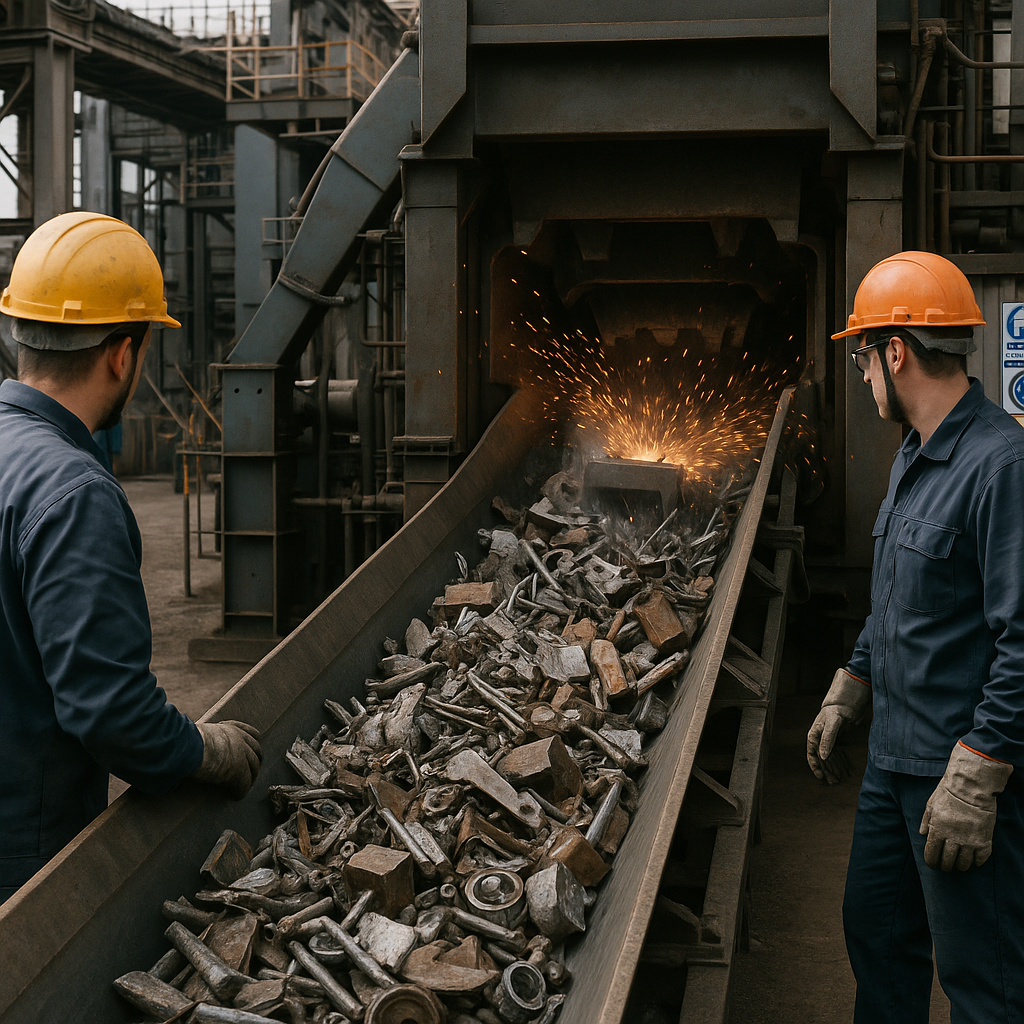
Once purchased, scrap metal enters a high-tech processing pipeline. The recycling process generally includes sorting, shredding, melting, and purification. Sorting technology separates ferrous from non-ferrous metals using powerful magnetic separators. Advanced facilities may also use eddy current separators to pluck non-ferrous metals like aluminum from a moving conveyor belt of mixed waste.
Processing involves shredding, shearing, or torching scrap into optimal sizes. Reducing the size of the metal increases the surface-area-to-volume ratio, which makes the melting process in a furnace much more energy-efficient. After melting, the metal is filtered to remove impurities and solidified into ingots or sheets, ready to be shipped to manufacturers to create new products.
What Types of Metals Are Accepted and Which Are Prohibited?
Accepted Scrap Metal Types
Odessa recycling centers welcome a wide range of ferrous and non-ferrous scrap metals. Ferrous materials, which contain iron and are magnetic, include steel beams, cast iron pipes, and various grades of plate and structural scrap. These materials are recycled in massive quantities to support the American steel industry.
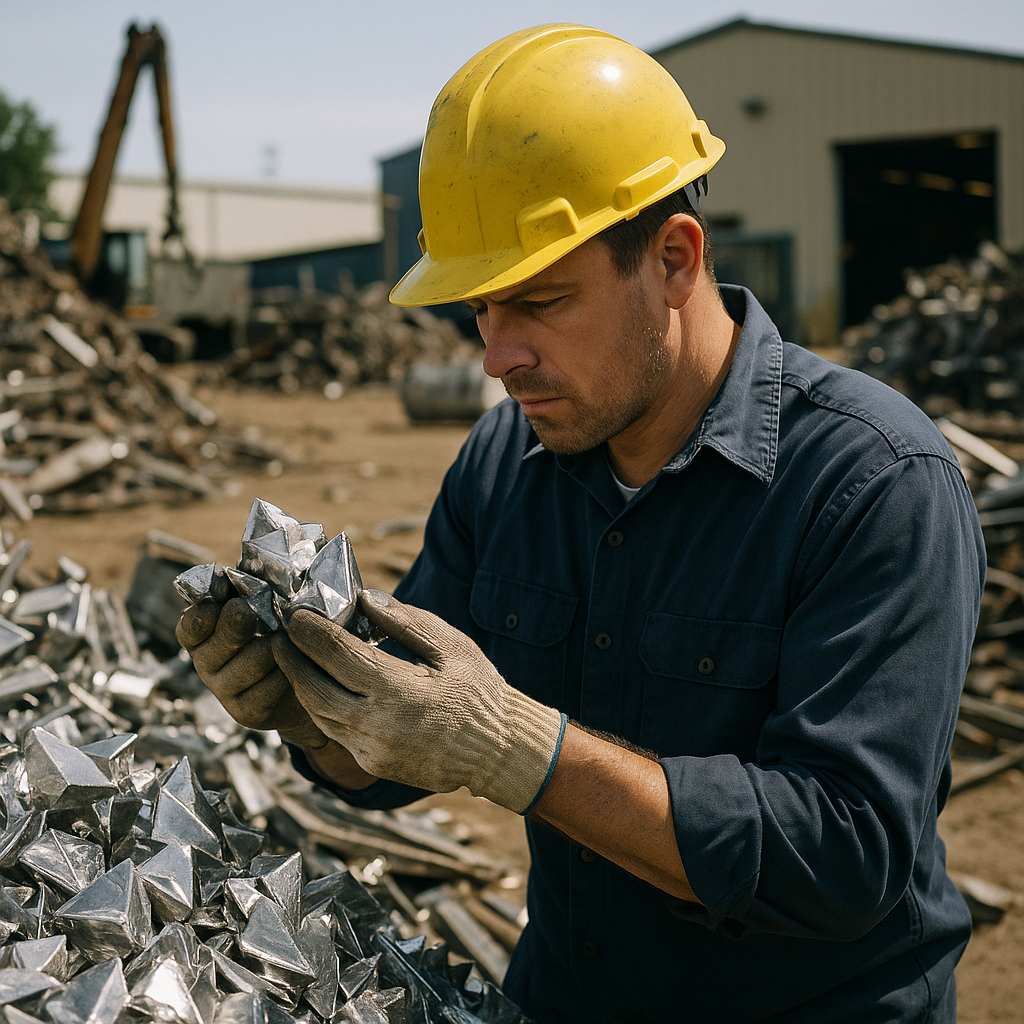
Non-ferrous metals, which typically command higher prices because they are more resistant to corrosion, include copper, aluminum, brass, and stainless steel. In the Permian Basin, industrial scrap like insulated copper wire and brass valves are particularly common. Facilities also accept specialized metals like nickel, lead, and tin. Clean aluminum—from siding to wheels—is another staple of the regional recycling market.
Large items like junk cars and appliances are also accepted. Automotive recycling includes the vehicle body and components like aluminum wheels and brass radiators. Household appliances such as refrigerators and air conditioning units provide substantial amounts of recoverable steel and copper wiring, provided they are handled by professionals who can safely reclaim refrigerants.
Strictly Prohibited Materials
Safety regulations and environmental compliance impose strict prohibitions on certain materials. Hazardous waste, including asbestos-containing materials and radioactive substances, is never accepted. Materials containing mercury, such as certain thermostats and older fluorescent light switches, require specialized disposal and cannot be processed in a standard scrap yard.
Electronic equipment like computers, monitors, and televisions often requires specialized e-waste facilities because they contain leaded glass and other hazardous components that standard shredders cannot process. Similarly, sealed containers like propane tanks or fire extinguishers are prohibited unless they have been professionally decommissioned, depressurized, and have a visible hole to prove they are empty.
Chemical hazards, flammable materials, and corrosive substances like battery acid are also excluded. Understanding these distinctions helps ensure efficient processing and compliance with both local regulations and industry safety standards. Materials that appear metallic but contain prohibited substances can contaminate entire loads, causing significant delays and potential fines for the seller.
How Scrap Metal Recycling Benefits the Permian Basin Environment
In a region dominated by heavy industry and energy production, scrap metal recycling is a vital pillar of environmental stewardship. By diverting millions of pounds of metal from West Texas landfills, the community is actively preserving natural resources and reducing the carbon footprint of local operations.
Energy Conservation and Emission Reduction
One of the most profound benefits of recycling is energy savings. Producing aluminum from recycled scrap uses 95 percent less energy than producing it from raw bauxite ore. For steel, the energy savings is roughly 60 to 75 percent. Because the Permian Basin generates thousands of tons of steel scrap from old drilling rigs and pipelines, the cumulative energy savings are immense. These lower energy requirements translate directly into fewer greenhouse gas emissions, helping industrial companies meet their sustainability targets.
Protecting Soil and Groundwater
When metal is left to rust in a field or sent to a landfill, it can leach heavy metals into the soil. In the semi-arid climate of West Texas, protecting the integrity of the soil and local aquifers is paramount. Professional recycling facilities in Odessa operate on concrete pads with sophisticated stormwater management systems. This ensures that any residual oils or fluids from scrap machinery are captured and treated, rather than soaking into the ground. By choosing professional recycling over “wildcat” dumping, businesses and residents protect the long-term health of the Texas landscape.
Industrial Efficiency: Preparing Your Load for Maximum Value
For businesses in Odessa looking to maximize their return on scrap metal, preparation is key. A few simple steps taken at the job site can significantly increase the payout per pound and speed up the transaction at the recycling center.
The “Source Separation” Advantage
The most common mistake in scrap recycling is “commingling”—mixing high-value metals with low-value scrap. For example, if copper tubing is mixed into a bin of heavy iron, the entire load may be priced at the lower iron rate. By providing separate bins for copper, brass, and aluminum at the point of generation, workers can ensure that each material is graded at its maximum value. Using a simple magnet to separate ferrous from non-ferrous metals is the easiest way to begin this process.
Cleaning and De-Manufacturing
Recyclers pay a premium for “clean” scrap. This means removing non-metal attachments such as plastic handles, rubber hoses, or wood frames. For electric motors or transformers, “stripping” the copper wire from the steel housing can turn a low-value item into a high-value one. While professional facilities can do this processing for you, doing it on-site allows your business to capture the added value. Additionally, ensuring that scrap is cut to “prepared” lengths (usually under 3 or 5 feet) can further increase the price per ton, as it saves the recycler the labor of shearing the material themselves.
Conclusion: Finding the Right Scrap Metal Plant in Odessa
Recycling scrap metal in Odessa is both simple and profitable, thanks to experienced local facilities. Whether you have a small load for drop-off, need a roll-off container for a large project, or want to recycle an old vehicle, professional plants provide convenient solutions tailored to the unique needs of West Texas. Understanding their services and accepted materials can help you efficiently convert your unused metal into cash while supporting the local industrial economy.
These recycling services offer the expertise and infrastructure necessary to manage various metal types while ensuring competitive pricing for your materials. For businesses and individuals seeking comprehensive recycling solutions that prioritize transparency and environmental responsibility, contact Okon Recycling at 214-717-4083 for professional assistance.
Send Us a Message
Questions about what we do? Interested in commercial services? Let us know below and a member of our team will get back to you.