5901 Botham Jean Blvd, Dallas, TX 75215
Municipal Solid Waste Metal Recovery: Techniques, Benefits, and Future Trends
October 16, 2025In our increasingly resource-conscious world, Municipal Solid Waste (MSW) metal recovery is a vital process that extracts valuable metals from waste streams bound for landfills. This specialized recycling targets metals like iron, aluminum, copper, and zinc from waste incineration ash and various municipal waste sources, transforming potential environmental burdens into valuable resources.
The environmental benefits of MSW metal recovery are significant. Each ton of recovered metal represents not just material diverted from landfills but also considerable energy savings compared to mining virgin materials. For instance, recovering aluminum from waste requires just 5% of the energy needed for primary production from bauxite ore. This process also prevents the leaching of heavy metals into soil and groundwater, reducing contamination risks.
Beyond environmental advantages, MSW metal recovery creates economic opportunities throughout the recycling chain. The process employs advanced separation techniques, including magnetic separation for ferrous metals, eddy current separation for non-ferrous metals, and increasingly sophisticated methods like sensor-based sorting technologies. These methods have evolved significantly, allowing higher recovery rates and purer material streams that can be directly reintroduced into manufacturing processes, fostering a genuine circular economy for these valuable resources.
What Extraction Methods are Used for Metal Recovery?
Metal recovery from waste materials relies on various extraction methods that separate valuable elements from surrounding materials. Chemical leaching is one of the most widely implemented approaches, using acidic solutions like sulfuric acid (H2SO4) or alkaline solutions such as sodium hydroxide (NaOH) to dissolve target metals. These solutions react with metal compounds, transforming them into soluble forms that can be separated and processed further.
Traditional physical separation techniques complement chemical processes through mechanical sorting, magnetic separation, and density-based methods. These approaches concentrate metal-bearing materials before chemical treatment, improving overall recovery rates. However, conventional heating methods used with acid leaching often consume substantial energy and require extended processing times.
Microwave-assisted acid extraction has emerged as a promising innovation in metal recovery. This technique uses electromagnetic radiation to rapidly heat the material-acid mixture, dramatically accelerating reaction rates. The energy penetrates directly into the waste material, creating uniform heating that enhances metal dissolution efficiency. Research shows that microwave-assisted extraction significantly outperforms conventional heating approaches in several critical aspects.
The advantages of microwave-assisted extraction are substantial. Studies indicate it can recover up to 75% of chromium and 71% of cobalt from bottom ash, representing extraction rates that would require significantly longer processing times using conventional methods. The approach also reduces energy consumption while maintaining high recovery rates. For industrial operations processing large volumes of waste, this translates to considerable cost savings and environmental benefits.
Another key benefit of microwave-assisted methods is their reduced chemical consumption. These systems typically require smaller volumes of acid extracting agents while delivering comparable or superior results. A comparative analysis found that microwave-assisted extraction completed in minutes what conventional systems achieved in hours, while reducing solvent usage by up to 40%.
The selective recovery capabilities of these advanced extraction systems also merit attention. By carefully controlling parameters such as microwave power levels and acid concentrations, operators can target specific metals with greater precision. This selectivity is particularly valuable when processing complex waste streams containing multiple valuable metals that require separate recovery processes.
From an environmental standpoint, microwave-assisted extraction offers additional advantages through reduced waste generation and lower emissions. The shorter processing times and decreased chemical requirements contribute to a smaller environmental footprint compared to traditional extraction methods.
As industrial waste volumes continue growing globally, these efficient extraction technologies play an increasingly vital role in resource conservation and sustainable materials management.
What Types of Metals Can Be Recovered?

Municipal solid waste contains a wealth of recoverable metals that would otherwise end up in landfills. The recycling industry primarily extracts two categories of metals from this waste stream: ferrous and non-ferrous metals.
Ferrous metals are the most abundant type in municipal solid waste, making up about 7.2% of all MSW landfilled. These iron-based metals primarily come from discarded appliances, furniture, tires, and packaging materials. Steel cans represent a significant portion of recoverable ferrous metals, with recycling rates reaching nearly 71% in recent years.
Non-ferrous metals, while present in smaller quantities, often carry higher economic value. Aluminum is the most common non-ferrous metal in MSW, primarily from beverage cans and food packaging. Other valuable non-ferrous metals include copper, zinc, and lead, sourced from electronic waste, construction materials, and various consumer products.
Precious metals like silver, gold, platinum, and palladium also appear in municipal waste, albeit in trace amounts. These valuable metals originate from discarded electronics, jewelry, and medical devices. Despite their low concentration, their high value makes recovery worthwhile. Analysis of bottom ash from European waste incinerators found silver concentrations of approximately 5-7 parts per million and gold at 0.3-0.4 parts per million.
Common Metals Recovered from Municipal Solid Waste
The recovery potential varies significantly based on the waste source and processing method. Bottom ash from waste incineration typically contains more recoverable metals than fly ash. In modern facilities, ferrous metals can make up 5-15% of bottom ash, while non-ferrous metals account for 1-5%. Advanced separation technologies have dramatically improved recovery rates, with some facilities now able to extract even fine metal particles smaller than 2 mm.
The composition of recovered metals reflects local consumption patterns and waste management practices. Industrial areas typically generate waste with higher metal content than residential zones. Similarly, regions with robust recycling programs may have lower metal concentrations in their residual waste stream, as many valuable metals are captured before reaching incineration facilities or landfills.
Metal recovery from municipal waste offers significant environmental benefits beyond just resource conservation. The EPA estimates that recycling ferrous metals from municipal waste saves over 15 million metric tons of CO2 equivalent annually – comparable to taking more than 3 million cars off the road for a year.
What are the Environmental Benefits of Metal Recovery?
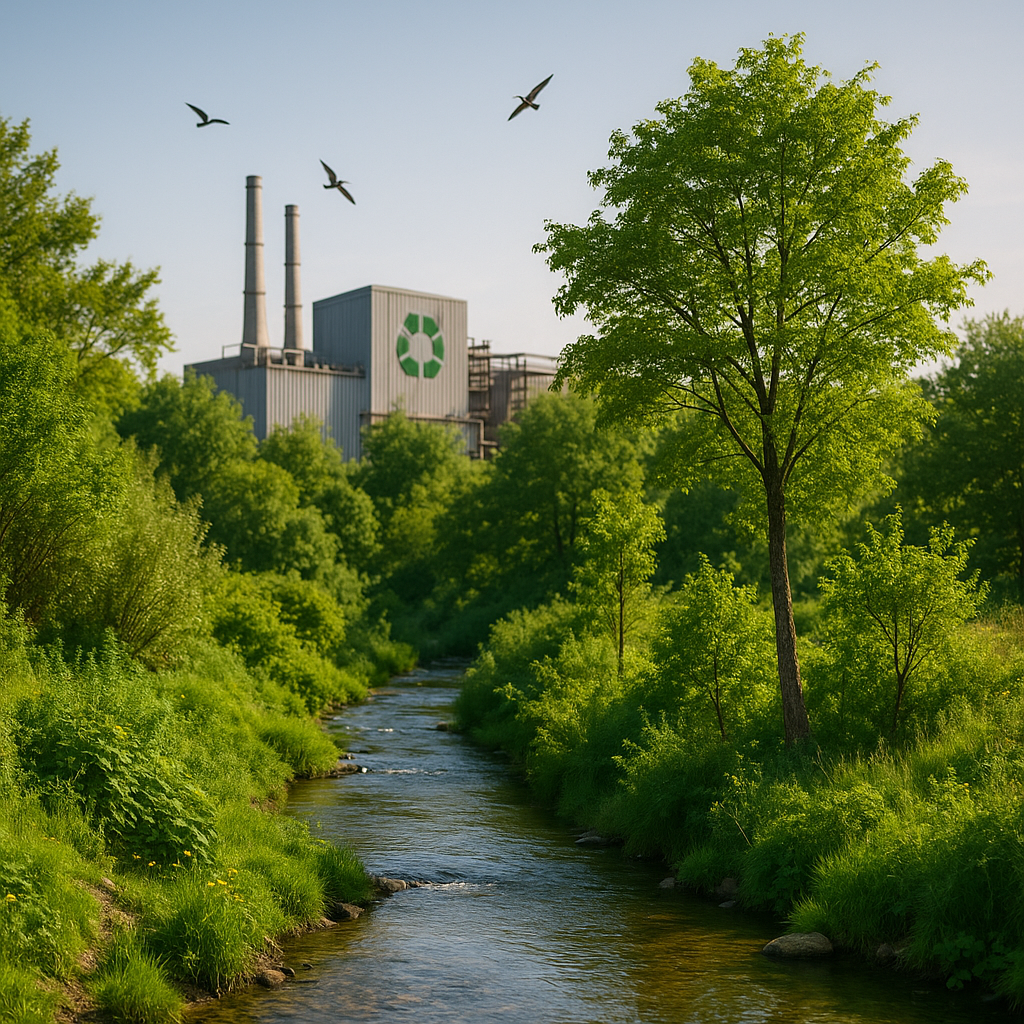
Metal recovery from municipal solid waste is a vital environmental strategy with substantial benefits. Extracting metals from waste for recycling goes far beyond simple waste management, offering numerous ecological advantages.
Resource Conservation
A key environmental benefit of metal recovery is the conservation of finite natural resources. Mining virgin metals involves extensive excavation that disrupts ecosystems and destroys habitats. By recycling metals, we reduce the demand for new mining operations. This preservation is particularly significant given the limited quantities of metal ores on our planet.
The conservation impact spans different metal types. For example, recycling aluminum uses about 5% of the energy required to mine and process new aluminum from bauxite ore. This helps preserve raw materials that would otherwise be extracted through environmentally disruptive mining processes.
Energy Efficiency and Emissions Reduction
The energy savings from metal recycling are impressive. The U.S. Environmental Protection Agency states that recycling and composting cut greenhouse gas emissions by more than 186 million metric tons of carbon dioxide annually. Specific metals show distinct efficiency gains:
Recycling aluminum uses 95% less energy than producing it from raw materials. Steel recycling saves about 60% of the energy needed for primary production. Copper recycling uses just 15% of the energy required for mining and refining new copper. These energy savings directly reduce carbon emissions and the metal industry’s carbon footprint.
Landfill Space Reduction
Scrap metal is a significant component of municipal solid waste. When metal items end up in landfills, they occupy valuable space and exacerbate waste disposal issues. Recycling programs that divert metals from landfills extend landfill lifespans and reduce the need for new disposal sites.
This is crucial in densely populated areas where landfill space is limited and costly. Metal recovery helps municipalities manage waste efficiently while minimizing the environmental impact of expanding landfill operations.
Prevention of Soil and Water Contamination
If metals remain in landfills, they can pose environmental risks. Heavy metals like lead, cadmium, and mercury can leach into soil and potentially contaminate groundwater. The Institute of Scrap Recycling Industries reports that recycling metal can reduce greenhouse gas emissions by up to 500 million tons, while also preventing hazardous substances from being released into the environment.
Metal recovery prevents this contamination by removing harmful materials from the waste stream before they cause damage. This is particularly important for electronic waste, which often contains various hazardous metals requiring proper recycling.
Ecosystem Protection
Mining virgin metals causes substantial environmental disruption by creating large holes in the earth, destroying habitats, and causing deforestation, soil erosion, and water pollution.
Recovering metals from waste reduces the need for these destructive mining activities, helping protect landscapes and biodiversity. Additionally, metal recycling uses up to 40% less water than processing virgin materials, preserving water resources.
Economic and Social Benefits
Beyond environmental impacts, metal recovery creates economic benefits that support environmental goals. The recycling industry generates nearly $18 billion in export sales annually and supports hundreds of thousands of jobs, providing financial incentives for proper waste management.
Recycling metal also creates 36 times more jobs than incinerating metal waste and six times more than landfilling it. These jobs contribute to local economies while supporting environmental protection goals.
The environmental benefits of metal recovery illustrate why this practice is increasingly crucial in waste management systems. By recovering and recycling metals, we conserve resources, reduce energy consumption, prevent pollution, and protect ecosystems—all while creating economic opportunities to support a sustainable future.
What are the Challenges and Future Directions for Metal Recovery?
Metal recovery processes face several significant challenges that must be addressed to achieve sustainable and economically viable operations. The primary obstacle is extraction efficiency, as many current methods can recover only a portion of valuable metals from complex waste streams. Technical limitations in separation processes often lead to substantial metal losses during processing stages.
Managing potentially toxic elements presents another key challenge. During metal recovery processes, hazardous substances like mercury, cadmium, and arsenic may be mobilized, posing environmental and health risks. Current control methods often require additional treatment steps, increasing operational costs and energy consumption.
Cost-effectiveness is perhaps the most pressing barrier to widespread implementation. While laboratory-scale recovery shows promise, scaling these technologies to industrial levels demands substantial capital investment. The economic viability of metal recovery projects ultimately depends on metal market prices, which are volatile and can undermine long-term planning.
Final Words
In the future, research is increasingly focused on optimizing extraction methodologies through advanced separation techniques and more selective leaching agents. Emerging technologies like bioleaching show significant potential, as they harness microbial activities to mobilize metals under mild conditions. Recent studies have demonstrated that specialized bacterial strains can achieve metal recovery rates comparable to conventional methods while requiring less energy and producing fewer toxic byproducts.
Another promising research direction involves finding beneficial uses for the remaining mineral fractions after metal extraction. These residual materials, which often make up the bulk of processed waste, could serve as raw materials for construction aggregates, soil amendments, or other applications. This approach aligns with circular economy principles by transforming what was once considered waste into valuable resources.
For further information about sustainable metal recovery solutions or to discuss your specific recycling needs, contact Okon Recycling at 214-717-4083.
Send Us a Message
Questions about what we do? Interested in commercial services? Let us know below and a member of our team will get back to you.