5901 Botham Jean Blvd, Dallas, TX 75215
Metal Recycling Near the Port of Houston: Services for Energy Sector and Maritime Waste Streams
December 10, 2025Houston generates over 34 million tons of cargo annually through its extensive port operations, creating substantial metal waste streams that require specialized recycling solutions. The Energy Capital‘s industrial landscape produces everything from offshore drilling equipment to refinery components that eventually reach end-of-life status. This situation presents both challenges and opportunities for the region’s metal recycling infrastructure.
Those seeking metal recycling near the Port of Houston can find specialized companies offering services for industrial, commercial, and residential needs.
What Specific Services do Houston-area Recyclers Provide?
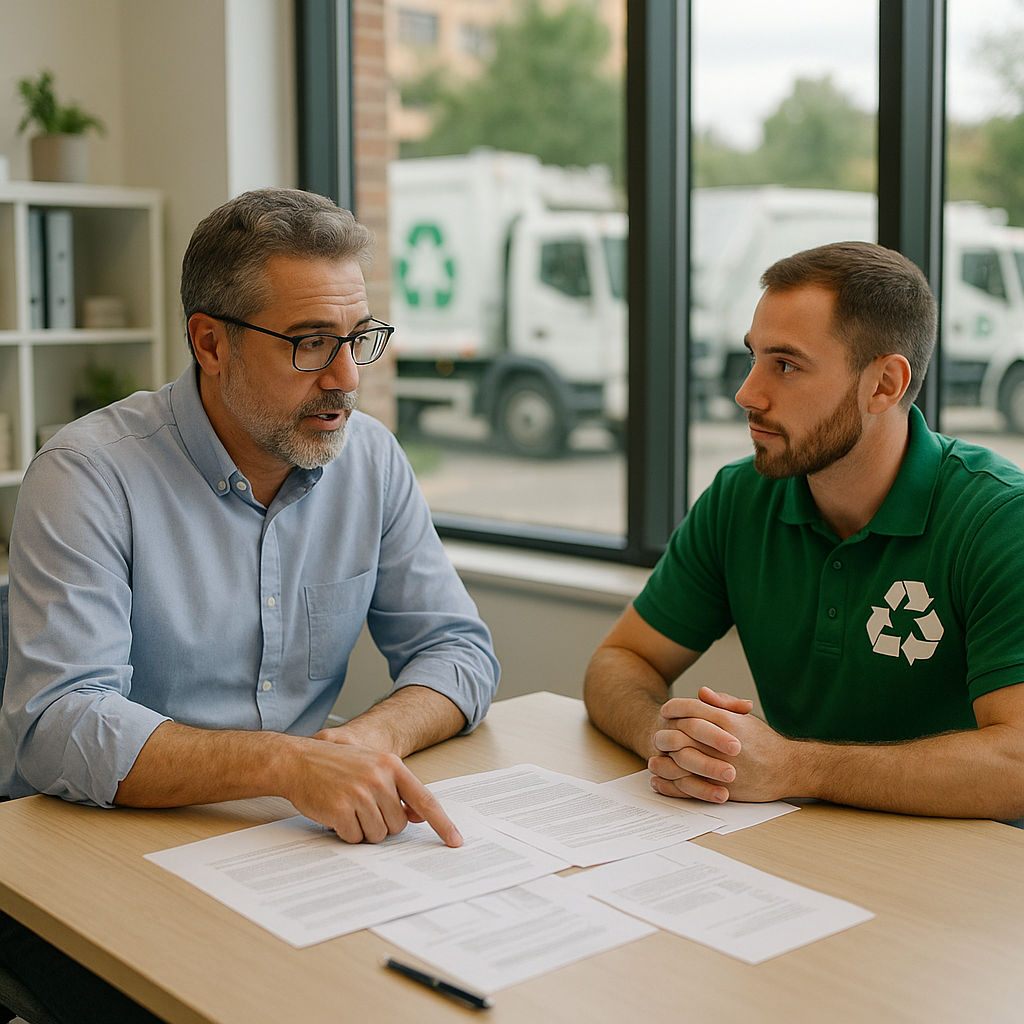
Houston’s recycling industry offers comprehensive solutions addressing both industrial and commercial waste management needs. These services range from basic scrap metal processing to sophisticated custom programs tailored for specific industries.
Industrial and Commercial Recycling Programs
Houston recyclers specialize in developing custom recycling programs to meet individual facility needs. These programs typically include comprehensive waste stream analysis and material classification services. Facilities benefit from turnkey solutions that manage the collection, processing, and remarketing of recyclable materials.
Many providers offer equipment packages, including balers, compactors, and roll-off containers for efficient on-site collection. The equipment selection depends on material types and volumes generated by each facility. Custom programs often lead to reduced waste disposal costs and potential revenue from recovered materials.
Scrap Metal Services and Processing
Scrap metal recycling is a major service category in Houston’s recycling sector. Established processors handle both ferrous and nonferrous materials, from small-scale operations to large industrial contracts. These services support the oil and energy industry, manufacturing companies, and construction projects throughout the region.
Processing capabilities include material preparation, sorting, and quality grading according to industry standards. Many facilities maintain clean, paved receiving areas with dedicated unloading zones for efficient material handling. Payment options typically include cash or check, adhering to local scrap ordinances.
| Service Category | Specializations |
|---|---|
| Energy Sector | Refinery turnarounds, offshore equipment processing |
| Port Operations | International shipping materials handling, maritime scrap processing |
| Medical Facilities | Compliance with medical regulations, Texas Medical Center renovations |
| Construction and Demolition | Concrete recycling, urban development material processing |
| Waste-to-Energy | Urban wood waste conversion, biomass fuel production |
| Renewable Energy | Solar panel recycling, renewable energy equipment processing |
Specialized Waste Stream Management
Houston recyclers address specialized waste streams requiring specific handling protocols. Industrial waste recycling services cover hazardous and non-hazardous materials from manufacturing processes, including waste characterization, regulatory compliance support, and proper transportation coordination.
Paper and cardboard recycling services accommodate high-volume commercial generators. Processors accept diverse paper grades, from office waste to corrugated packaging. The EPA’s regulatory definition process helps facilities identify materials requiring specialized handling protocols.
Container Services and Logistics Support
Roll-off containers and dumpster rentals are essential components of Houston recycling services. Container sizes range from small commercial units to large roll-off boxes for construction and demolition projects. Logistics support includes scheduled pickups, material transportation, and delivery to processing facilities.
Transportation services utilize various vehicle types, including liquid vacuum trucks, tank trucks, and pneumatic systems. This equipment diversity enables handling of different material forms and consistency requirements. End-dump trailers and flatbed services support large-scale industrial recycling operations.
Service providers coordinate logistics to minimize operational disruption while maintaining compliance with transportation regulations. Container service agreements often include flexible scheduling options to accommodate varying generation rates and project timelines.
Which Types of Metal and Household Items are Accepted?
Houston recycling facilities accept both ferrous and non-ferrous metals across their operations. Ferrous metals include iron and steel materials, which form the backbone of many recycling programs. These materials are magnetic and typically come from construction debris, automotive parts, and industrial equipment.
Non-ferrous metals represent a significant portion of accepted materials at Houston facilities. Aluminum ranks among the most valuable recyclables, appearing in items from beverage cans to siding materials. Copper commands high prices due to its conductivity and durability. Brass fixtures, plumbing components, and decorative items also find ready acceptance at recycling centers.
Stainless steel occupies a special category within metal recycling operations. This corrosion-resistant alloy appears in kitchen appliances, medical equipment, and industrial machinery. Recycling facilities value stainless steel for its high nickel and chromium content, making it a profitable material for recovery operations.
Household appliances containing metal components qualify for recycling programs throughout the Houston area. Recycling facilities accept washers, dryers, refrigerators, and dishwashers as part of their white goods recycling programs. These appliances contain valuable metals including steel frames, copper wiring, and aluminum components.
Air conditioning units present excellent recycling opportunities due to their metal-heavy construction. The copper tubing, aluminum fins, and steel housing make AC units valuable for scrap metal recovery. Window frames, whether aluminum or steel, also qualify for recycling programs across Houston facilities.
Smaller household items contribute to metal recycling volumes as well. Christmas lights contain copper wire that recyclers extract and process. Pool pump motors, metal patio furniture, and brass lighting fixtures all qualify for acceptance. Even seemingly minor items like doorknobs, cabinet hardware, and metal cooking utensils can be recycled for their material content.
Are there any materials that cannot be recycled?
Many materials cannot be processed through standard recycling streams due to safety hazards, contamination risks, and technical limitations. Understanding these restrictions helps prevent damage to recycling equipment and protects workers from dangerous substances. These prohibited items require specialized disposal methods or alternative handling procedures.
Hazardous and Toxic Materials
Explosives and pressurized containers pose immediate safety threats to recycling facilities. Gas bottles, propane tanks, and aerosol cans contain volatile substances that can cause fires or explosions during processing. Many municipal systems treat spray cans as hazardous material because they contain propellants and chemicals even when seemingly empty.
Toxic materials including asbestos, radioactive substances, and industrial chemicals require specialized disposal through licensed hazardous waste facilities. These substances can contaminate entire batches of recyclable materials and create serious health risks for sorting facility workers. Medical waste such as syringes, tubing, and biohazardous materials must follow strict disposal protocols to prevent disease transmission.
Electronics and Battery Components
Electronic devices contain hazardous components such as lead, mercury, and lithium, making them unsuitable for standard recycling programs. Television monitors, computers, and mobile phones require processing through certified e-waste recycling facilities. These items often contain valuable metals that can be recovered through specialized dismantling processes.
Batteries of all types present fire hazards and toxic material concerns when processed through conventional recycling systems. Alkaline, lithium-ion, and rechargeable batteries can leak harmful chemicals or cause equipment malfunctions. We recommend taking batteries to dedicated collection points at retail stores or participating in manufacturer take-back programs.
Contaminated Paper Products
Paper products exposed to food, grease, or bodily fluids cannot be recycled due to contamination concerns. Pizza boxes with cheese and oil residue, used napkins, and paper towels fall into this category. The contamination makes it impossible to break down these materials into clean pulp for new paper production.
Wet paper and heavily soiled cardboard also cannot be processed because water damage weakens the paper fibers. Wax-coated papers and thermal receipt paper contain chemicals that interfere with the recycling process. These items should be disposed of as general waste rather than contaminating clean paper streams.
Problematic Plastic Items
Plastic bags and films cause significant operational problems by jamming sorting machinery at recycling facilities. Operators are forced to halt operations frequently to clear plastic bags from systems at some facilities. These flexible plastics wrap around equipment components and require manual removal.
Styrofoam and expanded polystyrene containers cannot be processed through standard recycling equipment. The lightweight material breaks into small pieces that contaminate other recyclables and create cleanup challenges. Takeout containers with food residue add additional contamination risks that make recovery impossible.
Glass and Ceramic Restrictions
While beverage bottles and food jars are highly recyclable, certain glass products cannot be processed through standard systems. Glass cookware such as Pyrex dishes, ceramic pottery, and ovenware have different melting points than container glass. These materials can cause quality issues when mixed with recyclable glass bottles and jars.
Mirrors, window glass, and light bulbs also fall outside acceptable recycling parameters. The different glass compositions and potential hazardous materials in some light bulbs require alternative disposal methods. Compact fluorescent bulbs contain small amounts of mercury and need special handling procedures.
Construction and Industrial Materials
Construction debris including concrete, lumber, drywall, and roofing materials require specialized processing facilities. These materials are too large and heavy for residential recycling systems and can damage collection and sorting equipment. Metal components like shopping carts, catalytic converters, and wire hangers often contain mixed materials that complicate standard recycling processes.
Understanding these restrictions helps maintain the integrity of recycling streams and ensures worker safety. When in doubt about material acceptability, we encourage contacting your local recycling provider for guidance on proper disposal alternatives.
What Should You Look for in a Metal Recycling Company?
When selecting a metal recycling partner in the Houston area, several key factors can ensure a positive experience and fair compensation for your materials. Understanding these criteria helps you make informed decisions that benefit both your bottom line and environmental goals.
Transparent Pricing and Certified Scales
Reputable recycling facilities use certified and audited scales that comply with state regulations. Look for companies that provide visible weight indicators from customer areas, allowing you to observe the entire weighing process. This transparency builds trust and ensures accurate measurements for fair compensation. State-certified scales should undergo regular inspection and maintenance to maintain accuracy.
Comprehensive Service Offerings
The best recycling partners offer versatile services that can scale with your needs. Whether you’re bringing in household appliances or managing large industrial contracts, your recycler should accommodate various project sizes. Look for facilities that provide both drop-off convenience and pick-up services for larger volumes. Companies with multiple service options can adapt to changing business requirements over time.
Industry Experience and Expertise
Established recyclers bring valuable knowledge about material classification, market pricing, and regulatory compliance. Companies with decades of experience understand the unique challenges of Houston’s industrial landscape, from energy sector requirements to port operations logistics. This expertise translates into efficient processing and specialized solutions for complex waste streams.
Customer Service and Accessibility
Quality customer service makes a significant difference in your recycling experience. Look for companies that provide direct communication channels and responsive support. Facilities should maintain clean, well-organized operations with clearly marked areas for material drop-off. Convenient locations reduce transportation costs and make recycling more practical for regular use.
Technology and Reporting Capabilities
Modern recycling operations leverage technology for tracking, documentation, and reporting. For businesses pursuing sustainability initiatives, detailed reporting capabilities help document environmental impact and support ESG goals. Technology-enabled systems can provide transparency throughout the recycling process, from initial drop-off to final material processing.
Conclusion: Turning Your Scrap Metal into a Resource
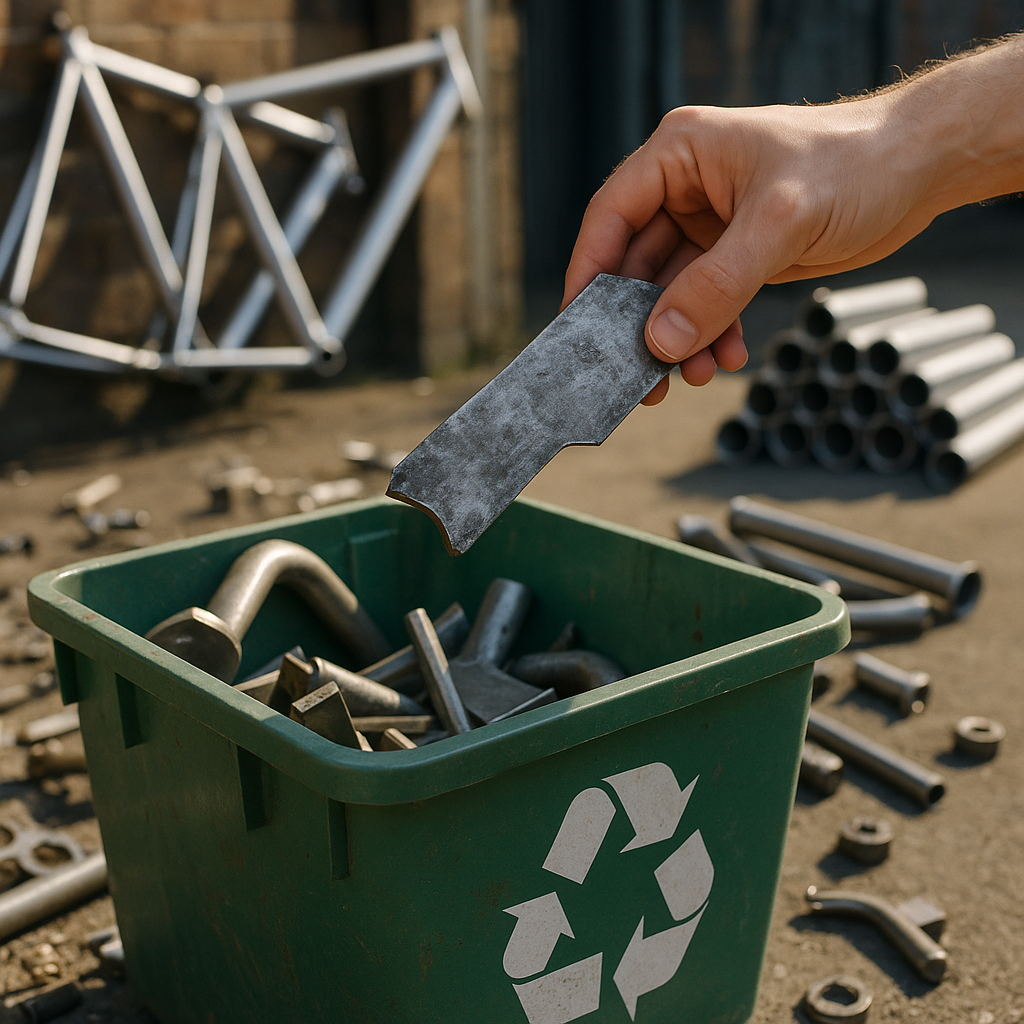
For industrial, commercial, or residential purposes, ample opportunities for metal recycling exist near the Port of Houston. Local companies offer services ranging from logistics and container rentals to processing specialized materials, all supporting Houston’s sustainability goals. By choosing a reputable recycler, you can efficiently turn scrap metal into a valuable resource while supporting the circular economy.
Houston’s accessible recycling services make sustainable waste management both profitable and environmentally responsible. With companies processing over 25,000 tons monthly and reducing carbon emissions by millions of tons annually, the environmental benefits extend far beyond individual transactions. These recycling solutions help businesses meet green initiatives while generating cash flow from materials that would otherwise occupy valuable space. For your metal recycling needs in the Houston area, contact Okon Recycling at 214-717-4083.
Send Us a Message
Questions about what we do? Interested in commercial services? Let us know below and a member of our team will get back to you.