5901 Botham Jean Blvd, Dallas, TX 75215
Metal Recycling for Shops: Pickup or Drop-Off?
April 1, 2026Every day, small machine shops discard valuable metal scrap worth thousands of dollars without realizing its potential. Those aluminum shavings, brass turnings, and steel offcuts piling up in your shop aren’t just waste; they represent a hidden revenue stream that many businesses leave untapped.
Metal recycling services typically offer two main collection methods for commercial clients. Pickup services bring professional recyclers directly to your facility on a scheduled basis. Drop-off services require you to transport your scrap metal to a recycling facility yourself.
The choice between these options affects more than just convenience. Your decision impacts operational efficiency, workplace safety protocols, and, ultimately, your bottom line. Understanding the advantages and limitations of each approach helps create a structured recycling program that maximizes both revenue potential and operational effectiveness.
Pickup Vs. Drop-Off: Which Collection Method Works Best For Your Shop?
Scheduled Pickup Services: Convenience At Your Doorstep
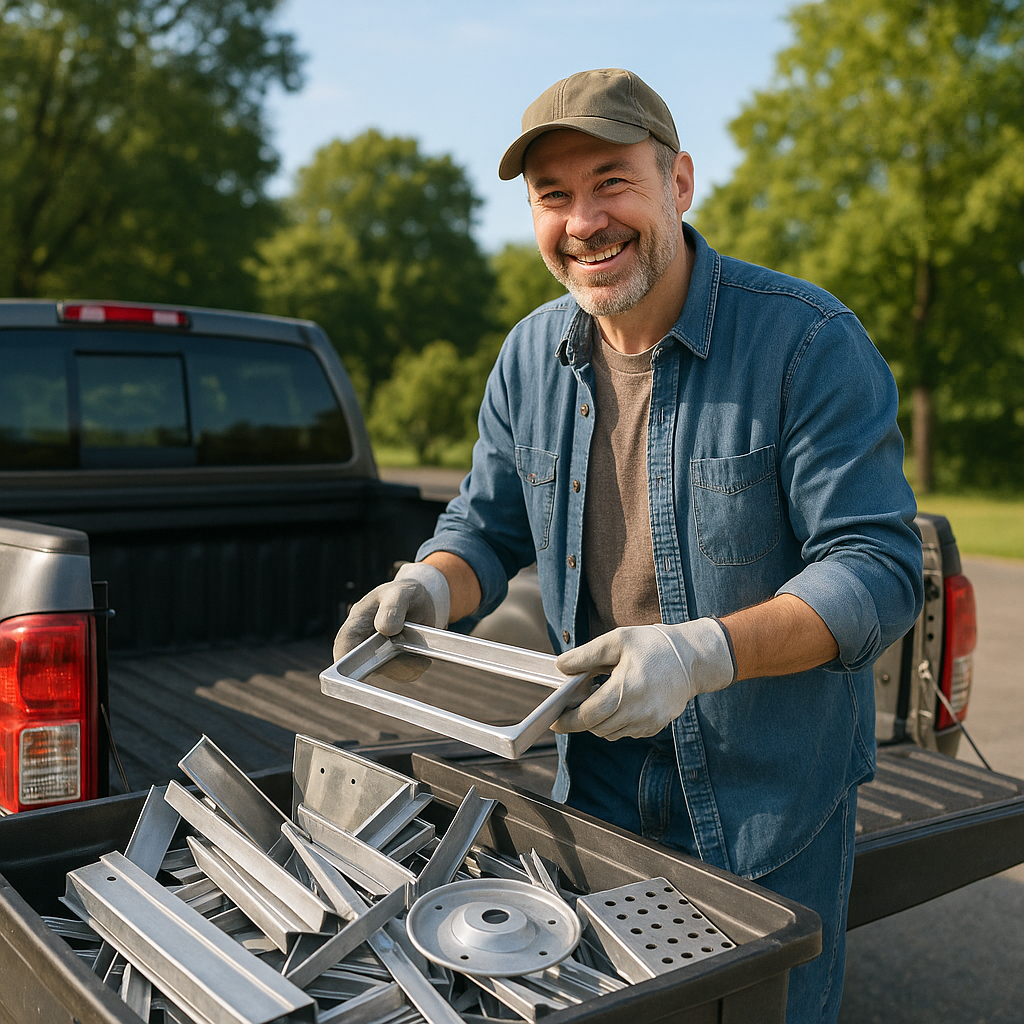
Pickup services eliminate the logistical burden of transporting scrap metal yourself. Professional recyclers arrive at your facility on a predetermined schedule, whether weekly, bi-weekly, or monthly, to collect accumulated materials. This approach keeps your workspace clear without requiring employees to take time away from production activities.
For shops generating consistent volumes of scrap metal, scheduled pickups offer predictable service and minimal disruption to daily operations. Recyclers typically provide collection containers that remain on-site, allowing continuous accumulation between pickups. This method works particularly well for facilities with limited vehicle access or those producing heavy materials that would be difficult to transport safely.
The main considerations include minimum volume requirements that some recyclers impose and potential service fees for pickups. However, many commercial recyclers waive collection charges when scrap volumes meet certain thresholds, making this option cost-neutral for shops with regular production output.
Drop-Off Services: Flexibility And Control
Drop-off services give you complete control over when and how often you deliver scrap metal to recycling facilities. This flexibility benefits shops with irregular production schedules or those generating smaller quantities that don’t justify scheduled pickups. You can accumulate materials until you have a worthwhile load, then transport everything at once.
Many drop-off facilities offer immediate payment upon delivery, providing instant cash flow rather than waiting for invoicing cycles associated with pickup services. This arrangement also allows you to shop around between facilities to compare pricing on specific materials, potentially maximizing returns for high-value scrap.
The trade-offs include transportation costs, time spent away from the shop, and the need for appropriate vehicles to haul metal safely. Drop-off also requires dedicated storage space at your facility until you’re ready to make a delivery, which can create workplace clutter and safety hazards if not managed properly.
Evaluating Your Shop’s Best Option
Consider your monthly scrap volume when choosing between pickup and drop-off. Shops producing more than 500 pounds of metal scrap monthly typically find scheduled pickups more cost-effective, while smaller operations may benefit from the flexibility of drop-off services. Factor in your available labor hours, transportation capabilities, and storage space to determine which method aligns with your operational realities.
| Feature | Scheduled Pickup | Drop-Off Service |
|---|---|---|
| Convenience | High (We come to you) | Low (Requires self-transport) |
| Ideal Volume | High (>500 lbs/month) | Low / Irregular |
| Payment Speed | Invoicing Cycle | Immediate / On-Site |
| Control | Consistent Schedule | Total Flexibility |
Some machine shops use a hybrid approach, scheduling regular pickups for high-volume materials like steel while dropping off smaller quantities of valuable non-ferrous metals when convenient. This strategy optimizes both convenience and revenue potential across different material types.
How Can Sorting And Cleaning Scrap Maximize Returns?
The Financial Impact Of Proper Sorting
Proper sorting can increase your scrap metal returns by 20-40% compared to mixed materials. This difference occurs because recyclers pay premium prices for pre-sorted, clean materials, as it reduces processing costs and increases the purity of recycled metals. When you deliver well-organized materials, better rates are offered because less time and resources are needed for separation and cleaning.
Mixed scrap forces recycling facilities to invest additional time and energy in sorting processes. Clean, separated materials streamline operations and reduce contamination risks during processing. These efficiency gains translate directly into higher payouts for your business.
Setting Up Designated Bins For Maximum Value
Establishing dedicated collection containers at your facility forms the foundation of effective scrap management. Use clearly labeled bins to separate metals like aluminum, brass, and steel at the source. This prevents cross-contamination and maintains each material’s highest possible value throughout the collection process.
Position designated bins strategically near production areas where aluminum shavings and brass turnings are generated. Workers can sort materials immediately rather than mixing them. This approach eliminates the need for time-consuming re-sorting later and prevents valuable non-ferrous metals from being downgraded due to contamination.
Removing Contaminants For Higher Grades
Contaminated scrap mixed with oil, coolant, or other debris significantly reduces material value and may even render some metals unrecyclable. Oil-soaked aluminum shavings, for example, require additional processing steps that lower their market price. Clean materials command premium rates because they can be processed more efficiently.
Remove attachments like plastic components, rubber gaskets, and steel fasteners from non-ferrous metals before collection. These materials contaminate the recycling process and force buyers to classify your scrap in lower-paying categories. Even basic cleaning, such as wiping away excess fluids, can move your materials into higher-value classifications.
Grade Classification And Sorting Benefits
Different grades within each metal category command vastly different prices. Copper wire stripped of insulation falls into the highest-paying “bare bright” category, while insulated wire receives significantly lower rates. Similarly, clean aluminum extrusions earn more than mixed aluminum with steel attachments.
Understanding these grade distinctions allows you to maximize returns through strategic preparation. According to the Institute of Scrap Recycling Industries, sorting metals by specific grades can increase their value by 15-40% compared to basic category sorting. This knowledge helps you make informed decisions about which materials warrant additional preparation time.
Streamlining The Recycling Process
Well-sorted and clean scrap metal ensures smoother processing experiences for both your organization and recycling partners. Properly prepared materials move through facility operations more quickly, reducing handling time and associated costs. This efficiency allows recyclers to offer better rates while maintaining profitable operations.
Consistent quality in your scrap deliveries builds trust with recycling partners and may lead to preferred customer status. Regular suppliers who provide clean, well-sorted materials often receive priority service and access to better pricing structures. These relationships create long-term value beyond individual transactions.
Conclusion: Streamline Your Shop’s Recycling For Better Profits

Choosing the right metal recycling strategy is a smart business move that turns waste into a consistent revenue stream. For most machine shops, scheduled pickups offer a convenient way to manage scrap and maintain a safe workspace. By partnering with a reliable recycler and implementing simple sorting practices, you can maximize your returns and contribute to a more sustainable manufacturing process.
Recycling isn’t only an environmental responsibility but also a financial opportunity that strengthens your bottom line. Machine shops that assess their current scrap metal handling process and collaborate with experienced commercial metal recycling providers see immediate improvements in both workspace organization and profitability. To explore how proper scrap metal shavings management can benefit your operation, contact Okon Recycling at 214-717-4083.
Send Us a Message
Questions about what we do? Interested in commercial services? Let us know below and a member of our team will get back to you.