5901 Botham Jean Blvd, Dallas, TX 75215
Manufacturing Waste Management in Texas: A Quick Guide
December 15, 2025Texas industries generate over 30 million tons of waste annually, leading to significant waste management challenges statewide. From oil refineries along the Gulf Coast to manufacturing plants in Dallas and Houston, facilities must adhere to strict regulations while managing diverse waste streams, including metal shavings, chemical sludges, contaminated soils, and spent solvents.
Managing manufacturing waste in Texas involves systematically collecting, processing, and recovering materials generated by sectors like manufacturing, construction, and oil production. The primary focus is on diverting waste from landfills through recovery programs that reclaim valuable metals, chemicals, and plastics. The Texas Commission on Environmental Quality (TCEQ) oversees this process with regulations that classify industrial wastes into categories based on their environmental impact and handling requirements.
Key Waste Streams in Manufacturing
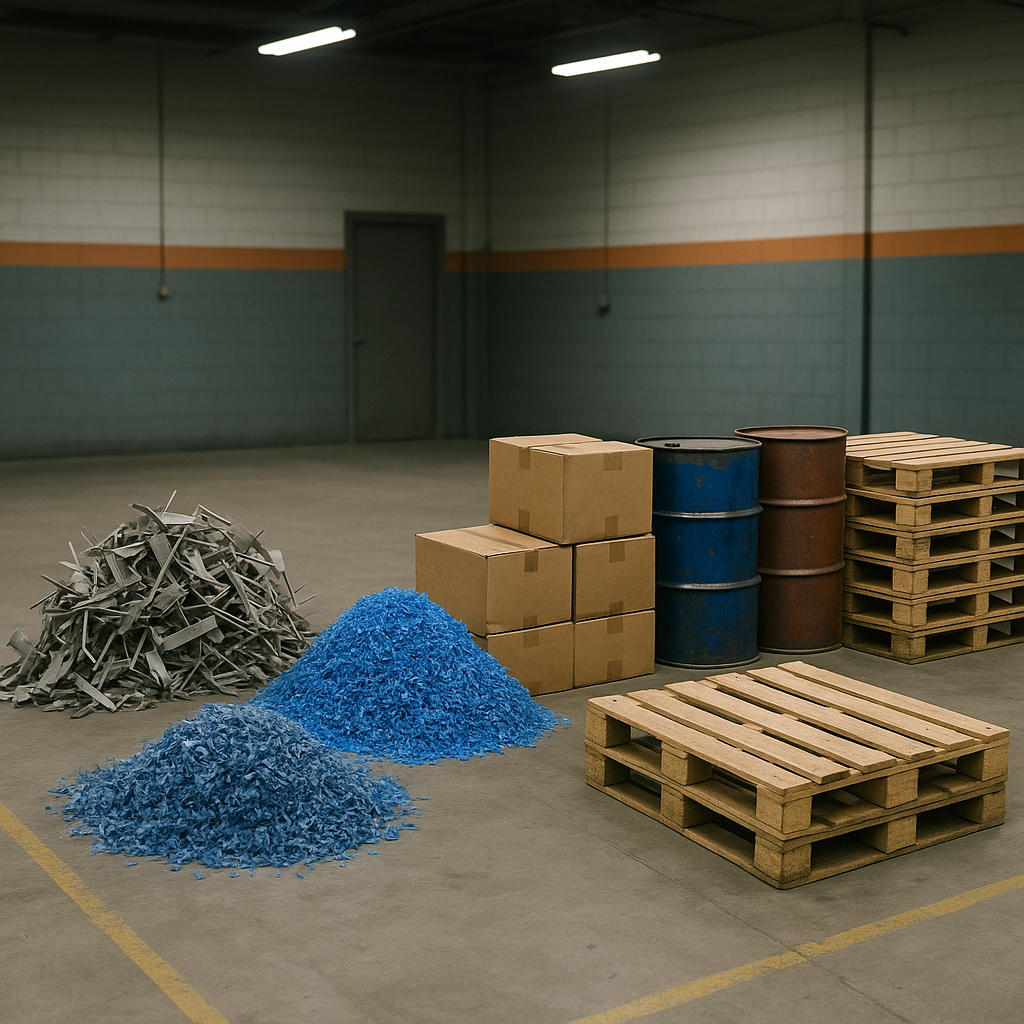
Manufacturing activities generate various waste streams that generally fall into industrial and commercial categories. These streams include materials like scrap metals, packaging waste, chemical byproducts, and process water. Understanding the composition of these waste streams helps facilities implement proper segregation and disposal protocols.
Hazardous Waste Streams
Hazardous waste contains materials that are toxic, reactive, corrosive, or flammable according to EPA regulations. These waste streams require specialized handling, transportation, and disposal methods to protect human health and the environment. Common hazardous manufacturing wastes include spent solvents, paint residues, metal finishing solutions, and chemical byproducts.
Manufacturing processes in automotive, electronics, and chemical production typically generate the highest volumes of hazardous waste streams. Electroplating operations produce cyanide-containing solutions and heavy metal sludges. Pharmaceutical manufacturing creates expired chemicals, contaminated equipment, and byproducts that require careful management.
Liquid waste streams from manufacturing often contain dissolved chemicals, oils, or heavy metals, rendering them hazardous. Process water used in metal fabrication may become contaminated with cutting fluids or cleaning solvents. These liquid waste streams need treatment before disposal to prevent groundwater contamination.
Non-Hazardous Waste Streams
Non-hazardous waste streams include materials that pose minimal immediate risk but still require proper management. Construction and demolition waste from facility expansions, packaging materials, and general manufacturing debris fall into this category. While less regulated than hazardous waste, these streams can impact the environment if improperly disposed of.
Scrap metals represent one of the largest non-hazardous waste streams in manufacturing. Steel, aluminum, copper, and other metals retain value for recovery and material reclamation. Facilities can recover significant costs by implementing proper metal segregation programs.
Paper, cardboard, wood, and plastic packaging materials comprise another major non-hazardous waste stream. Food processing and consumer goods manufacturing generate substantial volumes of these materials. Many facilities overlook recovery opportunities for these waste streams despite their potential for diversion from landfills.
Industry-Specific Waste Stream Patterns
Different manufacturing sectors generate distinct waste stream profiles based on their production processes. Textile manufacturing produces fiber waste, dye solutions, and process chemicals. Furniture manufacturing creates wood dust, finishing compounds, and adhesive residues that may require special handling even when non-hazardous.
Food processing facilities generate organic waste, packaging materials, and cleaning solutions. These operations often produce large volumes of wastewater containing organic matter and cleaning chemicals. Proper waste stream management in food manufacturing requires understanding both organic waste recovery and chemical waste disposal.
Electronics manufacturing creates unique challenges with mixed waste streams containing both valuable metals and hazardous components. Circuit board production generates acid solutions, precious metal residues, and contaminated process materials. These facilities need comprehensive waste stream analysis to maximize recovery while ensuring regulatory compliance.
Manufacturing Waste Stream Classification by Hazard Level and Common Examples
| Classification | Hazard Level | Common Examples |
|---|---|---|
| Characteristic Hazardous Waste | High | Spent solvents, corrosive acids, paint wastes |
| Listed Hazardous Waste | High | Sludges from electroplating, specific chemical byproducts |
| Universal Waste | Moderate/High | Batteries, fluorescent lamps, mercury-containing equipment |
| Non-Hazardous Industrial Waste | Low | Scrap metal, process wastewater, cardboard, wood |
Regulatory Compliance Considerations
Manufacturing waste streams must be properly characterized to determine appropriate handling requirements. The Resource Conservation and Recovery Act (RCRA) establishes the framework for hazardous waste identification and management. Facilities must evaluate each waste stream against EPA criteria for toxicity, ignitability, corrosivity, and reactivity.
Many states impose additional requirements beyond federal regulations for manufacturing waste streams. Some non-hazardous materials like concrete dust require special handling under OSHA standards despite not being classified as hazardous waste. Reputable waste management partners help facilities navigate these overlapping regulatory requirements to ensure full compliance.
Waste stream segregation is critical for cost control and regulatory compliance. Mixing hazardous and non-hazardous materials can lead to treating the entire volume as hazardous waste, significantly increasing disposal costs and regulatory obligations for manufacturing facilities.
Dangers of Improper Industrial Waste Disposal
Improper disposal of industrial waste poses significant threats to both environmental and human health. When hazardous materials are not managed correctly, they release toxic chemicals into the environment. These contaminants can persist for years, causing extensive damage to ecosystems and communities.
Soil Contamination and Agricultural Impact
Industrial chemical waste often contains dangerous substances like lead, zinc, arsenic, and mercury. These hazardous materials seep into the ground when waste is disposed of illegally or inadequately stored. The contamination spreads through soil layers, affecting agricultural land and construction sites.
Contaminated soil reduces crop yields and makes farmland unfit for cultivation. Plants absorb toxic chemicals from polluted soil, which then enter the food chain, threatening food safety and security for whole communities.
The long-term effects on soil health are severe. Contaminated soil loses its capacity to support plant growth and disrupts natural nutrient cycling. Recovery from soil contamination often takes decades and requires expensive remediation efforts.
Water Pollution and Ecosystem Damage
Industrial waste runoff contaminates water sources, including rivers, lakes, and groundwater supplies. Pollutants such as solvents, heavy metals, and petroleum-based chemicals infiltrate these water systems. This contamination endangers aquatic life and poses risks to public drinking water supplies.
Water pollution creates dead zones where aquatic organisms cannot survive. Fish and other marine species suffer from toxic exposure, leading to population declines. The contamination spreads throughout water systems, affecting ecosystems far from the original disposal site.
Groundwater contamination is particularly dangerous because it affects drinking water sources. Communities reliant on polluted wells face significant health risks. The cleanup of contaminated water sources demands extensive treatment and monitoring systems.
Air Quality and Respiratory Health
Burning industrial waste releases harmful toxins and greenhouse gases into the atmosphere, including volatile organic compounds, particulate matter, and heavy metals. Poor air quality from improper waste disposal contributes to smog formation and acid rain.
Air pollution from industrial waste causes serious respiratory problems in nearby communities. People exposed to these emissions may develop asthma, cardiovascular diseases, and other chronic conditions. The World Health Organization reports that air pollution leads to respiratory diseases and other health complications in affected populations.
Long-term exposure to polluted air increases cancer risks and reduces life expectancy. Children and the elderly are particularly vulnerable to these health effects. The economic burden of treating pollution-related illnesses strains healthcare systems.
Human Health Consequences
Direct contact with improperly disposed industrial waste results in immediate health problems. Workers and residents near contaminated sites may experience skin diseases, chemical burns, and respiratory issues. Lead exposure from industrial waste can cause developmental problems in children and neurological damage in adults.
Toxic chemicals in drinking water and food supplies create long-term health risks. Communities exposed to industrial waste contamination show higher rates of cancer, reproductive issues, and chronic diseases. These health impacts can persist for generations through environmental exposure.
Vulnerable populations face the greatest risks from improper waste disposal. Low-income communities often lack resources to address contamination or access proper medical care. The health disparities created by industrial pollution represent a significant environmental justice issue.
Wildlife and Biodiversity Loss
Industrial waste disposal disrupts natural habitats and threatens wildlife populations. Animals consuming contaminated food or water suffer from poisoning and reproductive issues. Toxic chemicals accumulate in food chains, affecting predators at higher levels.
Habitat destruction from waste contamination forces animals to relocate or face extinction. Wetlands, forests, and coastal areas that serve as critical wildlife habitats become uninhabitable. The loss of biodiversity weakens ecosystem resilience and natural processes.
Marine environments face specific threats from industrial waste disposal. Ocean acidification from contaminated runoff damages coral reefs and shellfish populations. Plastic waste and chemical pollutants inflict lasting damage on marine ecosystems and food webs.
How Manufacturers Can Reduce and Recover Waste
Industrial Recycling Programs Drive Resource Conservation
Texas manufacturers can significantly reduce their environmental footprint through comprehensive industrial recycling programs. Metal and plastic recovery forms the backbone of these efforts, conserving natural resources while reducing the volume of materials sent to landfills. Advanced recovery technologies now break plastics down at the molecular level, transforming waste into high-quality raw materials that maintain their original properties.
This molecular-level approach represents a shift from traditional mechanical recovery methods. Unlike conventional processes that grind plastics into lower-quality products, these next-generation technologies chemically decompose plastics into their basic components. Manufacturers can reuse these components to create new products, enabling endless recovery without quality degradation.
Manufacturers gain substantial economic benefits by implementing these systems. Companies access a steady supply of high-quality recovered materials at lower costs than virgin resources. This approach reduces dependence on volatile raw material markets while supporting a circular economy where materials are consistently repurposed rather than discarded.
Chemical Repurposing Creates Revenue Streams
Chemical repurposing offers a profitable approach to waste management by converting surplus chemicals into valuable assets. This strategy involves analyzing viable, unused chemicals and connecting manufacturers with industries that can utilize these materials. Rather than paying for disposal, companies can generate income from materials that would otherwise become waste.
The process begins with proper chemical analysis and inventory management. Chemical waste management practices require manufacturers to perform waste determinations and maintain appropriate storage areas. Companies can then identify chemicals suitable for repurposing instead of disposal.
Chemical trading platforms facilitate these transactions by connecting businesses with buyers for their surplus chemicals. This approach transforms waste into an income stream while reducing the environmental impact of chemical manufacturing. Industries benefit from reduced raw material costs while sellers recover value from otherwise unusable inventory.
Strategic Waste Stream Management
Effective waste reduction requires manufacturers to implement systematic approaches to waste stream management. Proper segregation prevents different waste types from contaminating each other, maintaining the value of recoverable materials. Companies must separate halogenated solvents from non-halogenated versions, acids from bases, and organic materials from heavy metals.
Source reduction techniques offer the most significant impact on waste generation. Manufacturers can negotiate contracts with chemical suppliers for flexible delivery schedules of smaller containers, reducing expired inventory disposal. Implementing chemical management systems prevents over-ordering and allows companies to exchange usable chemicals between departments before expiration.
Texas Manufacturing Waste Streams and Recovery Options
| Waste Stream | Recovery Method | Benefits |
|---|---|---|
| Scrap Metals (Steel, Copper, Aluminum) | Industrial recycling/smelting | Reduced raw material costs, high market value |
| Plastic Packaging (Polyethylene, PET) | Advanced molecular recycling | Recycle indefinitely, circular supply of raw plastics |
| Spent Solvents (Non-Halogenated) | Distillation and repurposing | Generates revenue, avoids hazardous disposal costs |
| Used Oils and Lubricants | Re-refining into new lubricants | Conserves petroleum, reduced disposal volume |
| Paper and Cardboard | Fiber recycling | Landfill diversion, supports sustainable packaging |
Inventory control plays a crucial role in waste minimization. Companies should rotate chemical stocks to use materials before shelf life expiration and substitute less hazardous alternatives whenever possible. These practices reduce both waste generation and disposal costs while improving workplace safety.
Regulatory Compliance and Economic Benefits
Texas manufacturers must adhere to state and federal regulations governing hazardous waste disposal. The Environmental Protection Agency regulates chemical waste disposal, requiring proper categorization and handling. Companies with comprehensive recovery and repurposing programs often find compliance more manageable while reducing regulatory risks.
The financial benefits extend beyond disposal cost savings. Manufacturers implementing advanced recovery technologies position themselves competitively as regulatory pressure increases around environmental responsibility. Companies adopting these practices early gain advantages in markets where sustainability becomes a purchasing criterion.
Resource conservation through recovery and repurposing also provides supply chain resilience. Manufacturers reduce exposure to raw material price volatility while ensuring consistent material supplies. This stability supports long-term business planning and profitability while contributing to environmental conservation goals.
Conclusion: Partnering for Effective Waste Management

Effective management of manufacturing waste in Texas is essential for environmental protection, regulatory compliance, and cost efficiency. By understanding various waste streams and implementing solutions like industrial recovery and chemical repurposing, companies can significantly reduce their environmental impact. Manufacturing businesses that conduct comprehensive waste audits, launch strategic recovery programs, and partner with experienced providers achieve impressive results. Many Texas manufacturers have cut waste by up to 40% while generating significant cost savings through sustainable practices and hazardous waste handling protocols.
Achieving successful waste management starts with accurate assessments and expert guidance. Industrial recovery solutions provide cost-effective approaches that transform waste management from an expense to a potential revenue source.
Manufacturing companies aiming to enhance their environmental compliance contact Okon Recycling at 214-717-4083 for their metal recycling needs.
Send Us a Message
Questions about what we do? Interested in commercial services? Let us know below and a member of our team will get back to you.