5901 Botham Jean Blvd, Dallas, TX 75215
Manufacturing Waste Management in Texas: A Guide to TCEQ Compliance and Risk Mitigation
December 11, 2025In Texas, manufacturing waste management involves comprehensive handling of materials from industrial activities like construction and oil production. The process includes identifying waste types, determining disposal methods, and ensuring compliance with state and federal regulations. The Texas Commission on Environmental Quality (TCEQ) oversees this regulatory framework, collaborating with the EPA to maintain standards for hazardous materials and industrial waste streams.
Proper waste management is crucial for Texas businesses and communities. Companies must adhere to strict waste disposal regulations to avoid penalties and legal issues. Beyond compliance, effective waste management prevents environmental pollution like soil contamination and groundwater degradation. It also supports a sustainable economy by enabling the recycling of valuable materials, reducing the demand for raw resources, and creating opportunities in the recycling sector.
What Are the Primary Types of Manufacturing Waste Streams?
Manufacturing facilities generate distinct categories of waste materials that require different handling approaches. Understanding these waste streams helps develop effective recycling and disposal strategies for industrial clients.
Industrial and Commercial Waste
This category encompasses the largest volume of manufacturing byproducts. These materials originate from standard production processes across various industries.
Common industrial and commercial waste materials include:
- Scrap metals and alloys – Steel, aluminum, copper, and mixed metal components
- Chemical byproducts – Spent catalysts, reaction residues, and process chemicals
- Packaging materials – Cardboard, plastic wrapping, and protective materials
- Manufacturing residuals – Excess raw materials, off-specification products, and production waste
The waste composition varies significantly by industry sector. Food processing facilities generate organic residues, while automotive plants produce metal shavings and polymer waste.
Hazardous Waste
Hazardous waste streams pose significant environmental and health risks. These materials require specialized handling protocols and disposal methods.
Key hazardous waste categories include:
- Heavy metals – Lead, mercury, cadmium, and chromium from plating operations
- Solvents and chemicals – Spent cleaning agents, paint thinners, and processing chemicals
- Toxic byproducts – Dioxins, cyanides, and other harmful reaction products
- Corrosive materials – Strong acids and caustic solutions from manufacturing processes
According to the EPA’s hazardous waste classifications, these materials exhibit characteristics of ignitability, reactivity, corrosivity, or toxicity.
| Waste Stream Type | Examples | Treatment Requirements |
|---|---|---|
| Industrial/Commercial | Scrap metals, packaging, manufacturing residuals | Sorting, recycling, standard disposal |
| Hazardous | Heavy metals, solvents, toxic chemicals, corrosives | Special permits, certified disposal, documentation |
| Non-Hazardous | Construction debris, organic materials, process water | Proper segregation, landfill or recycling |
Non-hazardous Waste
Non-hazardous waste represents materials that do not pose immediate environmental threats. However, proper management remains essential for regulatory compliance and environmental protection.
Typical non-hazardous waste streams include:
- Construction debris – Concrete, masonry, and building materials
- Industrial debris – Non-toxic solid waste from manufacturing operations
- Liquid waste – Process water and non-contaminated wastewater
- Organic materials – Food waste, wood scraps, and biodegradable materials
While classified as non-hazardous, these materials still require proper sorting and disposal to prevent contamination of soil and water sources. Many non-hazardous streams offer recycling opportunities when properly segregated.
Manufacturing waste streams require careful identification and classification to ensure compliance with federal and state regulations. We work with facilities to assess their specific waste composition and develop tailored management strategies for each stream type.
How Does TCEQ Regulate Manufacturing Waste in Texas?
The Texas Commission on Environmental Quality (TCEQ) enforces comprehensive regulations governing manufacturing waste management across the state. Understanding these regulatory requirements is essential for maintaining compliance and avoiding costly penalties that can reach thousands of dollars per violation.
Generator Classification and Responsibilities
TCEQ classifies waste generators into three categories based on the quantity of hazardous waste produced monthly. Conditionally Exempt Small Quantity Generators (CESQGs) produce less than 100 kilograms of hazardous waste per month and face the least stringent requirements. Small Quantity Generators (SQGs) produce between 100 and 1,000 kilograms monthly and must comply with additional storage and manifesting requirements.
Large Quantity Generators (LQGs) produce more than 1,000 kilograms of hazardous waste monthly or more than 1 kilogram of acutely hazardous waste. These facilities face the most comprehensive regulatory requirements, including detailed recordkeeping, employee training programs, and emergency preparedness plans. Generator status determines storage time limits, with LQGs limited to 90 days of on-site storage, SQGs to 180 days, and CESQGs exempt from time restrictions.
Required Permits and Notifications
Manufacturing facilities must obtain appropriate permits before handling hazardous waste. The EPA Identification Number serves as the foundation for all hazardous waste activities, obtained through TCEQ by submitting EPA Form 8700-12. This identification number remains active as long as the facility generates hazardous waste, even if quantities fluctuate between generator categories.
Storage facilities require specific permits depending on waste types and volumes. Temporary storage areas may operate under conditional exemptions, while long-term storage facilities need comprehensive permits addressing containment systems, monitoring protocols, and closure plans. Treatment and disposal operations require separate permits with extensive technical specifications and financial assurance requirements.
Manifesting and Transportation Requirements
The hazardous waste manifest system tracks materials from generation through final disposal, creating accountability at every transportation stage. Generators must complete the Uniform Hazardous Waste Manifest (EPA Form 8700-22) for each waste shipment, describing waste characteristics, quantities, and destination facilities. The manifest accompanies waste throughout transportation, with each handler signing to acknowledge receipt.
Transporters must register with TCEQ and maintain proper vehicle placarding and emergency equipment. Only facilities with appropriate permits can receive hazardous waste shipments. Generators retain manifest copies for three years, demonstrating proper waste disposal should regulatory questions arise. Electronic manifesting through EPA’s e-Manifest system streamlines this process while maintaining regulatory compliance.
Recordkeeping and Reporting Obligations
TCEQ requires detailed records documenting all waste management activities. Generators must maintain waste analysis records showing chemical composition, hazardous characteristics, and classification determinations. These analyses inform proper handling procedures and disposal methods. Inspection records document routine facility checks for leaks, equipment damage, and compliance with operating procedures.
Annual reports summarize hazardous waste generation, management methods, and disposal locations. Biennial reports provide comprehensive data on waste streams, helping TCEQ track statewide hazardous waste trends. Exception reports must be filed when manifests aren’t returned within specified timeframes, potentially indicating improper disposal. Maintaining organized records simplifies compliance audits and demonstrates good faith efforts to meet regulatory standards.
What Are Best Practices for Reducing Manufacturing Waste and Costs?

Implementing strategic waste reduction practices delivers substantial cost savings while improving environmental performance. Texas manufacturers that prioritize waste minimization often see significant returns on investment through reduced disposal costs, recovered material value, and improved operational efficiency.
Source Reduction and Process Optimization
Source reduction represents the most effective waste management strategy by preventing waste generation at its origin. Manufacturing facilities can redesign production processes to use fewer raw materials, substitute less hazardous chemicals, and improve material efficiency. Process optimization through lean manufacturing principles identifies inefficiencies that create excess waste.
Equipment maintenance and calibration reduce material waste from production errors and equipment malfunctions. Regular equipment inspections catch problems before they generate defective products or excessive scrap. Training programs educate employees on proper material handling techniques that minimize spillage and contamination. Even small improvements in material usage rates compound into significant waste reductions across high-volume production operations.
Material Segregation and Recycling Programs
Effective segregation programs maximize the value recovered from waste streams while reducing disposal costs. Separating materials at the point of generation prevents contamination that renders recyclable materials unusable. Dedicated containers for different material types, clearly labeled and strategically positioned, encourage proper sorting by employees.
Metal recycling programs capture value from scrap steel, aluminum, copper, and other alloys generated during manufacturing. These materials command market prices that offset recycling program costs. Cardboard and paper recycling reduces solid waste volumes while generating modest revenue. Even chemical waste streams may contain recoverable solvents that can be purified and reused through specialized recycling processes.
Inventory Management and Chemical Tracking
Proper inventory management prevents materials from expiring and becoming waste. First-in, first-out (FIFO) systems ensure older materials get used before shelf life expires. Accurate inventory tracking identifies slow-moving items that might require alternative uses or disposal planning. Centralized chemical storage with controlled access reduces duplicate purchases and abandoned materials.
Chemical management systems track material usage from purchase through disposal, identifying opportunities to reduce inventory levels and eliminate unnecessary chemicals. Smaller purchase quantities, while sometimes more expensive per unit, prevent waste from expired materials. Sharing excess materials with other facilities or returning unused products to suppliers further reduces waste generation and associated disposal costs.
Employee Training and Engagement
Workforce engagement drives successful waste reduction initiatives. Employees working directly with materials often identify waste reduction opportunities that management overlooks. Regular training sessions educate workers on waste management goals, proper handling procedures, and the financial impacts of waste generation.
Incentive programs reward departments or teams that achieve waste reduction targets, creating organizational culture around efficiency. Suggestion programs encourage employees to propose process improvements, with successful ideas recognized and rewarded. Clear communication about waste management costs helps employees understand how their actions affect the company’s bottom line and environmental performance.
Waste Audits and Continuous Improvement
Systematic waste audits identify opportunities for improvement by analyzing waste composition, generation sources, and disposal costs. These assessments reveal which processes generate the most waste and where reduction efforts will deliver the greatest returns. Baseline measurements establish starting points for tracking progress toward waste reduction goals.
Continuous improvement methodologies apply proven problem-solving techniques to waste management challenges. Root cause analysis determines why waste occurs, enabling targeted solutions that address underlying issues rather than symptoms. Performance metrics track waste generation rates, recycling percentages, and disposal costs over time, demonstrating program effectiveness and identifying areas needing additional attention.
What Are the Environmental Risks of Improper Industrial Waste Disposal?
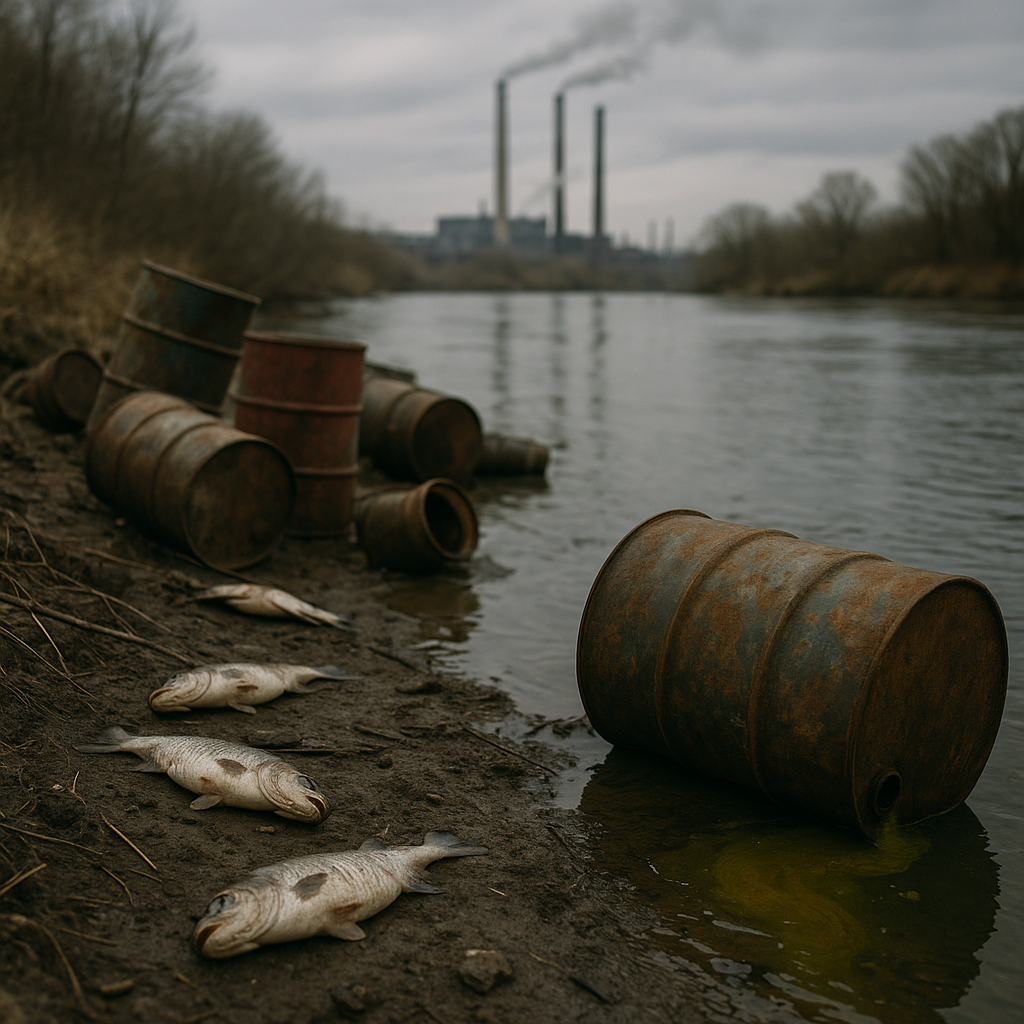
Soil contamination is the most immediate environmental threat from improper industrial waste disposal. Heavy metals, including lead, zinc, arsenic, and mercury, seep into soil when manufacturing waste isn’t properly contained. These toxins alter soil chemistry and destroy the microbial communities essential for healthy ecosystems.
Contamination spreads beyond the initial disposal site through natural processes. Rainwater carries dissolved pollutants deeper into soil layers and toward groundwater sources. Wind disperses contaminated soil particles over wider areas, transforming localized disposal problems into regional environmental crises.
Water systems face severe degradation when industrial chemical waste enters the environment. Contaminated soil allows toxic substances to leach into groundwater supplies that communities rely on for drinking. Surface water bodies become polluted through runoff carrying industrial contaminants from disposal sites.
Air quality deteriorates significantly due to improper waste management practices. Incineration of industrial waste releases harmful gases, including dioxins and heavy metal vapors, into the atmosphere. Even without burning, volatile compounds from improperly stored waste evaporate and create toxic air conditions in surrounding areas.
Ecosystem disruption occurs rapidly when industrial pollutants enter natural environments. Soil pollution kills beneficial microorganisms that support plant growth and nutrient cycling. Contaminated water sources become uninhabitable for aquatic life, leading to ecosystem imbalances that cascade through food chains and reduce biodiversity in affected regions.
Agricultural productivity suffers lasting damage from soil contamination. Industrial toxins reduce crop yields and make farmland unsuitable for food production. Heavy metal accumulation in agricultural products creates food safety risks. Farmers may lose entire harvests or face costly soil remediation before resuming operations.
Wildlife habitats become permanently altered by industrial waste contamination. Animals consuming contaminated water or vegetation face health and reproductive issues. Migration patterns change as wildlife avoids polluted areas, leading to species population declines in regions with persistent industrial contamination.
Long-term environmental recovery is challenging as contamination persists. Heavy metals remain active in soil for decades without proper remediation, and groundwater contamination can take generations to naturally clear. The cumulative effect creates environmental damage that extends far beyond the original disposal timeline.
Conclusion: Partnering for Compliant and Efficient Waste Management

Effective manufacturing waste management is crucial for environmental protection, regulatory compliance, and economic efficiency in Texas. Understanding different waste streams, from hazardous materials requiring special permits to universal waste classifications like batteries and paint-related materials, allows businesses to implement sustainable solutions that minimize environmental impact. The Texas Commission on Environmental Quality’s oversight provides clear guidelines for proper disposal, but dealing with complex regulations, such as generator status, permits, and reporting requirements, requires specialized knowledge.
Partnering with experienced waste management specialists ensures safe, compliant, and cost-effective disposal and recycling systems that support regulatory compliance and sustainable economy goals. Professional industrial recycling services offer the expertise needed to classify waste streams accurately, maintain proper documentation, and optimize cost-efficiency through appropriate recycling and disposal methods.
For comprehensive waste management solutions that meet Texas regulatory requirements while supporting environmental protection objectives, contact Okon Recycling at 214-717-4083.
Send Us a Message
Questions about what we do? Interested in commercial services? Let us know below and a member of our team will get back to you.