5901 Botham Jean Blvd, Dallas, TX 75215
Machine Shop Metal Recycling in Austin: Everything You Need to Know
December 16, 2025Machine shops in Austin generate thousands of pounds of metal waste every month. Old drill bits, damaged equipment, and machine turnings often end up in dumpsters, resulting in both lost revenue and environmental impact. However, industrial metal recovery in Austin turns this waste into valuable resources that benefit business bottom lines and community sustainability goals.
The environmental benefits of proper scrap metal recovery extend far beyond individual machine shops. Repurposing materials instead of sending them to landfills reduces the need for energy-intensive mining and manufacturing processes. Recycling aluminum, for instance, uses 95% less energy than producing new aluminum from raw materials. Steel recovery prevents air and water pollution while supporting Austin’s ambitious Zero Waste by 2040 initiative.
Machine Shop Scrap Types Recyclable in Austin
Machine turnings are among the most valuable types of scrap metal from manufacturing operations. These metal shavings and chips are produced when CNC machines, lathes, or mills cut, drill, or shape metal materials during production processes.
The value of machine turnings often surpasses standard scrap metal prices due to their composition. Many turnings come from high-grade alloys used in precision manufacturing. These materials frequently include valuable coatings such as diamond, cobalt, or titanium, applied to enhance cutting performance or durability.
CNC scrap involves more than just turnings. This category also includes drill bits, end mills, cutting tools, and other machining implements that have reached the end of their useful life. These items typically contain high-quality steel alloys and specialized coatings, making them particularly valuable for recovery.
Austin’s material recovery facilities accept the full range of machine shop materials. Reputable facilities in the area process aluminum, copper, iron, steel, and brass from manufacturing operations. Each metal type commands different pricing based on current market conditions and purity levels.
Aluminum scrap from machine shops often includes aircraft-grade materials and high-strength alloys, which typically offer better returns than standard aluminum cans or siding. Steel recovery covers everything from basic carbon steel to specialized tool steels used in cutting applications.
Copper scrap from manufacturing operations includes electrical components, tubing, and specialized copper alloys. Brass materials from machine shops frequently come from fittings, valves, and decorative components that contain higher copper content than standard brass items.
Preparing Machine Shop Scrap for Optimal Pricing
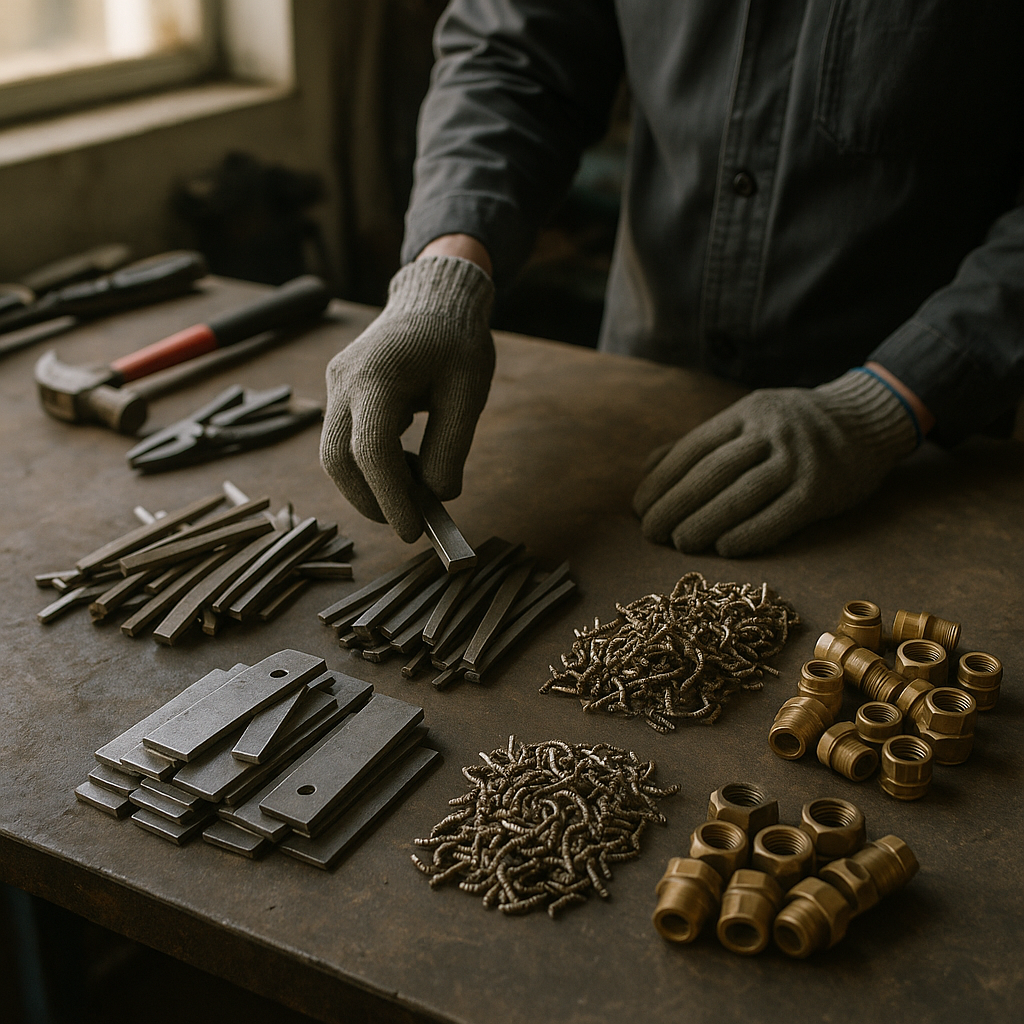
Proper preparation of machine shop scrap directly impacts your bottom line. Many facilities lose 20-40% of potential value by delivering poorly sorted or contaminated materials. The extra effort you invest in preparation leads to significantly higher payouts from recovery facilities.
Machine turnings require specific attention to maximize their scrap value. These metal shavings and chips often contain cutting fluids, coolants, and other contaminants that reduce their market value. Clean, properly prepared turnings command higher prices compared to contaminated materials.
Size restrictions are crucial in determining payout rates. Most recovery facilities prefer machine turnings and scrap pieces under 12 inches in length. Oversized pieces may require additional processing, reducing the price offered to generators.
Essential Preparation Steps for Maximum Value
Following these systematic preparation steps ensures you receive optimal pricing for your machine shop scrap:
- Sort metals into separate containers – Never mix different metal types; you’ll receive payment based on the lowest-value metal in the batch.
- Remove all attachments and hardware – Steel bolts, screws, and fasteners attached to aluminum or copper significantly reduce value.
- Strip away paints and coatings – Clean metal surfaces by removing paint, anodizing, and protective coatings when possible.
- Eliminate oils and cutting fluids – Drain and clean machine turnings to remove coolants, lubricants, and machining oils.
- Keep pieces under 12 inches – Cut or break down oversized scrap into manageable lengths for easier processing.
- Separate ferrous from non-ferrous metals – Use a magnet to distinguish between steel (magnetic) and aluminum, copper, or brass (non-magnetic).
- Grade materials by quality – Group similar alloys and grades together, as different aluminum alloys command different prices.
The sorting process requires attention to detail but delivers measurable results. For example, mixing brass fittings with aluminum turnings forces the entire batch into the lower-value category. Separating these materials can increase total value by 30-50% compared to mixed loads.
Contamination removal focuses on eliminating materials that interfere with the recovery process. Cutting fluids and oils not only reduce the metal’s value but may also require special handling. A simple rinse with degreasing solution removes most contaminants and improves pricing.
Advanced Preparation Techniques
Professional machine shops benefit from implementing systematic scrap management practices. Designating specific collection areas for different metal types prevents cross-contamination during the accumulation process. Color-coded containers help employees maintain proper separation throughout daily operations.
Weight considerations affect both transportation costs and facility efficiency. Dense materials like steel require less frequent collection, while lighter aluminum turnings accumulate volume quickly. Planning collection schedules around material density optimizes both storage space and transportation economics.
Documentation enhances the selling process by providing clear material identification. Recording the source and approximate alloy composition helps recovery facilities offer accurate pricing. This information is especially valuable when dealing with specialty alloys or high-grade materials that command premium prices.
Understanding the Scrap Metal Recovery Process
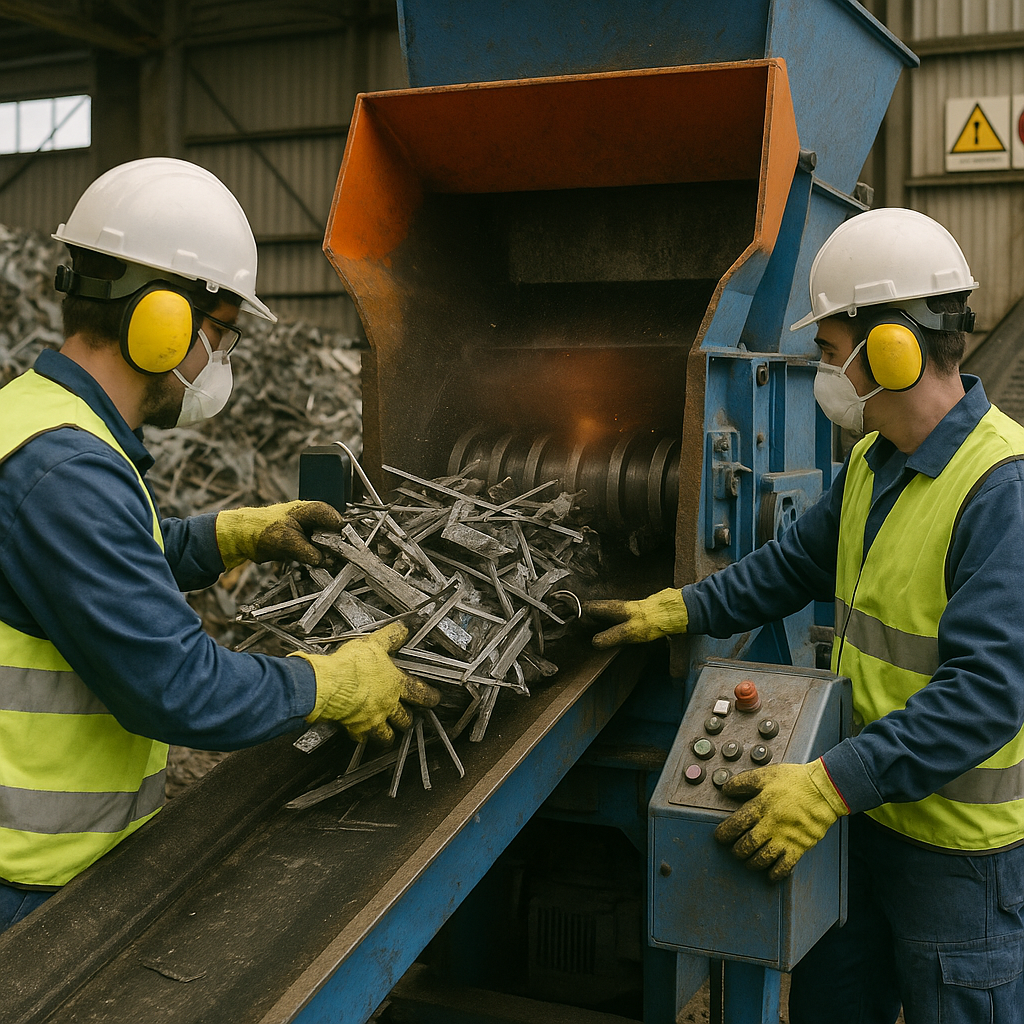
The scrap metal recovery process systematically transforms discarded materials into valuable resources. Understanding this journey enables businesses and municipalities to make informed waste management decisions. Each step contributes to creating high-quality recovered materials for manufacturing.
The process begins when materials arrive at a recovery facility through either drop-off or pickup services. Initial collection lays the foundation for subsequent steps, and proper handling during this stage ensures materials maintain their value throughout processing.
Sorting is the first critical operation at the facility. Metals are separated from other materials like plastic and debris. Magnetic sensors help distinguish ferrous metals from non-ferrous varieties based on iron content. Advanced sorting categorizes metals by type, using color and weight characteristics. Aluminum appears silver, while copper shows a distinctive yellowish-red hue. Quality control during sorting also evaluates cleanliness levels, distinguishing pure from contaminated materials.
Processing operations prepare sorted metals for melting. Hydraulic machinery compacts materials to reduce volume and improve handling efficiency. These systems generate enough pressure to cut large metal pieces using pressurized fluid flow. The compacted materials then move to hammer mills for shredding into smaller fragments, optimizing them for efficient melting.
High-temperature furnaces handle the melting phase with precision, with each metal type requiring specific temperature settings based on its unique properties. Melting times range from minutes to several hours, depending on material volume and furnace capacity. This step, while energy-intensive, still uses significantly less power than mining virgin ore.
Purification removes contaminants from the molten metal. Electrolysis, a common method, uses electric current to separate pure metal from impurities. The pure metal collects at the cathode, while contaminants dissolve or settle as anode mud. Alternatively, strong magnetic fields can separate different metal types from the molten mixture.
Solidification creates the final product forms manufacturers need. Chemical additives enhance specific properties in the cooling metal. Conveyor systems transport the molten material to cooling chambers, where it hardens into predetermined shapes. Most facilities produce sheets or bricks through baling processes that compress the solidified metal, simplifying handling and transportation to mills and manufacturing sites.
The completed recovered materials ship to manufacturers, who transform them into new products, closing the material loop and illustrating the circular economy. This process is typically more efficient than traditional mining and refining, supporting local economic development.
Austin Facilities for Machine Shop Metal Recovery
Austin’s industrial sector relies on established material recovery specialists handling machine shop waste and commercial scrap metal needs. These facilities provide essential services, including pickup, transportation, and processing of various ferrous and non-ferrous materials generated by machine shops and manufacturing operations.
Local specialists serve the community by developing strong relationships with mills throughout the region and accepting various metals, including aluminum, copper, iron, steel, and brass. Commercial scrap yard services cater specifically to industrial customers who generate substantial volumes of metal waste.
Established facilities offer scrap metal pickup services for larger quantities, eliminating the need for businesses to transport heavy materials themselves. For commercial customers, these specialists provide roll-off boxes, metal containers of various sizes, flipper buckets, and trailers. This container service is especially valuable for machine shops that generate consistent volumes of metal turnings, shavings, and other waste materials.
Industrial recovery experts distinguish themselves through dedicated fleets of trucks and trailers, enabling them to handle large-scale projects and challenging logistics scenarios. These teams mobilize specialized equipment, including roll-off boxes and personnel to manage complex recovery projects safely and efficiently. Their commercial scrap yard services focus on providing competitive pricing and professional service to industrial customers throughout the greater Austin area.
The City of Austin’s Recycle and Reuse Drop-off Center provides an additional option for metal recovery, primarily serving residential customers rather than commercial machine shops. This municipal facility accepts scrap metal by appointment only. While not specifically designed for industrial volumes, it offers a resource for smaller quantities of metal waste.
Machine shops selecting a recovery partner should consider factors such as pickup capabilities, container services, processing capacity, and payment terms. Partners with dedicated commercial services typically offer more comprehensive solutions for ongoing industrial waste management needs compared to facilities primarily serving residential customers.
Maximize Returns With Professional Metal Recovery

Recovering scrap metal from your machine shop offers significant environmental benefits while generating additional revenue for your business. Professional recovery services provide fair pricing for machine turnings, old equipment, and other metal waste materials. These services manage the complex sorting and processing requirements, ensuring compliance with environmental regulations. The community impact extends beyond individual businesses, as recovered metals reduce landfill waste and support sustainable manufacturing practices.
Partnering with an experienced Austin recovery specialist streamlines the process through convenient scrap metal pickup services and competitive pricing. Most facilities offer both drop-off and pickup options to accommodate different business needs and volumes. To maximize your returns and contribute to environmental sustainability, contact Okon Recycling at 214-717-4083 for a comprehensive quote on your metal recovery needs.
Send Us a Message
Questions about what we do? Interested in commercial services? Let us know below and a member of our team will get back to you.