5901 Botham Jean Blvd, Dallas, TX 75215
Industrial Recycling In Ochiltree County: A Business Guide
December 26, 2025Businesses across Ochiltree County are under growing pressure to manage industrial waste responsibly. Traditional disposal methods often send valuable materials directly to landfills, leading to unnecessary environmental strain and lost opportunities for resource recovery. In the modern industrial landscape, “waste” is increasingly viewed as a stranded asset that can be reclaimed and monetized.
Industrial recycling in Ochiltree County emphasizes sustainable disposal through specialized services that manage everything from warehouse cleanouts to high-value scrap metal recovery. These services operate throughout the region, covering Perryton, Booker, Farnsworth and Waka, with a primary approach that collects unwanted industrial materials and processes them through professional recycling channels.
Professional recycling providers focus on eco-friendly disposal methods that keep materials out of landfills.
What Industrial Materials Can Be Recycled?
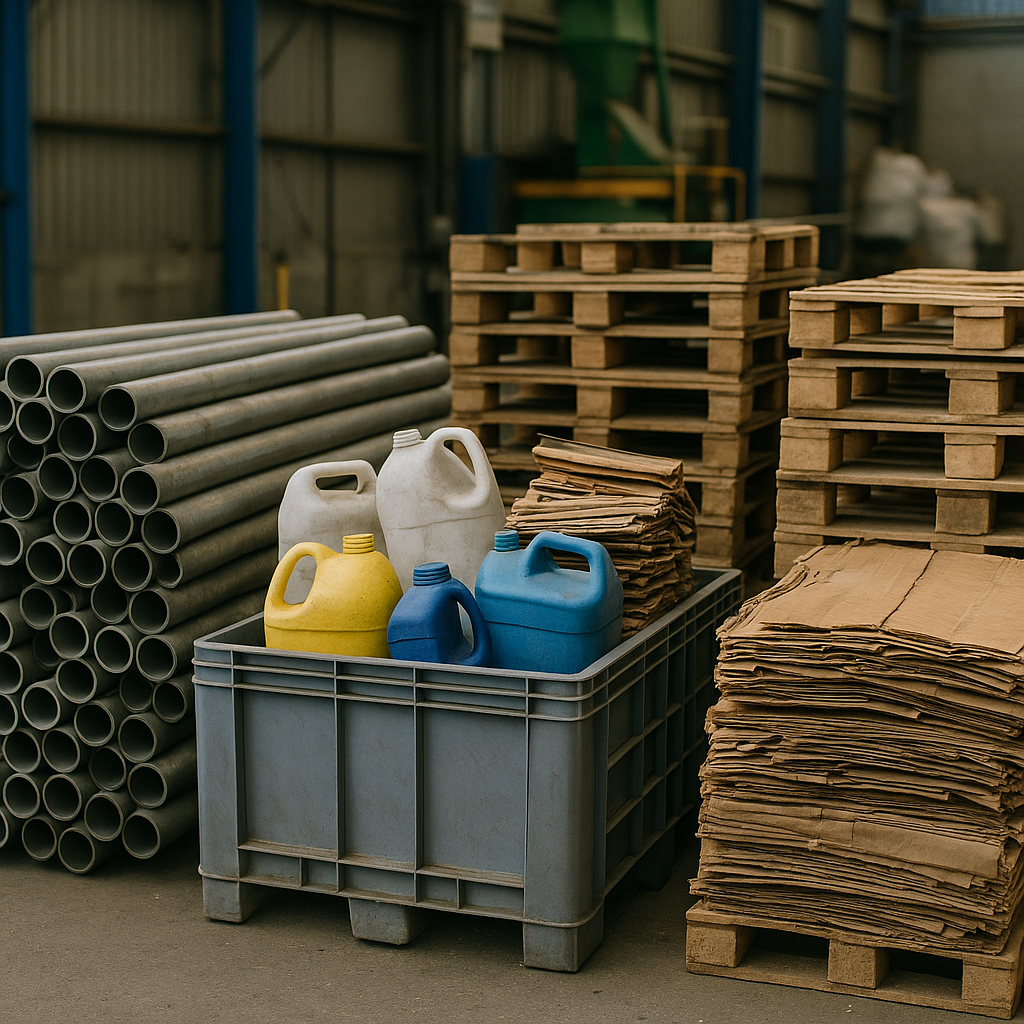
Manufacturing and industrial operations generate diverse waste streams that can be effectively diverted from landfills through targeted recycling programs. The recyclable materials range from standard packaging waste to specialized industrial byproducts that require careful handling and metallurgical processing.
Common Industrial Recyclables
Paper and cardboard represent the largest volume of recyclable materials in most industrial settings. According to the EPA, corrugated cardboard from shipping operations can be efficiently baled and processed into new packaging materials. Office paper, newspapers and magazines from administrative areas also contribute significantly to recycling volumes and should be segregated to maintain fiber quality.
Aluminum and plastic materials form another major category of industrial recyclables. Aluminum cans, sheeting and structural components retain their properties through multiple recycling cycles. Plastics, including HDPE, LDPE, PET and PVC from manufacturing processes, can be reprocessed into new resin pellets for future production, reducing the reliance on virgin petroleum-based resins.
Complex Industrial Waste Materials
Metal recycling encompasses both ferrous and non-ferrous materials generated through manufacturing operations. Steel and iron from construction and demolition projects represent high-volume recyclable streams. Non-ferrous metals like copper and brass offer high value due to their conductivity and corrosion resistance. These materials are particularly valuable in the Panhandle’s energy and agricultural sectors.
Scrap metal from industrial operations includes equipment components, pipes and structural materials. Specialized recycling facilities handle large-scale metal processing, ensuring efficient collection and preparation for reuse in new metal production. By utilizing X-ray fluorescence (XRF) technology, professional recyclers can identify specific alloys to ensure businesses receive the highest market value for their scrap.
Regulated Laboratory and Electronic Waste
Laboratory operations produce specialized waste streams that require careful management. Consumables can often be recycled when properly segregated from contaminated materials. Electronic waste from industrial operations contains valuable metals including gold, silver and palladium. Circuit boards, IT equipment and industrial electronic components require dismantling and precious metal recovery to maximize resource recovery while ensuring data security.
| Material Category | Typical Items | Processing Complexity |
|---|---|---|
| Standard Non-Ferrous | Aluminum siding, Copper tubing | Low – Mechanical Separation |
| Ferrous Metals | Steel beams, Iron piping | Medium – Magnetic Sorting |
| Specialty Alloys | Titanium, Inconel, Monel | High – XRF Analysis Required |
| E-Waste | Industrial PLC units, Servers | High – Manual Dismantling |
The Economic Benefits of Industrial Scrap Management
For businesses in Perryton and the surrounding areas, industrial recycling is not just an environmental imperative; it is a strategic financial tool. Implementing a robust scrap management program can directly impact a company’s bottom line by transforming overhead costs into revenue streams.
Offsetting Disposal Fees
Landfill tipping fees and waste hauling costs continue to rise across Texas. By diverting heavy materials like steel, iron and aluminum into a recycling program, companies can significantly reduce the weight and volume of their general waste. This leads to fewer dumpster pulls and lower monthly waste management invoices. In many cases, the revenue generated from the scrap metal pays for the entire waste management program.
Reclaiming Facility Square Footage
Warehouse and yard space in Ochiltree County is valuable. Obsolete machinery, “boneyards” of old equipment and piles of manufacturing dross take up space that could be used for production or inventory. A professional cleanout and recycling program allows businesses to reclaim this square footage, improving operational flow and potentially delaying the need for facility expansion.
Supporting ESG and Contract Compliance
Modern supply chains increasingly require partners to demonstrate sustainable practices. Corporate ESG (Environmental, Social and Governance) reporting often mandates specific landfill diversion rates. By providing documented weight tickets and certificates of recycling, industrial firms in Ochiltree County can maintain a competitive edge when bidding on contracts with larger corporations that prioritize sustainability in their vendor selection process.
How the Industrial Recycling Process Works
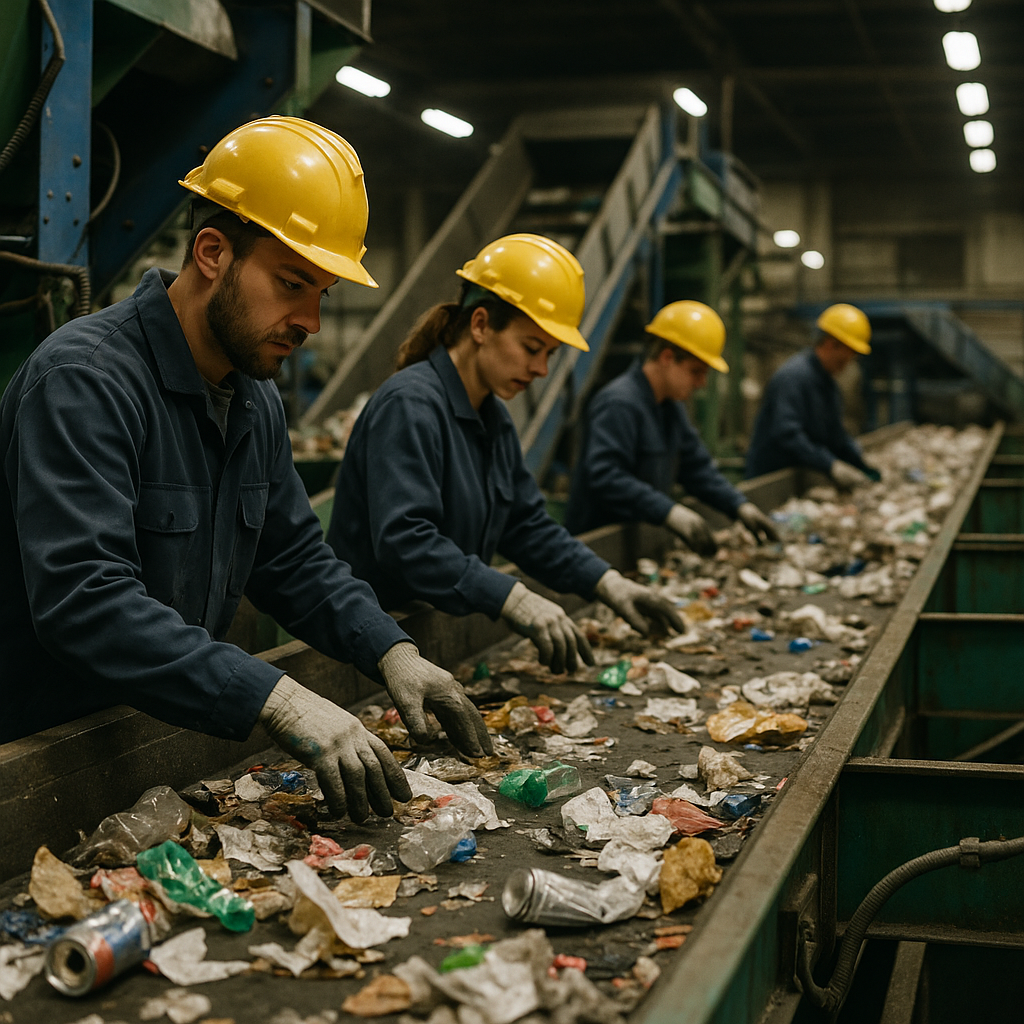
Industrial recycling transforms discarded materials into valuable new products through a systematic approach. The process begins with a comprehensive collection from manufacturing facilities, warehouses and distribution centers. Materials recovery specialists identify high-volume waste streams that offer the greatest recycling potential.
Initial Site Assessment and Logistics
The process begins with an audit of the facility’s waste. Logistics experts determine the best container sizes—ranging from 20-yard roll-offs to specialized indoor bins—to facilitate on-site segregation. Proper container placement ensures that employees can easily sort scrap metal from general trash at the point of generation, which is the most effective way to prevent contamination and preserve material value.
Sorting and Metallurgical Analysis
Once materials arrive at the processing facility, they undergo detailed sorting based on composition. Advanced technologies separate different material types. Waste characterization is crucial for identifying the best recycling process for each waste type. This is especially important for the Panhandle’s oil and gas equipment, which often contains high-performance alloys like stainless steel or nickel-based superalloys.
Transformation and Circular Loops
Sorted materials undergo reprocessing to create valuable new products. For instance, plastic films become pelletized resin for manufacturing new packaging, cardboard transforms into pulp for recycled paper products, and metal components are re-melted and formed into new parts or structures. This approach extends the original material’s lifecycle while reducing the demand for virgin resources mined from the earth.
Advanced Resource Recovery: Rare Metals and Superalloys
In the industrial sectors surrounding Perryton and Booker, the machinery used in oilfield services and specialized agriculture often contains materials that go far beyond standard steel. Reclaiming these rare metals is a specialized field that requires expert oversight.
Identifying Specialty Metals
Many industrial components used in high-heat or high-pressure environments are made from specialty alloys such as Inconel, Monel, Hastelloy and Titanium. These materials command prices significantly higher than common scrap. Without professional analysis, these high-value assets are often sold as “mixed stainless” or, worse, “heavy melt steel,” resulting in substantial financial losses for the business. Professional recyclers use calibrated XRF analyzers to ensure every pound of rare metal is identified and priced accurately.
Electronic and Industrial Controls
As industrial operations become more automated, the volume of obsolete PLCs (Programmable Logic Controllers), sensors and control cabinets increases. These items contain gold-plated connectors, silver solder and palladium-rich circuit boards. A comprehensive industrial recycling program includes the secure dismantling of these electronics, ensuring that precious metals are recovered and that sensitive proprietary data embedded in the hardware is physically destroyed.
Carbide and Tooling Recovery
Machine shops and manufacturing plants throughout Ochiltree County generate significant waste in the form of spent carbide inserts, drill bits and specialized tooling. Tungsten carbide is a critical material with a volatile global supply chain. Recycling these items not only provides a high-dollar return but also supports the domestic manufacturing industry by providing a secondary source of these essential refractory metals.
Legal and Environmental Compliance for Texas Businesses
Managing industrial waste in Texas involves navigating a complex web of state and federal regulations. Partnering with a professional recycling firm helps Ochiltree County businesses remain in compliance with the Texas Commission on Environmental Quality (TCEQ) and other regulatory bodies.
Scrap Metal Theft Prevention Act
Texas has strict laws regarding the sale and purchase of scrap metal, designed to prevent theft. Businesses must ensure their recycling partners are fully licensed and follow all reporting requirements, including the collection of proper identification and vehicle information. Working with a reputable, compliant recycler shields your business from the legal risks associated with unregulated scrap yards.
Hazardous Waste Identification
Many industrial metal components are attached to or contaminated with hazardous materials such as oils, coolants or lead-based paints. Professional recycling services help identify these materials before they enter the waste stream. By ensuring that “Class 1” industrial waste is handled according to TCEQ standards, companies avoid the massive fines associated with improper disposal and protect the local groundwater and soil in the Texas Panhandle.
Stormwater and Runoff Protection
Storing scrap metal outdoors can lead to metal-heavy runoff during rain events, which is a major concern for industrial stormwater permits. Professional recycling services provide leak-proof containers and guidance on proper storage techniques to ensure that your recycling program does not inadvertently cause an environmental violation. This holistic approach to waste management protects the facility’s permits and its reputation.
Conclusion: Embracing Sustainable Industrial Waste Management
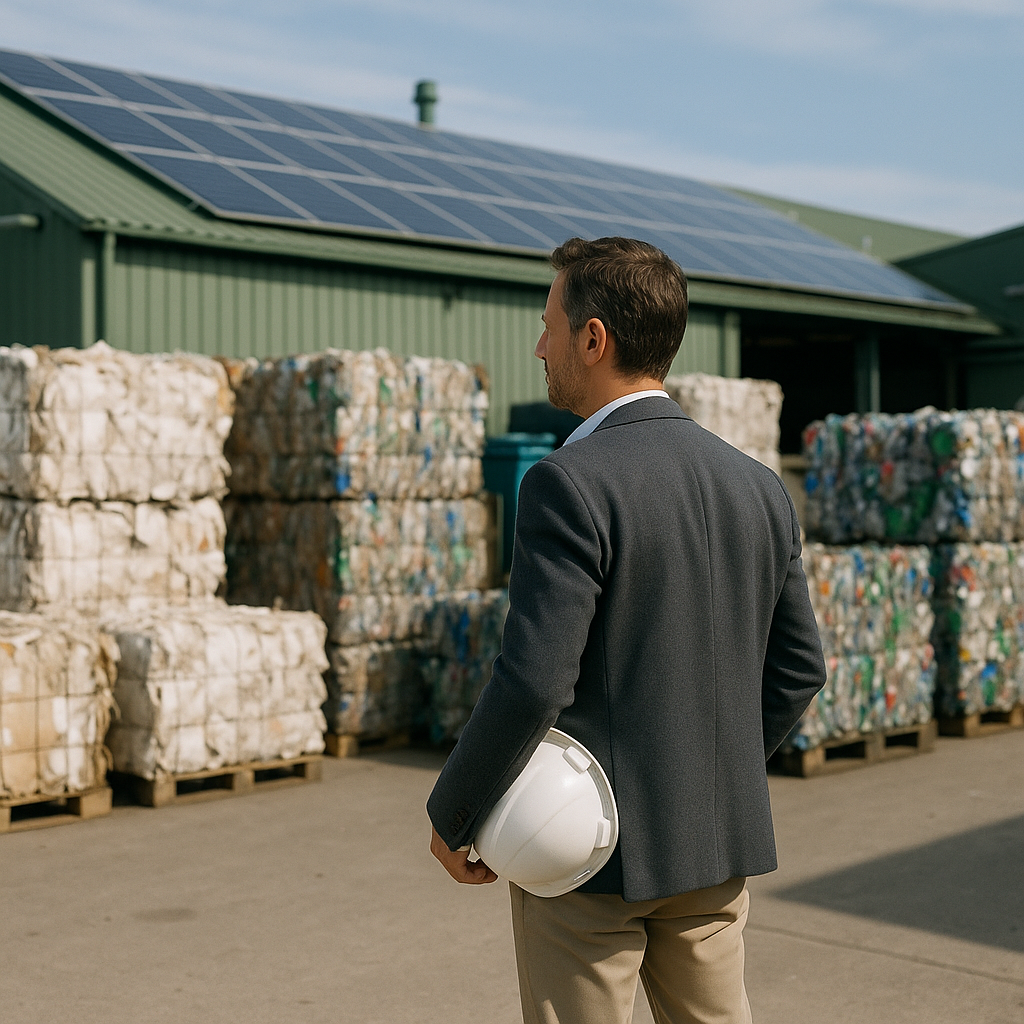
Industrial recycling in Ochiltree County offers businesses a practical path to sustainability. By utilizing professional services for warehouse cleanouts, metal recycling and waste diversion, companies can effectively reduce their environmental footprint, contribute to the circular economy and ensure long-term regulatory compliance. Adopting these solutions not only keeps the Perryton community cleaner but also enhances a company’s corporate image and operational efficiency in a competitive marketplace.
Businesses ready to implement sustainable waste management practices should act now. The future of Texas industry relies on our ability to recover resources and reduce our reliance on landfills. Contact Okon Recycling at 214-717-4083 to learn how our industrial recycling solutions can help your company achieve its sustainability goals while reducing costs and meeting all Texas regulatory requirements.
Send Us a Message
Questions about what we do? Interested in commercial services? Let us know below and a member of our team will get back to you.