5901 Botham Jean Blvd, Dallas, TX 75215
Industrial Metal Recycling in Beaumont: Services & Benefits
January 20, 2026Industrial metal recycling in Beaumont involves full-service scrap operations that cater to individuals, businesses, and large industrial facilities. These services specialize in processing all types of ferrous and non-ferrous metals, from basic steel and aluminum to specialized alloys like tungsten and molybdenum. Scrap processors handle everything from small-scale cleanup to major demolition projects, providing roll-off containers and on-site services for commercial facilities throughout Southeast Texas.
The recycling process transforms secondary materials into valuable resources for global markets. Processing facilities mechanically separate and sort different metal types before sending them to specialized refineries. This circular approach not only helps industries manage waste efficiently but also supports environmental stewardship by diverting materials from landfills and reducing the environmental impact of manufacturing across the Gulf Coast.
What Kinds of Industrial Metals Are Accepted for Recycling?
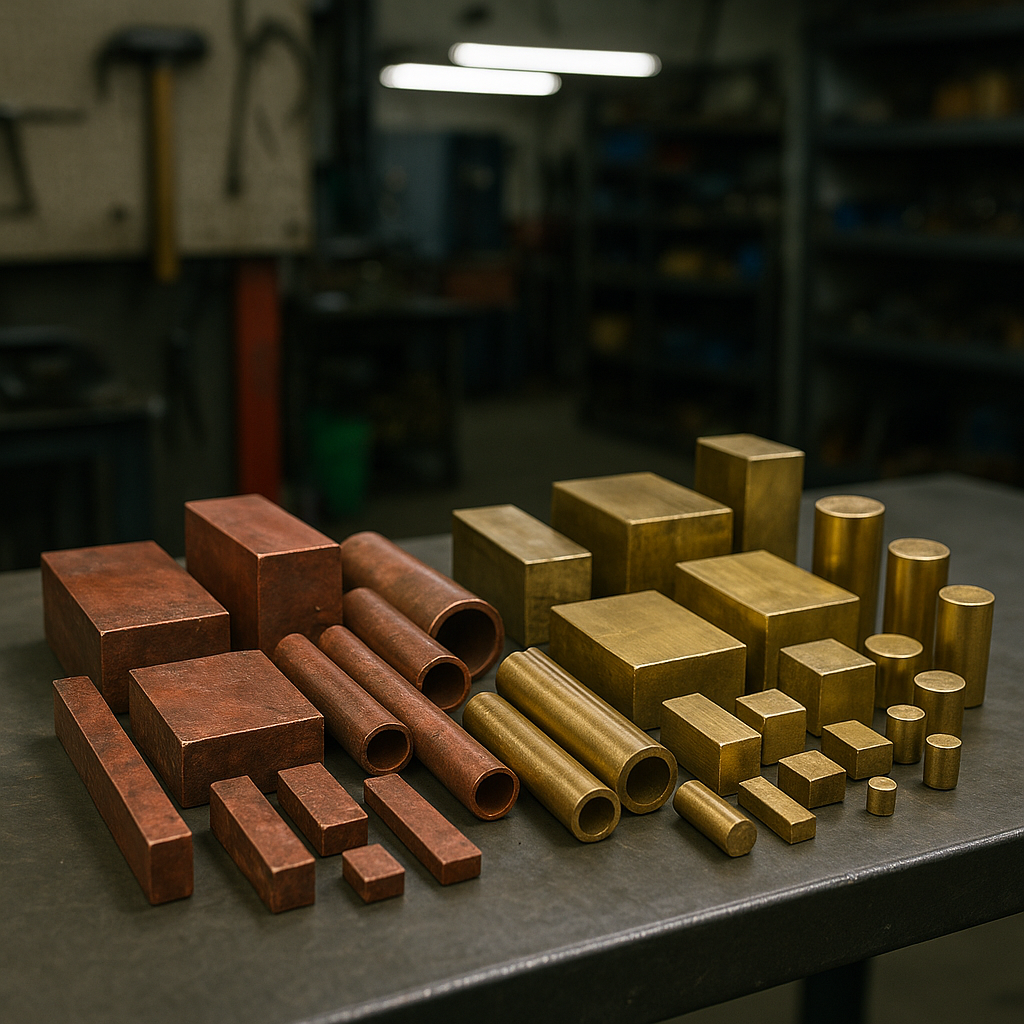
Beaumont recycling centers accept a wide range of metals from industrial sources. This includes common ferrous scrap like steel and cast iron, as well as non-ferrous metals such as aluminum, copper, brass, lead, and zinc. Specialized materials from industrial applications are also processed, including tungsten carbide, high-speed steel, titanium, molybdenum, cobalt, and even precious metals like gold and platinum.
Ferrous Metal Categories
Steel varieties represent the largest volume of recyclable industrial metals. Facilities process carbon steel from structural applications, alloy steel from manufacturing equipment, and cast iron from automotive components and machinery. Steel borings, plate steel, and structural steel beams are commonly accepted materials in the Beaumont industrial corridor.
Municipal scrap and demolition materials containing ferrous content provide steady streams of recyclable steel. Manufacturing facilities generate significant quantities of steel cable, steel turnings, and wrought iron that are processed efficiently through advanced materials recovery systems.
Non-Ferrous Metal Processing
Aluminum recycling encompasses multiple grades and alloys from industrial sources. We accept aluminum extrusions, cast aluminum components, aluminum turnings, and specialized aluminum alloys, including 6061, 6063, and various automotive grades. Industrial radiators and heat exchangers containing aluminum-copper combinations are especially valuable recyclable materials.
Copper recycling includes both pure copper and copper-bearing alloys. Electrical contractors bring copper wire, copper tubing, and copper-bearing scrap from construction and demolition projects. Industrial applications generate copper residues, copper solids, and copper powder that require specialized processing to maintain high purity standards.
Brass components from plumbing fixtures, industrial valves, and manufacturing equipment contain valuable copper and zinc alloys. Bronze materials from bearings and industrial machinery also contribute significantly to non-ferrous metal streams.
Specialized Industrial Alloys
Tungsten carbide from cutting tools, drill bits, and industrial inserts commands premium recycling values. Manufacturing facilities generate tungsten carbide powder, spent cutting tools, and carbide grinding tips that are processed through specialized recovery systems. High-speed steel from machining operations includes drill bits and turnings containing valuable alloying elements like vanadium or chromium.
Industrial applications produce titanium scrap from aerospace manufacturing, chemical processing equipment, and specialized alloys. Both pure titanium and titanium alloys maintain high recycling values due to their specialized applications and rigorous processing requirements.
Advanced Specialty Metals
Molybdenum appears in industrial applications as molybdenum plate scrap, molybdenum turnings, and molybdenum-bearing steel alloys. Chemical processing facilities and specialized manufacturing operations generate molybdenum filters and molybdenum dust suitable for recovery. Similarly, cobalt from industrial catalysts, cobalt-based alloys, and battery applications requires specialized handling.
Nickel-bearing materials include stainless steel alloys, Inconel scrap, Monel components, and Hastelloy from chemical processing applications. These specialized alloys maintain high values due to their corrosion resistance and heat-tolerant properties.
Precious Metal Recovery
Precious metal scrap from industrial applications includes gold, platinum, palladium, and silver from electronic components, catalytic converters, and specialized industrial processes. Electronic manufacturing waste often contains recoverable precious metals that require specialized processing techniques to extract from circuit boards and sensors.
Industrial catalysts from chemical processing operations frequently contain platinum, palladium, and other precious metals. Spent catalyst recovery represents a significant opportunity for Beaumont industrial facilities to recover valuable materials while supporting sustainable manufacturing practices.
What Industrial Recycling Services Are Offered to Businesses?
Industrial and commercial operations require specialized recycling solutions capable of handling high-volume scrap generation while maintaining operational efficiency. Regional recycling facilities offer comprehensive service packages tailored to the unique challenges faced by manufacturing plants, construction sites, and commercial enterprises.
Roll-off container service is one of the most popular solutions for businesses managing substantial scrap volumes. These containers are delivered directly to job sites, enabling companies to collect materials as they are generated instead of stockpiling scrap in unsuitable areas. Containers come in various sizes—typically 20, 30, and 40 yards—to accommodate different project scales, from small renovation jobs to large industrial operations.
Field service scrap contractors offer on-demand pickup services, eliminating the logistical burden of transporting materials to recycling facilities. This service is particularly valuable for factories and manufacturing plants that generate consistent scrap streams but lack the infrastructure for transportation. Regular pickup schedules can be arranged to maintain clean work environments and prevent scrap accumulation.
Contractor pricing structures offer volume-based rates, acknowledging the substantial material quantities generated by construction and industrial projects. These specialized pricing arrangements typically provide better returns for high-volume loads compared to standard retail rates. The pricing reflects the efficiency gains in processing larger volumes and reduced handling costs associated with bulk collections.
Demolition cleanup is a critical service for construction companies and property developers managing building teardowns and renovation projects. Professional scrap removal teams efficiently separate recyclable materials from general debris, ensuring maximum recovery value while complying with local disposal regulations. This includes comprehensive site cleanup, leaving properties ready for the next development phase.
How Does the Industrial Scrap Recycling Process Work?
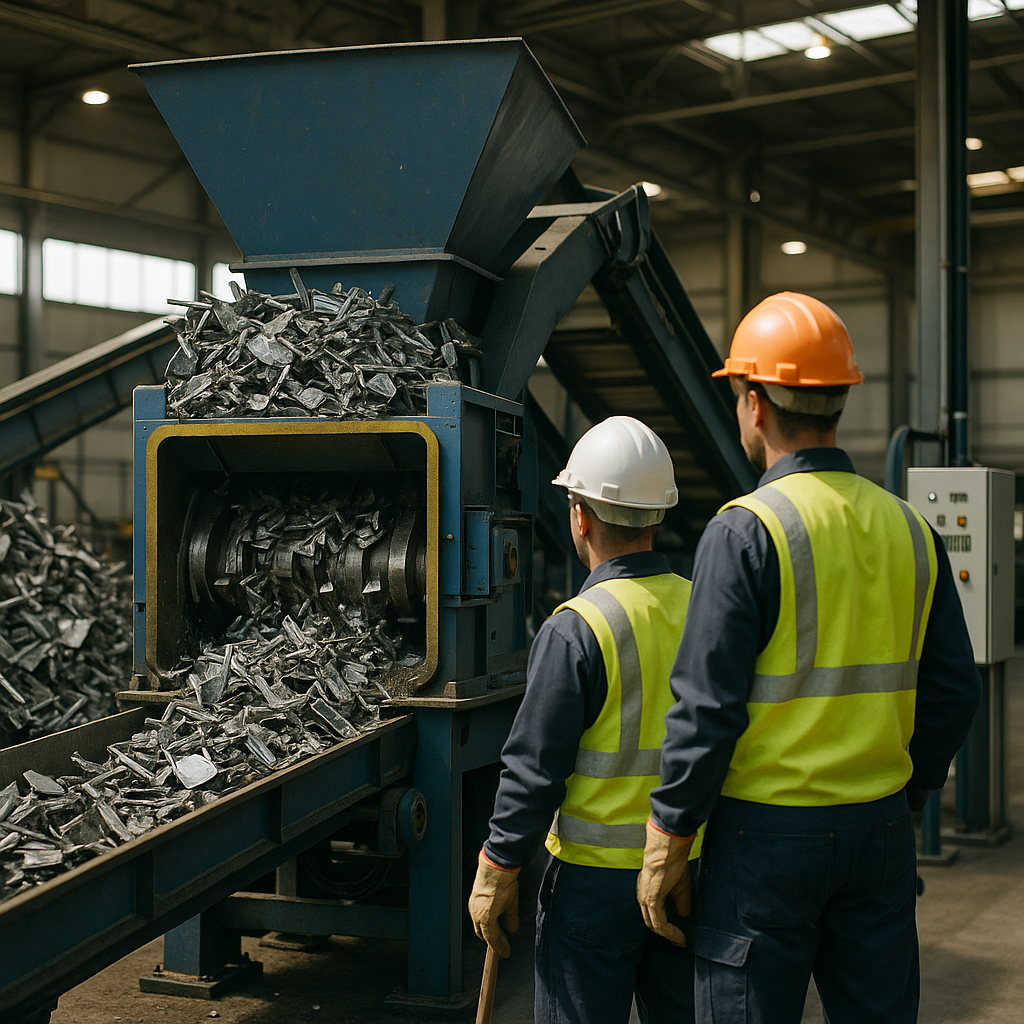
Industrial scrap metal recycling follows a streamlined approach designed for efficiency and transparency. It eliminates complicated scheduling and paperwork delays that can slow down operations. Most professional facilities accept industrial clients without requiring complex appointments, allowing for a flexible removal timeline.
State-certified digital scales ensure honest weighing practices. These scales display weights clearly for customers to observe throughout the process, preventing disputes about material weights and ensuring total transparency. Regular calibration and certification by Texas state authorities maintain the accuracy standards required for commercial transactions.
Arrival and Initial Assessment
When clients arrive at recycling facilities, staff conduct preliminary assessments of materials. This review helps determine appropriate processing procedures and identifies any materials needing special handling. Hazardous substances or contaminated metals may require additional preparation before they can enter the recycling stream.
This assessment also allows facility operators to provide accurate pricing information upfront. Different metal grades command different market values, and proper identification ensures clients receive fair compensation. Mixed loads typically receive lower pricing than separated materials, so advance sorting can improve the bottom line for industrial partners.
Weighing and Documentation
Digital scales provide precise weight measurements for all incoming materials. The weighing process occurs in full view of customers, with digital displays showing exact weights in real-time. This transparency builds trust and eliminates concerns about measurement accuracy that can arise with older analog systems.
Documentation accompanies each transaction, providing detailed records of material types, weights, and pricing. These records support corporate accounting requirements and help track recycling program performance. Many facilities provide electronic receipts and detailed reporting for corporate sustainability initiatives and LEED certification goals.
Pricing and Market Alignment
Scrap metal prices fluctuate based on global commodity markets and local supply conditions. Reputable facilities update their pricing regularly to reflect current market trends and ensure competitive compensation. Price boards or electronic displays communicate current rates for different material categories such as #1 Copper or Heavy Melting Steel.
Fair pricing practices consider material quality, contamination levels, and processing requirements. Clean, sorted materials command premium pricing, while mixed or contaminated loads receive adjusted rates. Transparent pricing structures help businesses understand value factors and optimize their on-site preparation methods.
Payment Processing
Instant payment eliminates the waiting periods common with other disposal methods. Electronic transfers or specialized payment cards accommodate larger transactions that require additional documentation. Payment processing occurs immediately after weighing and documentation completion, providing immediate liquidity for the business.
Quality Control and Verification
Quality control procedures ensure materials meet recycling specifications before processing begins. Visual inspection identifies contamination issues that could affect material value or processing efficiency. Advanced facilities use X-ray fluorescence (XRF) analyzers to verify metal compositions and detect exact alloy content.
Verification protects facilities and customers from pricing disputes. Accurate material identification ensures appropriate compensation and prevents processing problems that could delay transactions. Some facilities provide detailed analysis reports for high-value specialty metals requiring precise composition verification.
Strategies for Maximizing Industrial Scrap Value
To get the most out of a scrap metal recycling program, Beaumont businesses should focus on “source separation.” This is the practice of keeping different metals in separate containers at the point of generation. When high-value non-ferrous metals are mixed with low-value steel, the entire load is often priced at the lower rate. By maintaining dedicated bins for aluminum, copper, and stainless steel, companies can capture the full market value of each material.
Additionally, preparing materials—such as stripping insulation from large copper cables or removing non-metal attachments from machinery—can move scrap into a higher grade category. While professional recyclers offer processing services, performing basic preparation on-site often pays for itself through increased scrap revenue. It is also beneficial to monitor market trends, as timing a large sale during a market peak can significantly impact annual recovery totals.
Safety and Compliance in Industrial Scrap Handling
Safety is paramount when managing industrial scrap metal. Sharp edges, heavy components, and the use of heavy machinery during loading pose significant risks. Beaumont businesses should ensure their staff is trained in proper lifting techniques and the use of personal protective equipment (PPE). When utilizing roll-off containers, it is essential to load them evenly to prevent shifting during transport, which can create hazards on the road.
Compliance with environmental and state regulations is equally important. Texas has strict laws regarding the purchase and sale of regulated metals to prevent theft. Businesses must maintain accurate records of their scrap transactions and ensure their recycling partner is fully licensed. Proper handling of fluids—such as oil from engines or refrigerants from HVAC units—is required to prevent soil and water contamination. A reputable recycling partner will assist in ensuring all materials are handled in accordance with Texas Commission on Environmental Quality (TCEQ) standards.
Choosing the Right Partner for Industrial Recycling

Selecting a reliable partner for industrial metal recycling in Beaumont requires evaluating several key factors that directly impact operational efficiency and environmental responsibility. The right recycling facility offers years of experience, transparent pricing, modern equipment, and certified weight scales to ensure fair compensation for your materials. Look for partners who show environmental stewardship through proper compliance, maintain organized yards, and offer tailored solutions such as on-site services and flexible pickup schedules that align with your business operations.
For businesses seeking a reliable industrial metal recycling partner in the Beaumont area, contact Okon Recycling at 214-717-4083 for professional recycling services that meet your specific industrial needs.
Send Us a Message
Questions about what we do? Interested in commercial services? Let us know below and a member of our team will get back to you.