5901 Botham Jean Blvd, Dallas, TX 75215
Why Handle Construction Site Metal Waste Without Delays?
April 1, 2026Construction projects generate substantial amounts of metal waste. Poor handling of these materials can increase total project expenses by 11% to 30%. A single mismanaged debris pile can halt work for days.
Metal waste creates immediate operational challenges on construction sites. Scrap steel, aluminum components, and copper wiring quickly accumulate during demolition and installation phases. When these materials pile up in walkways or staging areas, they block equipment access and create safety hazards for workers. Heavy machinery cannot navigate around improperly stored metal debris, forcing project managers to halt operations until debris management teams clear the pathways.
Site safety is compromised when metal waste lacks proper segregation and storage protocols. Sharp edges from construction debris pose injury risks to workers. Unstable piles of scrap metal can shift unexpectedly. Without a comprehensive waste management plan, projects face code violations, additional disposal charges, and extended timelines that affect profitability and client relationships.
What Is The Most Effective Way To Sort Metal Waste On-Site?
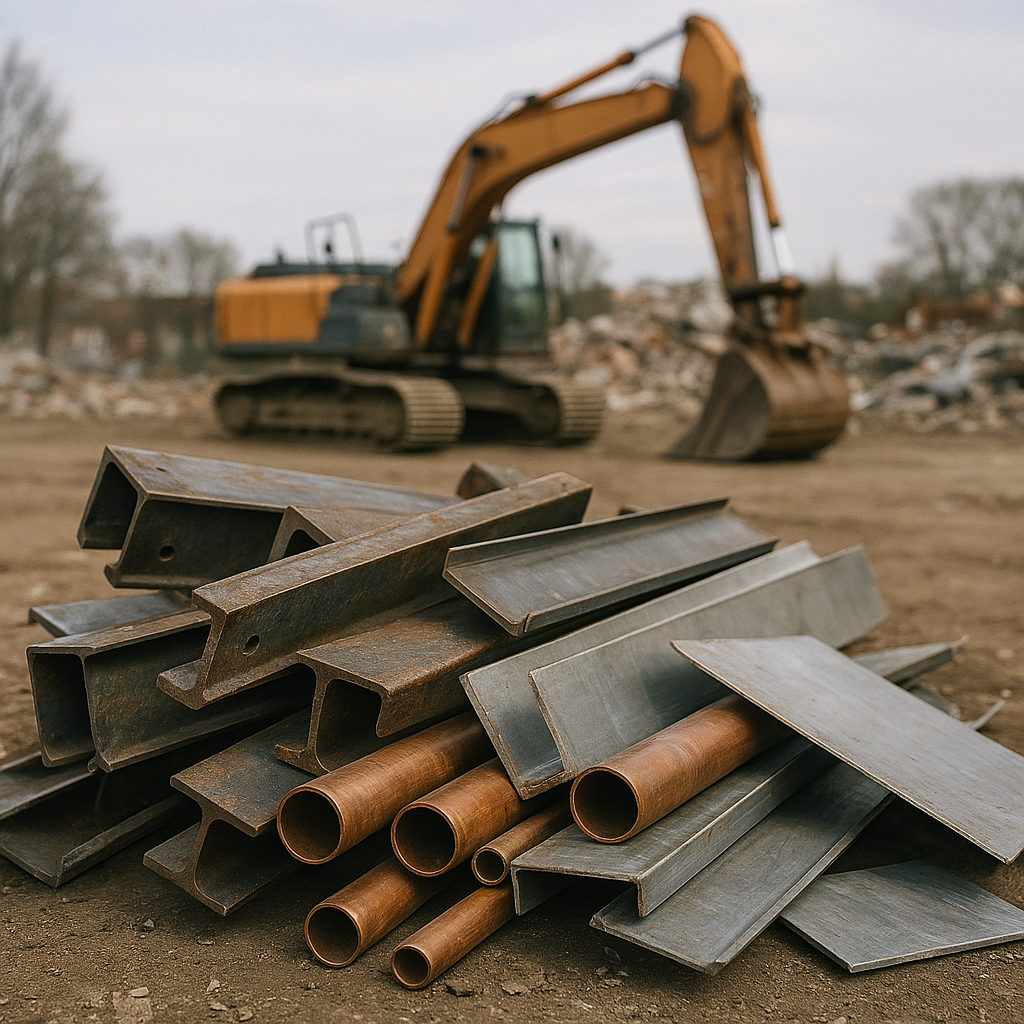
Sorting metal waste at the source is the most efficient approach to materials recovery on any project site. This strategy eliminates the need for costly secondary sorting processes and ensures maximum value recovery from scrap materials. Source sorting prevents contamination between different metal types and reduces processing time at recycling facilities.
The foundation of effective on-site sorting lies in establishing designated waste stations throughout the work area. These stations should feature separate, clearly labeled containers positioned strategically near high-activity zones. Each container must be appropriately sized for the expected volume and type of metal waste generated in that specific area.
Color-coded bins provide clear visual guidance for workers handling different waste streams. Blue containers designated for metal waste create immediate recognition and reduce sorting errors. This system works particularly well when combined with large, simple signage showing exactly which materials belong in each container.
Strategic placement of recycling bins ensures maximum participation from crews while maintaining efficient workflow. Containers should be close enough to work areas to avoid excessive carrying distances for workers but positioned away from stormwater flow paths and kept covered during weather events to prevent contamination.
Clear labeling eliminates confusion and improves compliance rates among different crews and subcontractors. Each container should display both text and visual indicators showing acceptable materials. For metal waste specifically, labels should distinguish between ferrous metals like steel and non-ferrous metals such as aluminum and copper, which often require separate processing streams.
Regular monitoring of waste stations prevents overflow and maintains sorting quality throughout the project. Designated personnel should check containers daily and arrange for pickup before they reach capacity. This approach prevents workers from resorting to mixed disposal when proper containers are full.
Proper waste segregation at the source maximizes the value recovered from metal materials while reducing overall disposal costs. Clean, separated metal streams command higher prices from recyclers and eliminate the expense of secondary sorting. This systematic approach also improves project flow by keeping work areas cleaner and reducing the time spent managing mixed waste materials.
How Can You Efficiently Dispose Of And Recycle Sorted Metal?
Professional partnerships with established scrap metal buyers are crucial for efficient metal disposal. These companies specialize in handling various metal grades and possess the equipment, expertise, and market connections necessary for proper processing. Working with certified buyers ensures compliance with environmental regulations and maximizes material recovery rates.
Container services are a key component of streamlined metal disposal operations. Reputable scrap metal companies provide containers of appropriate sizes based on your specific waste stream volume and metal types. Standard container sizes range from small roll-off dumpsters for lighter materials to large containers capable of handling heavy steel components.
Scheduled pickup services eliminate the guesswork and logistical challenges associated with metal waste removal. Professional hauling services operate on predetermined schedules that align with your project timelines and waste generation patterns. This proactive approach prevents metal accumulation, which could otherwise create safety hazards or project delays.
Revenue generation through scrap management transforms waste disposal from a cost center into a potential income source. Current market prices for common metals vary, with copper fetching between $2.00 to $3.00 per pound and aluminum ranging from $0.30 to $0.90 per pound. These rates fluctuate based on market conditions, but consistent recycling partnerships help capture favorable pricing opportunities.
Proper preparation and documentation enhance the efficiency of pickup schedules and material processing. Scrap metal buyers typically require separation of ferrous and non-ferrous materials, removal of non-metallic attachments, and basic cleaning to eliminate contaminants. Professional services often provide guidance on preparation standards that maximize material value and processing speed.
Landfill diversion benefits extend beyond immediate cost recovery to include environmental compliance and sustainability goals. Metal recycling diverts materials from waste streams and supports circular economy principles. Professional scrap management services maintain detailed records that demonstrate environmental stewardship and regulatory compliance for audit purposes.
What Role Do Planning And Team Training Play In Preventing Delays?

Effective waste management planning is crucial for preventing project delays and costly disruptions. Organizations that integrate comprehensive waste strategies into their timelines before starting consistently outperform those that treat waste management as an afterthought. The EPA’s pre-incident planning process illustrates how advance preparation creates resilient operational frameworks that withstand unexpected challenges.
A well-crafted waste management plan sets clear objectives and processes aligned with project timelines and regulatory requirements. This plan should include procedures for waste sorting, recycling protocols, and disposal methods, assigning specific responsibilities to team members. When waste roles are clearly distributed, projects avoid delays caused by overflowing containers, improper material segregation, and disposal confusion.
Team education is essential in translating plans into consistent practices. Regular training, including brief meetings on disposal procedures, ensures all team members understand current protocols and any changes. This ongoing education prevents knowledge gaps that often lead to improper sorting, contaminated recycling streams, and project slowdowns.
Sustainable practices become ingrained in project workflows when teams are properly trained in waste reduction techniques and site protocols. Workers who see the link between efficient waste management and project success are likely to adopt behaviors that support timeline adherence. Training should cover material identification, sorting techniques, and the importance of maintaining clean waste collection areas.
Key strategies for enhancing planning and training initiatives include:
- Integrating waste management planning into the project timeline before construction starts
- Conducting daily briefings on disposal procedures and protocol changes
- Assigning waste management responsibilities to designated team members
- Establishing accountability measures for organized waste collection areas
- Providing continuous education on material sorting and recycling requirements
- Creating visual guides and signage to support proper waste segregation
Clearly defined responsibilities ensure consistent implementation throughout all project phases. When individuals understand their specific roles, they maintain efficient systems, creating a culture of proactive issue management that prevents project delays.
This prevention-focused waste management approach results in increased project efficiency and cost control. Teams investing time in planning and regular training experience fewer delays, reduced disposal costs, and enhanced regulatory compliance. This foundational investment fosters sustainable practices that support both immediate project goals and long-term success.
What Are The Key Benefits Of Managing Metal Waste Effectively?
Financial Returns And Cost Reduction
Effective metal waste management turns disposal costs into revenue opportunities. Recycled metals retain strong market value, allowing businesses to earn income from materials that would otherwise incur disposal charges. Steel, aluminum, and copper scrap can generate competitive rates, creating additional revenue streams that directly benefit project budgets.
The savings extend beyond just eliminating disposal fees. Companies avoid costs tied to purchasing virgin materials by recycling metals into their supply chains. This approach reduces raw material procurement expenses while enhancing operational efficiency in manufacturing and construction processes.
Transportation and logistics costs decrease when metal waste is processed locally rather than shipped to distant disposal facilities. On-site processing and nearby recycling centers minimize fuel expenses and reduce the environmental footprint of waste management operations.
Enhanced Workplace Safety Standards
Accumulated metal waste poses safety risks that effective management systems can eliminate. Scattered scrap metal, sharp edges, and unstable piles create trip hazards and injury risks for workers on job sites. Systematic collection and removal of metal debris help maintain clear walkways and organized work environments.
Proper storage of metal waste prevents accidents related to falling objects or unstable material stacks. Designated collection areas with suitable containers lessen the likelihood of cuts, puncture wounds, and other injuries commonly associated with improper scrap handling.
Regular waste removal schedules ensure that metal debris does not obstruct equipment operation or emergency access routes. Clean, organized worksites enhance productivity while demonstrating a commitment to employee welfare and professionalism.
Environmental Compliance And Risk Management
Regulatory agencies are increasingly enforcing strict environmental standards for industrial waste disposal. Effective metal waste management ensures compliance with local, state, and federal regulations, avoiding costly fines and legal issues. Proper documentation and certified disposal methods protect businesses from liability concerns.
Metal recycling significantly reduces environmental impact compared to the production of virgin materials. Recycled aluminum, for example, requires up to 95% less energy to produce than new aluminum from raw resources. This substantial energy reduction supports sustainability goals and demonstrates environmental responsibility to stakeholders and regulatory bodies.
Contamination risks decrease when metals are properly separated and processed through certified recycling channels. Professional waste management prevents hazardous substances from entering soil and groundwater, safeguarding public health and company reputation.
Operational Efficiency And Productivity Gains
Systematic metal waste management streamlines daily operations by eliminating the time spent searching for tools and materials among scattered debris. Organized collection systems reduce project delays and improve workflow efficiency across construction and manufacturing sites.
Equipment maintenance costs decrease when work areas are free of metal debris that can damage machinery or interfere with operations. Clean worksites extend equipment lifespan and lower unexpected repair expenses that disrupt project schedules.
Employee productivity increases in well-organized environments where workers can focus on core tasks without navigating clutter. Efficient waste management systems become integral to successful project completion and customer satisfaction.
Conclusion: A Proactive Approach To Metal Waste Management

To manage construction site metal waste effectively without risking delays, it’s essential to implement a comprehensive strategy from the outset. Prioritizing on-site sorting, partnering with professional recycling services, and ensuring your team is well-trained can maintain a clean, safe, and efficient worksite. This proactive approach transforms waste management from a potential liability into a streamlined process that supports your project’s budget and timeline.
Effective metal waste handling keeps projects on track while maximizing material recovery value. By planning ahead, sorting materials properly, and collaborating with experienced recycling partners, construction teams can avoid costly delays and generate additional revenue from scrap metal sales.
For professional metal recycling services that align with your construction timeline and budget goals, contact Okon Recycling at 214-717-4083.
Send Us a Message
Questions about what we do? Interested in commercial services? Let us know below and a member of our team will get back to you.