5901 Botham Jean Blvd, Dallas, TX 75215
What Are the Best Ways to Get Rid of Old Scrap Metal?
February 6, 2026Cleaning out your garage often uncovers a collection of forgotten items. Old appliances, broken tools, and construction leftovers accumulate over the years. The challenge lies in deciding how to handle all the metal in storage. In 2026, as commodity prices for raw materials reach new highs, this “junk” represents a significant financial and environmental opportunity.
Responsibly disposing of old scrap metal is crucial for reducing waste and keeping valuable materials in circulation. Proper disposal prevents metals from occupying landfill space for decades. It also reduces the need for mining new materials, which harms ecosystems and consumes extensive energy. With the global push toward a circular economy, the demand for secondary raw materials has never been higher.
The most common and environmentally friendly method is recycling, which involves taking items to a professional processing facility or using a specialized industrial pickup service. Many recycling centers even pay for scrap, turning your unwanted junk into cash. These options make responsible disposal both profitable and convenient for property owners dealing with accumulated metal waste.
What Types of Scrap Metal Are Commonly Accepted for Recycling?
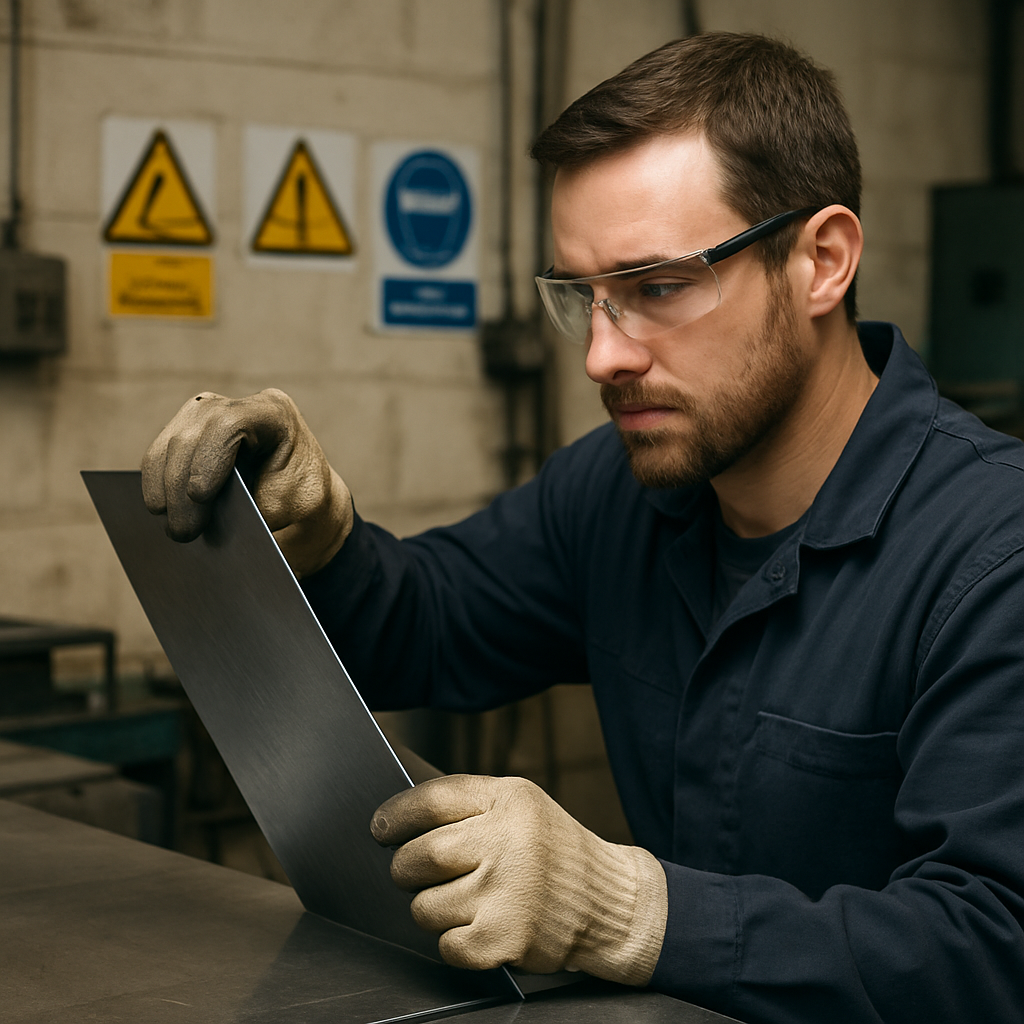
Recycling centers organize scrap metal into two primary categories based on iron content. This classification helps facilities process materials efficiently and determines pricing structures. Understanding these categories enables better sorting and maximizes the value of recyclable materials.
Ferrous metals: Iron-based materials
Ferrous metals contain iron and are the most commonly recycled materials by volume. These metals are magnetic, making them easy to identify and separate during processing. The magnetic properties allow recycling facilities to use industrial electromagnets for efficient sorting and handling.
Steel is the most prevalent ferrous metal in recycling operations. Common sources include automotive parts, construction beams, appliances, and household items. Steel maintains its structural integrity through multiple recycling cycles, making it infinitely recyclable without quality degradation. In the 2026 market, the demand for high-quality ferrous scrap has surged as domestic steel mills shift toward electric arc furnaces, which rely heavily on recycled feedstock.
Iron appears in various forms throughout residential and commercial waste streams. Cast iron cookware, old machinery, and plumbing components provide substantial iron content. These materials often require minimal processing before entering the recycling stream.
Common ferrous metal items accepted include:
- Automotive parts and body panels.
- Steel bed frames and furniture.
- Appliances like washing machines and dryers.
- Construction materials and rebar.
- Pipes and plumbing fixtures.
- Tools and hardware.
Non-ferrous metals: Higher value materials
Non-ferrous metals contain little to no iron content and command higher prices due to their properties. These materials resist corrosion better than ferrous metals and often have superior conductivity. Their lighter weight and durability make them valuable for specialized applications.
Aluminum is the most commonly recycled non-ferrous metal. Beverage cans, window frames, and automotive components provide steady aluminum sources. The recycling process for aluminum requires 95 percent less energy than producing new aluminum from raw materials, a critical metric in today’s energy-conscious industrial landscape.
Copper offers excellent value due to its electrical conductivity and industrial demand. Electrical wiring, plumbing pipes, and air conditioning units contain significant copper content. Even small quantities of copper wire can generate meaningful returns for recyclers, as copper prices have seen record highs in early 2026 due to the electrification of the global grid.
Brass and bronze alloys also maintain strong recycling demand. Musical instruments, decorative hardware, and plumbing fixtures often contain these materials. Their distinctive coloring helps with identification during sorting processes. Accepted non-ferrous metals include:
- Aluminum cans and extrusions.
- Copper wire and tubing.
- Brass fittings and hardware.
- Lead-acid batteries.
- Zinc die-cast parts.
- Nickel-containing alloys.
The Economics of Disposal: Cash vs. Cost
A common misconception among homeowners is that all metal waste has a positive cash value. In reality, the economics of scrap disposal depend heavily on logistics, contamination, and market timing. Understanding the difference between a “cash load” and a “fee-based pickup” can save property owners significant frustration.
The “Break-Even” point for logistics
While a copper pipe is worth money, a steel refrigerator might not be—at least, not once you factor in the cost of moving it. Ferrous metal (steel/iron) trades at a much lower price per pound than non-ferrous metal. If you hire a professional hauler to remove a single appliance, the cost of labor, fuel, and vehicle maintenance often exceeds the scrap value of the metal. In this scenario, you are paying for the service of removal, not selling the metal. Conversely, if you have a truckload of aluminum siding or copper wire, the material’s value is likely high enough to cover transport costs and leave you with a profit.
Mixed loads and downgrading
To maximize revenue, materials must be separated. A “mixed load”—one that contains steel, plastic, wood, and aluminum thrown together—is often graded as “trash” or low-grade shred. Recycling facilities must pay labor costs to separate these materials. By pre-sorting your metals (e.g., separating aluminum gutters from steel brackets), you ensure that you are paid the premium rate for your high-value items rather than a flat, low-grade rate for the entire pile.
How Should I Prepare Scrap Metal for Disposal?
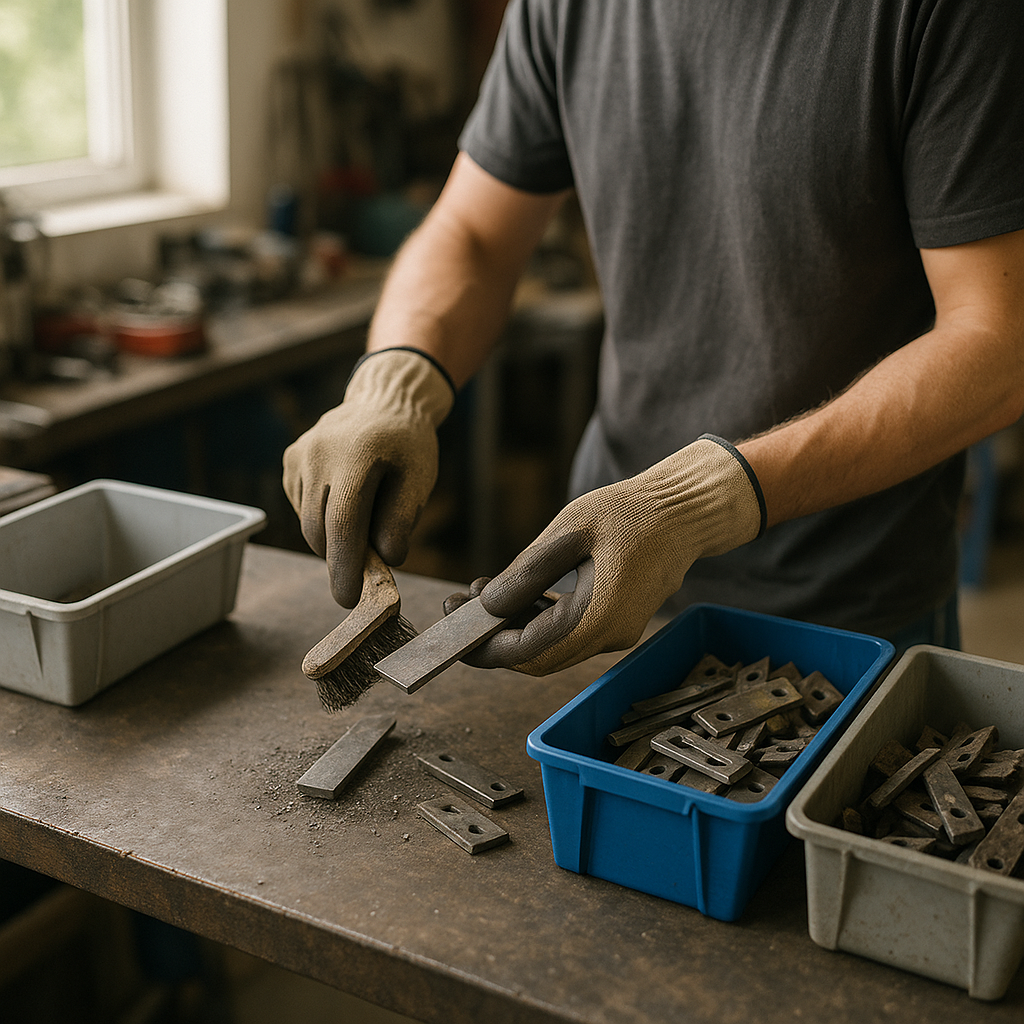
Proper preparation transforms raw scrap into recyclable material that processing facilities can handle safely and efficiently. The steps you take before delivery directly impact processing speed and material recovery rates.
Fluid drainage and hazard removal
Drain all fluids from mechanical items before transport. Engines, lawn mowers, and automotive parts often contain oil, coolant, or fuel that can contaminate other materials during processing. Equipment with hydraulic systems requires complete fluid removal to prevent environmental hazards. Items like lawnmowers need thorough preparation beyond fluid drainage; remove the spark plug, air filter, and any plastic housing components. The metal deck and engine block can then move through standard processing without creating safety issues for sorting equipment.
Disassembly and separation
Disassemble items into their core components whenever possible. Multi-material assemblies slow down processing lines and reduce the purity of recovered metals. Automotive parts benefit from separating steel frames from aluminum components. Focus on removing obvious non-metal elements first. Remove non-metal parts such as plastic covers, rubber gaskets, glass panels, and canvas materials. These interfere with magnetic separation systems and can damage shredding equipment if left attached.
Size reduction and documentation
Cut oversized pieces to manageable dimensions when practical. Large structural steel or bulky appliances move more efficiently through processing when reduced to standard sizes (typically under 3 to 5 feet), allowing for better sorting of different metal grades. For regulated items like junk cars, provide proof of ownership through title documentation or registration papers. Most facilities cannot accept vehicles without proper ownership verification due to anti-theft regulatory requirements.
Navigating Hazardous Materials and Environmental Compliance
In 2026, environmental regulations regarding scrap metal have tightened significantly. Disposing of certain items improperly can lead to heavy fines and rejected loads at the scale. Understanding what not to bring is just as important as knowing what to recycle.
Radioactive and explosive materials
Modern scrap yards are equipped with sensitive radiation detection portals. Items that often trigger these alarms include certain medical devices, old smoke detectors, and piping from industrial sites that may have naturally occurring radioactive material (NORM). Additionally, sealed units such as propane tanks, oxygen cylinders, and shock absorbers pose an explosion risk in shredders. Most facilities require these items to be cut in half or have their valves removed to verify they are depressurized before acceptance.
Refrigerants and capacitors
Appliances containing refrigerants (CFCs/HCFCs), such as refrigerators, freezers, and air conditioners, are subject to strict EPA venting regulations. You cannot simply cut the lines to drain the freon; this is a federal offense. These units must be recovered by a certified technician. Similarly, older appliances and industrial motors may contain capacitors with Polychlorinated Biphenyls (PCBs), a toxic chemical banned decades ago but still present in legacy waste. Professional recyclers have specific protocols for identifying and isolating these hazardous components to prevent soil and groundwater contamination.
What Are My Options for Scrap Metal Collection and Transport?
Self-transport to local recycling facilities
Transporting scrap metal yourself involves loading materials into your vehicle and delivering them directly to a local recycler or collection site. This approach is suitable for businesses and municipalities with appropriate vehicles and labor capacity. Steel fabrication shops, manufacturing facilities, and construction companies often choose this method when they generate consistent volumes of clean, sorted materials.
The self-transport option requires careful consideration of costs beyond fuel expenses. Vehicle wear and tear, potential truck rental fees, and the value of your time must be weighed against scrap yard payment rates. For small quantities of low-value metals like mixed steel, transportation costs may actually exceed the material’s value.
Professional pickup and haul-away services
Pickup services eliminate the need for personal transportation and physical labor by sending professional crews directly to your location. These teams arrive with specialized equipment to handle heavy lifting, loading, and transportation logistics. This approach is particularly valuable for bulky items like appliances, structural steel, or mixed metals that would require multiple trips in standard vehicles.
Most professional pickup services charge fees that cover transportation, labor, and operational costs rather than offering payment for materials. However, the convenience often justifies these costs, especially when dealing with heavy or hazardous items. Some services note that high-value materials like copper or aluminum might reduce overall service fees, though this rarely results in net payment to customers.
What Are the Safety Hazards Associated with Handling Scrap Metal?
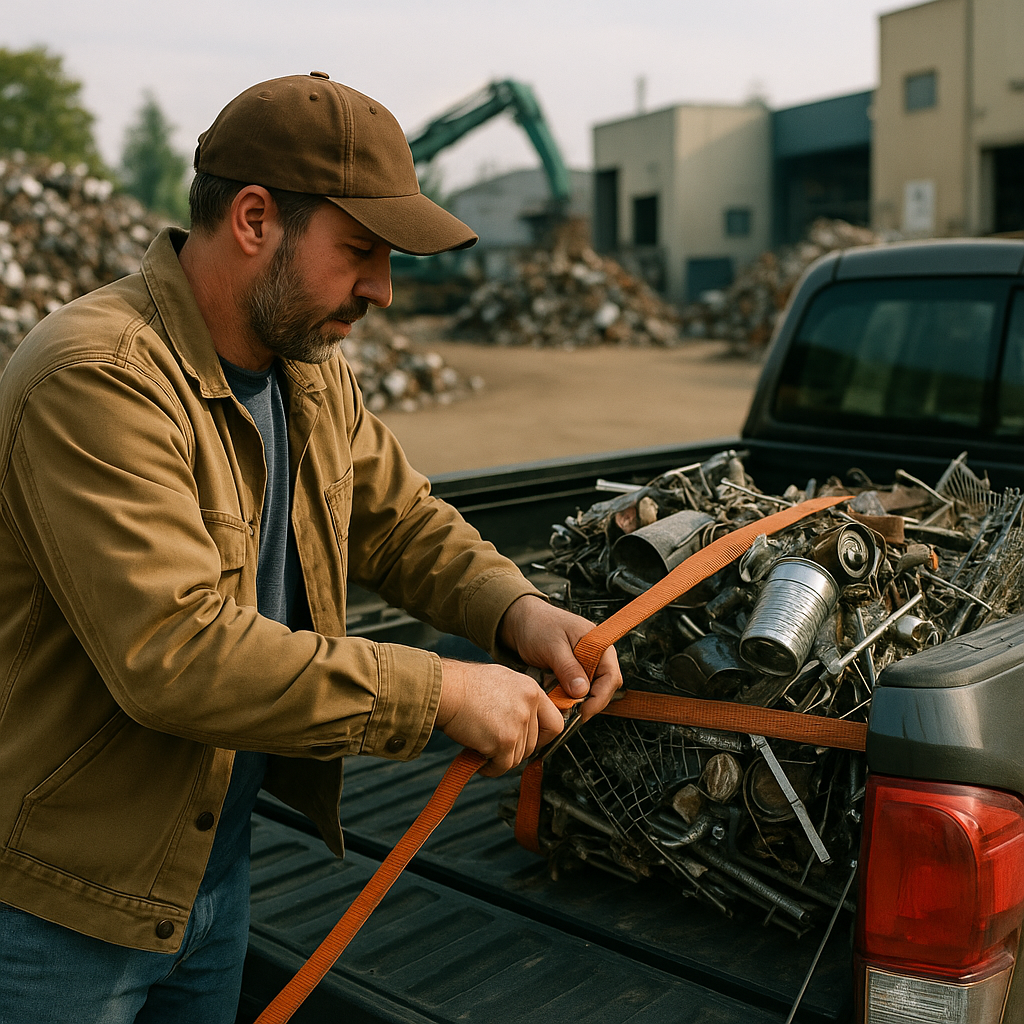
Scrap metal handling presents serious safety risks that require comprehensive hazard management. OSHA guidelines identify multiple categories of workplace hazards in metal recycling operations. Understanding these risks helps implement effective safety protocols to protect workers and maintain operational efficiency.
Physical hazards and heavy machinery
Heavy equipment creates significant physical dangers in scrap metal operations. Cranes, front-end loaders, and forklifts pose crushing and struck-by hazards when workers operate near moving machinery. Equipment malfunctions, brake failures, and improper operation contribute to serious accidents. Processing equipment like balers and shears present additional mechanical hazards. Workers face amputation risks from exposed moving parts and cutting mechanisms. Flying metal fragments during shredding operations can cause severe injuries to eyes and exposed skin areas.
Sharp edges and chemical exposure
Sharp edges on scrap materials create constant laceration and puncture risks. Metal remnants with jagged surfaces can cause deep cuts during manual handling. Workers sorting materials by hand face the highest exposure to these cutting hazards throughout daily operations. Chemical exposure represents another major safety concern. Torch cutting operations produce hazardous fumes containing lead, cadmium, and arsenic that can cause serious respiratory illness. Metal dust generated during processing creates airborne particles that pose inhalation risks without proper ventilation systems.
Personal Protective Equipment (PPE)
Personal protective equipment serves as the critical last line of defense against these workplace hazards. Workers must use cut-resistant gloves, steel-toed boots, hard hats, and safety glasses during all scrap handling activities. Respiratory protection becomes essential when working with materials that generate dust or fumes. Proper PPE selection depends on the specific hazards present in each work area; high-visibility clothing ensures worker visibility around heavy equipment operations.
Conclusion: Responsibly Recycling Your Scrap Metal
Disposing of old scrap metal doesn’t have to be complicated. By identifying your metal type, preparing it correctly, and choosing between self-transport or a convenient pickup service, you can clear out clutter responsibly. Recycling scrap metal delivers significant environmental benefits by keeping valuable materials out of landfills while reducing the need for energy-intensive mining operations. This sustainable disposal approach also offers financial returns, transforming what might seem like waste into a revenue opportunity.
Whether working with copper wiring, aluminum siding, or steel appliances, recycling centers provide accessible solutions for responsible scrap metal disposal. For businesses and municipalities seeking efficient pickup services and professional handling of their recycling needs, contact Okon Recycling at 214-717-4083.
Send Us a Message
Questions about what we do? Interested in commercial services? Let us know below and a member of our team will get back to you.