5901 Botham Jean Blvd, Dallas, TX 75215
Where Can You Find Scrap Metal Drop Off Locations Near DFW Airport?
December 10, 2025Scrap metal recycling near DFW Airport combines environmental protection with financial benefits. Dallas-Fort Worth area residents and businesses can convert unwanted metal into cash while preventing tons of valuable materials from reaching local landfills. This dual advantage makes scrap metal recycling a highly practical sustainability practice today.
The Dallas-Fort Worth metroplex hosts numerous recycling facilities specializing in both ferrous and nonferrous metals. These centers serve everyone, from homeowners clearing out garages to construction companies managing large-scale demolition projects. Professional recycling facilities in the area provide competitive market prices while maintaining strict environmental standards, protecting local air and groundwater quality.
Choosing the right scrap metal drop-off location involves understanding your specific needs and the services each facility offers.
What Types of Scrap Metal Can You Recycle in the DFW Area?

Recycling centers in the DFW area accept a wide range of scrap metals, categorized primarily by their iron content. Understanding these classifications helps in sorting materials effectively to maximize their recyclable value.
The distinction between ferrous and non-ferrous metals affects both acceptance policies and pricing structures at local facilities. Most recycling centers use magnetic testing as the primary method for identifying materials.
Ferrous Metals: Iron-Containing Materials
Ferrous metals contain iron and exhibit magnetic properties, making them easily identifiable with a magnet test. These materials are fundamental to many construction and manufacturing applications across the DFW region.
Cast iron is one of the most commonly recycled ferrous materials. Old radiators, engine blocks, and cookware often contain this durable alloy. Recycling centers typically accept cast iron in various forms, from small household items to large industrial components.
Steel scrap comes in multiple grades and forms. Low-carbon steel is found in automotive parts, appliances, and construction materials. Tool steel, valued for its hardness and durability, originates from worn industrial equipment and cutting implements.
Prepared steel includes materials that have been processed or cleaned for easier handling. Sheet iron, structural steel, and rebar are categories that most facilities accept readily. Mixed steel combines various grades and often receives different pricing than segregated materials.
Non-Ferrous Metals: Premium Recyclable Materials
Non-ferrous metals lack iron content and typically command higher prices due to their specialized properties and applications. These materials resist corrosion and offer superior conductivity compared to ferrous alternatives.
Aluminum recycling includes numerous forms, from beverage cans to architectural materials. Aluminum siding, window frames, and wheels represent high-value items. Insulated aluminum wire and radiators are also readily accepted at local facilities.
Copper recycling involves some of the most valuable scrap materials available. Copper tubing from plumbing systems, electrical wire, and HVAC components generate substantial returns. Insulated copper wire requires additional processing but maintains strong market demand.
Brass appears in multiple alloy compositions. Red brass, yellow brass, and specialty grades like meter brass each have distinct values. Auto radiators, plumbing fixtures, and musical instruments commonly contain recyclable brass components.
Stainless steel combines iron with chromium and other elements, creating a corrosion-resistant alloy. Kitchen appliances, medical equipment, and industrial machinery often yield substantial quantities of this premium material.
Specialty and High-Value Materials
Precious metals like silver and gold are found in electronic components and specialized equipment. While quantities are small, their exceptional value makes careful recovery worthwhile for recycling operations.
Lead recycling focuses primarily on automotive batteries and industrial applications. Car batteries are the most common source of recyclable lead in the DFW area. Proper handling ensures environmental safety during processing.
Additional materials accepted include domestic appliances, electric motors, and various electronic components. Radiators, alternators, and starters contain multiple metal types, requiring separation during processing.
Material preparation requirements vary by facility and metal type. Clean, separated materials typically command premium prices compared to mixed or contaminated scrap. Understanding these distinctions helps maximize returns while supporting efficient recycling operations.
What Services Do DFW Scrap Metal Recyclers Offer?
DFW scrap metal recyclers provide comprehensive solutions that extend beyond basic drop-off services. The region’s recycling facilities have developed specialized offerings to meet the diverse needs of commercial operations, construction projects, and individual recyclers.
Commercial and Industrial Services
Large-scale operations require dedicated support that can handle substantial volumes efficiently. Commercial services typically include scheduled pick-up options working around business operations to minimize disruption. These services often offer flexible scheduling to accommodate varying production cycles and waste generation patterns.
Roll-off dumpsters are a cornerstone service for businesses generating consistent scrap metal volumes. Facilities provide container options from 20-yard to 60-yard capacities, allowing companies to select sizes based on specific requirements. Containers remain on-site for predetermined periods, enabling continuous collection without frequent coordination.
Construction and Demolition Project Support
Construction sites and demolition projects generate substantial scrap metal quantities that require specialized handling. Many recycling facilities offer dedicated roll-off dumpsters designed for construction environments, featuring reinforced designs to handle heavy metal debris safely.
On-site grading services offer particular value for large construction projects where metal quality and composition vary significantly. Experienced technicians visit project sites to evaluate and categorize scrap materials, ensuring accurate pricing and eliminating valuation guesswork. This service is especially beneficial for contractors managing multiple metal types.
Public Buy-Back Centers
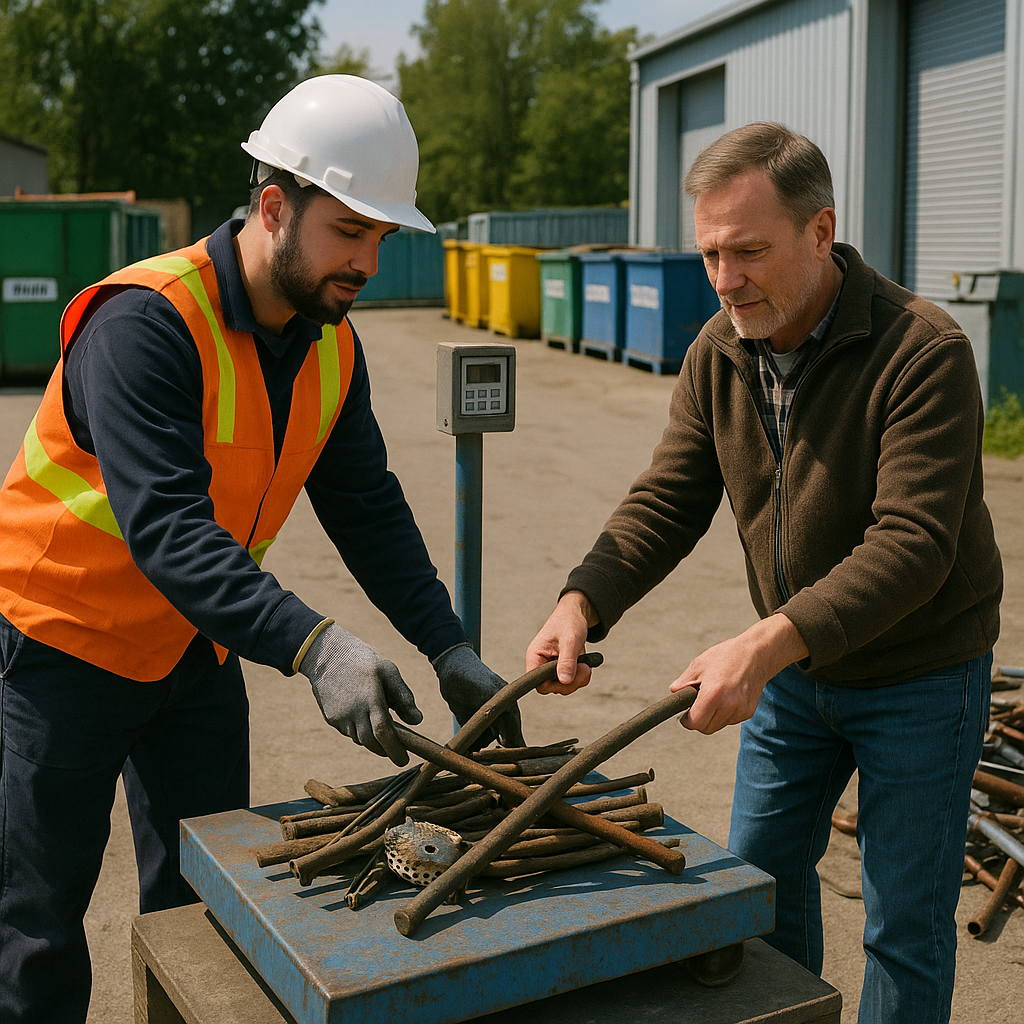
Individual recyclers and small businesses benefit from public buy-back centers throughout the DFW area. These facilities typically maintain extended operating hours, with some locations open seven days a week to accommodate various schedules. Public recycling centers feature drive-up weighing stations and efficient unloading processes designed to minimize wait times.
Multiple certified scales at these locations ensure accurate weight measurements for all load sizes, from individual items to full trailer loads. The facilities employ trained staff to assist with material identification and sorting to maximize value recovery for customers.
Specialized Processing and Support Services
Industrial clean-up services address the complex needs of manufacturing facilities, demolition sites, and large-scale renovation projects. These services involve comprehensive site assessments, equipment removal, and systematic processing of accumulated scrap materials. Teams work closely with project managers to develop customized approaches aligning with project timelines and safety requirements.
Certified scales are critical for handling large loads accurately and transparently. Facilities maintain properly calibrated weighing equipment capable of handling everything from small pickup trucks to full semi-trailers, ensuring precise measurements that form the basis for fair pricing structures.
Which Recycling Centers Are Located in the Dallas Area?
The Dallas-Fort Worth metroplex hosts several well-established recycling facilities serving both residential and commercial customers. These centers process various materials including ferrous and non-ferrous metals, paper products, and other recyclables.
In the Dallas area, several recycling options are located along key corridors. Okon Recycling, at 5901 Botham Jean Blvd, provides comprehensive services including public buyback, commercial scrap processing, and specialized services like magnet recycling and parts harvesting. This facility operates from a 20-acre modernized complex and offers mobile recycling equipment for large-scale projects.
The facility typically operate during standard business hours, with most locations open Monday through Friday and reduced Saturday hours. Many centers offer both drop-off services for smaller quantities and scheduled pickup services for commercial accounts with larger volumes.
What Should You Know Before Visiting a Scrap Yard?
Visiting a scrap yard for the first time can be daunting without proper preparation. Understanding the basic procedures and requirements helps ensure your visit runs smoothly. Most facilities follow similar protocols, though specifics may vary between different recycling centers.
Preparation is key to maximizing both your time and potential returns. Knowing what to expect eliminates surprises and helps you present your materials for maximum profit.
Documentation and Identification Requirements
You will need to present a valid government-issued photo ID when selling scrap metal. This requirement stems from state regulations designed to prevent metal theft and maintain transaction records. Most facilities accept driver’s licenses, state ID cards, or passports.
Some scrap yards may also require proof of address or vehicle information. These requirements help facilities comply with laws mandating detailed record-keeping for all scrap metal transactions. Bringing additional documentation can expedite check-in.
Be prepared to sign paperwork confirming ownership of materials. This step protects both the facility and you by creating a clear legal record of the transaction.
Arrival Procedures Based on Load Size
Facilities handle customer arrivals differently depending on load size and type. Smaller vehicles typically use a public unloading area for manual removal of materials from your car or pickup. These areas are designed for easy access with designated spots for different metals.
Larger trucks and commercial vehicles use commercial scales for weighing. You drive onto a scale, where your loaded vehicle is weighed first. After unloading, you return to the scale for a second weighing to determine the net weight of your scrap.
Understanding these procedures helps you choose the right entrance and follow proper traffic flow. Most facilities have clear signage directing vehicles to appropriate areas.
The Importance of Calling Ahead
Contacting the facility before your visit provides valuable information to improve your experience. Current scrap metal prices change daily based on market conditions, and calling ahead ensures accurate pricing expectations. This prevents disappointment if prices have dropped since your last visit.
Confirming hours of operation is equally important as many facilities have specific schedules for accepting materials. Some yards may have reduced hours on weekends or special procedures for certain metals that require advance notice.
Calling ahead also allows you to ask about specific preparation requirements. Some items may need cleaning, sorting, or special handling that you can complete before arriving.
What to Expect During the Visit
The typical visit follows a structured process designed for efficiency and safety. After presenting your identification and completing paperwork, facility staff will guide you through their specific procedures. Most yards have designated areas for different materials to prevent mixing and contamination.
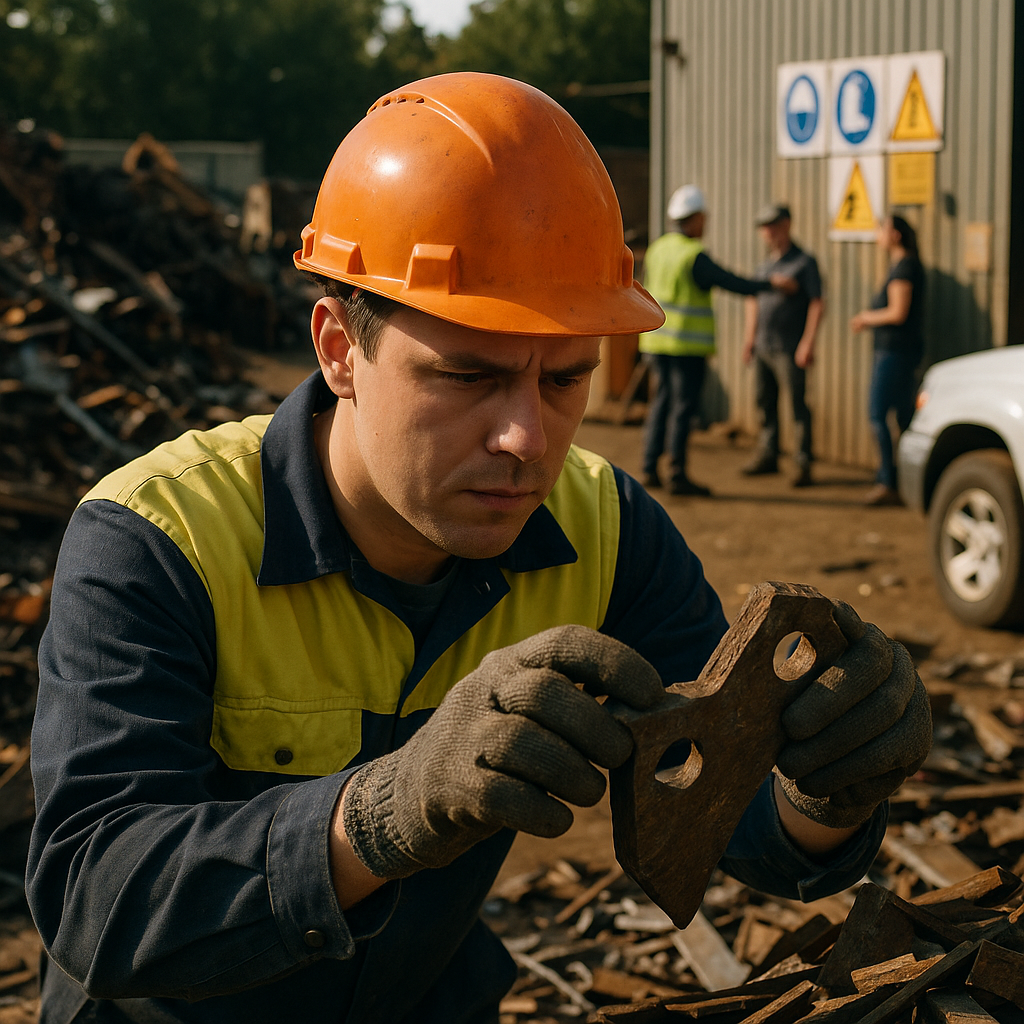
Staff members will inspect your materials to determine grade and quality. Clean, well-sorted metals typically receive higher prices than mixed or contaminated materials. Certified scales ensure weighing accuracy, and you should feel free to observe this step.
Payment processing occurs after weighing and grading. Many facilities offer multiple payment options, including cash, checks, or electronic transfers, depending on state regulations and facility policies.
Safety and Operational Considerations
Most facilities require basic safety equipment on-site. Closed-toe shoes are typically mandatory, and some yards recommend safety glasses or gloves when handling certain materials. Following posted safety guidelines protects you and other customers during unloading.
Traffic flow within scrap yards follows specific patterns to prevent accidents. Drive slowly and watch for pedestrians, forklifts, and other vehicles. Many facilities have one-way traffic systems guiding you from entrance through weighing, unloading, and exit areas.
Be prepared for the industrial environment. Scrap yards are busy facilities with heavy machinery, loud noises, and active processing operations. Staying alert and following staff instructions ensures everyone’s safety.
Conclusion: Get Started with Scrap Metal Recycling in DFW
Recycling scrap metal in the DFW area combines environmental responsibility with financial opportunity. The region’s recycling infrastructure makes it easy for both individuals and businesses to engage in sustainable practices while generating revenue. From aluminum cans that save 95% of production energy to copper wiring and industrial steel, every piece of recycled metal contributes to resource conservation and supports the thriving local economy.
Ready to turn your scrap metal into profit while supporting sustainable practices in your community? Contact Okon Recycling at 214-717-4083 for expert guidance on maximizing your recycling efforts.
Send Us a Message
Questions about what we do? Interested in commercial services? Let us know below and a member of our team will get back to you.