5901 Botham Jean Blvd, Dallas, TX 75215
Factory Metal Disposal in Irving: Industrial Recycling Services
January 21, 2026Industrial facilities in Irving, Texas, generate thousands of tons of metal waste annually, presenting both environmental challenges and economic opportunities for manufacturers seeking responsible disposal solutions. The Dallas-Fort Worth metroplex has developed a robust network of specialized services to manage these industrial waste streams, ensuring that raw materials are returned to the production cycle rather than being lost to landfills.
Factory metal disposal in Irving includes comprehensive waste management solutions tailored for commercial and industrial operations. Local providers offer specialized scrap metal recycling, industrial materials management, and regulatory compliance services. These programs handle everything from high-volume ferrous and non-ferrous metals to specialized alloys requiring specific processing protocols.
What Specific Disposal and Recycling Services Can Factories Use?
Manufacturing facilities generate diverse waste streams that require specialized handling. Industrial operations produce a range of waste, from metal turnings and obsolete machinery to byproduct chemicals, each needing compliant disposal methods to protect the local Texas ecosystem.
Core services available to North Texas factories include:
- Scrap metal recycling for ferrous and non-ferrous materials
- Industrial materials management for complex waste streams
- Specialized alloy recovery for high-value manufacturing byproducts
- Facility cleanout services for decommissioning and upgrades
- Mixed waste scrap metal processing for contaminated materials
- Container and logistics support for on-site waste collection
- Certified destruction for proprietary or sensitive industrial equipment
Professional recycling centers in the region operate fully permitted treatment and storage facilities. These facilities are designed to handle ignitable liquids, used solvents, and toxic metals from industrial sources, ensuring that every byproduct is processed according to the highest environmental standards. By utilizing vacuum truck services and specialized transport, Irving manufacturers can manage liquid waste and sludge alongside their solid scrap streams.
Specialized industrial waste categories
Factories generate materials that fall into specific regulatory categories. Professional management providers process ignitable liquids, contaminated sludges, and reactive materials that require careful handling protocols. We work with facilities that produce cleaning chemicals and waste containing hazardous metals, providing the proper classification and documentation needed before transport to permitted treatment facilities.
Compliance support and operational safety
Regulatory compliance remains a top priority for Irving manufacturing operations. Modern service providers employ experts who assist facilities in navigating state environmental regulations and federal requirements. This expertise ensures proper waste characterization—a vital step in avoiding the hefty fines associated with improper disposal. This support extends to worker safety, ensuring that staff are trained in the handling of sharp metals and potentially hazardous industrial byproducts.
What Types of Industrial and Metal Waste Are Handled?
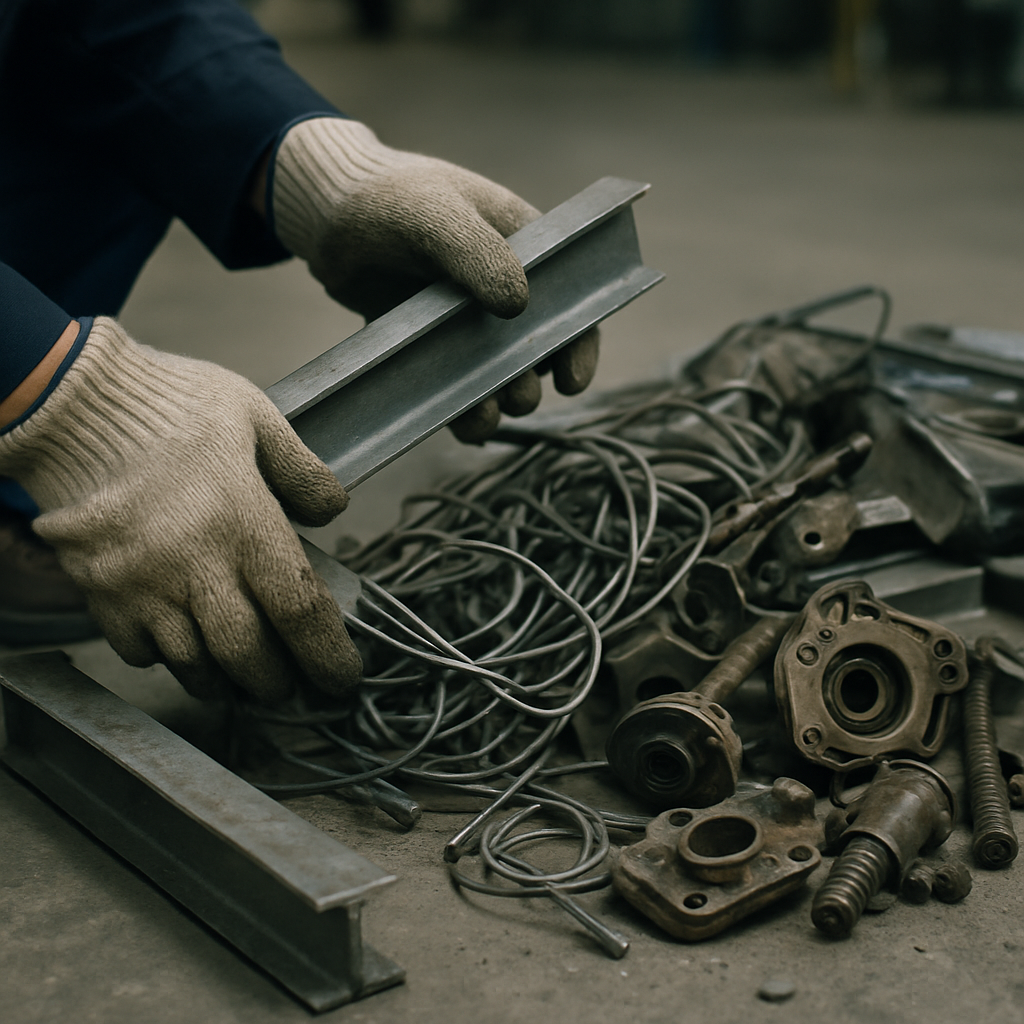
Industrial facilities generate diverse waste streams requiring specialized handling and processing expertise. We manage both regulated materials and non-hazardous industrial byproducts from manufacturing, processing, and production operations throughout North Texas. This includes materials classified under state-regulated substances that need proper treatment protocols to ensure soil and water safety in the Irving area.
Hazardous and regulated waste categories
Toxic metals constitute a significant portion of industrial waste needing careful management. These materials include heavy metals from plating operations, contaminated equipment, and manufacturing residues. Sludges from industrial processes often have concentrated constituents requiring specialized treatment before they can be safely recycled or disposed of.
Used solvents from degreasing operations fall under strict regulatory oversight, as do corrosive liquids like acids and caustics from chemical processing. These require neutralization and proper containment during transport. Ignitable materials such as flammable solids also demand specialized handling to prevent safety incidents on the factory floor or during transit.
Non-hazardous industrial materials
Non-hazardous waste streams include scrap metals, packaging materials, and general manufacturing debris. Metal recycling operations handle ferrous and non-ferrous materials from equipment upgrades, facility demolitions, and production waste. These materials often retain significant value through proper sorting and processing. For example, clean aluminum extrusions and copper wiring are highly sought after for their high recovery value.
Industrial cleaning solutions and lab materials require assessment to determine appropriate disposal pathways. While some non-hazardous materials can be processed for beneficial reuse, others need careful landfill disposal following strict environmental compliance standards. By diverting these materials from the general waste stream, Irving factories can significantly reduce their environmental footprint.
Strategic Recovery: Maximizing the Value of Factory Metal
For Irving manufacturers, scrap metal should not be viewed as trash, but as a secondary raw material with tangible market value. Implementing a strategic recovery plan can transform a disposal cost into a revenue-generating department within the factory.
Implementing source separation
The most effective way to increase the value of industrial scrap is through “source separation.” This involves placing dedicated, color-coded bins at the point of generation—such as at the end of a CNC milling line or a stamping press. By keeping high-value non-ferrous metals like brass and stainless steel separate from standard iron and steel, factories avoid “downgrading” their loads, which occurs when a recycler must pay a lower price for mixed materials.
On-site processing and de-manufacturing
Many factories can further increase their scrap value by performing basic on-site processing. Removing plastic casings from copper wiring or separating aluminum heat sinks from steel housings can move materials from a “dirty” grade to a “clean” grade, which often commands a 30 percent to 50 percent price premium. Professional recycling partners can provide on-site training for floor staff to help them identify and sort these materials more efficiently, ensuring that the company captures the maximum possible value from its waste stream.
Navigating 2026 Regulatory Trends in Industrial Recycling
As we move through 2026, the regulatory landscape for industrial waste in Texas is becoming more digitized and stringent. Irving factories must adapt to these changes to ensure they maintain their “license to operate” and avoid legal complications.
The sunset of paper hazardous waste manifests
The Environmental Protection Agency (EPA) and the Texas Commission on Environmental Quality (TCEQ) have finalized the phase-out of paper hazardous waste manifests in favor of the e-Manifest system. Irving factories must now ensure their waste management partners are fully integrated into this digital platform. This shift allows for real-time tracking of waste from “cradle to grave,” providing manufacturers with an ironclad audit trail for their sustainability reports and regulatory filings.
New classifications for solar and battery waste
With the rise of renewable energy infrastructure in North Texas, solar panels and lithium batteries are now being formally added to “universal waste” regulations. This provides a more straightforward, streamlined method for factories to recycle these items. However, it also requires that facilities maintain specific storage and labeling standards to prevent fire hazards and chemical leaks. Partnering with a recycler who specializes in these emerging waste streams is essential for Irving facilities undergoing energy retrofits.
Why Is Professional Industrial Waste Management Critical for Factories?
Regulatory compliance protects your operations
Manufacturing facilities navigate a complex network of environmental regulations that go beyond federal standards. Texas state agencies often enforce strict guidelines, adding compliance burdens for facility managers. Professional waste management services stay ahead of these evolving rules to ensure your disposal practices meet all applicable standards. Violating these regulations can lead to substantial financial penalties, severely impacting your bottom line.
Environmental standards drive operational excellence
Professional waste management companies prioritize environmental sustainability through advanced treatment technologies and resource recovery. They divert materials from landfills by implementing recycling and material separation processes. Resource recovery initiatives transform waste streams into valuable secondary materials that support circular economy principles, helping your brand meet its corporate social responsibility goals.
Operational efficiency maximizes business performance
Outsourcing waste management allows your workforce to focus on core manufacturing activities instead of administrative waste tracking. Professional services manage scheduling, logistics, and compliance documentation. This operational efficiency translates into improved productivity and cost savings across your facility. Experts optimize collection schedules and container sizing to match your actual generation patterns, preventing overflow and eliminating unnecessary collection costs.
Risk management protects your business assets
Improper waste handling exposes manufacturing facilities to liability risks, including environmental contamination claims and worker safety incidents. Professional waste management companies carry specialized insurance and have trained personnel who understand hazardous material protocols. Emergency response capabilities ensure rapid containment of accidental spills, preventing extensive cleanup costs and business interruption.
Conclusion: Choosing a Compliant Partner for Metal Disposal
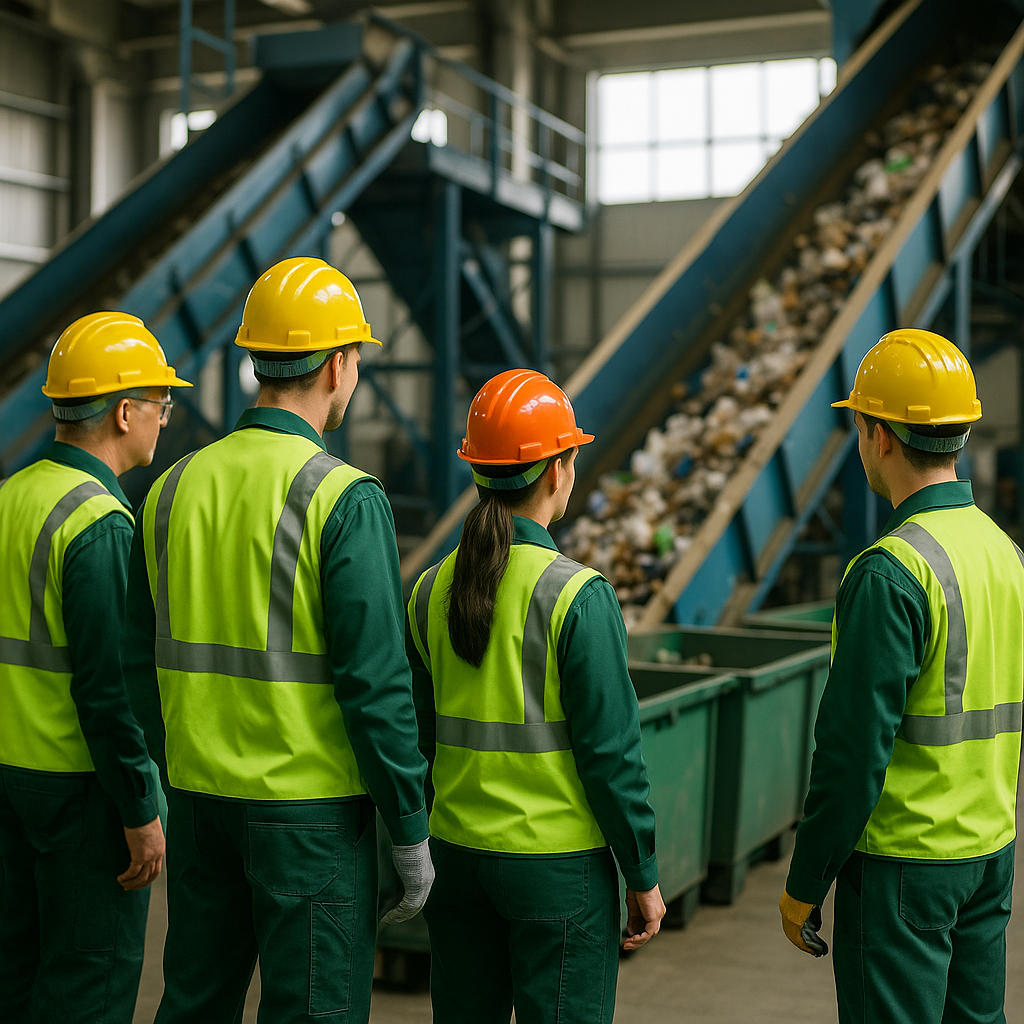
Selecting the right metal recycling partner is a strategic decision impacting both compliance and sustainability. Irving factories need partners who are experts in Texas waste regulations, uphold strict safety standards, and prioritize environmental responsibility. The best industrial waste solutions come from providers familiar with complex requirements, offering transparent documentation and adaptable services to meet specific operational needs.
Expert partners bring the technical knowledge necessary for managing diverse metal waste streams safely and efficiently. By choosing compliant disposal services, businesses gain access to advanced treatment methods, proper digital documentation systems, and ongoing regulatory support, protecting operations from compliance risks.
For complete metal disposal and industrial waste management solutions, contact Okon Recycling at 214-717-4083 to discuss your facility’s waste management needs.
Send Us a Message
Questions about what we do? Interested in commercial services? Let us know below and a member of our team will get back to you.