5901 Botham Jean Blvd, Dallas, TX 75215

The Comprehensive Guide to Aluminum Applications Across Industries
January 27, 2026Aluminum has transformed modern manufacturing and construction since its commercial production began in the late 19th century. In 2026, it stands at the absolute center of the global transition toward sustainable energy and lightweight industrial design.
Today, this versatile metal ranks as the second most widely used metal globally, surpassed only by steel. Its unique combination of properties makes aluminum indispensable across diverse industries. From the electric vehicles we drive to the buildings where we work, from the smartphones in our pockets to the power lines overhead, aluminum shapes our daily lives in countless ways. As industrial operations in Texas and across the United States pivot toward carbon neutrality, the role of this metal has moved from a commodity to a strategic asset.
This guide explores the applications of aluminum across transportation, construction, consumer goods, and the rapidly growing renewable energy sector, demonstrating why this metal continues to drive innovation and sustainability in 2026.
How Is Aluminum Used in Transportation and Automotive Industries?
Aluminum is a leader in transportation applications due to its outstanding strength-to-weight ratio. This metal offers the structural integrity of steel while weighing about one-third as much, directly improving fuel efficiency and battery range across all modes of transportation. In the current automotive landscape, “lightweighting” is no longer a luxury—it is a regulatory and performance necessity.
Automotive and ground transportation
In the automotive sector, aluminum is a key material, consuming over 25 percent of global aluminum production. Vehicle manufacturers incorporate aluminum alloys in body panels, engine components, chassis systems, and suspension parts. A typical medium-sized vehicle can achieve up to 300 kilograms in weight reduction by extensively using aluminum. With the surge in electric vehicle (EV) adoption in 2026, aluminum is increasingly used for battery enclosures and thermal management systems, as it provides a protective, non-combustible housing that effectively dissipates heat.
High-speed rail systems significantly benefit from aluminum construction. The lightweight carriages allow for faster acceleration and reduced energy consumption per passenger mile. Rail operators report significant cost savings when using aluminum instead of traditional steel in train bodies and structural components, contributing to the viability of modern transit solutions.
Marine applications
Shipbuilders are increasingly choosing aluminum alloys for hull construction, especially in passenger ferries and high-speed vessels. The corrosion resistance of aluminum is excellent in saltwater environments. Marine vehicles with aluminum hulls demonstrate improved fuel efficiency and reduced maintenance needs compared to steel alternatives, as the natural oxide layer of the metal resists the harsh effects of oxidation.
Aerospace industry applications
In aerospace, aluminum earns the name “winged metal” due to its critical role. Modern spacecraft contain between 50 percent and 90 percent aluminum alloys in their construction. Commercial aircraft rely on aluminum for fuselages, wings, and engine components, where weight reduction directly impacts operational costs. Different alloy series serve specific purposes: the 2000-series offers high tensile strength for airframes, while the 6000-series provides the corrosion resistance needed for structural integrity in diverse climates.
Quantifiable fuel efficiency benefits
Reducing transportation weight offers substantial environmental and economic benefits. A 100-kilogram reduction in vehicle weight can reduce fuel consumption by 0.3 to 0.6 liters per 100 kilometers, leading to roughly 20 percent lower exhaust emissions. The International Aluminium Institute estimates that the aluminum currently used in transport saves over 100 billion liters of crude oil annually.
Why Is Aluminum a Preferred Material in Construction and Architecture?

Aluminum’s superior corrosion resistance makes it an ideal choice for high-stakes construction projects. When exposed to air, the metal develops a protective aluminum oxide coating that prevents further deterioration. This natural barrier effectively shields the metal from moisture and environmental factors that would cause other materials to rust or decay over time.
Structural advantages and foundation costs
The lightweight nature of aluminum provides significant advantages in high-rise construction. Weighing approximately one-third the weight of steel, aluminum reduces the overall structural load on building foundations. This weight reduction allows architects to design taller, more ambitious structures while minimizing foundation complexity and costs. Furthermore, the material’s light weight reduces transportation and handling expenses at the job site.
Aesthetic versatility and maintenance
Aluminum’s versatility in building materials extends across multiple applications. Window frames benefit from slim profile capabilities, allowing for larger glass panes and maximized natural light. Roofing systems utilize aluminum’s reflective properties to improve energy efficiency by reflecting up to 95 percent of solar heat, significantly reducing cooling costs for building occupants in warmer climates like Texas. Maintenance requirements remain minimal, as the protective oxide layer eliminates the need for regular painting or protective coatings typical of other metals.
What Are the Common Uses of Aluminum in Consumer Goods?
Electronics and consumer technology
Aluminum is prevalent in the electronics industry due to its unique thermal properties. Smartphones, tablets, and laptops rely on aluminum housings for structural integrity while minimizing weight. The metal’s excellent thermal conductivity is crucial in preventing electronic components from overheating, which is especially important for the high-performance processors used in modern computing.
Popular high-end devices highlight aluminum’s aesthetic appeal and functional benefits. The material provides the premium feel expected in modern consumer tech while enabling efficient heat transfer away from internal batteries. Television manufacturing also uses aluminum for structural frames, allowing for larger screens without compromising the stability of the unit.
Kitchen and household items
Aluminum foil is a recognizable application in consumer goods, indispensable for food storage and cooking. Its barrier properties protect food from light, oxygen, and moisture. Cookware is another significant application where aluminum’s thermal properties excel. Aluminum pots and pans distribute heat evenly, preventing hot spots and reducing cooking times. The metal’s resistance to corrosion ensures long-lasting performance in the kitchen.
Beverage cans showcase aluminum’s packaging capabilities. The material forms tight seals to preserve carbonation and flavor while protecting against contamination. Aluminum cans are lighter than glass and stack efficiently for transport, making them the most recycled consumer package in the world.
How Does Aluminum Power Renewable Energy Infrastructure in 2026?
As we navigate the industrial landscape of 2026, aluminum has emerged as a “linchpin” material for the green energy transition. It is nearly impossible to develop modern renewable energy systems without the unique properties of this metal.
Solar photovoltaic (PV) systems
Aluminum accounts for over 85 percent of most solar PV components today. It is the primary material for solar panel frames and racking systems due to its lightweight nature and extreme durability. Solar farms require materials that can withstand 25 to 30 years of exposure to the elements without degrading. Aluminum’s natural resistance to rust and its high strength-to-weight ratio make it the only economically viable choice for large-scale solar arrays. Furthermore, the high reflectivity of aluminum is often utilized in concentrated solar power systems to direct sunlight more effectively.
Wind energy and hydrogen production
In the wind energy sector, aluminum is used in nacelles, internal platforms, and cooling systems. As turbine blades become larger to capture more energy, reducing the weight of the supporting components is essential. Additionally, aluminum is a critical component in the development of electrolyzers for renewable hydrogen production. The metal’s conductivity and resistance to chemical corrosion are vital for the efficient separation of hydrogen from water, a technology that is scaling rapidly across North American industrial hubs in 2026.
Advanced Recycling Technologies: The Path to “Green Aluminum”
The industrial recycling sector has undergone a technological revolution to meet the demand for “Green Aluminum”—material produced with a significantly lower carbon footprint than traditional primary metal. In 2026, advanced facilities are utilizing science-driven methods to ensure that 100 percent of aluminum scrap is returned to the high-value supply chain.
AI-driven sorting and LIBS technology
Modern recycling centers are now deploying Laser-Induced Breakdown Spectroscopy (LIBS) to identify the exact chemical composition of aluminum alloys in real-time. This technology uses a high-energy laser pulse to detect all elements within a piece of scrap, allowing facilities to sort 6000-series alloys from 7000-series with near-perfect accuracy. This high-purity sorting ensures that aerospace-grade scrap can be turned directly back into aerospace-grade billet, rather than being “down-cycled” into lower-grade casting alloys.
Energy efficiency and emissions reduction
The environmental case for aluminum recycling is unmatched. Secondary production consumes only 5 percent of the energy required for primary smelting. In 2026, new regulations on carbon reporting mean that manufacturers are increasingly prioritizing recycled aluminum to meet their Environmental, Social, and Governance (ESG) targets. By choosing a professional recycling partner that utilizes these advanced sorting techniques, businesses can document their contribution to the circular economy and reduce their Scope 3 emissions significantly.
How Does Aluminum Function in Electrical and Industrial Settings?
Aluminum offers 61 percent of copper’s electrical conductivity while weighing only 30 percent as much. This conductivity-to-weight ratio provides significant advantages in specific electrical applications, particularly when designing large-scale electrical infrastructure for the modern grid.
Power transmission and smart grids
Electrical utilities favor aluminum for overhead transmission lines due to substantial weight savings. A bare aluminum wire weighs half as much as a copper wire with the same electrical resistance, allowing for lighter support structures and reduced installation costs. As Texas and other states upgrade to “smart grids” in 2026, aluminum remains the preferred choice for long-distance power transmission projects because it minimizes the stress on the overall infrastructure.
Industrial equipment and flooring
Manufacturing facilities use aluminum in motor housings and power distribution systems. Aluminum alloy 6101 provides the tensile strength needed for industrial bus bar applications. Additionally, treadplate aluminum is used for industrial flooring and walkways. Its resistance to wear and corrosion makes it well-suited for heavy-duty environments, while the raised pattern offers essential slip resistance in busy factory settings.
Conclusion: The Indispensable Role of Aluminum
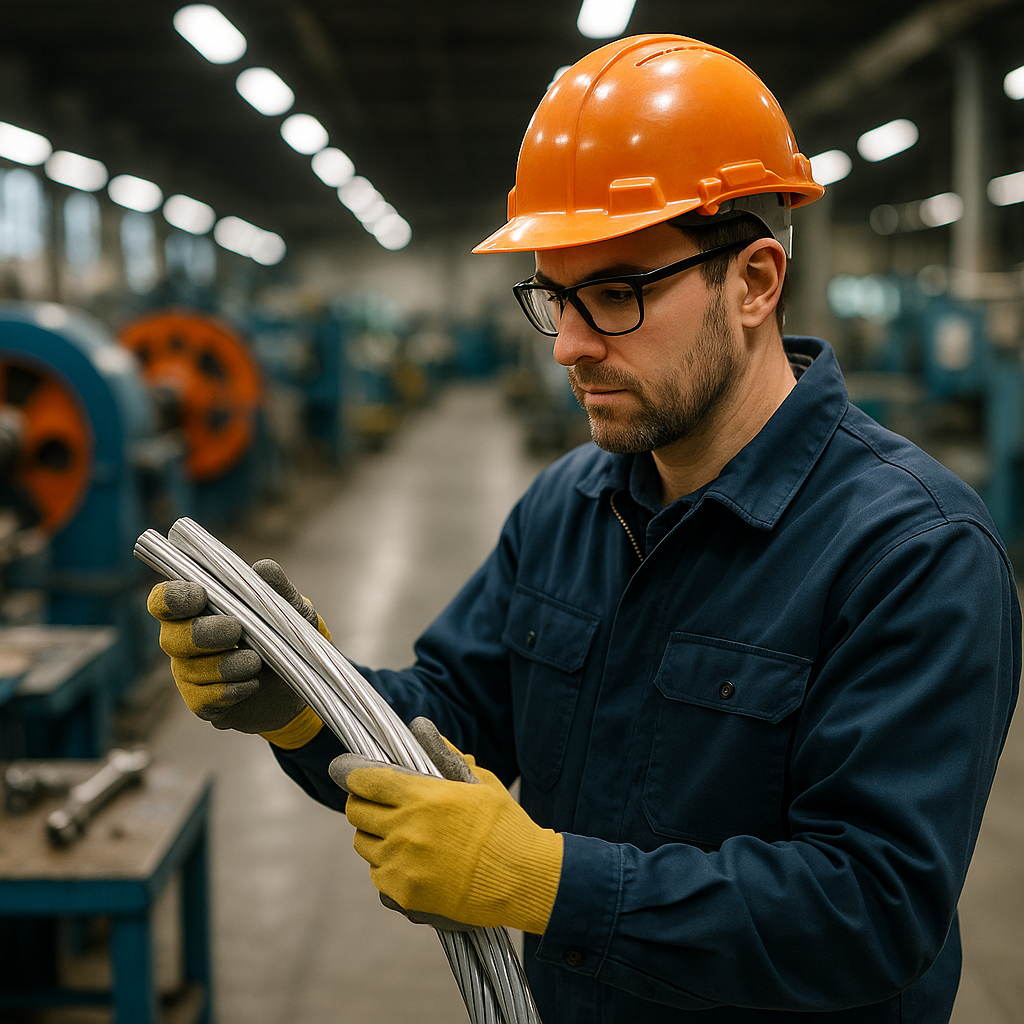
Aluminum is one of modern industry’s most remarkable achievements. This lightweight yet strong metal combines exceptional corrosion resistance with infinite recyclability. From spacecraft components that withstand extreme temperatures to beverage cans that preserve our drinks, aluminum’s versatility spans nearly every sector of the economy. In 2026, its role in the renewable energy transition and the development of electric transportation has made it a foundational material for a sustainable future.
With nearly 75 percent of all aluminum ever produced still in use today, this material exemplifies the circular economy principles we need to adopt globally. Recycling aluminum requires 95 percent less energy than primary production, making it a cornerstone of industrial sustainability strategies.
For businesses ready to embrace aluminum recycling as part of their sustainability initiatives and maximize the value of their scrap assets, contact Okon Recycling at 214-717-4083.
Send Us a Message
Questions about what we do? Interested in commercial services? Let us know below and a member of our team will get back to you.