5901 Botham Jean Blvd, Dallas, TX 75215
How to Determine Which Scrap Business is Most Profitable
February 6, 2026Steel accounts for at least 80 percent of earnings in successful scrap operations, yet many newcomers focus exclusively on copper and aluminum, mistakenly believing that higher per-pound prices equal greater profits. This common misconception can cost recyclers thousands of dollars annually. Profitability in scrap metal recycling depends on a strategic understanding of both material valuation and volume logistics.
The scrap metal industry operates on two fundamental principles that determine business success. First, non-ferrous metals like copper consistently command high prices at recycling centers, often trading at premium rates per pound due to their scarcity and conductivity. Second, abundant ferrous materials such as steel generate substantial revenue through sheer weight and availability, despite lower per-pound rates. Smart operators balance these factors by developing collection strategies that maximize both high-value alloys and volume-based steel tonnage.
Which Scrap Metals Yield the Highest Profit Per Pound?
Copper consistently delivers the highest returns among commonly available scrap metals. Current market prices range significantly based on purity, with bare bright copper wire commanding premium rates. Its exceptional conductivity makes it essential for electrical wiring, plumbing fixtures, and the rapidly expanding renewable energy infrastructure.
The high demand results from copper’s widespread use in construction, electronics, and green energy applications. Clean copper without contaminants can fetch 30 to 40 times more value than steel, making it a priority metal for recyclers. However, realizing this profit requires strict adherence to grading standards; mixing “clean” copper with soldered or painted tubing can significantly devalue the load.
Brass offers consistent value
Brass is the second most profitable common scrap metal, typically earning about half of copper’s value. Current pricing remains strong for standard yellow brass, with red brass (which has a higher copper content) commanding slightly higher rates. The alloy’s distinctive golden color makes identification straightforward for recyclers.
Brass applications in plumbing fixtures, musical instruments, and decorative hardware ensure steady market demand. However, brass is often mixed with other metals—such as steel screws or plastic handles—requiring careful sorting and “cleaning” to maximize the payout per pound.
Specialty metals command premium prices
Titanium is one of the most valuable specialty scrap metals, often reaching premium price points for aerospace-grade material. Its applications in medical devices, aircraft components, and high-performance automotive parts drive consistent demand despite limited availability. Similarly, tungsten carbide—found in machine shop drill bits and industrial tooling—is dense and highly valuable, prized for its extreme hardness.
Platinum and palladium, found in automotive catalytic converters and laboratory equipment, offer exceptional value due to their scarcity. These Platinum Group Metals (PGMs) are essential for emission control and medical technology, maintaining a high price floor even when other commodities fluctuate.
Non-ferrous metals drive profitability
Non-ferrous metals consistently outperform ferrous alternatives in terms of per-pound value. Aluminum, while not reaching copper’s pricing levels, offers reliable returns. Its lightweight nature and extensive use in packaging, automotive bodies, and aerospace create abundant recycling opportunities. Stainless steel provides moderate returns; while pricing is lower than copper or brass, the material’s abundance in commercial kitchens and industrial piping makes it a reliable revenue source for recycling operations.
The Role of Technology in Maximizing Scrap Returns
In 2026, the difference between a profitable recycling operation and a break-even one often comes down to technology. Modern scrap metal identification has moved beyond the simple “spark test” or magnet check. Advanced analytical tools are now standard for maximizing the value of every pound of metal.
Handheld XRF analyzers
X-ray Fluorescence (XRF) analyzers are handheld devices that look like radar guns but function as portable chemistry labs. By pointing the device at a piece of scrap, a recycler can get an exact elemental readout in seconds. This is critical for distinguishing between look-alike metals. For example, 304 stainless steel and 316 stainless steel look identical, but 316 contains molybdenum and nickel, making it significantly more valuable. Without XRF technology, a seller might be paid the lower 304 price for a premium 316 product. Using this technology ensures that you capture the full metallurgical value of your scrap.
AI and automated sorting
For high-volume operations, Artificial Intelligence (AI) combined with robotics is revolutionizing the sorting process. Optical sorters can now distinguish between different grades of aluminum alloys (such as separating 6000 series extrusions from 5000 series sheet) at high speeds. This level of separation allows recyclers to sell “furnace-ready” packages to aluminum mills, commanding a much higher price than mixed aluminum scrap. For businesses generating large amounts of mixed metal waste, partnering with a recycler that utilizes these advanced sorting technologies means better rebates and more accurate reporting.
Can Common Metals Like Steel and Aluminum Generate Significant Profit?

Many newcomers to metal recycling assume that rare metals drive profitability. This misconception leads them to overlook the true workhorses of the scrap industry. Steel and aluminum generate substantial profits through volume rather than premium pricing.
The logistics of ferrous scrap
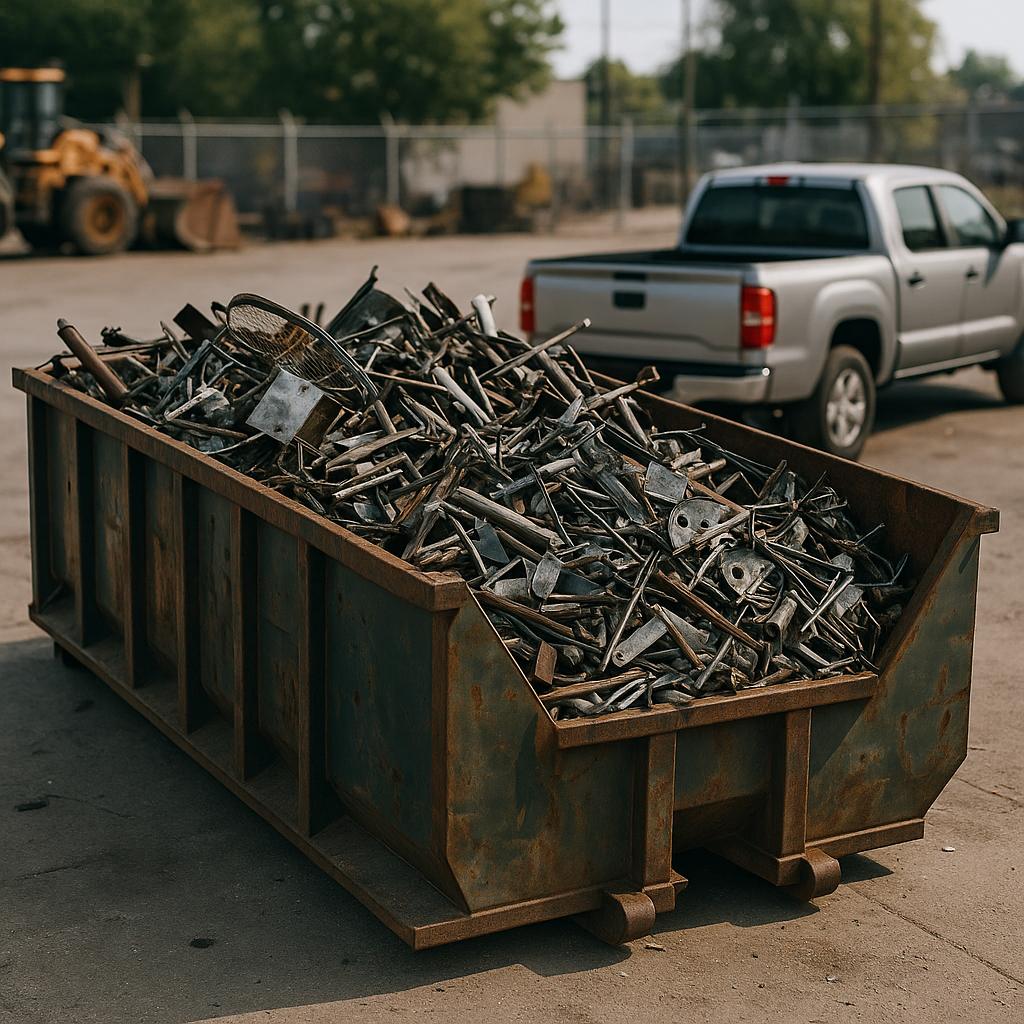
Steel forms the backbone of most successful scrapping operations. Despite its low per-pound value, steel accounts for the majority of scrapper income due to its immense weight and abundance. A single industrial beam or decommissioned machine can weigh thousands of pounds. This mass translates directly to revenue at scrap yards, even with modest per-pound rates. The key to profiting from steel is logistics—having the right trucks, roll-off containers, and heavy-lifting equipment to move tons of material efficiently.
Aluminum: The volume contender
Aluminum presents a different but equally compelling profit model. Clean aluminum extrusions and rims command strong prices, making it one of the most profitable common metals to process. Its versatility appears in countless everyday items including window frames, siding, and automotive parts.
The availability of aluminum matches its profitability. Construction sites regularly discard aluminum siding during renovations. Restaurants and offices generate steady streams of aluminum cans. HVAC contractors remove aluminum ductwork and heat exchangers during system upgrades. Because aluminum is non-magnetic and corrosion-resistant, it can be stored outdoors without losing value, allowing recyclers to accumulate large loads before selling.
Navigating the 2026 Regulatory and Sustainability Landscape
The scrap metal industry is no longer just about buying and selling raw materials; it is a critical component of global sustainability strategies. In 2026, environmental regulations and corporate ESG (Environmental, Social, and Governance) goals are driving the demand for recycled metals.
The rise of “Green Steel”
The global push to decarbonize heavy industry has led to the rise of “Green Steel”—steel produced using electric arc furnaces (EAF) powered by renewable energy and fed by scrap metal. Unlike traditional blast furnaces that use iron ore and coal, EAFs rely almost entirely on recycled steel. This shift has created a structural increase in demand for ferrous scrap. Manufacturers are willing to pay a premium for high-quality recycled steel to lower their carbon footprint and meet regulatory carbon caps. For recyclers, this means that the long-term outlook for steel prices is robust, driven by environmental necessity rather than just construction booms.
Scope 3 emissions and supply chain transparency
Major corporations are now required to report their “Scope 3” emissions, which includes the carbon footprint of their supply chain. Using recycled aluminum and copper significantly lowers these emissions compared to mining virgin ore. As a result, industrial buyers are demanding detailed traceability for their scrap metal. They need to know where the metal came from and how it was processed. Recyclers who can provide digital documentation and “Certificates of Recycling” are becoming preferred partners for major manufacturers, securing long-term contracts that offer stability against daily market price fluctuations.
What Key Factors Influence Scrap Metal Prices?
Scrap metal prices fluctuate daily due to interconnected market forces closely monitored in our recycling operations. These price changes affect every transaction, from small-scale material recovery to large industrial recycling contracts. Understanding these factors helps facilities plan their material processing schedules and optimize revenue streams.
Global supply and demand dynamics
Global supply and demand patterns are significant drivers of price movements. When industrial demand from major consumers like China and India increases, prices across all metal categories rise. Construction booms, infrastructure projects, and manufacturing expansions sustain demand pressure. The growing electric vehicle sector particularly drives demand for copper and aluminum, pushing prices higher as manufacturers compete for limited recycled materials.
Economic conditions and market cycles
Economic conditions create predictable patterns in scrap metal pricing. Economic expansions increase industrial activity and manufacturing output, driving demand for recycled metals. During these periods, we typically see sustained price increases. Conversely, recessions reduce industrial demand and lower scrap metal prices. Manufacturing slowdowns mean fewer companies need raw materials, resulting in oversupply conditions.
Metal purity and quality standards
Metal purity is one of the most controllable factors affecting scrap metal prices. Clean, well-sorted materials free from contaminants like plastic, rubber, or other metals command premium pricing. We consistently see price differences of 20 to 30 percent between contaminated and clean materials. Processing costs increase significantly when materials require extensive cleaning or sorting before recycling, reducing the value offered for mixed or dirty materials.
What Are the Best Strategies to Maximize Earnings from Scrap Metal?
Maximizing profits from scrap metal requires strategic preparation and market awareness. Systematic processing can increase earnings by 20 to 40 percent compared to haphazard collection. These proven strategies help operations achieve optimal returns while maintaining efficient workflow.
Sort metals by category and grade
Proper sorting is crucial for maximizing scrap value. Separating ferrous from non-ferrous metals immediately increases pricing potential. Ferrous metals contain iron and respond to magnets, while non-ferrous metals like copper, aluminum, and brass command higher prices. Within each category, further sorting by grade amplifies returns. For example, separating #1 Copper (clean tubing/wire) from #2 Copper (oxidized or soldered) ensures you get paid the maximum rate for your best material. Industry data shows that proper sorting can increase earnings significantly compared to mixed metal sales.
Remove non-metal attachments thoroughly
Cleaning scrap metal significantly impacts final pricing. Non-metal components like plastic insulation, rubber hoses, and steel attachments reduce overall value by contaminating pure metal streams. Removing insulation from copper wire often shifts it from a lower grade to premium pricing categories. Basic tools like wire cutters, pliers, and screwdrivers accelerate the cleaning process. Even partial cleanup can elevate scrap into higher-paying categories.
Build volume before selling
Accumulating larger quantities before sale typically yields better per-pound pricing. Recycling centers often offer volume discounts and reduced processing fees for substantial commercial loads. This strategy also reduces transportation costs by maximizing each delivery trip. Volume building requires adequate storage space and security measures, especially for valuable metals like copper, but the payoff in negotiated rates is often worth the effort.
Conclusion: Building Your Profitable Scrap Business
Building a profitable scrap metal business requires a blend of industry knowledge and strategic execution. Success depends on understanding the fundamentals: steel provides consistent volume and reliability as your base, while high-value metals like copper, brass, and aluminum offer higher profit margins per pound. Mastering metal identification, utilizing modern technology like XRF analysis, and implementing effective sorting practices are crucial skills that directly affect your bottom line.
The most successful scrap businesses recognize that sustainable practices and environmental conservation are integral to financial success. By transforming discarded materials into valuable resources, you contribute to the circular economy while generating significant revenue. Whether you focus on high-volume steel collection or specialize in premium non-ferrous alloys, the key is developing a strategy that aligns your resources with market opportunities.
For businesses and organizations looking to establish comprehensive scrap metal recycling programs that maximize ROI, contact Okon Recycling at 214-717-4083 for professional recycling solutions.
Send Us a Message
Questions about what we do? Interested in commercial services? Let us know below and a member of our team will get back to you.