5901 Botham Jean Blvd, Dallas, TX 75215
Demolition Steel Scrap Management in DFW: A Contractor’s Guide
January 29, 2026Construction and demolition projects in the Dallas-Fort Worth (DFW) metroplex generate massive amounts of steel scrap that can quickly overwhelm job sites. Without proper management, this metal debris creates safety hazards, reduces productivity, and wastes valuable resources.
In 2026, as North Texas continues its unprecedented industrial expansion, professional demolition steel scrap management has become a critical operational standard, transforming a logistical challenge into a strategic opportunity for both profit and environmental responsibility.
Managing demolition steel scrap in DFW involves the professional collection, removal, and recycling of metal debris generated from construction and demolition projects. This process helps contractors keep job sites cleaner, safer, and more organized by providing specialized services like specialized roll-off containers and scheduled pickups for heavy and bulky materials. Well-executed demolition scrap operations can recover up to 95 percent of metal materials from a site, substantially offsetting project costs while conserving natural resources.
What Types of Metals Can Be Recycled from Demolition Sites?
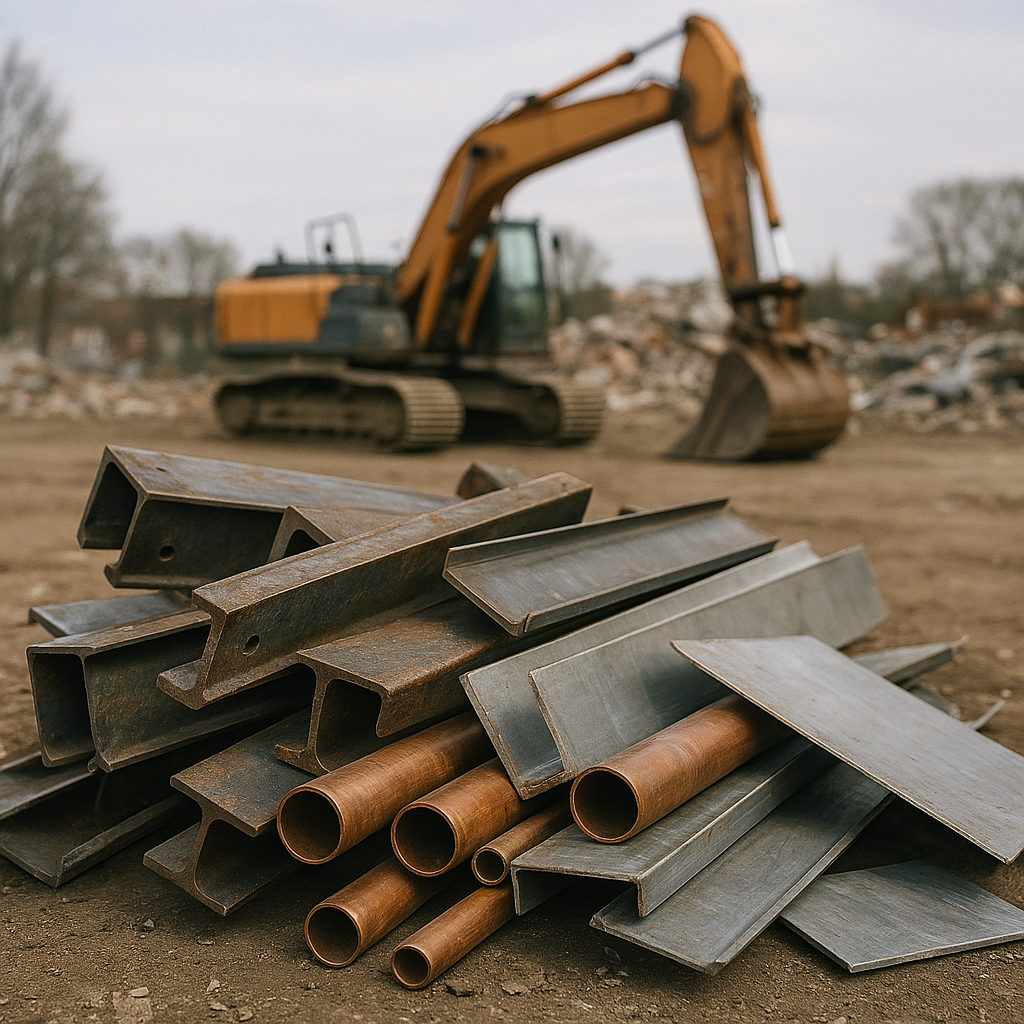
Demolition projects in the DFW area generate two main categories of recyclable metals: ferrous and non-ferrous materials. Understanding these distinctions helps contractors and facility managers maximize recovery value while ensuring proper handling during demolition operations. In the high-stakes world of North Texas commercial teardowns, the systematic identification and separation of these metals transforms potential waste into valuable revenue streams.
Ferrous metals from demolition projects
Ferrous metals contain iron as their primary component and represent the largest volume of recyclable materials at most demolition sites. These metals are magnetic, making them relatively easy to identify and separate using basic magnetic testing methods. Structural steel forms the backbone of most commercial buildings and industrial facilities throughout the Metroplex.
Common ferrous materials include structural steel beams, girders, and columns from building frameworks. Rebar embedded in concrete structures provides another significant source of ferrous metal scraps, alongside sheet metal roofing and corrugated iron panels.
Non-ferrous metals and high-value materials
Non-ferrous metals do not contain iron and are not attracted to magnets. These materials generally command higher prices in recycling markets due to their superior properties and industrial demand. Copper represents the most valuable common metal found in demolition projects, appearing in electrical wiring systems, plumbing pipes, and HVAC components. Aluminum materials—including window frames, siding, and structural components—are also highly sought after for their lightweight properties and corrosion resistance. Modern buildings also yield stainless steel from industrial kitchens, brass fixtures from plumbing systems, and nickel alloys from specialized manufacturing equipment.
Identification and market considerations
Accurate identification of metal types directly impacts recycling value and processing efficiency. Visual characteristics help identify specific metals like copper’s reddish hue and aluminum’s silvery appearance. Market conditions in 2026 significantly influence the value of different metals, with copper prices particularly sensitive to the needs of the growing renewable energy sector. Clean, properly separated materials command premium prices compared to contaminated loads. Professional assessment of high-value components ensures that DFW contractors capture the maximum possible market value for their scrap.
Advanced Sorting Technology and Site Efficiency in 2026
The industrial recycling landscape in DFW has undergone a technological revolution to meet the demands of 2026 construction timelines. Modern material recovery is no longer just about heavy lifting; it is about high-tech precision that ensures 100 percent material traceability.
AI-driven sorting and metallurgical verification
Professional recycling partners now utilize advanced technology like AI-powered optical sorting and handheld X-ray fluorescence (XRF) analyzers directly at the job site. This allows for the instant identification of specialized steel alloys and high-purity aluminum grades. For a DFW contractor, this means the difference between being paid a “mixed scrap” rate and a “premium alloy” rate. These scientific tools remove the guesswork from material grading, ensuring that your organization receives a fair, data-driven payout for every ton of metal recovered.
The role of industrial magnetic separation
In the 2026 market, efficiency is paramount. Advanced magnetic separation systems are now used to rapidly process demolition rubble. Large-scale electromagnets can be mounted on excavators to pull ferrous rebar from concrete debris in seconds. This level of automation significantly reduces the labor hours required for site cleanup and ensures that no valuable steel is lost to the landfill. By integrating these tools into the teardown process, DFW projects can maintain a faster schedule while maximizing their environmental social and governance (ESG) reporting metrics.
Navigating New Texas Recycling Regulations and Safety Mandates
As of late 2025 and moving through 2026, the State of Texas has implemented new mandates that impact every commercial demolition project. Staying compliant is essential for avoiding administrative penalties and protecting your company’s reputation.
Compliance with HB 3228 and HB 3229
Texas House Bill 3228 and House Bill 3229 have introduced significant updates to how renewable energy and industrial components are handled. For DFW projects involving the decommissioning of solar arrays or battery energy storage systems (BESS), mandatory recycling is now the law of the land. Project lessees are now required to recycle all components “practicably capable of being reused or recycled.” Furthermore, facilities accepting these materials must submit annual reports to the TCEQ. Partnering with a recycler that provides certified documentation and “Certificates of Recycling” ensures that your business stays on the right side of these new statutory requirements.
OSHA safety standards for heavy scrap handling
Safety is the primary focus of professional scrap management. In 2026, OSHA has increased oversight on the handling of heavy demolition scrap to prevent workplace accidents. Proper container loading—ensuring that heavy steel beams do not shift during transport—is vital. Professional recycling services provide safety training and specialized bins designed for high-density loads, reducing the risk of puncture injuries or site accidents. By outsourcing the scrap management to experts, DFW contractors transfer the physical risk of material handling to trained professionals with the right equipment for the task.
How Does the On-Site Scrap Collection Process Work?

The on-site scrap collection process transforms chaotic demolition debris into organized, valuable industrial feedstock through a series of systematic steps. Each phase is designed to create efficiency and maximize material recovery rates for the property owner.
Initial site assessment and container delivery
The process begins with professional site evaluations to determine material types and volumes. This assessment identifies the best locations for container placement to avoid obstructing workflow. Durable, open-top roll-off dumpsters are then delivered and positioned strategically. These containers are specifically engineered to handle the massive weight of structural steel beams and concrete-encased rebar typical of North Texas demolition work.
On-site material grading and weight measurement
Professional grading occurs directly at the job site to establish accurate material values. Trained specialists evaluate metals based on alloy grade and contamination levels. Once loaded, materials are weighed using state-certified trucking scales. These certified scales ensure precise calculations for fair, competitive pricing based on actual tonnage. Every load leaving the DFW site receives a detailed weight ticket, creating a transparent audit trail for both payment and regulatory compliance.
Flexible logistics and site cleanup
In the fast-paced DFW market, pickup schedules must adapt to project timelines. Professional services often respond within 24 hours for container swaps, ensuring that full bins do not block active work zones. The final stage involves a comprehensive site cleanup, where teams ensure that all recyclable metals are properly sorted and documented. This leaves the site organized and ready for the next phase of development work, whether it is a new commercial build or a municipal project.
What Are the Main Benefits of Using a Professional Service?
Professional demolition steel scrap services eliminate the complex challenges that DFW contractors face when managing heavy materials. Instead of dedicating valuable crew time to sorting metal, professional teams handle all material identification. This allows your workers to focus on the primary demolition or construction tasks, significantly improving overall project productivity.
Transportation logistics also become much simpler. Moving heavy structural components requires specialized equipment and experienced operators. An extensive hauling network designed specifically for demolition materials eliminates the need for contractors to source their own transportation or make multiple, inefficient trips to a facility. This reduction in truck traffic also lowers the carbon footprint of the project.
Job site safety improves dramatically when professionals handle the scrap. Expert teams are trained in specific safety protocols and equipped with specialized tools to manage large-scale debris. This reduces accident risks and protects contractors from potential liability issues related to improper material handling or environmental contamination. Furthermore, competitive buy-back prices provide immediate financial benefits that improve project profitability, turning what was once a disposal cost into a significant project credit.
Final Steps for Managing Your Demolition Scrap in DFW

Efficiently managing demolition steel scrap is key to a successful project in the DFW area. Professional recycling services provide the equipment, technical expertise, and documentation needed to handle materials safely and responsibly. These cost-effective solutions streamline operations from initial collection through final disposal while ensuring compliance with local North Texas regulations. Proper material separation and grading can significantly reduce your total disposal costs compared to mixed-load approaches that result in higher tipping fees and lower scrap returns.
Sustainable operations and project efficiency become achievable when you partner with an experienced North Texas recycling provider. Rather than managing multiple contractors for demolition support, hauling, and disposal, integrated services eliminate coordination gaps and unexpected fees.
For reliable demolition scrap management that maximizes value and ensures 2026 regulatory compliance, contact Okon Recycling at 214-717-4083.
Send Us a Message
Questions about what we do? Interested in commercial services? Let us know below and a member of our team will get back to you.