5901 Botham Jean Blvd, Dallas, TX 75215
Do People Collect Scrap Metal for Free?
February 5, 2026Many property owners find that scrap metal collection services vary significantly in their pricing. Some recycling companies offer completely free scrap metal pickup, while others charge fees to cover operational costs like fuel and transportation. In early 2026, as fuel prices stabilize and labor costs rise, understanding these economic models is more important than ever for businesses looking to manage their waste budget effectively.
The availability of free scrap metal collection often depends on your geographic location and the specific recycling service you contact. Companies that offer free local pickup typically focus on valuable materials like copper, aluminum, and steel appliances, which generate sufficient revenue to offset collection expenses. However, businesses in remote areas or those handling mixed metal loads (often referred to as “dirty scrap”) may face service fees to account for the additional processing required.
Understanding when scrap metal removal is free versus fee-based helps property managers and business owners make informed decisions about their waste management strategies. We will explore the factors that determine whether recycling services charge for pickup and how to identify the most cost-effective options for your specific needs, ensuring you get the best value for your materials.
When Is Scrap Metal Pickup Offered for Free?
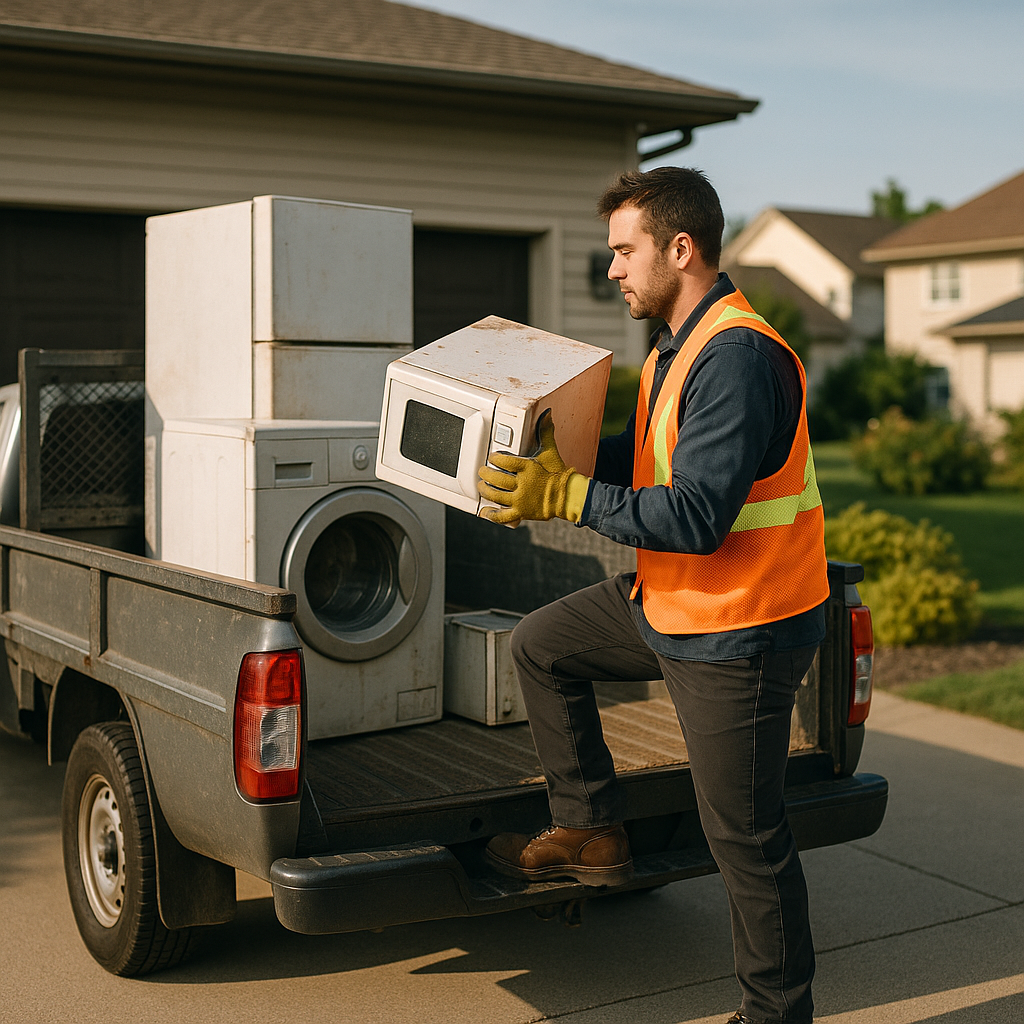
Free scrap metal pickup generally happens when service providers can collect large appliances within their local service areas. Most recycling companies offer no-cost removal for major household items like refrigerators, washers, dryers, stoves, and water heaters because these appliances contain valuable metals that offset collection costs. The steel shell, copper wiring, and electric motors inside these units create a “break-even” scenario for the hauler.
Geographic proximity and volume
Geographic proximity is crucial in determining free service availability. Companies in dense urban areas often provide free appliance pickup for residents within their standard service zones due to route density. However, customers outside these areas often face distance-related fees ranging from $20 to $140, depending on location. Similarly, high-volume pickups—such as clearing out an entire warehouse of metal shelving—are more likely to be free because the sheer tonnage of metal makes the trip profitable for the recycler.
Condition and accessibility of items
The condition of appliances can affect whether pickup remains free. Functional appliances usually qualify for no-cost removal since they retain higher resale or refurbishment value. Broken or non-functional items are strictly scrap and may incur small fees if the scrap market is down. Furthermore, service accessibility significantly influences pricing. Items located curbside or in a loading dock typically receive free pickup, while appliances needing removal from upper floors, basements, or interior rooms often trigger extra labor fees due to the time and risk involved.
Municipal bulk waste programs
Municipal bulky waste programs frequently include large appliances in their free curbside collection services. Many cities offer weekly free bulky item pickup that covers washers, refrigerators, sofas, and similar items when residents call their waste management provider at least 24 hours in advance. Air conditioning units and hot water heaters are particularly valuable scrap items due to their copper and steel content, making them almost universally accepted for no-cost removal by private scrappers if the city service is unavailable.
Why Do Some Services Charge for Scrap Metal Pickup?
Scrap metal pickup services charge fees to cover the substantial operational costs involved in collection and transportation. These costs include fuel expenses, vehicle maintenance, labor wages, and equipment depreciation, all of which accumulate on every pickup route. In 2026, the rising cost of commercial insurance for heavy transport vehicles has also become a factor.
Transportation and fuel surcharges
Transportation is one of the largest expense categories for pickup operations. Fuel costs fluctuate, with many recycling processors implementing fuel surcharges tied to diesel price indexes maintained by the Energy Information Administration. Collection trucks—especially those with hydraulic lift gates or roll-off capabilities—require regular maintenance and are expensive to operate. If a pickup location is far from the processing facility, the fuel cost alone can outweigh the scrap value of a small load.
Labor and environmental compliance
Labor costs also contribute significantly to pickup fees. Trained personnel must safely load heavy materials, navigate residential and commercial areas, and handle various types of scrap metal according to OSHA safety protocols. Additionally, environmental compliance adds another cost layer. Processing facilities face strict EPA regulations for handling refrigerants (found in AC units and fridges) and hazardous fluids. These responsible disposal practices ensure materials reach legitimate recycling facilities rather than illegal dumping sites, but they do come with a price tag that is sometimes passed to the customer.
Navigating the 2026 E-Waste Landscape
In 2026, electronic waste (e-waste) has become a distinct category within the scrap metal industry. While a steel washing machine might be picked up for free, a pallet of old computers or monitors often incurs a fee due to the complexity of recycling them securely and sustainably.
The cost of data security
For businesses disposing of IT assets, the primary concern is data security. Professional recyclers charge for the certified destruction of hard drives and memory devices to NIST 800-88 standards. This process involves specialized equipment and labor to shred or degauss the media, ensuring that sensitive corporate or personal data is unrecoverable. While you might pay a fee for this service, it is a critical investment in protecting your organization from data breaches and liability.
Hazardous components in electronics
Electronics contain valuable gold, silver, and copper, but they also contain lead, mercury, and cadmium. The cost to safely separate these toxic elements often exceeds the value of the precious metals, especially for older CRT monitors or low-grade consumer electronics. As a result, “free” pickup for e-waste is becoming rare unless the load contains a high percentage of high-value items like server racks or modern laptops. Understanding this distinction prevents surprise invoices when clearing out office equipment.
Are There Municipal Options for Scrap Metal Collection?
Many local governments recognize the importance of scrap metal recycling and offer collection services for residents with oversized metal items. These municipal programs provide convenient alternatives to private recycling facilities, though they typically come with specific guidelines and limitations for residents.
Some county-level programs offer scheduled pickup services for large broken metal items through a dedicated contractor. Residents can arrange collections for items like broken lawnmowers, dryers, washers, stoves, and metal cabinets. However, these municipal services often operate under strict parameters, such as limiting the number of pickups per year or requiring items to be a certain size.
Municipal collection programs often exclude smaller items that residents can transport themselves. Policies typically require that small metal items be taken directly to a Residents’ Convenience Center or landfill drop-off point. This ensures that municipal collection trucks focus on truly oversized items that pose transportation challenges for individual residents. Operational structures often involve specialized trucks distinct from regular trash vehicles to prevent contamination.
Advanced Sorting Technology: Maximizing Value in 2026
For businesses with large volumes of scrap, the “free vs. fee” equation often changes based on how well the material is sorted. In 2026, industrial recycling facilities utilize advanced technology to process mixed loads, but providing pre-sorted material can turn a fee-based pickup into a revenue-generating one.
AI and robotic separation
Modern scrap yards employ Artificial Intelligence (AI) and robotic sorting systems to separate non-ferrous metals from ferrous shred. Optical sorters can distinguish between copper, brass, and aluminum in milliseconds. While this technology allows recyclers to handle mixed loads, the cost of this processing is deducted from the material’s value. Businesses that separate their metals at the source—using different bins for steel, aluminum, and copper—bypass this cost and receive a higher payout.
The importance of “Clean” scrap
To qualify for free pickup or payment, scrap must often be “clean.” This means it is free of non-metallic contaminants like wood, plastic, glass, or rubber. A load of aluminum window frames with the glass still in them is “dirty” and may cost money to haul away. That same load with the glass removed is “clean aluminum” and is worth money. Educating your team on basic material preparation—like removing plastic handles or rubber gaskets—can significantly change the economics of your waste removal service.
What Types of Scrap Metal Can Be Recycled?
Recycling centers accept both ferrous and non-ferrous metals through comprehensive collection programs. The distinction between these two categories determines processing methods, market value, and recycling protocols implemented in our facilities.
Ferrous metals: Iron and steel
Ferrous metals contain iron and exhibit magnetic properties, making them easily identifiable through simple magnet tests. These materials include iron, steel, carbon steel, cast iron, and wrought iron. Steel is the most recycled material globally, with billions of dollars in domestic purchases annually. Common items include kitchen appliances, structural beams from construction sites, and end-of-life vehicles.
Non-ferrous metals: Copper, aluminum, and brass
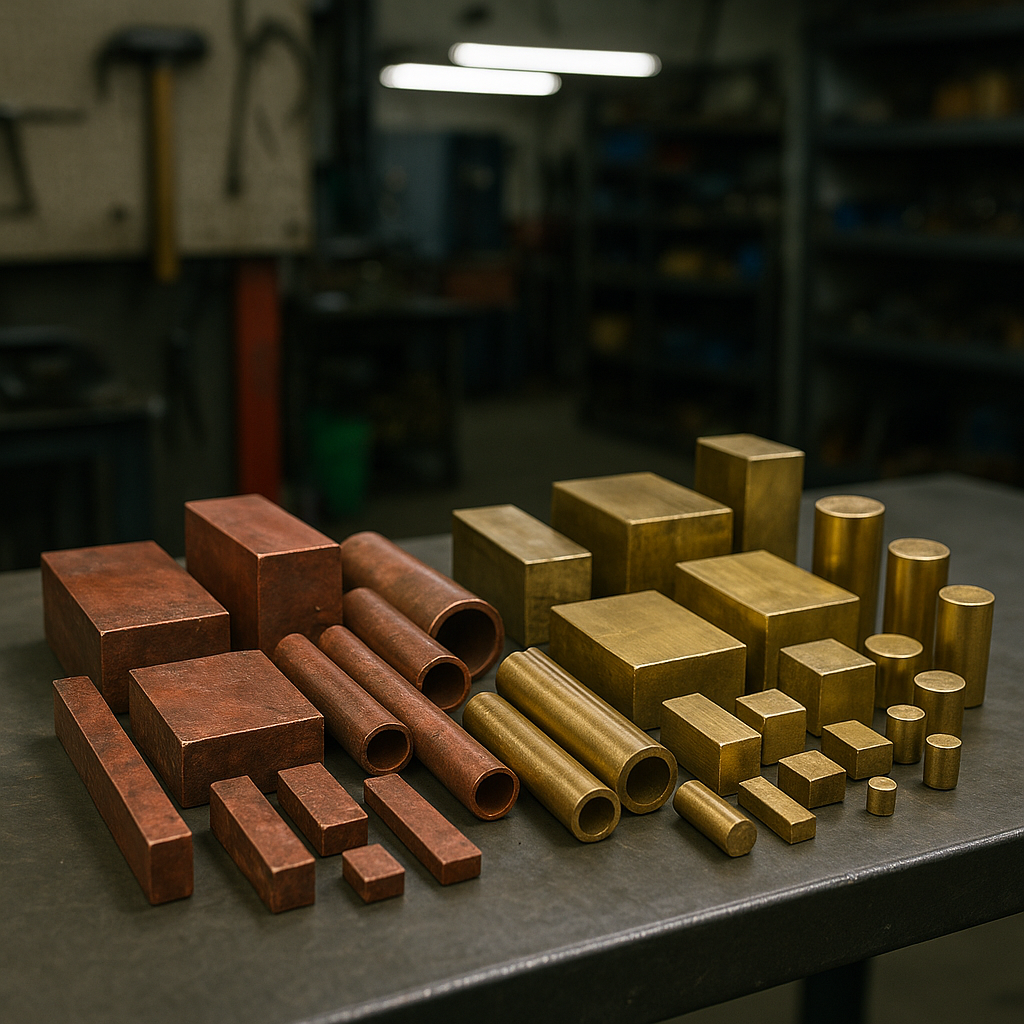
Non-ferrous metals lack iron content and resist magnetic attraction. These metals command higher market prices due to their corrosion resistance and conductivity. Copper materials yield premium returns due to strong market demand; insulated wire and plumbing pipes are prime examples. Aluminum cans and siding are also staples of the recycling stream. Brass fixtures and lead-acid batteries provide additional value streams for those who take the time to separate them.
Prohibited materials and safety risks
Recycling facilities cannot accept materials that pose environmental or safety hazards. Items containing asbestos, radioactive materials, or explosives (like ammunition or airbags) are strictly prohibited. Pressurized containers, such as propane tanks, must be depressurized and valves removed before acceptance to prevent explosion hazards during shredding. Understanding these restrictions is vital for a smooth pickup experience.
Conclusion: How to Dispose of Your Scrap Metal
While free scrap metal collection is available, it generally applies only to local pickups of valuable, high-weight items like large appliances or bulk steel. In most cases, you can expect to either pay a small service fee for the convenience of a scheduled pickup or transport the items to a recycling center yourself to receive payment. Always check with local junk removal companies and your county’s environmental services to explore your responsible disposal options.
If you need reliable scrap metal disposal services that prioritize environmental responsibility, regulatory compliance, and fair pricing, contact Okon Recycling at 214-717-4083. Our team can help you determine the most cost-effective strategy for your specific materials.
Send Us a Message
Questions about what we do? Interested in commercial services? Let us know below and a member of our team will get back to you.