5901 Botham Jean Blvd, Dallas, TX 75215
Why Choosing the Right Industrial Metal Buyer in Midland, TX is Crucial
January 20, 2026Industrial operations in the Permian Basin generate substantial amounts of scrap metal daily. From oil field equipment to manufacturing debris, these materials hold significant value when handled appropriately. However, many companies struggle with inefficient scrap metal disposal processes that waste time and money.
Selecting the right industrial metal buyer in Midland, Texas, directly affects operational efficiency and profitability. Professional scrap metal recycling partners provide competitive pricing, reliable pickup schedules, and proper handling of both ferrous and non-ferrous metals. They understand the unique challenges facing industrial companies in the region and offer tailored solutions.
The difference between working with established scrap metal buyers versus inexperienced operators is evident in pricing transparency, service reliability, and regulatory compliance. Professional buyers streamline scrap metal disposal while maximizing the recovery value for industrial scrap materials. This partnership allows companies to focus on core operations while ensuring waste materials contribute to their bottom line rather than drain resources.
What Services Do Scrap Metal Buyers in Midland Offer?
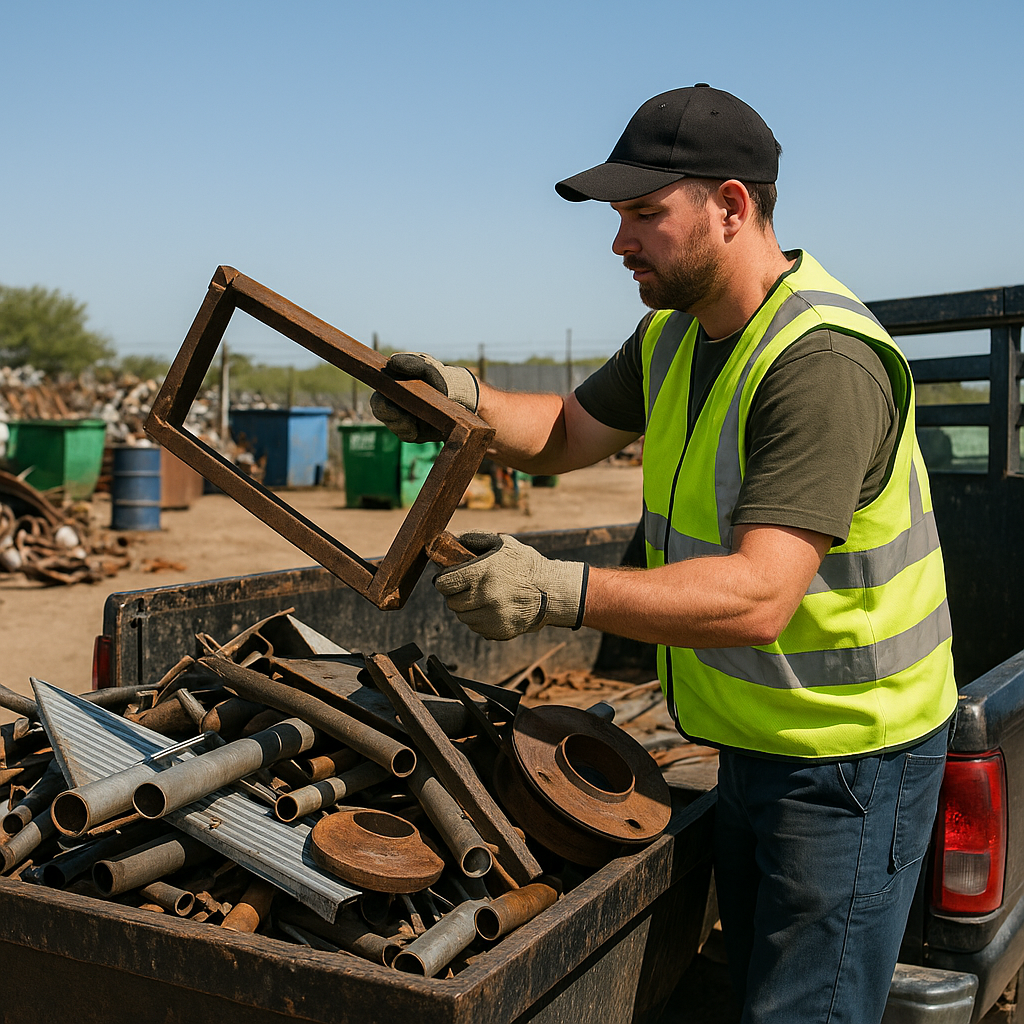
Industrial metal buyers in the Midland area offer comprehensive scrap metal operations that go beyond simple purchasing. These full-service operations cover the entire lifecycle of scrap metal management, from initial collection to final processing and remarketing.
The core services start with purchasing and collecting both ferrous and non-ferrous metals from diverse sources. Professional recyclers handle materials ranging from construction debris and automotive components to industrial equipment and high-value alloys. Collection services include public drop-off locations, scheduled industrial pickups, and on-site processing capabilities for larger generators.
Processing is a critical component of scrap metal services in West Texas. Facilities use advanced equipment for baling and briquetting, shearing and torching operations, and specialized screening systems. These processing capabilities ensure materials meet industry specifications before entering secondary markets, which directly impacts the payout to the client.
Transportation and logistics services connect local generators with larger commodity markets. Many operators provide roll-off box services and container programs that streamline the collection process for industrial clients. This infrastructure supports consistent material flow while minimizing handling costs for customers.
Asset recovery programs are becoming increasingly important. These customized scrap metal programs help businesses maximize value from obsolete equipment and manufacturing waste streams. Professional metal recycling operations often provide certified destruction services for sensitive materials, ensuring compliance with data security requirements and preventing unauthorized reuse of proprietary components.
Quality control and transparency are key in modern scrap metal operations. Leading buyers offer online customer portals that provide real-time pricing information and transaction history. This technological integration supports long-term partnerships between generators and processors throughout the Permian Basin region.
What Should You Look for in a Reputable Metal Buyer?
Selecting a trustworthy scrap metal buyer involves evaluating several critical factors that distinguish professional operations from questionable ones. Reputable buyers demonstrate their commitment to fair business practices through transparent operations, certified equipment, and clear communication about their processes.
A reliable indicator of a quality metal buyer is their approach to weighing and pricing transparency. Legitimate scrap metal buyers use certified scales, tested and approved by the state. Each scale displays a seal showing when it was last inspected, and these records are publicly verifiable via the Texas Department of Agriculture.
Professional buyers conduct the weighing process in full view of customers. You should be able to watch as the numbers appear on the scale and see how totals are calculated. This transparent weighing approach eliminates guesswork and builds confidence in the transaction.
Pricing methodology is another crucial factor in identifying reputable buyers. Quality operations explain their grading systems, current market conditions, and how they determine material values based on global commodity indices like the London Metal Exchange (LME). They post current prices openly rather than withholding rates until after materials are weighed.
Consistent grading standards ensure fair treatment across all transactions. Metal grades are based on quality, cleanliness, and composition. Clean copper tubing commands higher prices than copper mixed with brass fittings because it processes more easily. Reputable buyers follow industry-standard grading systems and apply them consistently to every load.
Regulatory compliance protects both buyers and sellers in every transaction. Professional operations require proper identification and follow all state “cash-for-scrap” laws to prevent theft and maintain marketplace integrity. They also follow strict environmental standards for storing and processing materials to prevent soil and groundwater contamination.
Customer service quality reveals much about a buyer’s business philosophy. Reputable operations provide detailed receipts showing material types, total weight, and rates per pound. Staff members should willingly answer questions about pricing differences and explain grading decisions. Payment should be immediate and straightforward without hidden fees or unexpected deductions.
How Industrial Metal Recycling Powers the West Texas Energy Sector
The relationship between metal recycling and the Permian Basin energy sector is one of mutual dependency. As drilling and production fluctuate, the volume of obsolete steel and specialized alloys generated can be immense. For energy companies, a professional recycling partner is more than a vendor; they are a logistical necessity.
Managing Oil Field Tubulars and Drill Pipe
One of the most common waste streams in the Midland and Odessa region is oil country tubular goods (OCTG). Used drill pipe, casing, and tubing represent massive tonnages of high-grade steel. However, these materials often come with challenges such as heavy scaling, corrosion, or thread protectors that need to be managed. A professional industrial buyer has the heavy-duty shearing and torching equipment necessary to process these thick-walled materials into manageable sizes for the mill, ensuring that the energy company receives the highest possible “prepared” grade price.
Recovering High-Value Non-Ferrous Alloys
While steel makes up the bulk of the weight in the oil field, non-ferrous metals provide the bulk of the profit. Electric submersible pumps (ESPs), specialized valves, and instrumentation contain significant amounts of copper, brass, and stainless steel. Professional buyers use handheld X-ray fluorescence (XRF) analyzers to instantly identify the exact chemical composition of these alloys. This ensures that a piece of Monel or Inconel is priced correctly as a high-value nickel alloy rather than being misclassified as standard stainless steel.
Establishing a Secure and Efficient Scrap Management Protocol
For industrial facilities in Midland, scrap management should not be an afterthought. Implementing a structured protocol can improve safety, reduce environmental liability, and increase the financial return on waste materials.
Strategic Container Placement and Sorting
The key to maximizing scrap value is preventing contamination. Once different metals are mixed in a single bin, the value of the entire load is often reduced to the lowest common denominator. Professional industrial buyers provide a variety of container sizes—from small self-dumping hoppers for CNC machine chips to 40-yard roll-offs for structural steel. By placing specific bins for “Clean Aluminum” or “Yellow Brass” at the point of generation, companies can ensure their materials remain high-grade and high-value.
Logistics and Safety Compliance
Transporting tons of heavy metal across West Texas highways requires adherence to Department of Transportation (DOT) regulations. Professional recycling partners manage this liability by providing their own fleet of specialized trucks and DOT-certified drivers. Furthermore, they provide the necessary documentation, such as Certificates of Destruction and environmental impact reports, which are essential for corporate auditing and demonstrating compliance with state and federal environmental laws.
Evaluating the Regional Industrial Metal Buying Landscape
The Permian Basin region is served by several professional entities specializing in materials recovery for manufacturing, construction, and energy sector operations. These organizations offer vital services for businesses that generate significant volumes of ferrous and non-ferrous scrap metals, particularly in the Midland-Odessa corridor.
Established recyclers in the region emphasize competitive pricing and professional service for industrial clients. They utilize advanced sorting technology and processing capabilities to handle diverse metal streams, from heavy steel plate to intricate electronic scrap. Many of these facilities have operated in Texas for decades, leveraging refined supply chains and deep connections to global metal trading markets.
In addition to standard scrap buying, many regional providers position themselves as comprehensive environmental solution partners. They offer transparent weighing and pricing systems, maintaining competitive rates for reliable suppliers. This geographic focus allows them to gain a specialized understanding of regional industrial metal generation patterns—such as the specific needs of pipeline contractors or refinery maintenance crews—allowing for tailored collection schedules that keep job sites clear and safe.
These entities collectively ensure comprehensive coverage for industrial metal buying needs throughout the region. Most maintain established relationships with local energy sector operations, which generate considerable volumes of steel pipe, casing, and other ferrous materials requiring proper recycling and materials recovery processing.
Conclusion: Partnering for Your Industrial Scrap Metal Needs
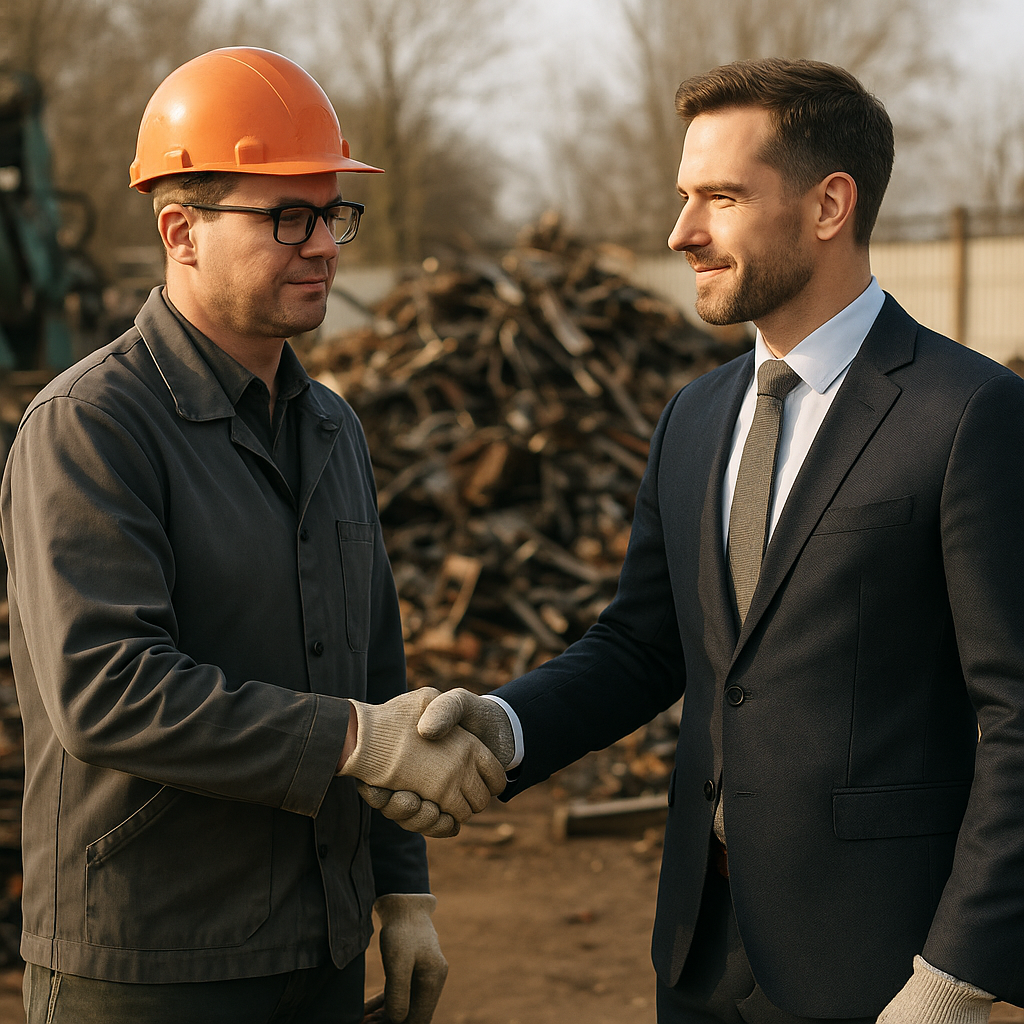
Finding the right industrial metal buyer in Midland, Texas, is crucial for streamlining your recycling process and maximizing asset recovery. The local market features established facilities with decades of experience in processing ferrous and non-ferrous metals, each focusing on competitive pricing and professional service. Whether you need regular pickup services or one-time disposal solutions for a major decommissioned project, partnering with a transparent and responsive buyer ensures smooth business operations while optimizing revenue from scrap metal assets.
Choosing a high-quality metal buyer means selecting a partner committed to fair weighing practices, transparent pricing, and reliable customer service that addresses your specific business needs.
For professional industrial scrap metal recycling services prioritizing dependable partnerships throughout the Permian Basin, contact Okon Recycling at 214-717-4083.
Send Us a Message
Questions about what we do? Interested in commercial services? Let us know below and a member of our team will get back to you.