5901 Botham Jean Blvd, Dallas, TX 75215
Abilene Heavy Equipment Salvage Parts: A Quick Guide
December 16, 2025Heavy equipment operators in West Texas are increasingly turning to the circular economy to maintain their fleets sustainably. Beyond cost savings, sourcing salvaged parts is a primary method of industrial recycling, keeping tons of steel and functional alloys out of landfills. The Abilene area has become a hub for reclaimed heavy equipment, providing a second life to high-value components from agricultural and industrial machinery.
The regional salvage market features facilities that specialize in the systematic recovery of used tractor parts and combine components. These operations act as specialized material recovery centers, ensuring that when a machine reaches its end-of-life, its usable parts are harvested and its remaining scrap is processed for metal reclamation rather than being abandoned to rust.
By prioritizing reclaimed components, local suppliers support circular economy principles. This practice drastically reduces the carbon footprint associated with manufacturing new steel parts, which requires significant energy and raw material extraction. Abilene’s robust salvage ecosystem proves that environmental responsibility and cost-effective repair solutions can go hand-in-hand.
Major Metal Recovery and Parts Salvage Hubs in Abilene
Abilene’s landscape of salvage yards serves as a critical infrastructure for resource conservation. These facilities range from specialized agricultural dismantlers to industrial scrap experts, all focused on the efficient redistribution of machinery assets.
Agricultural Equipment Recycling Specialists
In the heart of the Texas agricultural belt, Abilene’s salvage yards act as massive recycling repositories for brands like John Deere and Case IH. By dismantling thousands of machines, these specialists ensure that rare components remain in the supply chain, preventing the need for energy-intensive new production of obsolete parts.
The systematic dismantling process is a form of precision recycling. Engines, transmissions, and hydraulic systems are carefully extracted to preserve their integrity. This prevents the “waste” of high-performance machinery and ensures that every pound of harvested metal serves its highest and best use.
Construction Machinery Reclamation
The construction sector relies heavily on the re-use of heavy-duty components for excavators, dozers, and loaders. Local suppliers bridge the gap between demolition and reconstruction by harvesting functional parts from retired fleets. Choosing a salvaged loader bucket or a reclaimed hydraulic arm is a direct contribution to sustainable construction practices.
Industrial Component and Hydraulic Recycling
Hydraulic systems are prime candidates for reconditioning and recycling. Abilene specialists focus on recovering pumps, motors, and valves that would otherwise be discarded as industrial waste. By pressure-testing and certifying these units, suppliers extend the lifecycle of the oil-based systems, reducing the environmental risks associated with new manufacturing and fluid waste.
Comprehensive Material Recovery and Repair
The most advanced Abilene providers integrate repair services with scrap metal management. This holistic approach ensures that any part that cannot be safely reused is properly sorted into various metal grades for smelting and repurposing. This ensures a “zero-waste” approach to heavy machinery maintenance.
The Sustainable Quality Control Process
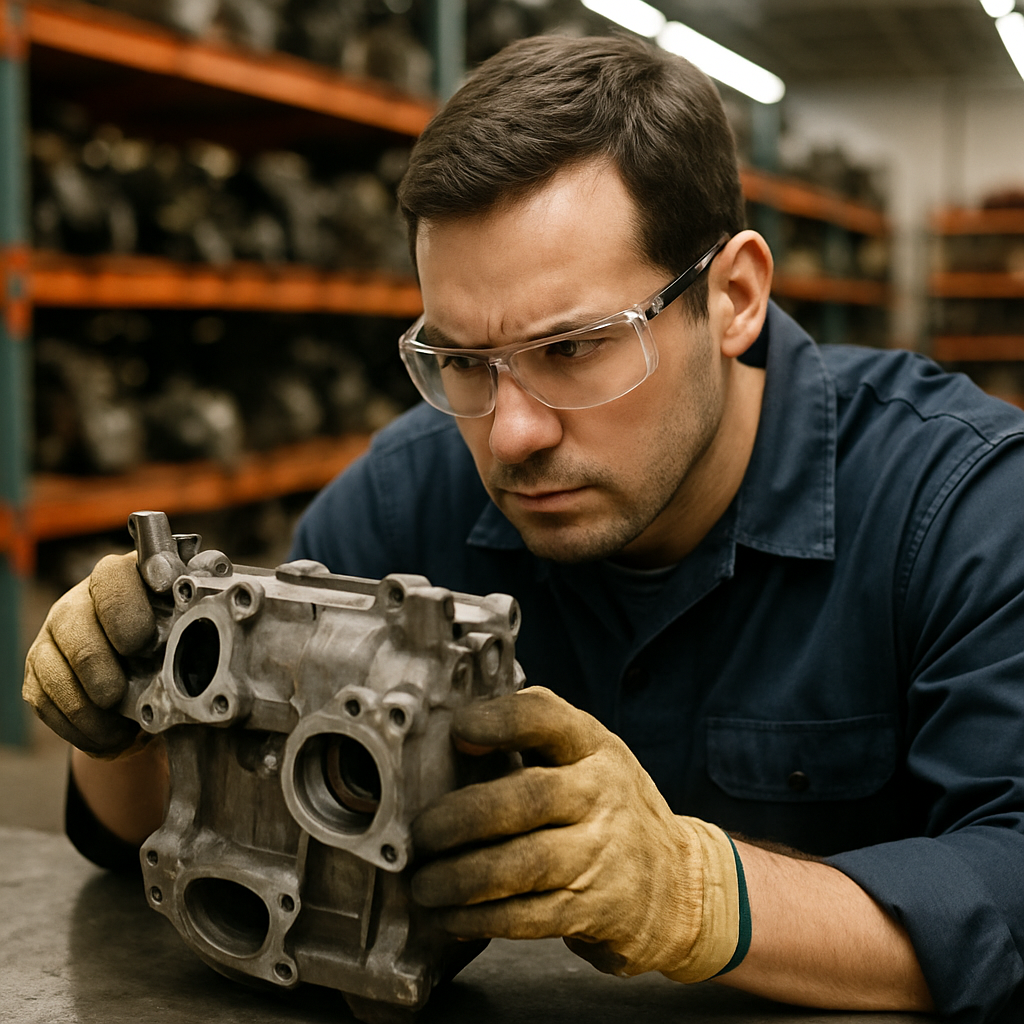
Quality control in the salvage industry is inherently tied to environmental safety. Proper reclamation protocols ensure that hazardous fluids are managed correctly while functional components are certified for a second life.
The foundation of responsible recycling starts with fluid abatement. Technicians systematically drain oils, coolants, and hydraulic fluids, preventing soil contamination. This pre-assessment phase is critical for determining if a component is fit for reuse or if it should be moved to the metal recycling stream.
Engine Performance Verification and Life Extension
Testing an engine’s performance via a dynamometer is a key step in product life extension. By verifying that a used engine meets OEM specifications, salvagers prevent the premature disposal of complex machinery. An engine that passes these tests can provide thousands of additional hours of service, saving the massive energy costs required to forge a new engine block.
Dual Inspection and Material Sorting
All salvaged components undergo a rigorous dual-stage inspection. If a part shows structural fatigue or excessive wear, it is not simply tossed aside; it is categorized for metal reclamation. This ensures that even “failed” parts contribute to the supply of recycled steel and aluminum for future manufacturing.
Evaluating Reclaimed Parts: A Sustainable Buyer’s Guide
Choosing recycled parts requires a keen eye for quality. By selecting the right salvaged components, operators ensure their repairs are both durable and environmentally sound.
- Visual Integrity: Check for casting marks and manufacturer stamps. Authentic recycled parts offer better reliability than low-quality new “aftermarket” components which may have a shorter lifespan and higher environmental cost.
- Wear Analysis: Examine gear teeth and bearing surfaces. Choosing parts with uniform wear ensures that the “recycled” life of the component matches the remaining life of your machine.
- Compatibility Verification: Use serial numbers to ensure a perfect fit. Proper fitment prevents leaks and mechanical failures that could lead to environmental hazards like oil spills.
Economic and Environmental Impact Table
Comparing salvage, remanufactured, and new parts highlights the environmental and financial benefits of recycling.
| Part Category | Cost (Approx. % of New) | Environmental Impact |
|---|---|---|
| Salvage / Recycled | 30% – 60% | Lowest: Reuses existing materials; zero manufacturing energy. |
| Remanufactured | 40% – 70% | Moderate: Reuses core components; requires some new material. |
| New (OEM) | 100% | Highest: Requires raw ore extraction and high-energy forging. |
Leading the Way in West Texas Equipment Recycling
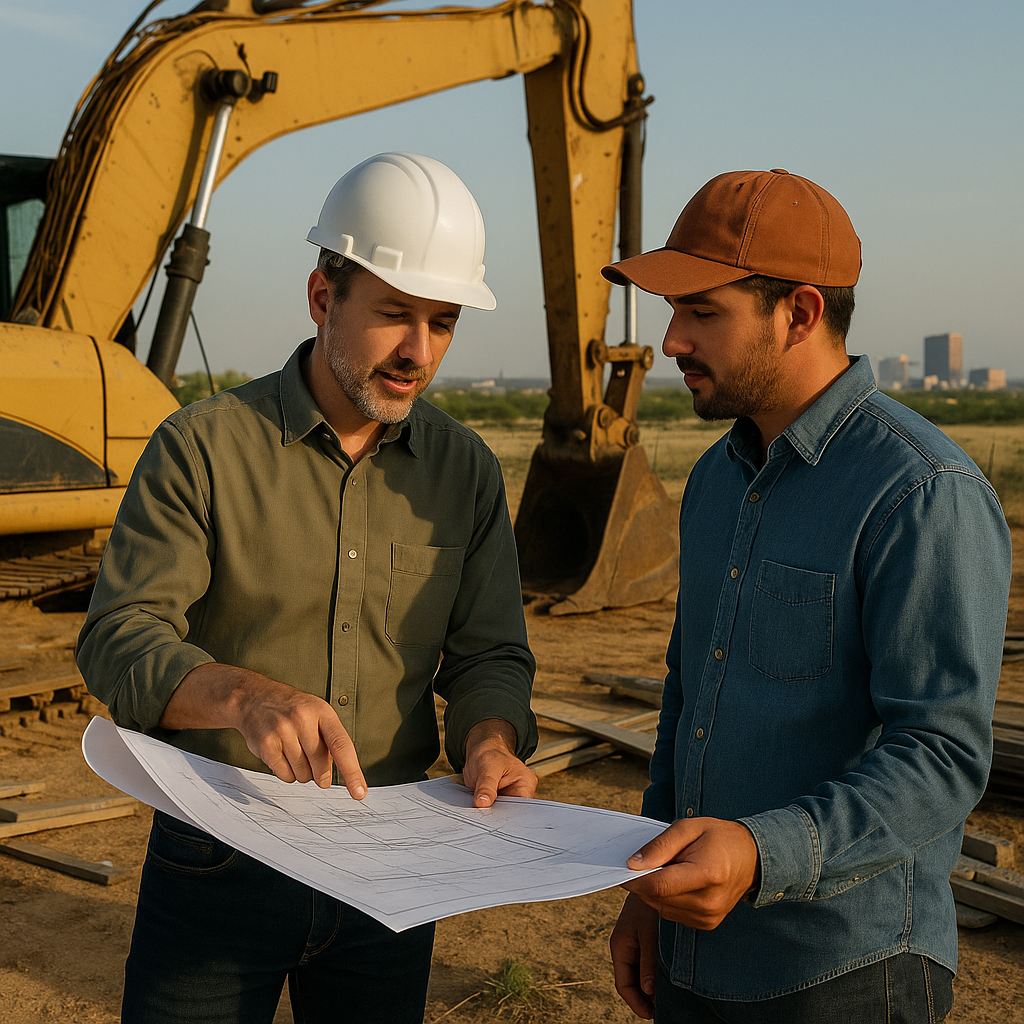
Abilene serves as a model for how the heavy equipment industry can embrace sustainability. By choosing recycled parts and local recovery services, operators keep their machines running while protecting the West Texas environment. These specialists bridge the gap between industrial necessity and ecological responsibility.
For businesses looking to implement sustainable equipment management practices—including responsible disposal, scrap metal processing, and the recycling of heavy equipment components—contact Okon Recycling at 214-717-4083. Together, we can build a more sustainable future for the Texas industrial landscape.
Send Us a Message
Questions about what we do? Interested in commercial services? Let us know below and a member of our team will get back to you.