5901 Botham Jean Blvd, Dallas, TX 75215
Why Is It Important to Properly Prepare Stainless Steel and Brass for Recycling Pickup?
April 1, 2026Turning scrap metal into cash relies on proper preparation. When you prepare stainless steel for recycling and organize brass recycling pickup accurately, you maximize your financial return from materials that might otherwise end up in landfills. Steel is among the most-recycled materials globally, while brass commands premium scrap prices due to its copper and zinc content.
Proper preparation separates ferrous metals from valuable non-ferrous metals like stainless steel and brass. This sorting process prevents contamination that significantly reduces payouts at recycling facilities. Clean, sorted materials fetch much higher scrap prices than mixed or contaminated loads. Recycling centers pay premium rates for properly prepared materials because they require less processing and yield higher-quality recycled products.
The difference between prepared and unprepared scrap metal recycling can result in substantial revenue loss. Contaminated materials often get priced at the lowest grade present in the mix. Taking the time to separate, clean, and properly prepare your stainless steel and brass ensures you receive fair market value for these valuable non-ferrous metals.
How Should You Sort Stainless Steel From Brass Before Recycling?
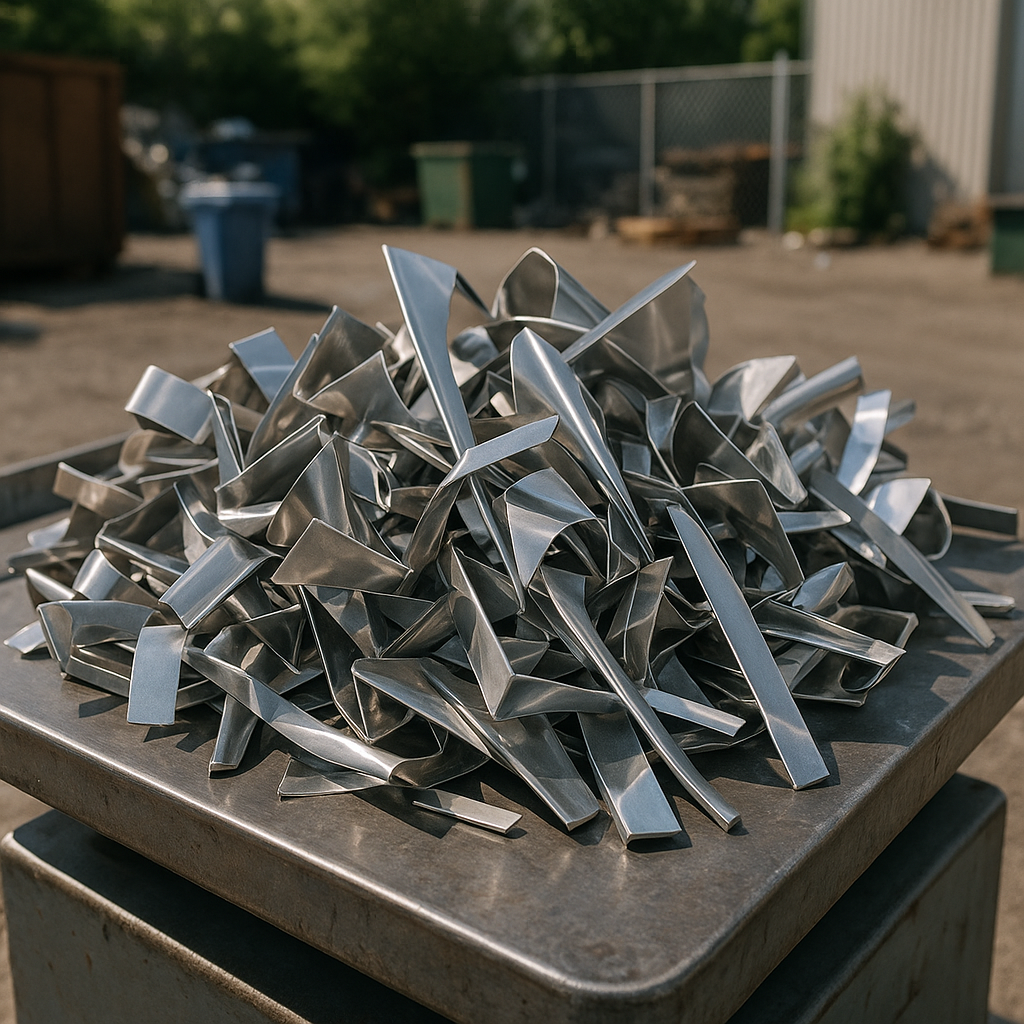
The magnet test offers a reliable starting point for sorting your scrap metals. Hold a strong magnet against each piece to determine its magnetic properties. Brass, composed of copper and zinc, is non-ferrous and will not be attracted to a magnet.
Sorting stainless steel presents more challenges. While many common grades like 304 and 316 are non-magnetic, others such as 430 are magnetic. The magnetic behavior of stainless steel depends on its chemical composition and crystal structure, particularly the presence of austenite versus ferrite.
Visual inspection can confirm your magnet test results. Brass typically appears golden or yellowish, while stainless steel is silver or gray. Over time, brass develops a green patina when exposed to moisture and air.
| Characteristic | Stainless Steel | Brass |
|---|---|---|
| Magnetic Property | Varies (300 series is non-magnetic; 400 series is magnetic) | Non-Magnetic (Non-ferrous) |
| Visual Color | Silver / Gray / Shiny | Yellow / Gold / Reddish |
| Aging / Patina | Resistant to rust (may pit) | Develops greenish patina (verdigris) |
Proper sorting directly affects your recycling revenue. Non-ferrous metals like brass often have higher scrap prices than most ferrous metals. Separating magnetic from non-magnetic stainless steel grades is also important because different grades hold different market values.
Clean separation prevents contamination between metal types. Mixed loads generally receive lower pricing because recycling facilities need extra time and resources to separate materials. Sorting beforehand ensures you receive the maximum payout for each metal type in your collection.
What Cleaning Is Required For Your Metal Recyclables?

Cleaning your metal items is essential to avoid contamination during transport and at the recycling facility. Recyclables should be clean to prevent food and liquid from spoiling an entire load, which could result in it being sent to a landfill. For items like steel food containers, ensure they are empty, rinsed, and dry.
This is a crucial part of the recycling process, which includes sorting, cutting, cleaning, and remelting. Residual food waste can contaminate a whole batch of recyclables at the Materials Recovery Facility (MRF). Contaminants such as grease and food debris disrupt the recycling process and degrade the quality of recycled materials.
Before recycling metal cans, rinse them thoroughly to remove all food residues and liquids. The simple rule is: empty, clean, and dry. This ensures your materials retain their value throughout the recycling stream.
Food containers require special attention during cleaning. Steel soup cans, vegetable cans, and similar containers must be completely emptied and rinsed. Any remaining organic matter can create contamination issues that impact entire loads of recyclables.
Clean metal commands higher prices from processors and moves faster through sorting and processing operations. Contaminated materials often face rejection or significant price cuts. In worst-case scenarios, dirty recyclables end up in landfills instead of being processed into new products.
The consequences of improper cleaning extend beyond individual items. When contaminated metals enter the waste collection system, they can compromise entire truckloads of otherwise clean materials. This contamination forces recycling facilities to divert materials to landfills, undermining sustainability goals.
For aluminum beverage cans, remove any remaining liquid and give them a quick rinse. Steel food cans require more thorough cleaning due to oils and food particles clinging to interior surfaces. Both materials should be completely dry before placement in recycling containers.
Proper cleaning also prevents odors and pests during storage and transport. Clean recyclables maintain their material integrity and ensure optimal processing conditions at recycling facilities. This attention to detail supports the entire circular economy by maintaining material quality standards.
Final Steps For Successful Metal Recycling
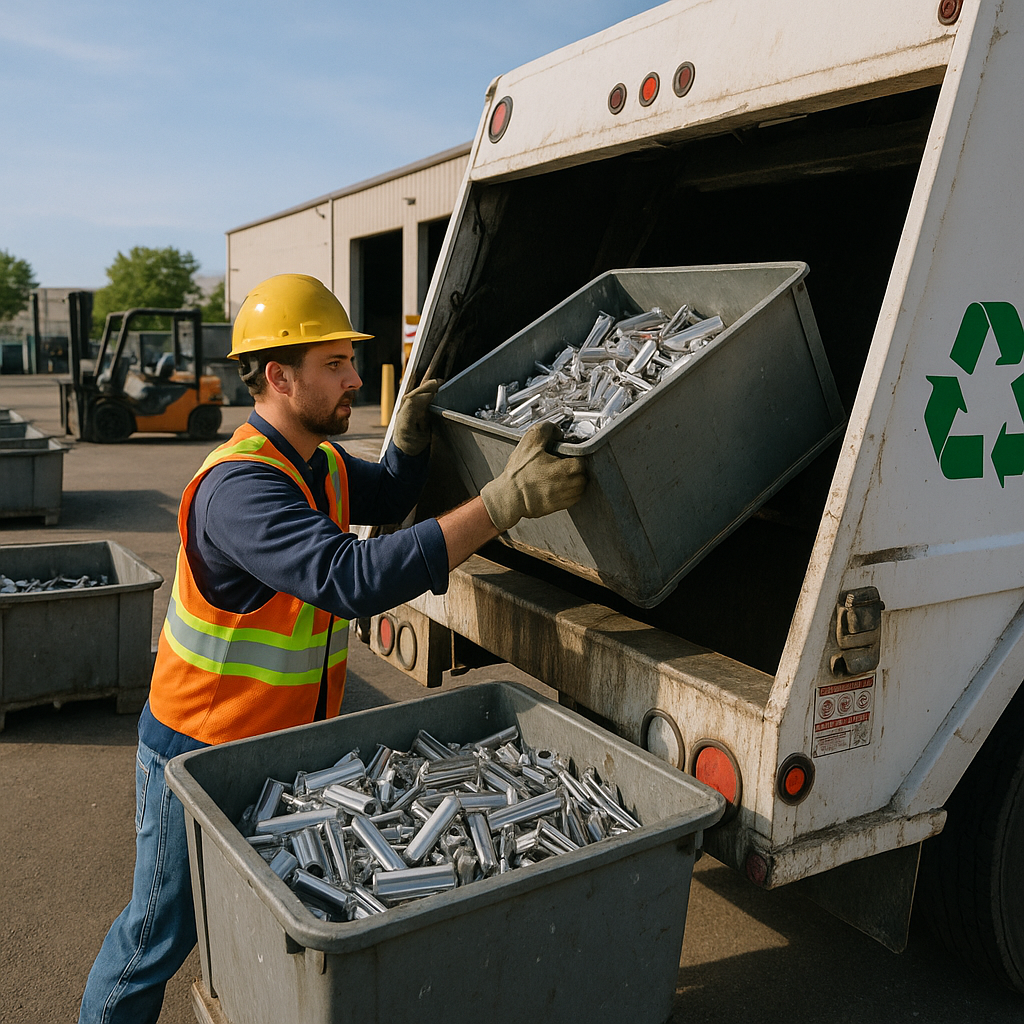
Successfully preparing stainless steel and brass for recycling collection involves two key steps: proper sorting and thorough cleaning. Separating these metals by type allows recycling facilities to process them efficiently and maximize their value. Clean metals, free from contaminants like paint, grease, or attached non-metal materials, command higher prices and reduce processing complications at materials recovery facilities.
These preparation steps significantly impact both environmental outcomes and potential returns from scrap metal efforts. For professional metal recycling services that can handle your properly sorted and cleaned materials, contact Okon Recycling at 214-717-4083.
Send Us a Message
Questions about what we do? Interested in commercial services? Let us know below and a member of our team will get back to you.