5901 Botham Jean Blvd, Dallas, TX 75215
Sell Metal Scrap Hastelloy in Texas: A Guide to Nickel-Alloy Prices and ROI
December 23, 2025Hastelloy scrap metal commands premium prices in Texas due to its high nickel content and corrosion-resistant properties. Industrial facilities across the state generate significant quantities of this high-temperature alloy through maintenance operations, equipment upgrades, and manufacturing processes. Fortunately, specialized scrap metal buyers actively purchase Hastelloy throughout Texas, providing a sustainable and profitable outlet for industrial waste.
Texas serves as a primary hub for high-temperature alloy recycling. Specialized facilities focus on buying and processing scrap Hastelloy, Inconel, Monel, and other superalloys. These recycling operations understand the inherent value of aerospace-grade and oilfield materials containing precious elements like nickel, chromium, and molybdenum.
Choosing the Best Hastelloy Scrap Buyers in Texas

Texas hosts several professional scrap processors that specialize in purchasing high-temperature alloys like Hastelloy. These recycling centers offer competitive pricing and advanced processing capabilities for various Hastelloy grades and forms. Choosing the right partner involves looking for facilities with specialized technology and a history of industrial service.
Advanced Identification Technology
Modern recycling facilities utilize X-Ray Fluorescence (XRF) scanning technology to accurately identify and price specialty alloys. This is critical because Hastelloy can often look identical to cheaper stainless steel grades. At professional recycling centers, handheld analyzers provide instant chemical breakdowns, ensuring you are paid for the exact nickel and molybdenum content in your scrap.
Industrial Scale and Logistics
Top-tier Texas recyclers are equipped to handle large-scale industrial projects. Whether you are decommissioning a chemical plant or managing daily manufacturing waste, look for a buyer that offers comprehensive logistics solutions. This includes roll-off containers, specialized hauling, and transparent weight reporting to ensure a seamless recycling process from your facility to the furnace.
What Is the Current Price for Hastelloy Scrap?
Hastelloy scrap metal pricing reflects the complex interplay of global commodity markets and local recycling demand. Current market data shows general Hastelloy scrap valued at premium rates across North American recycling facilities, though specific payouts depend heavily on the purity of the material.
Pricing varies significantly based on material form and preparation quality. Clean Hastelloy solids command the highest prices. These solid pieces require minimal processing and offer the best recovery rates for valuable elements like nickel and molybdenum.
Hastelloy shavings and turnings typically trade at slightly lower rates. This difference reflects the additional processing costs associated with contamination removal, such as cutting oils, and the density challenges faced during materials recovery operations.
Market Factors Affecting Price Fluctuations
Nickel commodity prices serve as the primary driver for Hastelloy scrap values. The London Metal Exchange (LME) nickel pricing directly correlates with recycling payouts since nickel represents the largest recoverable component in these specialized alloys.
Molybdenum and tungsten content also influence pricing structures. Hastelloy grades with higher concentrations of these elements attract premium offers. Processing facilities equipped for high-temperature separation can extract more value from complex nickel-based compositions, passing that value back to the seller.
Supply chain dynamics within the chemical processing and aerospace industries affect demand patterns. Planned maintenance shutdowns at refineries and chemical plants can temporarily increase scrap supply, while new construction projects can drive up the demand for recycled materials.
Quality Standards and Payouts
Material preparation significantly impacts final payout rates. Clean, segregated Hastelloy free from oil contamination and foreign materials receives top pricing. Mixed lots containing unknown alloy compositions typically face discounts during the assay and sorting process. Our team focuses on maximizing recovery values for industrial waste generators through precise sorting.
What Types of Hastelloy Scrap Can I Sell?
Hastelloy Solids
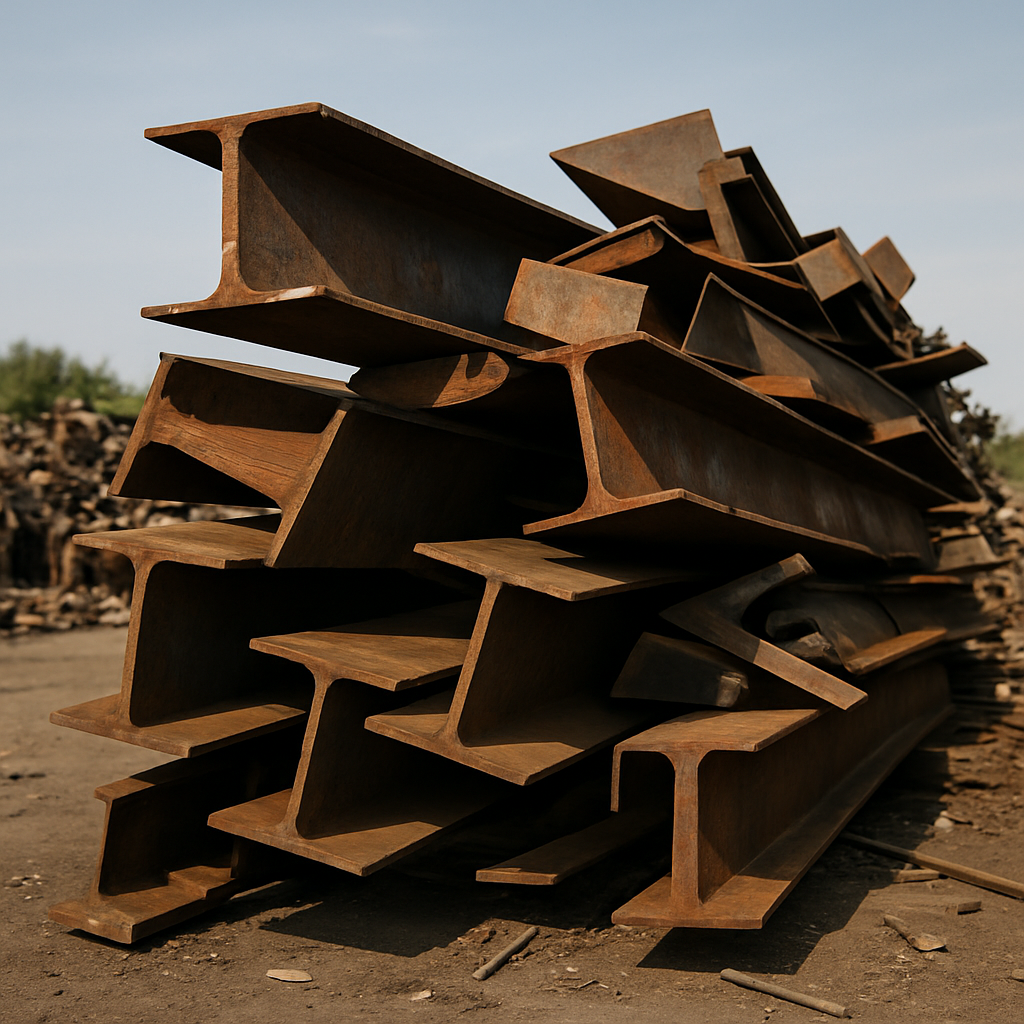
Hastelloy solids represent the most valuable form of this high-temperature alloy for recycling. These include plate sections, valve bodies, pipe fittings, and other solid components removed from industrial equipment. Solid pieces typically command higher prices because they require less processing than other forms.
Since Hastelloy contains primarily nickel with chromium and molybdenum, solid pieces are generally non-magnetic. This characteristic helps recyclers separate valuable Hastelloy from common magnetic materials during sorting. However, always use an XRF analyzer for final verification, as some specialty grades may exhibit slight magnetic properties depending on their cold-worked state.
Hastelloy Shavings and Turnings
Machine shops and manufacturing facilities generate significant quantities of Hastelloy shavings during machining operations. These include turnings, chips, and filings created when cutting or shaping Hastelloy components. While valuable, shavings typically receive lower prices per pound than solid forms due to their high surface area and potential for contamination.
The processing requirements for shavings create a price differential. Contamination from cutting oils, coolants, and other machining fluids reduces recovery efficiency. We recommend centrifugal spinning or cleaning shavings to remove excessive oils before selling to maximize your returns.
Mixed Hastelloy Components
Many sellers have mixed lots containing various Hastelloy forms and potentially different alloy grades. These collections might include fasteners, small components, bar ends, and miscellaneous parts from equipment maintenance or demolition projects. Specialized processors handle mixed collections but must apply sorting and verification protocols to ensure the melt chemistry is correct.
Industrial Applications: Where Hastelloy Scrap Originates
Understanding where Hastelloy is used can help industrial managers identify potential revenue streams within their own waste management programs. Because of its incredible resistance to heat and corrosion, it is found in the most demanding environments on Earth.
Chemical and Petrochemical Processing
The chemical industry is the largest generator of Hastelloy scrap. Reactors, heat exchangers, and piping systems used to handle highly corrosive acids—such as sulfuric and hydrochloric acid—are frequently fabricated from Hastelloy C-276 or C-22. During facility turnarounds or equipment upgrades, these components become high-value scrap assets.
Aerospace and Power Generation
In the aerospace sector, Hastelloy is utilized in gas turbine engine components, including combustion liners and transition ducts. Its ability to maintain structural integrity at extreme temperatures makes it indispensable. Similarly, land-based power turbines and nuclear reactors often utilize Hastelloy components that eventually require replacement and recycling.
Waste Treatment and Marine Engineering
Environmental control systems, such as flue gas desulfurization (FGD) units in power plants, rely on Hastelloy to combat acidic vapors. In marine environments, Hastelloy is used for specialized valves and pumps that must withstand constant exposure to saltwater and high-pressure conditions. All of these components represent significant value when they reach the end of their service life.
Maximizing Your Recycling Revenue: Best Practices
To ensure your organization receives the highest possible compensation for its specialty metals, follow these industry-standard best practices for scrap management.
Source Segregation
The single most effective way to increase the value of your Hastelloy scrap is to keep it separate from other metals. Mixing Hastelloy with stainless steel or other nickel alloys reduces its value to the “lowest common denominator” of the mixture. Implement color-coded bins and clear labeling in your machine shop or maintenance area to prevent cross-contamination.
Cleaning and Preparation
Scrap that is “furnace-ready” always commands a premium. This means removing gaskets, plastic handles, or insulation from Hastelloy pipes and valves. If your facility generates turnings, utilizing a chip wringer to remove excess fluids will not only increase the price per pound but also reduce the weight-based shipping costs associated with hauling useless liquids.
Regular Assay and Documentation
Maintain records of mill test reports (MTRs) for the materials you use. Providing documentation that proves the grade of Hastelloy (e.g., Grade X vs. Grade C-276) gives the buyer confidence and can lead to faster payouts. If documentation isn’t available, ensure your buyer uses calibrated XRF technology to verify the material in your presence.
What Other Scrap Metals Are Purchased Alongside Hastelloy?
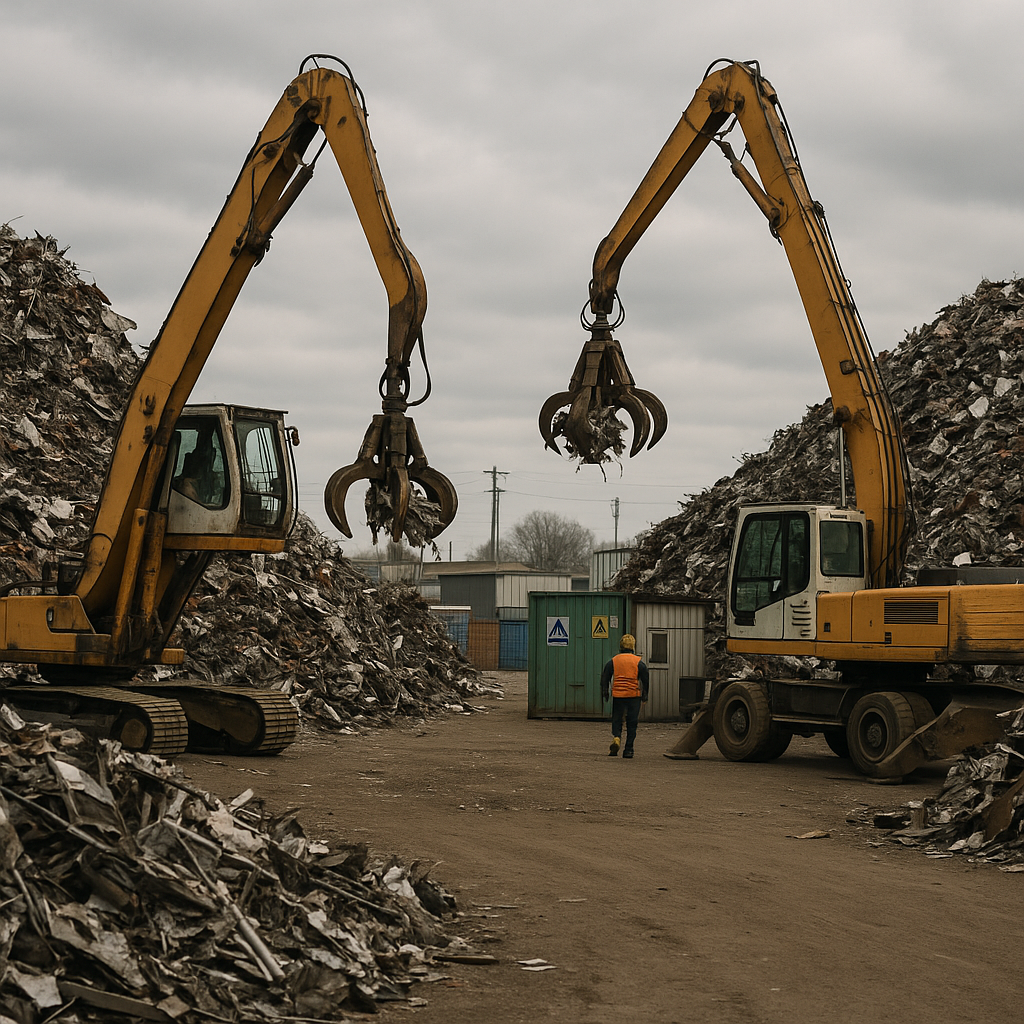
Scrap metal buyers specializing in Hastelloy typically maintain extensive purchasing programs for other high-value alloys and industrial metals. These facilities invest in specialized testing equipment and processing capabilities, making them ideal destinations for a broad spectrum of materials beyond Hastelloy grades.
High-Temperature Superalloys
The same facilities that process Hastelloy commonly purchase other premium superalloys used in demanding industrial applications. These materials have similar processing requirements and market channels.
- Inconel alloys – Including grades like 600, 625, and 718 used in aerospace.
- Monel grades – Nickel-copper alloys prized for marine and chemical applications.
- Rene scrap – Advanced superalloys from gas turbine applications.
- Waspaloy – High-temperature alloy used in jet engine components.
- Haynes alloys – Similar corrosion-resistant properties to Hastelloy.
Refractory and Industrial Metals
Buyers typically expand their purchasing programs to include other rare earth metals and refractory materials requiring specialized handling. These materials often originate from similar industrial sources.
- Titanium – Both commercial pure and alloyed grades from aerospace and medical applications.
- Tungsten Carbide – Cutting tools, wear parts, and mining equipment components.
- Tantalum – Electronic components and chemical processing equipment.
- Molybdenum – High-temperature applications and steel alloying.
- Cobalt – Superalloy components and battery materials.
Common Non-Ferrous Metals
Most specialized alloy buyers also maintain programs for standard non-ferrous metals to provide comprehensive service to their industrial customers. This allows generators to consolidate their scrap management with a single partner, reducing logistics costs and simplifying vendor management.
Conclusion: Get the Best Price for Your Hastelloy Scrap
Successfully selling Hastelloy scrap in Texas requires finding specialized scrap metal buyers who understand high-temperature alloys and can offer top market value for your materials. Focus on facilities that specifically handle aerospace and industrial-grade metals and possess the technology to verify your alloy’s chemistry. Pricing factors include the form of your scrap, cleanliness of the material, and current LME nickel rates.
To effectively turn scrap into cash, contact a professional recycler directly for current quotes and be prepared to provide details about your material’s condition and quantity. Professional recycling services can help you manage market fluctuations to ensure you receive competitive pricing for your valuable Hastelloy scrap. For expert recycling solutions and competitive pricing, contact Okon Recycling at 214-717-4083.
Send Us a Message
Questions about what we do? Interested in commercial services? Let us know below and a member of our team will get back to you.