5901 Botham Jean Blvd, Dallas, TX 75215
What Should You Know Before You Sell Manganese Steel Scrap?
December 15, 2025The worn mining equipment or discarded construction machinery at your facility represents more than just old metal. It could contain manganese steel scrap, one of the most valuable materials in the recycling industry. This specialized alloy commands premium prices due to its unique properties and widespread industrial demand.
Manganese steel scrap, commonly known as mangalloy, contains approximately 12% manganese content and offers exceptional hardness, abrasion resistance, and impact tolerance. These properties make it essential for mining operations, construction projects, and manufacturing facilities worldwide. The material’s ability to withstand extreme conditions means that it maintains its structural integrity even after years of heavy use.
Recognizing the value of your manganese steel scrap can significantly enhance your recycling returns. Industries actively seek this high-demand scrap material for melting and industrial reuse, creating consistent market opportunities. Before you sell, knowing how to identify mangalloy and maximize its value ensures you receive fair compensation for this valuable scrap material.
What Are the Key Specifications of Scrap Manganese Steel?
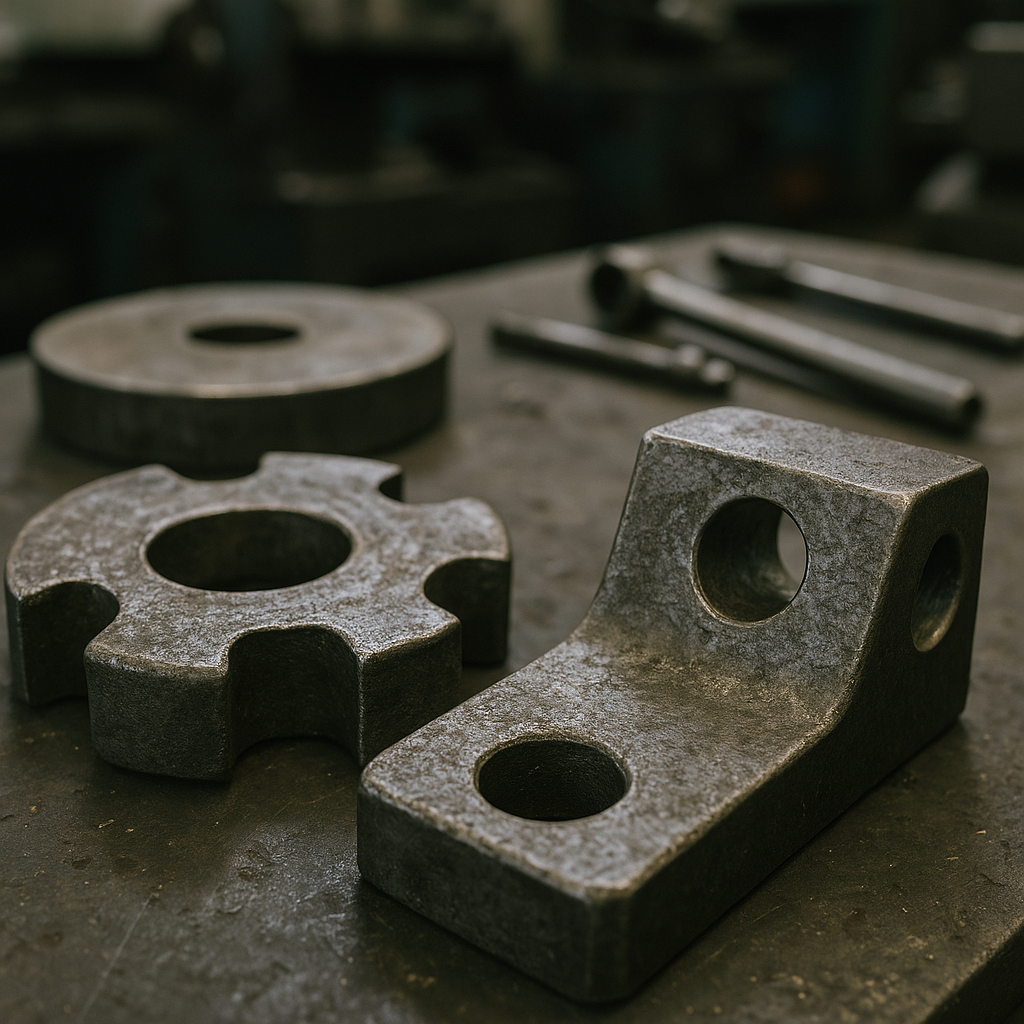
Manganese steel scrap is one of the most valuable industrial materials in the recycling market. Understanding its specifications helps ensure proper identification and maximize recovery value.
The material, classified as mangalloy, contains 12-14% manganese content by weight. This high manganese concentration sets it apart from standard carbon steels and contributes to its exceptional work-hardening properties.
Chemical Composition Requirements
Scrap manganese steel must meet specific compositional standards to qualify for premium recycling rates. Manganese content typically ranges between 12-14%, though some applications may have up to 18% manganese.
Carbon content usually ranges from 1.0-1.25%, providing necessary hardness for high-impact applications. Silicon content remains below 1.0%, while sulfur and phosphorus levels stay under 0.05% each to maintain material integrity.
Additional alloying elements like chromium and nickel may be present in smaller quantities. These elements enhance specific properties but don’t usually affect the material’s classification as manganese steel scrap.
Physical Condition Standards
Industrial scrap manganese steel arrives in various forms, from whole components to processed fragments. We accept material that shows minimal surface corrosion and maintains structural integrity.
The scrap should be in melt-ready condition, meaning it can be processed directly without extensive preparation. Heavy rust, oil contamination, or non-metallic attachments may affect processing efficiency and value.
Size specifications vary based on processing capabilities. Most facilities can handle pieces ranging from small fragments to large structural components weighing several hundred pounds.
Source Applications and Identification
High-wear applications generate the majority of manganese steel scrap. Mining components, quarry equipment, rock crushers, impact surfaces, and wear plates are common sources.
Railway industry components, including switch points and crossing frogs, provide significant volumes of manganese steel scrap. Construction and demolition equipment parts also contribute substantial quantities.
The material’s unique properties make it easily identifiable through simple field tests. Manganese steel typically exhibits non-magnetic characteristics and distinctive work-hardening behavior under impact.
Quality and Specification Standards
| Specification | Requirements |
|---|---|
| Manganese | 12-14% |
| Carbon | 1.0-1.25% |
| Silicon | < 1.0% |
| Sulfur and Phosphorus | < 0.05% each |
| Additional Alloying Elements | Possible small quantities of Chromium and Nickel |
| Physical Condition | Melt-ready, minimal surface corrosion, maintains structural integrity |
| Size Specifications | Varied; from small fragments to large components |
| Common Sources | Mining and quarry equipment, rock crushers, railway industry components |
| Quality Evaluation | Based on composition verification and contamination levels |
Material quality directly impacts processing efficiency and final product value. We evaluate each shipment based on composition verification, contamination levels, and overall condition.
ISRI specifications provide industry-standard guidelines for manganese steel scrap classification. These standards ensure consistent quality and fair pricing across the recycling market.
Documentation requirements may include material certifications, source identification, and composition analysis. Proper documentation streamlines processing and helps maintain traceability throughout the recycling chain.
Processing and Preparation Guidelines
Reusable material condition allows for immediate melting without extensive preprocessing. This classification provides the highest value and most efficient processing path.
Material preparation involves removing obvious contaminants like rubber, plastic, or wood attachments. Magnetic separation helps eliminate ferrous contamination that could affect final product quality.
Size reduction may be necessary for optimal furnace charging. Our processing capabilities accommodate various input sizes while maintaining material integrity and composition.
How Can You Identify Manganese Steel Scrap in Your Facility?
Accurate identification of manganese steel scrap is essential for maximizing recycling returns. This specialized alloy requires specific testing methods to distinguish it from ordinary steel and other ferrous materials. Understanding identification techniques helps facility managers and procurement officers recognize valuable material that might otherwise be sold at standard scrap rates.
Visual Inspection Methods
Begin identification with visual examination of the material’s surface characteristics. Manganese steel typically displays a distinctive silvery-gray appearance when freshly cut or ground. The surface often shows fine-grained texture different from the coarser grain structure of carbon steel.
Look for work-hardened surface layers on used components. Manganese steel develops an extremely hard surface layer when subjected to impact or abrasion during service. This work-hardened zone appears shinier and more polished than the underlying material, creating a characteristic two-tone appearance on worn surfaces.
Check for casting marks or manufacturer stamps. Many manganese steel components display “Mn Steel,” “Mangalloy,” or percentage markings like “12% Mn” cast directly into the part. Railway frogs, crusher jaws, and excavator bucket teeth often bear these identifying marks.
Magnetic Testing
The magnetic test provides the quickest field identification method for manganese steel. Unlike standard carbon steel, properly heat-treated manganese steel exhibits non-magnetic or weakly magnetic properties. Use a strong permanent magnet to test suspected manganese steel pieces.
Carbon steel attracts magnets strongly, while manganese steel shows little to no magnetic attraction. This non-magnetic characteristic results from the material’s austenitic crystal structure, which forms during proper heat treatment. However, note that cold-worked areas may show slight magnetic response due to partial transformation of the austenitic structure.
Compare the magnetic response of suspected manganese steel against known carbon steel samples. The dramatic difference in magnetic attraction provides immediate confirmation of manganese steel composition without requiring laboratory analysis.
Hardness and Impact Testing
Manganese steel displays unique hardness characteristics that aid identification. The surface hardness increases dramatically under impact or abrasion, a phenomenon called work hardening. Strike the material with a hammer to observe this behavior.
Fresh manganese steel surfaces show moderate hardness, typically around 200 Brinell Hardness Number (BHN). After impact, the surface layer can reach 500 BHN or higher. This dramatic hardness increase distinguishes manganese steel from other alloys that don’t exhibit such pronounced work-hardening behavior.
Grinding tests reveal additional identification clues. Manganese steel produces bright orange-white sparks when ground, with characteristic star-shaped burst patterns. The spark stream appears shorter and less voluminous compared to carbon steel, with fewer branching sparklets.
Common Equipment Sources
Knowing where manganese steel commonly appears helps target identification efforts. Mining equipment provides the largest source, including crusher jaws, cone crusher mantles and bowls, impact crusher blow bars, and screen decks.
Railway infrastructure components almost universally use manganese steel. Switch points, crossing frogs, track crossings, and rail joints rely on mangalloy’s wear resistance. Demolition of old railway infrastructure often yields substantial quantities of high-grade manganese steel scrap.
Construction and earthmoving equipment incorporate manganese steel in high-wear areas. Excavator bucket teeth, loader bucket edges, bulldozer cutting edges, and ripper shanks typically use mangalloy. Dredging equipment components, including cutter teeth and wear plates, also commonly contain manganese steel.
Industrial processing equipment uses manganese steel in wear-critical applications. Cement plant components, steel mill equipment, and rock processing machinery incorporate mangalloy parts. Look for manganese steel in grinding media, mill liners, chute liners, and impact plates.
Laboratory Verification Methods
For high-value or questionable materials, laboratory analysis provides definitive identification. X-ray fluorescence (XRF) analyzers offer rapid, non-destructive composition analysis. Portable XRF units can be brought to your facility for on-site testing of large quantities.
Chemical analysis through spectroscopy determines exact manganese, carbon, and alloying element percentages. This precision ensures materials meet specification requirements for premium pricing tiers. Most recycling facilities offer testing services as part of their procurement process.
Metallographic examination reveals the material’s microstructure. Laboratory preparation involves sectioning, polishing, and etching samples to expose the internal grain structure. Austenitic crystal structure confirms proper manganese steel composition and heat treatment.
Why Is Handling Manganese Steel Scrap a Challenge?
Manganese steel scrap presents unique handling challenges that distinguish it from standard ferrous materials. The primary obstacle for scrap processors and recycling facilities is the material’s non-magnetic properties. While most steel scrap can be efficiently moved using magnetic separation systems, manganese steel remains unaffected by standard industrial magnets.
Because of this non-magnetic characteristic, recycling operations must rely on specialized mechanical equipment for material handling. Grapple attachments are essential for picking up and loading manganese steel scrap. Mechanical loaders with claws or other gripping mechanisms must replace the magnetic systems commonly used in the scrap processing industry.
This equipment requirement significantly impacts the logistics of picking up and transporting end-of-life equipment containing manganese components. Standard scrap yards often struggle with efficient loading processes for this valuable scrap material. Since electromagnetic cranes or magnetic separators cannot be used, operators must manually position mechanical loaders for each piece.
Processing facilities face operational challenges beyond basic material handling. Traditional magnetic separation techniques, effective for distinguishing ferrous metals from other materials, cannot separate manganese steel from non-ferrous scrap streams. This limitation necessitates additional sorting steps and more labor-intensive methods to properly categorize and prepare the material for recycling.
What Factors Influence Manganese Steel Scrap Pricing?
Understanding the factors that determine manganese steel scrap pricing helps sellers negotiate better rates and time their sales strategically. Unlike standard scrap steel, which trades at relatively predictable commodity rates, manganese steel pricing involves multiple variables that create significant price variation.
Manganese Content and Alloy Composition
The percentage of manganese directly impacts scrap value. Standard mangalloy containing 12-14% manganese commands premium prices, while lower manganese grades receive proportionally reduced rates. Material with verified 13-14% manganese content typically achieves the highest market prices.
Additional alloying elements affect value differently depending on end-user requirements. Chromium additions can increase value for certain applications, while excessive silicon or phosphorus content may reduce prices. Buyers often request composition analysis to determine exact alloy percentages before finalizing pricing.
Carbon content influences both pricing and processing requirements. The standard 1.0-1.25% carbon range is ideal for most remelting applications. Higher carbon content may require additional refining, potentially reducing the offered price despite meeting manganese specifications.
Material Cleanliness and Contamination
Clean, uncontaminated manganese steel scrap commands premium pricing. Material free from oil, grease, paint, and non-metallic attachments processes most efficiently and delivers the highest value. Contamination with rubber, plastic, or wood components requires additional processing and reduces offered prices.
Ferrous steel contamination presents particular challenges. Even small percentages of carbon steel mixed with manganese steel batches can affect final product quality. Buyers discount prices for mixed loads or may require manual sorting before purchase, adding costs that reduce net returns.
Surface rust and oxidation have minimal impact on pricing if the underlying material remains sound. Heavy scale formation may reduce weight measurements slightly, but properly heat-treated manganese steel maintains its core value even with surface corrosion. Severe corrosion that compromises structural integrity does affect pricing negatively.
Market Demand and Global Supply Dynamics
Global mining activity directly influences manganese steel scrap demand. Increased mining operations create higher demand for replacement crusher parts, excavator components, and processing equipment. This increased demand for finished manganese steel products drives up scrap prices as manufacturers seek raw materials.
Construction industry cycles affect pricing through similar demand patterns. Major infrastructure projects require substantial quantities of earthmoving equipment, creating markets for both new and remanufactured manganese steel components. Economic downturns that reduce construction activity typically depress scrap prices.
International trade policies and tariffs can create significant price fluctuations. Export restrictions in manganese-producing countries affect raw material availability, potentially increasing scrap value as manufacturers seek alternative supply sources. Currency exchange rates also impact international scrap prices for materials crossing borders.
Size, Form, and Processing Requirements
Large, intact components often receive higher per-pound pricing than fragmented material. Whole crusher jaws, railway frogs, or excavator teeth retain more value because buyers can inspect quality more easily and some components may have remanufacturing potential beyond simple scrap value.
Pre-processed material cut to furnace-ready sizes commands premium prices. Material already sized for optimal melting requires less processing by the buyer, reducing their costs and allowing higher purchase prices. Extremely large pieces that require cutting before processing may receive reduced rates.
Material form affects handling costs and pricing. Loose fragments and small pieces require containerized shipping and specialized handling equipment. Large, heavy castings ship more efficiently but require appropriate lifting equipment. Transportation and handling costs factor into final pricing calculations.
Volume and Consistency of Supply
Large-volume sales typically achieve better per-ton pricing than small quantities. Buyers can justify better rates for truckload or container-load quantities because transaction costs and logistics expenses are spread across larger volumes. Minimum quantity requirements may apply for premium pricing tiers.
Consistent, ongoing supply relationships often result in preferential pricing. Buyers value reliable suppliers who can provide regular material flows, allowing better production planning and reduced procurement costs. Long-term supply agreements may include premium pricing provisions for dependable sources.
Spot market versus contract pricing creates different value opportunities. Immediate sales during high-demand periods can capture peak pricing, while long-term contracts provide price stability and guaranteed outlets. Strategic sellers balance both approaches based on their material generation patterns and market conditions.
How Do You Find a Reliable Buyer and What Services Should They Offer?

Selecting the right manganese steel scrap buyer requires careful evaluation of their experience and service capabilities. Established buyers with proven track records in scrap metal recycling understand the unique challenges of manganese steel handling. They maintain strong relationships with end users and can navigate market fluctuations to secure competitive prices.
Experienced manganese steel scrap buyers should demonstrate expertise in handling non-magnetic materials. Unlike regular ferrous scrap, manganese steel cannot be loaded using magnets. Reliable partners use specialized equipment like grapples and mechanical loaders for proper material handling.
Quality buyers provide comprehensive pricing transparency. They offer competitive rates based on current market conditions and material composition. Look for partners who provide upfront pricing without hidden fees or unexpected deductions during the transaction process.
Documentation support sets professional scrap brokers apart from basic buyers. Reliable partners handle all necessary paperwork, including inspection certificates, material composition reports, and compliance documentation. This service is particularly valuable for businesses managing multiple material grades or complex regulatory requirements.
Logistics coordination is a critical service. Professional buyers arrange pickup and transportation using appropriate equipment for manganese steel’s weight and handling requirements. They coordinate scheduling to minimize disruption to your operations while ensuring safe material transport.
For businesses with export opportunities, overseas export capabilities are essential. Top-tier buyers manage the entire export process, from securing international buyers to arranging steamship container loading. They handle export documentation, customs procedures, and international shipping logistics.
Payment terms and processing speed indicate buyer reliability. Established partners offer prompt payment processing and clear settlement terms. Some provide upfront payments for larger containerized loads, improving cash flow for suppliers.
Technical expertise in material grading ensures accurate pricing and proper material classification. Knowledgeable buyers understand manganese steel specifications, including the 12-14% manganese content typical in mangalloy. This expertise helps maximize material value through proper sorting and grading.
Conclusion: Securing a Smooth and Profitable Sale
Selling manganese steel scrap can be straightforward and profitable with the right partners. Given its value and handling challenges, a reliable buyer or exporter is crucial. They provide the necessary equipment, manage logistics, and ensure you receive the appropriate quantity, documentation, and pricing for a successful transaction.
Professional scrap metal exporters understand the unique properties of manganese steel and its importance in the circular economy. They handle specialized equipment for non-magnetic materials, manage supply chain complexities, and secure competitive pricing aligned with market conditions. For businesses aiming to maximize returns on industrial scrap while ensuring proper handling and documentation, contact Okon Recycling at 214-717-4083 for expert recycling solutions.
Send Us a Message
Questions about what we do? Interested in commercial services? Let us know below and a member of our team will get back to you.