5901 Botham Jean Blvd, Dallas, TX 75215
Exploring Options for Recycling Factory Aluminum Scrap in Fort Worth
January 30, 2026Manufacturing facilities across Fort Worth generate substantial volumes of aluminum scrap daily. These materials represent significant revenue potential when managed through proper industrial recycling channels. In 2026, as North Texas continues its trajectory as a global manufacturing hub, Fort Worth’s industrial sector relies on specialized metal recycling partners who understand the technical and logistical needs of high-volume factory operations.
Professional recycling facilities operate throughout the Fort Worth area, purchasing various ferrous and non-ferrous metals from industrial sources. Leading industrial recyclers in North Texas have maintained dedicated services for manufacturing scrap management for decades, providing the infrastructure necessary to turn production waste into a strategic financial asset. These comprehensive aluminum recycling programs are designed specifically for the rigorous demands of industrial accounts.
What Types of Industrial Scrap Metal Are Accepted?
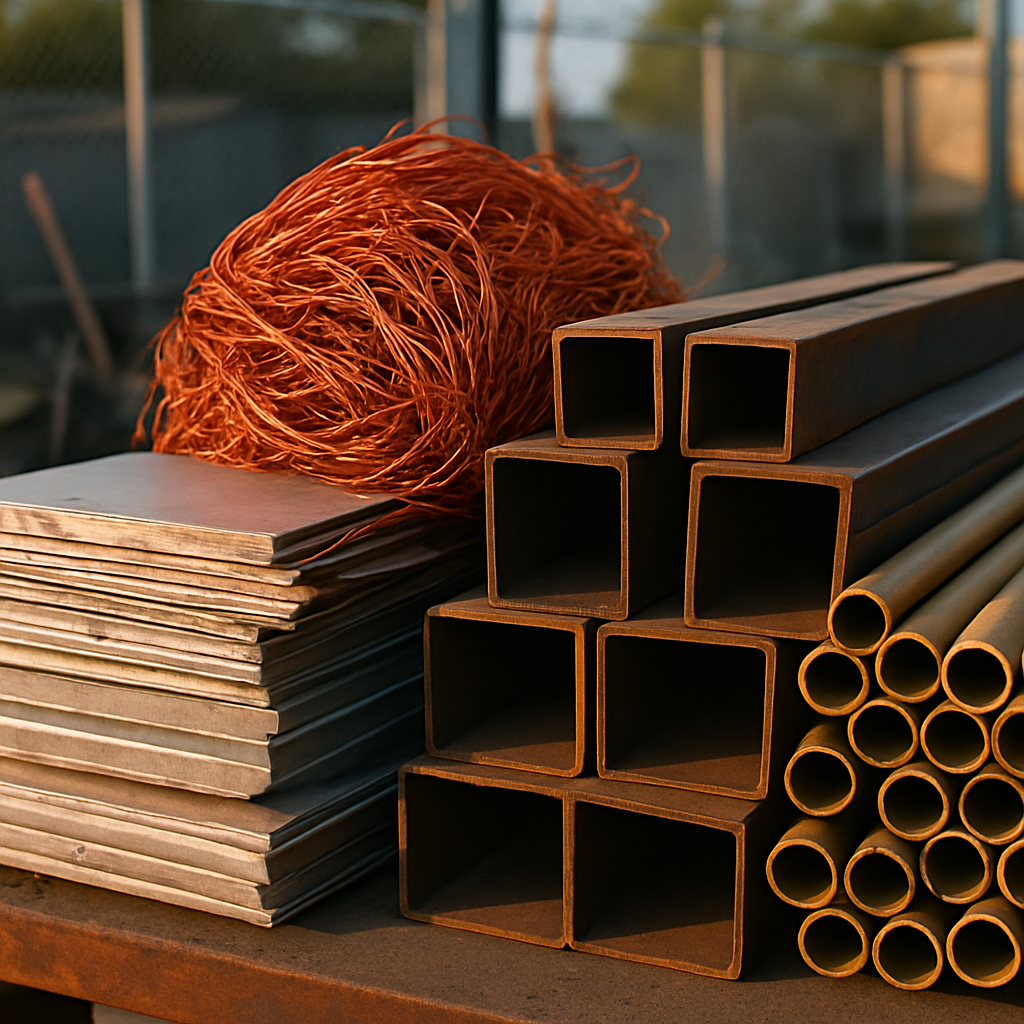
Fort Worth recycling centers accept comprehensive categories of both ferrous and non-ferrous metals from industrial operations. These facilities process materials ranging from basic structural metals to specialized aerospace alloys and fabrication byproducts. Understanding which materials qualify for recycling helps industrial clients maximize their recovery value while supporting sustainable waste management practices.
Ferrous metal acceptance
Iron and steel products form the backbone of ferrous metal recycling in Fort Worth. Cast iron components, structural steel beams, and prepared steel materials receive consistent acceptance across local centers. Many facilities distinguish between “prepared” and “unprepared” ferrous materials, with prepared metals—those cut to specific mill dimensions—commanding higher pricing due to reduced processing requirements. Steel varieties include both carbon and alloy steel from manufacturing operations, including shredded steel, tin-coated materials, and steel turnings from machining processes.
Non-ferrous metal categories
Aluminum represents a major category with multiple accepted forms, including sheet aluminum, cast aluminum, and aluminum extrusions. Aluminum shavings and turnings from fabrication processes receive processing through specialized sorting equipment like eddy current separators. Clean aluminum wheels, siding materials, and high-performance structural components maintain strong market demand among North Texas recyclers.
Copper materials command premium pricing across all local facilities. Bare bright copper, insulated copper wire, and copper tubing from industrial applications receive immediate acceptance. Additionally, brass and bronze alloys from industrial molds, fittings, and machinery components qualify for recovery. Red brass and yellow brass materials receive separate classification based on copper-zinc composition percentages to ensure accurate market valuation.
Industrial fabrication and specialty items
Metal shavings and turnings from machining operations receive acceptance at specialized Fort Worth facilities. These byproducts require proper containment and sorting to prevent oil contamination during transport. Industrial molds made from various alloys also qualify for recycling programs. Cast iron molds, aluminum tooling, and steel forming dies receive evaluation based on material composition. Furthermore, stainless steel materials—specifically Grade 304 and 316—command different pricing structures based on nickel content, making it vital for factories to segregate these from regular carbon steel.
Advanced Sorting Technology and Metallurgical Accuracy in 2026
The industrial recycling landscape in Fort Worth has undergone a technological revolution to meet the precision requirements of 2026 manufacturing. Professional recycling partners now utilize science-driven methods to ensure that every pound of high-performance alloy is identified and priced correctly.
XRF and LIBS alloy verification
Modern recycling facilities utilize handheld X-ray fluorescence (XRF) and Laser-Induced Breakdown Spectroscopy (LIBS) to provide instant chemical breakdowns of metal samples. For a Fort Worth manufacturer producing aerospace or defense components, this technology is vital. It allows the recycler to distinguish between different series of aluminum or nickel alloys that appear identical to the naked eye. This precision ensures that high-value materials are not “downgraded” to lower-priced scrap categories, directly increasing the manufacturer’s revenue and providing a verifiable audit trail for corporate finance teams.
AI-driven optical sorting
Automation has reached the sorting floor, where AI-powered robotic arms and optical sensors can separate commingled metals with nearly 100 percent accuracy. These systems can identify aluminum, copper, and brass at high speeds, removing human error from the sorting process. For facilities generating mixed metal turnings or complex electronic scrap, this technology ensures that every ounce of recoverable material is captured and returned to the supply chain. This high-purity output is essential for the production of “Green Aluminum” and other sustainably made metals that are in high demand in the current market.
Industrial Logistics: Container Solutions and Site Management
Efficiency in industrial recycling is driven by logistics. For Fort Worth manufacturing and construction sites, having the right equipment and a reliable pickup schedule is vital for maintaining a clean production floor and a safe work environment.
Roll-off and specialized bin programs
Industrial recycling partners provide a wide array of container solutions tailored to specific project needs. From 10-yard hoppers for machine shops to 40-yard roll-off containers for large-scale demolition sites, having the correct bin prevents overflow and reduces the number of truck trips required. Professional recyclers offer both scheduled and on-call pickups, ensuring that scrap never interferes with daily operations. Many facilities now use digital monitoring systems to track bin levels, allowing for “just-in-time” logistics that minimize transportation costs and carbon emissions.
On-site processing and de-manufacturing
For high-volume projects, on-site processing can significantly increase efficiency. Mobile shears and balers allow for the volume reduction and cleaning of scrap metal directly at the factory or job site. This is especially valuable during major plant retrofits or the decommissioning of large industrial machinery. By de-manufacturing equipment on-site, businesses can separate high-value copper and aluminum from heavy steel, maximizing the recovery rate and providing immediate liquidity for the project budget.
Which Recycling Facilities in Fort Worth Handle Industrial Accounts?
Fort Worth hosts several specialized recycling facilities that cater specifically to industrial and commercial scrap metal accounts. These facilities offer tailored services designed to meet the unique needs of manufacturing companies, contractors, and large-scale operations. Each facility brings distinct advantages in terms of processing capabilities and specialized logistics.
Major privately owned metal recycling companies in the region have built international operations that ship recycled metals worldwide. These companies serve industrial manufacturing firms that generate scrap metal through fabrication processes, handling everything from metal shavings to turnings and heavy molds. Extensive fleets of trucks and modern machinery ensure efficient collection for high-volume accounts.
Some facilities distinguish themselves through unique indoor operations and specialized approaches to industrial scrap management. These facilities offer managed scrap services that include proper grade separation and documentation to maximize value. Indoor operations are particularly beneficial in the North Texas climate, as they eliminate weather-related delays and provide a cleaner environment for processing sensitive electronic scrap or non-ferrous materials.
Selecting the right partner depends on specific requirements, including material types, volume, and documentation needs. While many facilities offer competitive pricing, their unique strengths in areas like international shipping or aerospace-grade aluminum specialization can make one more suitable than others for your particular industrial recycling needs.
What Should Factories Know Before Selling Scrap Metal?
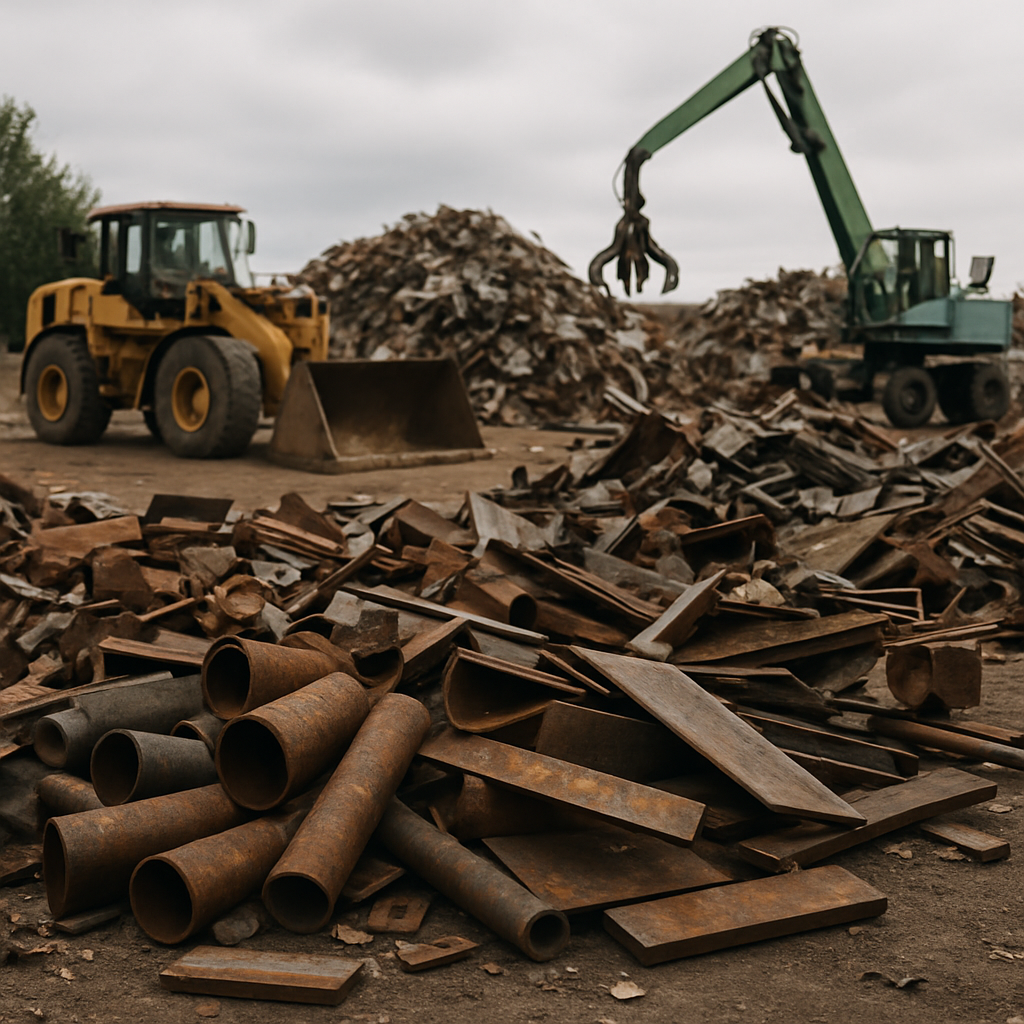
An overview of a bustling industrial scrap metal recycling yard, showcasing heavy machinery and diverse metal piles in a realistic outdoor setting.
Essential documentation and identification requirements
Factories must bring valid government-issued identification when selling scrap metal to any professional facility. This requirement is part of 2026 regulatory efforts to combat metal theft and maintain a clear chain of custody. Facilities maintain comprehensive records for each transaction, including seller information, material descriptions, and weights. These records are essential for corporate sustainability reporting and are typically kept for several years. High-value metals like copper wire or catalytic converters may require additional authorization letters proving legal ownership by the corporation.
Prohibited materials and safety restrictions
All professional recycling facilities strictly prohibit hazardous materials that pose safety or environmental risks. Common prohibited items include asbestos-containing materials, radioactive containers, explosives, and flammable substances. Materials containing PCBs (polychlorinated biphenyls), mercury, or lead-based components cannot be accepted through standard scrap channels. Modern facilities use radiation detection equipment to scan all incoming loads. This zero-tolerance approach protects workers and prevents environmental contamination during the smelting process.
Metal grade separation for maximum value
Proper separation of different metal grades significantly impacts the final payout. Clean, sorted metals command higher prices because they can be processed more efficiently by the mill. Ferrous metals containing iron should always be separated from non-ferrous materials like aluminum and copper. Within these categories, further separation yields better returns; for instance, clean copper wire stripped of insulation receives premium pricing compared to mixed copper materials. Removing non-metallic attachments like plastic or rubber before delivery eliminates potential rejection issues and ensures the highest possible material grade.
Conclusion: Choosing a Partner for Your Industrial Scrap
Fort Worth offers a sophisticated network of industrial recycling partners for aluminum scrap management, each with distinct service capabilities. Selecting the right facility depends on specific operational requirements, including scrap volume, material types, and logistical needs like roll-off container services. Established regional recyclers provide the expertise and infrastructure necessary for efficient aluminum scrap processing and materials recovery, ensuring that North Texas manufacturers remain competitive in the global market.
Because facility capabilities, pricing, and operational details can change frequently in the dynamic 2026 recycling market, verification of current information remains essential. Industrial operations benefit from direct communication with potential recycling partners to confirm services, container availability, and processing capabilities.
For comprehensive aluminum recycling solutions and expert guidance on optimizing your scrap metal recovery, contact Okon Recycling at 214-717-4083.
Send Us a Message
Questions about what we do? Interested in commercial services? Let us know below and a member of our team will get back to you.