5901 Botham Jean Blvd, Dallas, TX 75215
What Is Considered the Highest Paying Scrap?
February 13, 2026Every day, countless valuable materials end up in waste streams that could instead generate significant revenue. Recycling scrap metal represents one of the most profitable opportunities in waste management today. Understanding which materials command the highest prices can transform your approach to resource recovery.
Copper consistently ranks highly due to its exceptional conductivity and industrial demand. Current market rates place copper between $3.50 and $3.70 per pound, making it a cornerstone of profitable recycling operations. This metal is found in electrical wiring, plumbing pipes, air conditioning units, and numerous industrial applications.
Precious metals deliver even greater returns per ounce, though they appear in smaller quantities. Platinum and palladium from catalytic converters can yield exceptional profits, while gold and silver hide in electronics and jewelry. These high-value materials require specialized identification and processing techniques. Smart recycling programs target both volume metals like copper and precious metals to maximize revenue across diverse material flows.
Which Common Metals Offer The Most Profit?
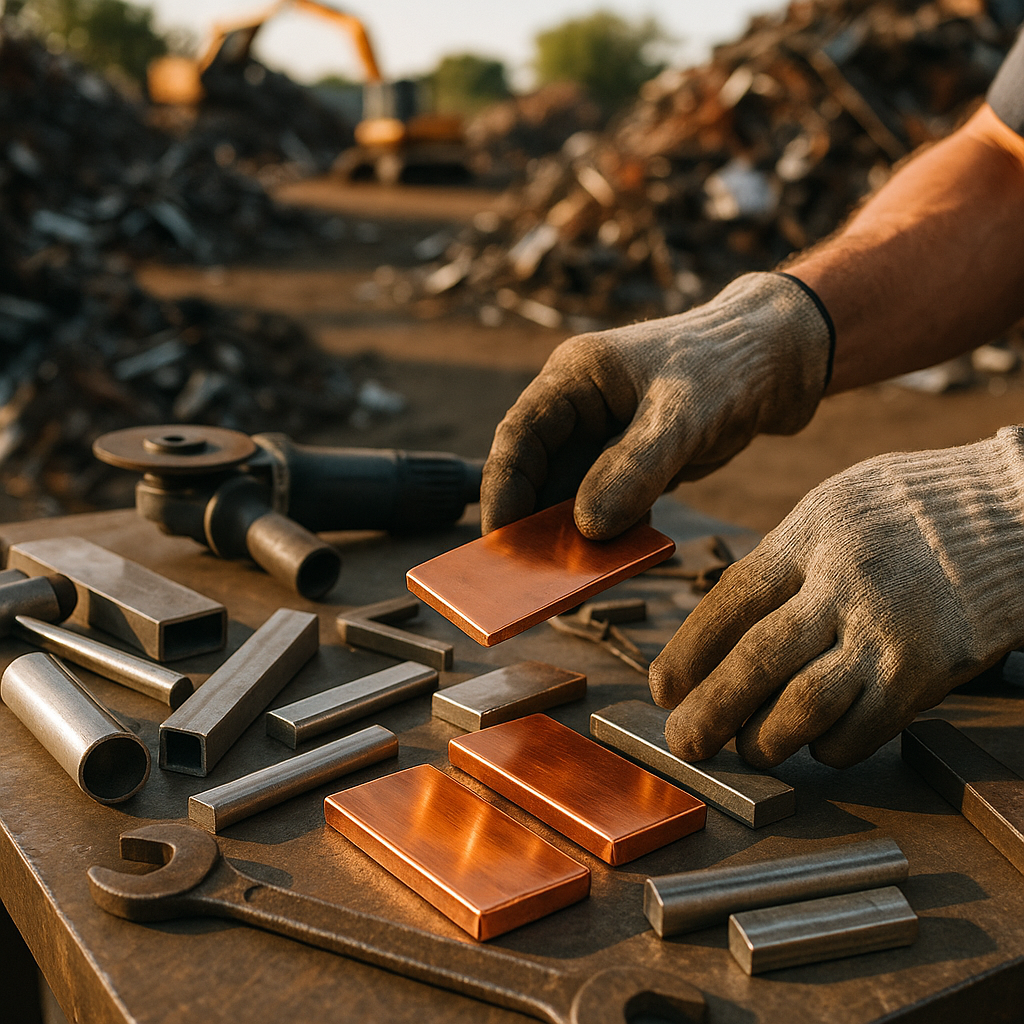
Copper stands as the leading choice among profitable scrap metals. This non-ferrous metal commands premium prices due to its excellent electrical conductivity and widespread industrial applications. Copper consistently fetches the highest returns in our facilities, particularly when sourced from electrical wiring, plumbing pipes, and HVAC systems.
The value of copper varies significantly based on its grade and cleanliness. Bright copper wire, completely free from insulation and oxidation, represents the top tier of copper scrap. Plumbing fixtures and clean copper tubing also command strong prices, while mixed copper materials still provide substantial returns compared to other metals.
Brass is the second most profitable common scrap metal. This copper-zinc alloy appears frequently in plumbing fixtures, doorknobs, and decorative hardware. While brass typically sells for 60-70% of copper prices, its density makes individual pieces quite valuable. Red brass, containing higher copper content, outperforms yellow brass in most markets.
Door handles, faucets, and brass fittings from residential and commercial properties provide steady sources of this profitable metal. The weight and durability of brass items mean even small quantities can generate meaningful revenue for recyclers.
Aluminum presents a different value proposition in the scrap metal hierarchy. Though less valuable per pound than copper or brass, aluminum’s abundance makes it a reliable income source. Beverage cans, window frames, automotive parts, and siding materials all contain aluminum that can be efficiently processed.
| Metal Type | Profit Potential | Common Sources |
|---|---|---|
| Copper | Highest (Premium) | Electrical wiring, plumbing pipes, HVAC coils. |
| Brass | High | Plumbing fixtures, valves, decorative hardware. |
| Aluminum | Moderate (Volume based) | Siding, cans, car rims, window frames. |
| Stainless Steel | Moderate | Kitchen appliances, kegs, industrial equipment. |
| Precious Metals | Extremely High (Per oz) | Catalytic converters, circuit boards, jewelry. |
The lightweight nature of aluminum means higher volumes are needed to match copper’s revenue potential. However, aluminum’s corrosion resistance and recyclability maintain steady demand across multiple industries, from automotive manufacturing to construction.
Stainless steel grades offer varying profit opportunities depending on their composition. Standard 304 stainless steel, common in kitchen appliances and food processing equipment, provides modest returns. However, 316-grade stainless steel, containing higher nickel content, commands premium pricing due to its superior corrosion resistance.
Medical equipment, marine hardware, and specialized industrial components often contain these higher-grade stainless steel alloys. The growing electric vehicle sector continues to drive demand for quality stainless steel in battery housings and structural components.
Market conditions significantly influence the relative profitability of these metals. Copper prices respond quickly to construction activity and infrastructure development, while aluminum follows automotive and packaging industry trends. Understanding these market dynamics helps optimize timing for material sales and inventory management.
Are Precious Metals Found In Scrap?
Precious metals represent some of the most valuable materials encountered in scrap recycling operations. These valuable elements are often hidden in everyday items that many people discard without realizing their worth.
Catalytic converters stand out as the primary source of precious metals in automotive scrap. Each unit contains substantial quantities of platinum, palladium, and rhodium. The ceramic core of these emission control devices often holds concentrations of these metals that exceed those found in natural ores by a significant margin.
Catalytic Converter Precious Metal Content
Modern catalytic converters rely on three key platinum group metals for emission control. Platinum and rhodium work together to break down nitrogen oxides into harmless nitrogen and oxygen gases. Palladium and platinum oxidize carbon monoxide and hydrocarbons into carbon dioxide and water vapor.
The global automotive industry uses approximately 90 tonnes of platinum, 300 tonnes of palladium, and 30 tonnes of rhodium annually for catalytic converter production. These metals are highly prized for their durability and resistance to corrosion, heat, and chemical wear. About 60% of global production of platinum group metals is directed towards catalytic converter manufacturing.
Rhodium holds particular value in scrap catalytic converters. Its importance has increased in modern emission systems due to stricter environmental standards, as it is highly effective at reducing nitrogen oxides, making it nearly irreplaceable in automotive applications.
Electronic Waste and Circuit Board Recovery
Electronic scrap contains significant amounts of gold, silver, and palladium across various components. Circuit boards from computers, smartphones, and other devices hold precious metals in connectors, pins, and integrated circuits.
A tonne of printed circuit boards typically contains about 200 kilograms of copper, 0.4 kilograms of silver, and 0.09 kilograms of gold. The concentration of gold and other precious metals in electronics can be up to ten times higher than those found in natural mining ores.
Gold is found in the most visible parts of electronic devices. Memory modules, processor pins, connector edges, and USB ports feature gold plating for superior electrical conductivity and corrosion resistance. Silver is distributed throughout solder joints, switches, and various electronic components.
Palladium is heavily concentrated in monolithic ceramic capacitors found on circuit boards. These small components can contain up to 2% palladium by weight. With palladium prices often exceeding those of gold, these capacitors offer significant recovery opportunities.
Recovery Challenges and Opportunities
Despite the high concentrations, recovering precious metals from scrap poses economic and technical challenges. Only about 20% of precious metals from electronic waste currently undergo proper recycling processes, according to industry research on precious metal recovery. The complexity of separating these materials from mixed waste streams requires specialized processing techniques.
The hidden nature of these precious metals results in many valuable materials ending up in landfills or inadequate recycling processes. Proper identification and sorting are crucial to maximizing recovery rates and economic returns from scrap operations.
Market price fluctuations greatly impact the economics of precious metal scrap recovery. Supply constraints, mining difficulties, and automotive industry demand drive the volatility in prices for platinum group metals. Rhodium extraction is particularly challenging because mines can only recover small quantities at a time, making scrap recovery an increasingly important source.
Where Can You Find High-Value Scrap Metals?
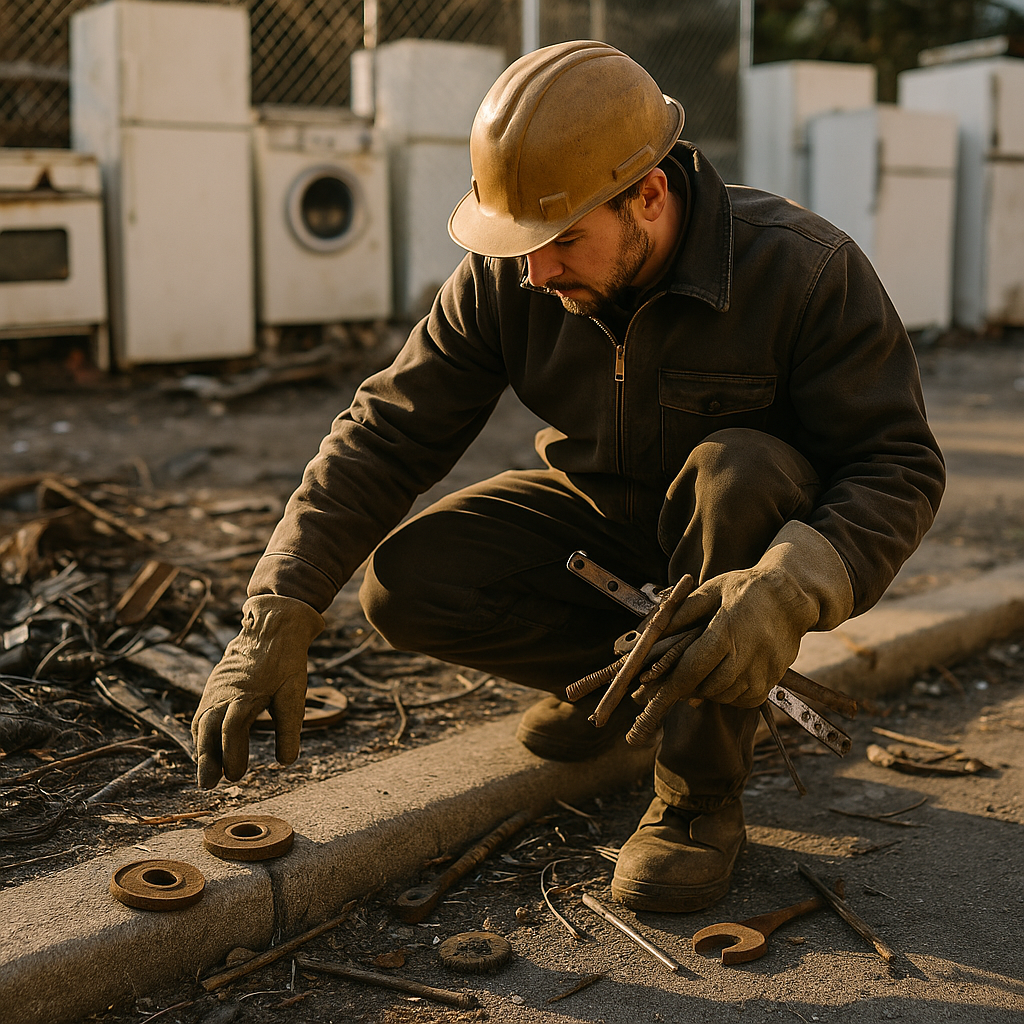
High-value scrap metals are more prevalent than most people realize. Knowing where to find these materials can greatly enhance the profitability and environmental benefits of your recycling program.
Household Sources
Appliances are among the most accessible sources of valuable scrap metal. Refrigerators contain significant amounts of steel and aluminum, with compressors housing copper wiring. Microwaves offer steel casings and copper components in their transformers. Air conditioning units are particularly valuable, providing copper coils, aluminum fins, and steel frames which are excellent for materials recovery.
Electronics in homes contain overlooked precious metals. Laptops and desktop computers house gold-plated circuit boards, copper wiring, and aluminum components. Old televisions, especially CRT models, contain copper yokes and steel chassis. Even vintage radios can yield copper transformers and brass fittings, adding value to your scrap collection.
Kitchen items often conceal valuable metals. Copper-bottom pots and pans, brass fixtures, and stainless steel cookware all have scrap value. Even old silverware can contribute to your materials recovery efforts, depending on its composition.
Automotive Sources
Junkyards are concentrated sources of high-value automotive scrap. Catalytic converters contain platinum, palladium, and rhodium, making them among the most valuable automotive components. Aluminum rims offer lightweight, high-grade aluminum. Copper radiators, while less common in newer vehicles, remain valuable finds in older automotive scrap.
Vehicle batteries contain lead, and alternators and starters house copper wiring and aluminum casings. Engine blocks, transmission components, and exhaust systems add significant weight in recyclable steel and aluminum. Wiring harnesses throughout vehicles contain substantial copper that can be recovered through proper processing.
Industrial and Construction Sources
Construction sites generate significant quantities of recyclable metals. Copper wiring removed during renovations or demolitions presents high-value scrap. Plumbing fixtures, including copper pipes, brass fittings, and bronze valves, are commonly found at construction and renovation sites.
Steel framing, aluminum siding, and roofing materials from construction projects offer bulk quantities of valuable metals. HVAC systems contain copper coils, aluminum ductwork, and steel components that are readily recyclable. Industrial machinery often contains large amounts of steel, cast iron, and specialized alloys worth recovering.
Manufacturing facilities produce metal waste streams that can be efficiently collected and processed. Machine shops generate steel shavings, aluminum chips, and brass turnings. Electrical contractors frequently have surplus copper wire and aluminum conduit available for recycling.
Electronics and Technology Sources
Beyond household electronics, e-waste recycling offers significant opportunities. According to precious metal experts, old smartphones contain gold-plated circuit boards and connectors, while computer components like CPUs and RAM modules house valuable precious metals.
Office equipment, including printers, copiers, and servers, contains significant amounts of recyclable metals. Telecommunications equipment, such as outdated phone systems and networking hardware, often contains copper, aluminum, and precious metal components worth recovering.
Medical facilities sometimes retire equipment containing valuable metals. Older medical devices may contain gold contacts and silver components, though proper handling and compliance with regulations is essential when processing medical equipment.
How Can You Maximize Your Scrap Metal Profits?
Preparation is crucial for maximizing your payout in metal recycling. Proper sorting and cleaning can boost returns by 20-40% compared to mixed scrap materials. Facilities that implement systematic preparation protocols consistently achieve higher revenues from their waste metal streams.
Begin with magnetic separation to distinguish ferrous from non-ferrous metals. Use a strong magnet to identify ferrous metals like steel and iron, which attract magnetically. Non-ferrous metals such as copper, aluminum, and brass do not attract to magnets and typically command higher prices. This test instantly categorizes your materials into two distinct value tiers.
Clean your scrap by removing all non-metal attachments before processing. Strip insulation from copper wiring to increase its value by 30-50%. Remove plastic casings from electronics, rubber components from plumbing fixtures, and wooden handles from tools. According to the Institute of Scrap Recycling Industries, contamination-free metals receive significantly higher pricing because they reduce processing costs and enhance recycled material purity.
Sort metals by specific grades within each category for maximum returns. Separate #1 bare bright copper from #2 copper with solder or paint. Distinguish clean aluminum extrusions from cast aluminum components. Keep stainless steel separate from regular steel grades. This detailed sorting can boost profits by an additional 15-20% beyond basic category separation.
Accumulate sufficient quantities before transport to optimize per-pound pricing. Scrap yards often offer better rates for larger volumes because bulk deliveries reduce their handling costs. Time your sales strategically by monitoring market price fluctuations. Metal prices follow global commodity trends, and strategic timing can help capture peak pricing periods.
Remove all hazardous materials and prohibited items before delivery. Drain fuel from tanks, remove batteries containing lead, and separate materials requiring special handling. Clean preparation ensures smooth processing and helps avoid pricing penalties associated with contaminated loads at processing facilities.
Conclusion: Turning Your Scrap Into Cash
While copper consistently ranks as the top earner among common scrap metals, with prices surpassing $4.70 per pound for clean material, the highest-paying scrap often comes from precious metals like platinum and palladium found in catalytic converters. To maximize profits, it’s crucial to understand where to source valuable materials and to thoroughly prepare your collection through careful sorting and cleaning. From household appliances and electronics to automotive components, profitable opportunities abound for those who know what to seek in the scrap metal industry.
Success in scrap metal recycling requires more than just collecting materials. It involves knowledge of market trends, environmental sustainability practices, and efficient processing methods. For municipalities and businesses aiming to turn scrap into a reliable revenue stream, professional guidance is crucial.
Contact Okon Recycling at 214-717-4083 to learn how we can help you maximize the value of your recyclable materials while supporting your sustainability goals.
Send Us a Message
Questions about what we do? Interested in commercial services? Let us know below and a member of our team will get back to you.