5901 Botham Jean Blvd, Dallas, TX 75215
Where Can You Find Scrap Titanium Swarf Buyers in Texas?
January 14, 2026Texas aerospace and manufacturing facilities produce substantial amounts of titanium swarf daily. This valuable metal waste presents both environmental concerns and significant revenue opportunities. Finding a qualified industrial recycling partner who understands titanium recycling requirements ensures proper material recovery while maximizing financial returns in early 2026.
The state hosts specialized recycling facilities equipped to handle high-temperature alloys. These industrial processors possess the expertise and advanced technology necessary for precision titanium sorting. By partnering with a professional facility, manufacturers can streamline their waste streams and capitalize on the high market value of titanium machining byproducts.
What Types of Titanium Scrap and Swarf Are Purchased?
Industrial buyers across Texas uphold stringent acceptance criteria for both commercial and aerospace-grade materials. Processing facilities typically handle Commercially Pure (CP) titanium alongside specialized alloys such as Ti 6Al-4V, Ti 6-4 and Ti 6-2-4-2. These grades are essential in industrial manufacturing, medical implants and aerospace applications.
Grade specifications are precise. Facilities process various titanium grades, including CP Grades 1-4, Ti Grade 7, Ti Grade 12 and Ti Grade 17. More specialized alloys utilized in turbine engines, such as Ti-6Al-2Sn-4Zr-2Mo and Ti-6Al-2Sn-4Zr-6Mo, are also high-demand items at major processing facilities throughout the state.
Solid Titanium Forms
Solid titanium scrap represents the highest-value category for industrial generators. Items like turbine blades, disks and forged offcuts command premium prices due to their verified alloy content and minimal contamination. Plate trimmings from manufacturing operations provide clean material suitable for direct remelting into new industrial ingots.
Billets and solid bars maintain consistent demand. These materials often originate from aerospace manufacturing, where precise machining requirements necessitate the removal of excess material. The resulting scrap maintains the original alloy properties and certification standards needed for high-value applications, making it a “prime” secondary resource.
Manufacturing Byproducts and Machining Waste
Swarf and turnings constitute a significant portion of titanium scrap volume in North Texas. Machine shops generate these materials during precision fabrication. Metal shavings from CNC machining fall into this category, alongside borings from drilling and cutting operations. While fine swarf requires additional processing due to surface area oxidation, it remains economically viable for recovery in a professional recycling program.
Professional facilities distinguish between thick turnings and fine swarf when determining payouts. Turnings are often easier to clean and de-oil, preserving material integrity. Non-ferrous titanium scrap typically commands higher pricing due to its extensive application possibilities in the medical device and aerospace sectors, where material performance is non-negotiable.
Who Are the Primary Titanium Scrap Buyers in Texas?

Texas hosts established metal recycling facilities that actively purchase titanium scrap materials. Professional processors in industrial hubs like Dallas, Fort Worth and Houston specialize in high-temperature alloys and maintain ISO 9001 certifications to ensure quality control for their aerospace clients.
Leading buyers handle a comprehensive range of materials, including Ti 6Al-4V, commercially pure titanium and ferro titanium. They manage volumes ranging from solid industrial pieces to large bins of shavings. For aerospace-grade materials, such as 90-6-4 bulk weldable feedstock, professional recyclers provide specialized handling to maintain the material’s traceability and value.
Most established buyers focus on commercial and industrial accounts rather than individual consumers. This business-to-business approach reflects the specialized nature of titanium recycling and the need for proper material verification. High-capacity facilities often maintain their own truck fleets, enabling direct collection and transport services for manufacturing plants throughout the region, ensuring that high-value metal doesn’t sit idle on the shop floor.
Advanced PURIFICATION: Managing Contaminants in Titanium Swarf
In 2026, the threshold for “clean scrap” has reached a new standard. For titanium, material purity is the single most important factor in determining scrap value. This section explores how industrial recyclers transform contaminated swarf into high-value feedstock.
Thermal De-Oiling and Solvent Cleaning
Machining swarf is typically saturated with coolants and cutting oils. In a professional recycling environment, “wet” swarf is worth significantly less than dry material because oil adds weight and creates safety hazards during remelting. Advanced facilities utilize centrifugal wringers to spin off the majority of the fluid, followed by thermal de-oiling kilns that vaporize remaining hydrocarbons without oxidizing the titanium. This process ensures the resulting metal is “furnace-ready” for high-performance foundries.
Advanced Alloy Identification (XRF and LIBS)
Because different titanium alloys look identical, professional facilities use handheld X-Ray Fluorescence (XRF) or Laser-Induced Breakdown Spectroscopy (LIBS) analyzers. These devices provide an instant chemical breakdown of the swarf. This is vital for industrial facilities generating multiple grades; if a bin of high-value Grade 5 (Ti-64) is accidentally mixed with CP titanium, the entire load is downgraded. Utilizing a recycler with advanced sorting technology protects the manufacturer’s revenue by ensuring every alloy is paid at its true market rate.
Titanium Swarf Management: Industrial Best Practices for 2026
To maximize the ROI of a titanium waste stream, facility managers must implement structured management protocols on the shop floor. Effective segregation is not just a sustainability goal—it is a financial strategy.
Source Segregation and “Zero-Mix” Policies
The golden rule of titanium recycling is to never mix alloys. Professional recyclers recommend implementing color-coded bin systems at every CNC station. By keeping Ti 6Al-4V turnings separate from CP titanium shavings, a facility can capture the maximum market grade. Furthermore, keeping titanium swarf separate from ferrous metals like steel is critical; even a small amount of steel contamination can make titanium swarf unusable for certain aerospace applications, drastically reducing its value.
Briquetting and Density Optimization
For high-volume generators, briquetting systems offer a significant advantage. These machines compress loose, stringy turnings into dense pucks (briquettes). Not only does this recover up to 95 percent of the cutting fluids for reuse in the machines, but it also reduces the volume of the waste by up to 10 times. Briquetted titanium swarf is much safer to transport and more desirable for smelters because it reduces “melt loss” in the furnace. Facilities that briquette their swarf often see higher payouts and reduced logistical costs.
What Services Do Professional Industrial Scrap Buyers Provide?
Comprehensive Logistics and Transport
Texas industrial buyers operate extensive transportation networks designed for the manufacturing sector. Their fleets include bobtails and roll-off containers customized for swarf collection. Many use real-time GPS tracking and interactive customer portals to ensure reliable scheduling and transparent reporting. Regular pickup schedules offer consistent service for machine shops, minimizing the footprint of waste on the facility floor.
Customized Scrap Management Programs
Professional scrap management involves more than collection; it is about process optimization. Buyers assess industrial waste challenges and develop programs tailored to specific operational needs. This includes material separation training for staff, optimized pricing strategies linked to commodity indexes and environmental compliance documentation. Many facilities now offer dedicated account managers who provide single points of contact for all recycling logistics.
On-Site Processing Capabilities
Large-scale recycling facilities feature state-of-the-art sorting technology and heavy lifting equipment. Investments in AI-driven sorting and magnetic separation enable efficient recovery of non-ferrous metals. Indoor processing yards provide clean environments for transactions, while certified scales ensure accurate weight measurements and fair pricing for every load.
How Is Pricing for Scrap Titanium Determined?
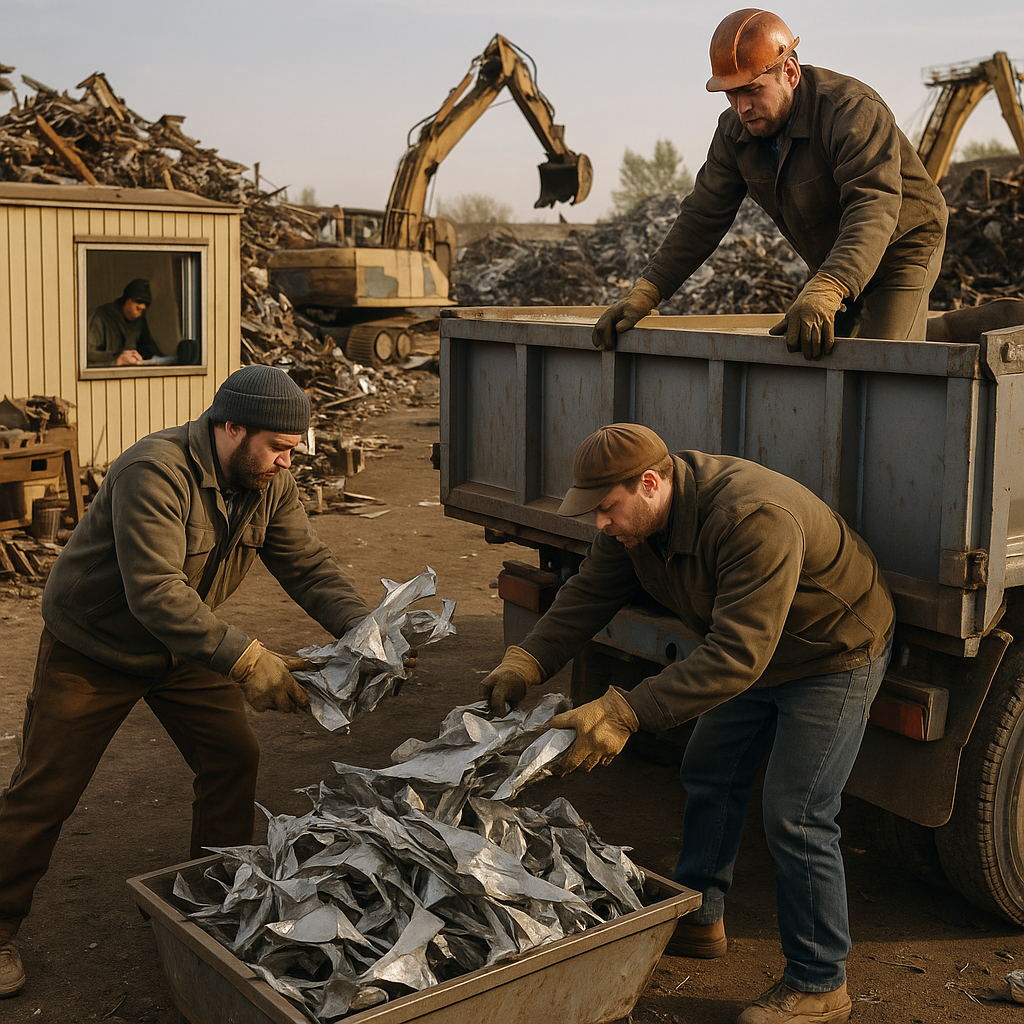
Scrap titanium pricing is determined by a dynamic market system that reflects daily fluctuations in global supply and primary titanium production. Market conditions change regularly based on aerospace production schedules, defense spending and raw material availability. Industrial facilities track these trends to offer pricing that adjusts with the global commodity markets.
Grade and composition are the primary drivers of value. Aerospace-grade titanium, particularly Grade 5 (Ti-6Al-4V), commands premium prices due to its verified composition and criticality in defense applications. Commercial pure grades (1 and 2) are valued for corrosion resistance and typically fetch different rates based on their specific industrial utility.
The physical form of the scrap material also impacts valuation. Solid, clean pieces generally receive higher payouts than fine swarf or turnings, which have a higher chance of oxidation and contamination. Clean, sorted materials that have been processed to remove oils can command significantly higher prices than “raw” mixed scrap. Furthermore, regional market variations—such as local demand from North Texas aerospace hubs—can influence the “spread” between local scrap prices and global index prices.
Conclusion: Choosing the Right Titanium Buyer in Texas
Selling scrap titanium in Texas involves finding an industrial partner that suits your operational scale and material volume. Whether you need roll-off services for massive manufacturing loads or manage smaller batches of high-value alloys, established buyers offer the specialized technology needed to maximize your returns. Understanding the grades of titanium your facility produces, along with the processing capabilities of your recycler, ensures you receive fair market value while contributing to sustainable material recovery.
The recycling process benefits from transparency and reliable partnerships. Working with experienced titanium buyers who are familiar with aerospace standards and advanced swarf management can streamline your entire waste management workflow.
For comprehensive titanium recycling services, advanced alloy analysis and competitive industrial pricing, contact Okon Recycling at 214-717-4083.
Send Us a Message
Questions about what we do? Interested in commercial services? Let us know below and a member of our team will get back to you.