5901 Botham Jean Blvd, Dallas, TX 75215
Buyers of Titanium Turnings in Fort Worth: A Guide to Aerospace Scrap and ROI
December 23, 2025Finding reliable buyers for titanium turnings in Fort Worth is a critical priority for local aerospace and defense manufacturers. The Dallas/Fort Worth metroplex is home to established scrap metal recycling partners that purchase non-ferrous metals, including titanium shavings and turnings generated during precision manufacturing operations.
Fort Worth’s strategic location as a major industrial and aviation hub supports a robust network of specialized metal recycling facilities. These companies recognize the inherent value of titanium materials produced during machining operations and provide the necessary infrastructure to handle fabrication waste safely and efficiently. By working with a dedicated industrial recycler, local shops can transform their metal waste into a consistent revenue stream.
Who Purchases Titanium and Metal Turnings in the Fort Worth Area?
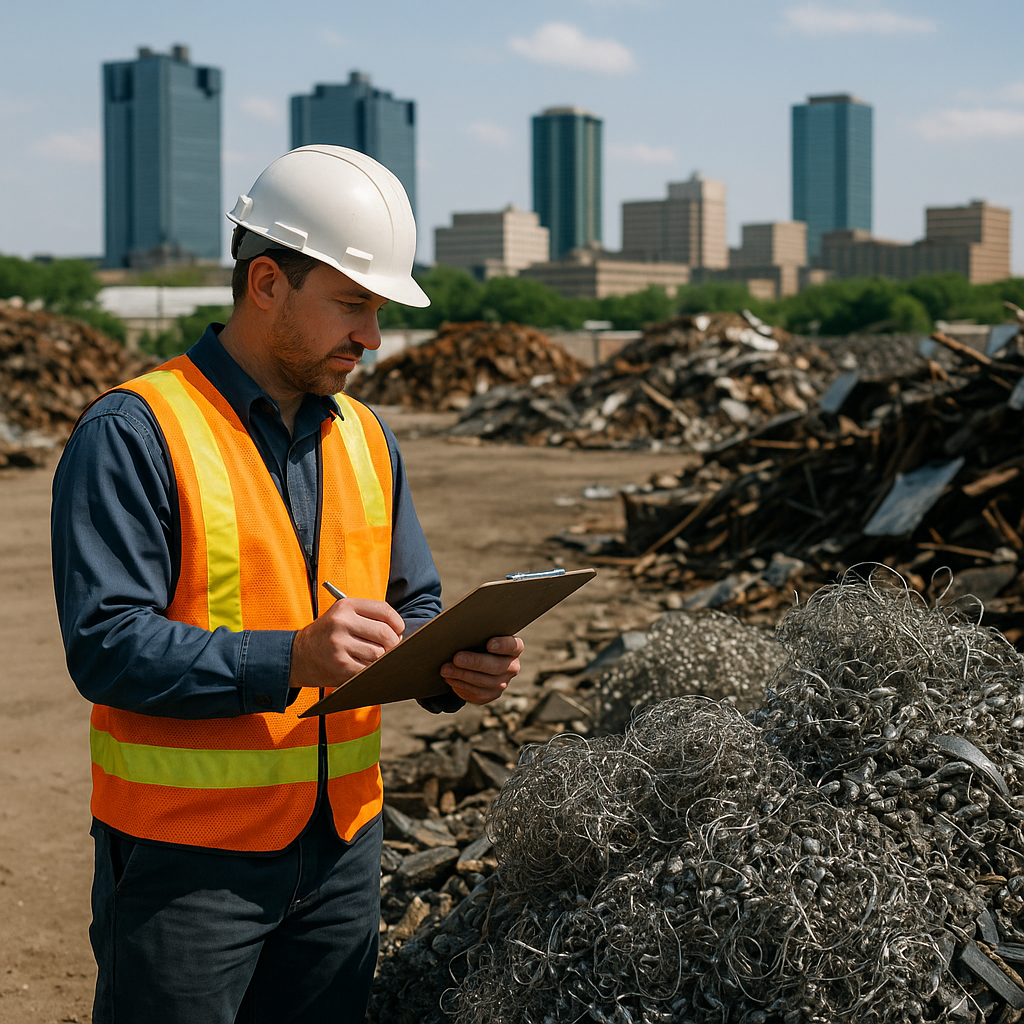
Manufacturing companies in the Fort Worth area have several options for managing their titanium and metal turnings. The DFW metroplex offers specialized recycling facilities that focus on purchasing these materials from industrial sources, particularly those supporting the regional aerospace corridor. Selecting a partner with deep experience in titanium ensures that your facility benefits from accurate alloy identification and premium market rates.
Experienced industrial recyclers target fabrication waste, including metal shavings, turnings, and molds. Professional facilities in the area are equipped to handle non-ferrous metals with no size restrictions, managing everything from small-scale shop collections to full semi-truck deliveries for large-scale manufacturing plants. This accessibility makes it easier for Fort Worth businesses to maintain clean, efficient shop floors while maximizing their scrap metal returns.
Choosing a Specialized Titanium Recycler
When selecting a buyer, look for facilities that offer on-site scrap metal grading for larger projects. This is particularly valuable for manufacturers with substantial volumes of titanium turnings who require accurate chemical assessments before the material is transported. Using handheld XRF analyzers, these specialists can differentiate between common Ti-6Al-4V (Grade 5) and other complex alloys used in turbine blades or structural airframes.
Furthermore, established recyclers in Fort Worth maintain direct-to-mill relationships. These networks allow them to offer more competitive pricing by cutting out intermediaries. By choosing a partner with a long-standing history in the DFW market, you ensure that your titanium scrap is reintegrated into the supply chain responsibly, supporting the local industrial economy.
Industrial Grades: Common Titanium Alloys Recycled in Texas
The value of titanium scrap is largely dictated by its specific alloy composition. In the Fort Worth manufacturing landscape, several key grades dominate the market, each requiring precise identification to ensure maximum payout.
Aerospace Grade 5 (Ti-6Al-4V)
Often referred to as the “workhorse” of the industry, Ti-6Al-4V is the most commonly recycled titanium alloy in Texas. Used extensively in aircraft structural components and engine parts, it commands a premium price due to its high demand and well-established recycling stream. Recyclers prioritize “clean” Grade 5 solids and turnings that are free from cross-contamination with other metals.
Commercially Pure (CP) Titanium
Commercially Pure titanium (Grades 1 through 4) is prized for its exceptional corrosion resistance and is frequently found in chemical processing equipment and marine applications. Because it lacks significant alloying elements like aluminum or vanadium, it is highly valued for specific melting applications that require high purity. Facilities processing CP titanium must take extra care to prevent mixing it with alloyed scraps.
Specialty Aerospace and Medical Alloys
Other specialized alloys, such as Ti-6Al-2Sn-4Zr-2Mo or Grade 23 (ELI), are common in the medical implant and advanced defense sectors. These materials require laboratory-grade verification because even minor deviations in chemical composition can affect the value. Partnering with a recycler who understands these nuances ensures you aren’t losing money by selling specialty alloys at “generic” titanium prices.
Maximizing the Value of Titanium Turnings
Because of their high surface area and the presence of cutting fluids, titanium turnings (chips) often trade at a discount compared to solid scrap. However, industrial facilities can significantly increase their “per-pound” profit by following specific preparation protocols.
Contamination Control and Degreasing
The primary challenge in recycling turnings is the presence of oils and coolants. Excess fluids not only add weight that the recycler must subtract but also complicate the melting process. Shops that utilize a centrifuge or “chip wringer” to remove excess moisture can often negotiate higher rates. Additionally, ensuring that no “tramp” metals—like stainless steel or carbide inserts—are mixed into the titanium bin is essential for maintaining the highest material grade.
Proper Storage and Labeling
Exposure to the elements can lead to oxidation and contamination. Storing titanium turnings in covered, leak-proof containers prevents moisture buildup and protects the integrity of the metal. Clear labeling of bins by specific alloy grade (e.g., “Grade 5 Turnings Only”) prevents costly sorting fees at the recycling facility and streamlines the pickup process for your logistics partner.
Volume and Density Considerations
Loose turnings are incredibly light and take up significant space, which can increase transportation costs. Many high-volume manufacturers utilize briquetting presses to compress turnings into dense “pucks.” This increases the density of the scrap, allowing for more efficient transport and often leading to 30% to 50% higher purchase prices due to the reduced processing required by the buyer.
The Circular Economy: Why Titanium Recycling Matters
Recycling titanium isn’t just a financial decision; it is an environmental imperative. The process of extracting virgin titanium from ore—known as the Kroll Process—is one of the most energy-intensive and carbon-heavy activities in the metals industry.
Energy Savings and Carbon Footprint
Recycling titanium uses approximately 85% to 95% less energy than producing it from virgin materials. By providing a steady stream of scrap turnings back into the industrial cycle, Fort Worth manufacturers help prevent the emission of thousands of tons of CO2 annually. This “closed-loop” approach is increasingly required by major aerospace contractors as part of their sustainability goals.
Resource Security for Texas Industries
Titanium is a strategic material, and its global supply chain can be volatile. By strengthening the local recycling infrastructure in North Texas, manufacturers help create a more resilient, domestic supply of high-grade alloys. This reduces dependency on foreign ore imports and ensures that the materials needed for the next generation of aircraft and defense systems are readily available right here in the Lone Star State.
Your Guide to Selling Titanium Scrap in Fort Worth
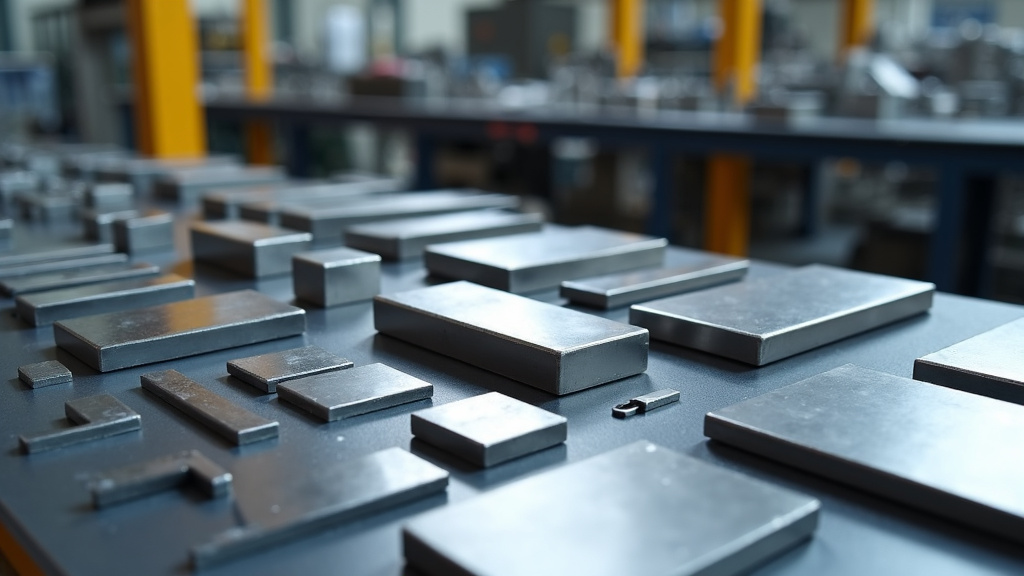
Selling titanium turnings in the Fort Worth area is a straightforward process when you have the right partner. Local recyclers cater specifically to industrial scrap streams like turnings and solids, offering competitive pricing based on current LME (London Metal Exchange) and specialty metal market rates. Whether you are managing daily production waste or a one-time facility cleanout, the DFW recycling infrastructure is built to support your needs.
Success in selling titanium scrap hinges on proper preparation and professional partnerships. Ensure you have government-issued identification, separate your materials by grade to prevent “down-grading,” and contact your recycler for real-time pricing updates. For comprehensive recycling solutions tailored to the needs of Fort Worth’s industrial manufacturing sector, contact Okon Recycling at 214-717-4083.
Send Us a Message
Questions about what we do? Interested in commercial services? Let us know below and a member of our team will get back to you.