5901 Botham Jean Blvd, Dallas, TX 75215
Industrial Machinery Scrap in Irving: Recycling & Disposal Services
January 29, 2026Industrial facilities in Irving generate millions of pounds of scrap metal annually from decommissioned equipment and manufacturing processes. This valuable waste stream represents both an environmental responsibility and a significant economic opportunity for businesses across the Dallas-Fort Worth metroplex. In 2026, as North Texas continues to lead the nation in manufacturing growth, the strategic management of these materials has become a hallmark of operational excellence.
Comprehensive scrap metal recycling services in Irving address the full spectrum of industrial materials management needs. Professional providers specialize in processing ferrous and non-ferrous metals from obsolete machinery, including everything from steel fabrication remnants to copper wiring and aluminum components. These services extend beyond basic collection to include on-site sorting, metallurgical analysis, and detailed documentation for regulatory compliance.
The available programs cater specifically to commercial and industrial operations requiring systematic waste management solutions. Services range from scheduled pickups and roll-off container programs to specialized handling of metal turnings and exotic alloys. Many providers also offer consulting services to help Irving businesses optimize their scrap management processes while ensuring full compliance with Texas environmental regulations and global industry standards.
What Types of Industrial Waste Can Be Recycled?
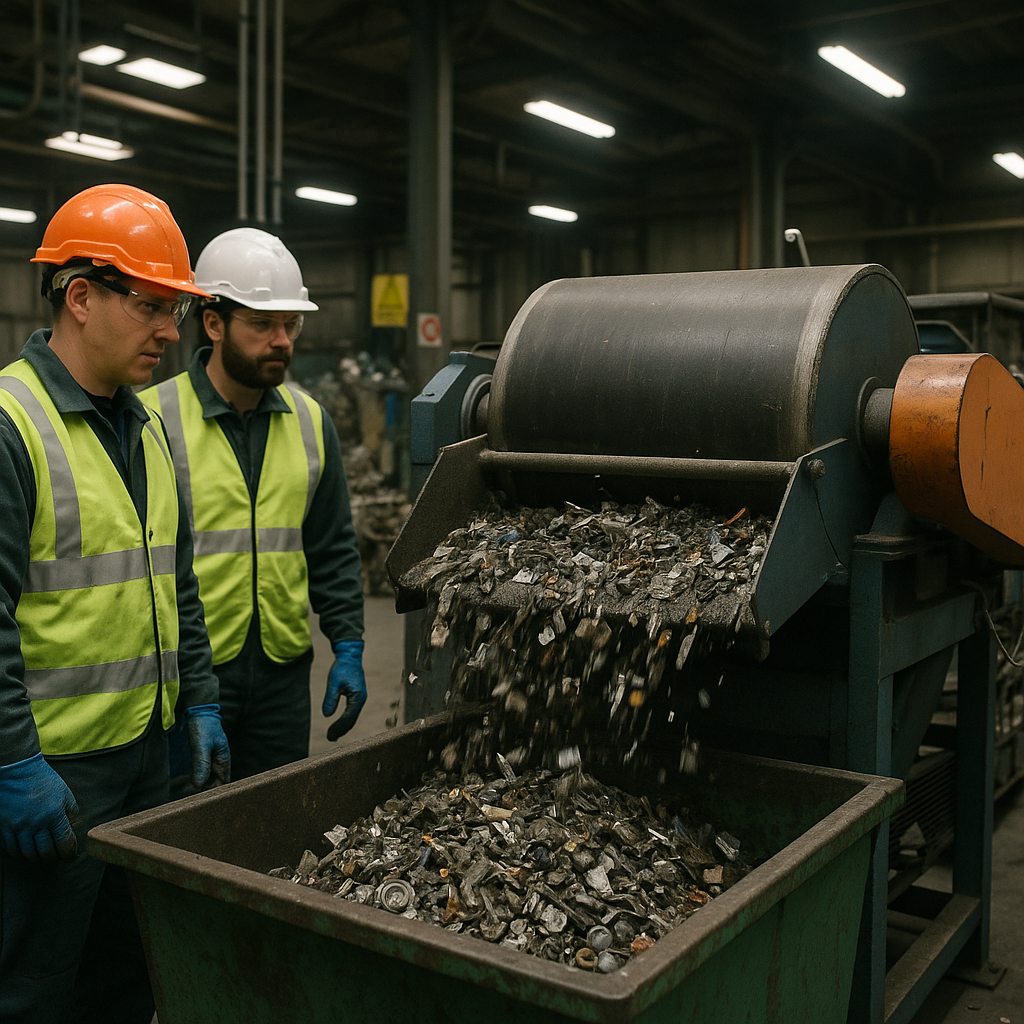
The variety of materials generated by Irving’s industrial sector requires a sophisticated approach to recovery. Understanding the classification of these materials is essential for ensuring they are routed to the appropriate recycling or treatment facility.
Non-hazardous industrial materials
Non-hazardous waste streams represent the largest volume of recyclable industrial materials in North Texas. Ferrous scrap metals, including steel and iron components from manufacturing processes, maintain significant recycling value due to their magnetic properties and widespread industrial demand. These materials are essential for domestic steel mills using electric arc furnace (EAF) technology.
Non-ferrous metals such as aluminum, copper, brass, and zinc offer even higher recycling returns per pound. These materials frequently originate from electrical equipment upgrades, construction projects, and automotive components. Packaging materials—including cardboard, plastic containers, and glass—also constitute major recyclable categories that can be diverted from regional landfills through a structured industrial program.
Regulated hazardous waste categories
Hazardous industrial waste requires specialized recycling protocols but offers significant recovery opportunities when properly managed by certified professionals. Toxic heavy metals, including lead from industrial batteries, cadmium from specialized coatings, and chromium from metal finishing operations, undergo rigorous extraction processes to prevent environmental contamination.
Used solvents from manufacturing and maintenance operations represent another recyclable resource. Solvent recycling systems can restore these materials to their original state through distillation. Furthermore, contaminated sludges from wastewater treatment often contain recoverable precious metals that can be reclaimed through specialized electroplating recovery processes.
Ignitable and corrosive materials
Ignitable liquids, including waste oils, petroleum distillates, and alcohol-based solvents, require careful handling but offer energy recovery potential. These materials can be processed into alternative fuels or undergo chemical recycling to produce new industrial products. Corrosive materials like spent acids and alkaline solutions also present recycling challenges but remain recoverable through neutralization and specialized metal recovery processes that protect the local water table.
Advanced Metallurgical Analysis and Technology in 2026
As we navigate the industrial landscape of 2026, the technology used in scrap metal recycling has evolved to provide unprecedented accuracy. Irving businesses now have access to scientific tools that ensure they receive the maximum value for their materials.
XRF and LIBS alloy verification
Modern recycling facilities utilize X-ray fluorescence (XRF) and Laser-Induced Breakdown Spectroscopy (LIBS) to identify the exact chemical composition of metal alloys. For an Irving manufacturer producing aerospace components or medical devices, this technology is vital. It allows the recycler to distinguish between different grades of stainless steel or high-performance nickel alloys that appear identical to the naked eye. This precision ensures that high-value materials are not “downgraded” to lower-priced scrap categories, directly increasing the manufacturer’s revenue.
AI-driven sorting and optical recognition
Automation has reached the sorting floor, where AI-powered robotic arms and optical sensors can separate commingled metals with nearly 100 percent accuracy. These systems can identify aluminum, copper, and brass at high speeds, removing human error from the sorting process. For facilities generating mixed metal turnings or complex electronic scrap, this technology ensures that every ounce of recoverable material is captured and returned to the supply chain.
Safety and Environmental Compliance in Irving Industrial Operations
Operating a manufacturing plant in Irving involves significant regulatory oversight. A professional recycling partnership acts as a shield against the legal and safety risks associated with material handling.
Cradle-to-grave responsibility and TCEQ mandates
Texas environmental law dictates that industrial generators are responsible for their waste from “cradle to grave.” If scrap materials are improperly handled at an unpermitted site, the original generator can be held liable for cleanup costs. Professional recycling partners provide “Certificates of Recycling” and detailed manifest documentation that proves materials were handled according to TCEQ standards. This audit trail is essential for Irving businesses during corporate sustainability reviews or state inspections.
On-site safety and OSHA compliance
The physical handling of tons of metal scrap poses risks to factory personnel. Professional recycling services provide OSHA-compliant bins and specialized material handling equipment that minimize the risk of workplace injuries. By utilizing a professional pickup service, Irving manufacturers transfer the heavy lifting and transport logistics to trained experts who utilize personal protective equipment (PPE) and rigorous safety protocols, reducing the facility’s liability and workers’ compensation risks.
How Can Factories Maximize the Value of Their Scrap Metal?
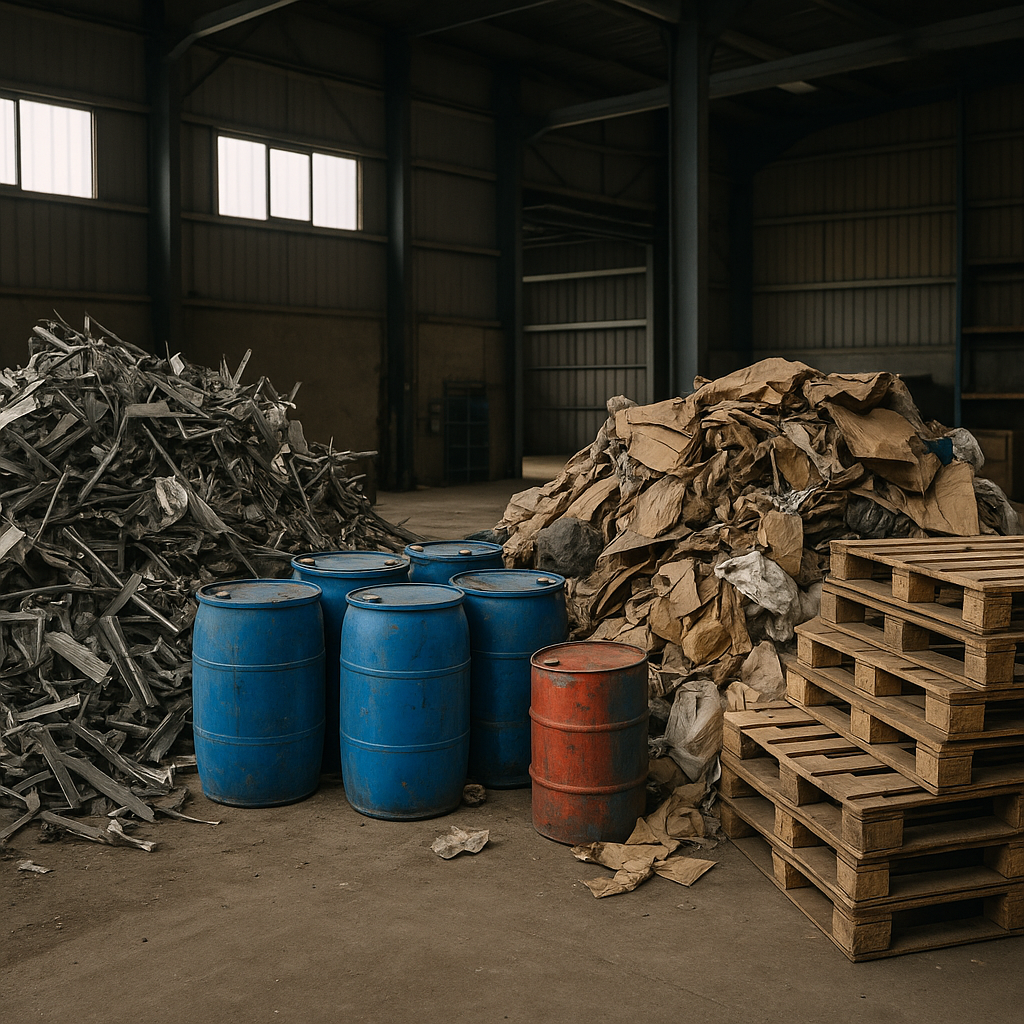
Factories generate substantial amounts of secondary raw materials through manufacturing processes. Most facilities treat these materials as waste disposal costs rather than recognizing their revenue-generating potential. Strategic recovery transforms scrap metal from an operational expense into a profitable resource stream.
Manufacturing facilities implementing effective material recovery systems report savings of 15 to 25 percent on waste-related expenses. More importantly, sorted and processed scrap commands premium prices that can generate significant additional revenue for operations throughout the DFW Metroplex.
Implement source separation systems
Source separation forms the foundation of profitable scrap metal recovery. This approach involves establishing dedicated collection points throughout the facility to prevent different metal types from mixing. High-value non-ferrous metals like brass, stainless steel, and copper maintain their premium pricing when kept separate from standard steel grades. Facilities should position clearly labeled containers at strategic locations where specific metal types are generated, such as placing a brass-specific bin next to a CNC mill.
Deploy on-site processing techniques
On-site processing offers Irving factories immediate opportunities to upgrade their scrap metal grades. Simple preparation techniques can transform “dirty” grade materials into “clean” grade classifications that command 30 to 50 percent price premiums. For example, removing plastic insulation from copper wire or separating aluminum heat sinks from steel housings can significantly increase the payout per pound at the scale. Professional recycling partners can provide on-site training to help staff identify these value-added opportunities.
Optimize material handling and storage
Effective storage practices preserve material quality and prevent degradation that reduces scrap value. Aluminum requires protection from moisture to prevent oxidation, while copper storage should minimize exposure to elements that cause corrosion. Strategic placement of collection containers reduces internal transportation costs while maintaining material quality. Regular collection schedules prevent overfilling that leads to material degradation or job site safety hazards.
Why Is Using a Professional Waste Management Service Important for Factories?
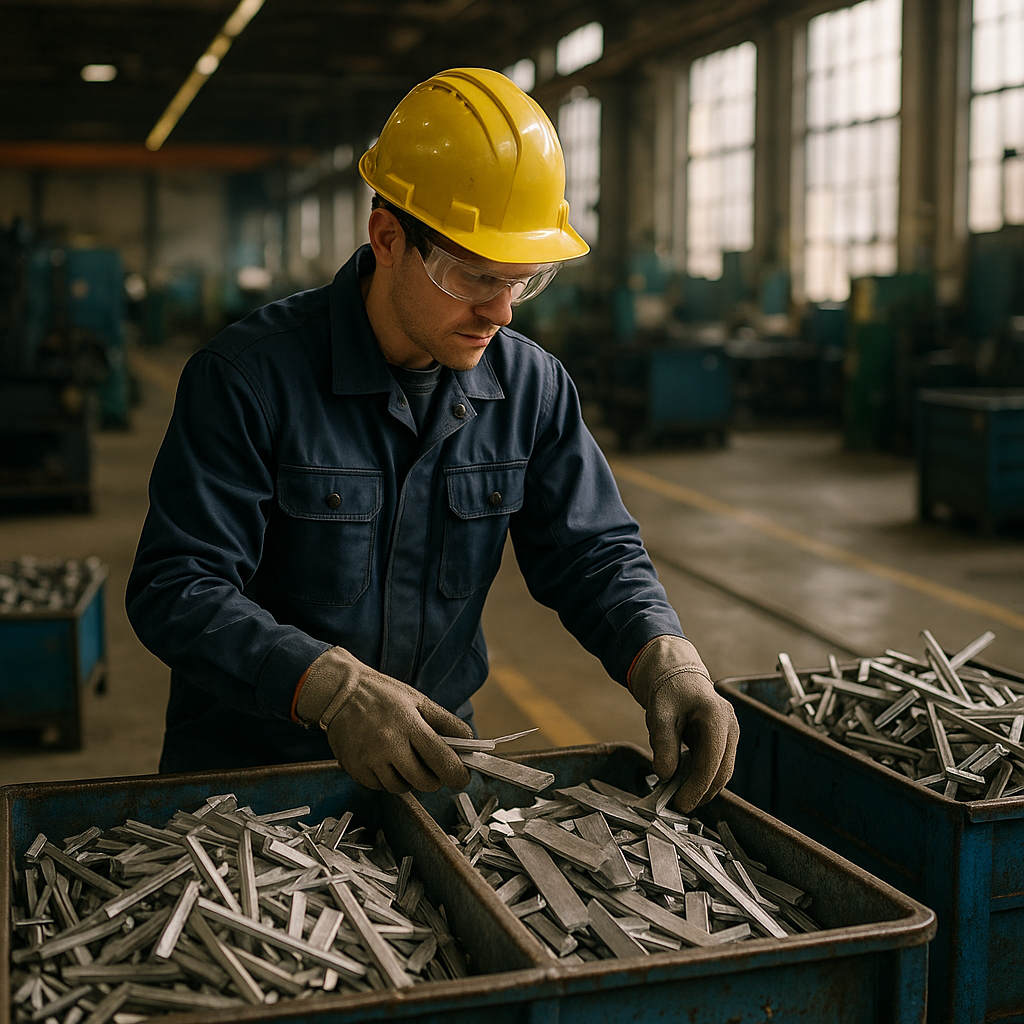
Manufacturing facilities face unique waste management challenges that require specialized expertise and resources. Professional industrial services provide essential support that goes beyond simple disposal. These services ensure factories maintain compliance, operate efficiently, and protect both their operations and the Texas environment.
Regulatory compliance protection
Texas manufacturing facilities must navigate complex environmental regulations at federal, state, and local levels. The EPA’s Resource Conservation and Recovery Act (RCRA) establishes strict requirements for hazardous waste handling. The TCEQ adds additional state-specific mandates that vary by industry. Professional services stay current with these evolving regulations, monitoring changes in disposal requirements and reporting obligations to prevent costly compliance failures.
Enhanced operational efficiency
Manufacturing staff excel at production, not waste management logistics. Professional services free up valuable employee time and resources. Your team can focus on core manufacturing processes while experts handle waste collection and sorting. Regular pickups prevent waste accumulation that can create safety hazards or workspace congestion. Professional services also provide specialized containers designed for high-volume industrial streams, resulting in smoother operations and improved productivity.
Environmental sustainability and ESG goals
Modern manufacturing facilities increasingly prioritize sustainability reporting. Professional waste management services support these goals through comprehensive recycling programs and circular economy initiatives. By providing detailed reporting on waste diversion rates and carbon offset metrics, professional recyclers help factories meet environmental goals while reducing disposal costs. This data is vital for demonstrating environmental stewardship to customers and stakeholders in 2026.
Conclusion: Selecting a Compliant Partner for Industrial Scrap Disposal
Choosing the right partner for industrial machinery scrap disposal is a strategic decision for Irving factories. A compliant partner with expertise in Texas waste regulations is essential for managing diverse metal waste streams safely and efficiently. Professional recyclers understand the complex TCEQ notification requirements and legitimate recycling standards that govern industrial waste management. By selecting an experienced service, businesses gain access to proper documentation, advanced treatment methods, and ongoing regulatory support.
The right recycling partner delivers both regulatory compliance and operational profitability. Companies that prioritize expertise and safety standards when choosing a recycler position themselves for long-term success in the circular economy.
For comprehensive industrial scrap disposal services that meet Texas regulations and maximize your material value, contact Okon Recycling at 214-717-4083.
Send Us a Message
Questions about what we do? Interested in commercial services? Let us know below and a member of our team will get back to you.