5901 Botham Jean Blvd, Dallas, TX 75215
How Much is Scrap Metal Worth Per Pound in Texas?
February 6, 2026Scrap metal prices in Texas fluctuate daily. Your old copper pipes might be worth more than expected. The value is determined by the type of metal and its condition. In early 2026, as the Texas industrial sector ramps up production to meet domestic infrastructure needs, the scrap market has become a critical component of the state’s supply chain.
Several factors influence scrap metal value in Texas. Global commodity markets set base prices, while metal grade and purity impact payouts at recycling facilities. Market demand determines what scrap yards can offer. Clean, separated materials generally receive better prices compared to mixed or contaminated scrap. Understanding the nuances between a “clean” commodity and a “dirty” one is often the difference between a profitable trip to the yard and a break-even one.
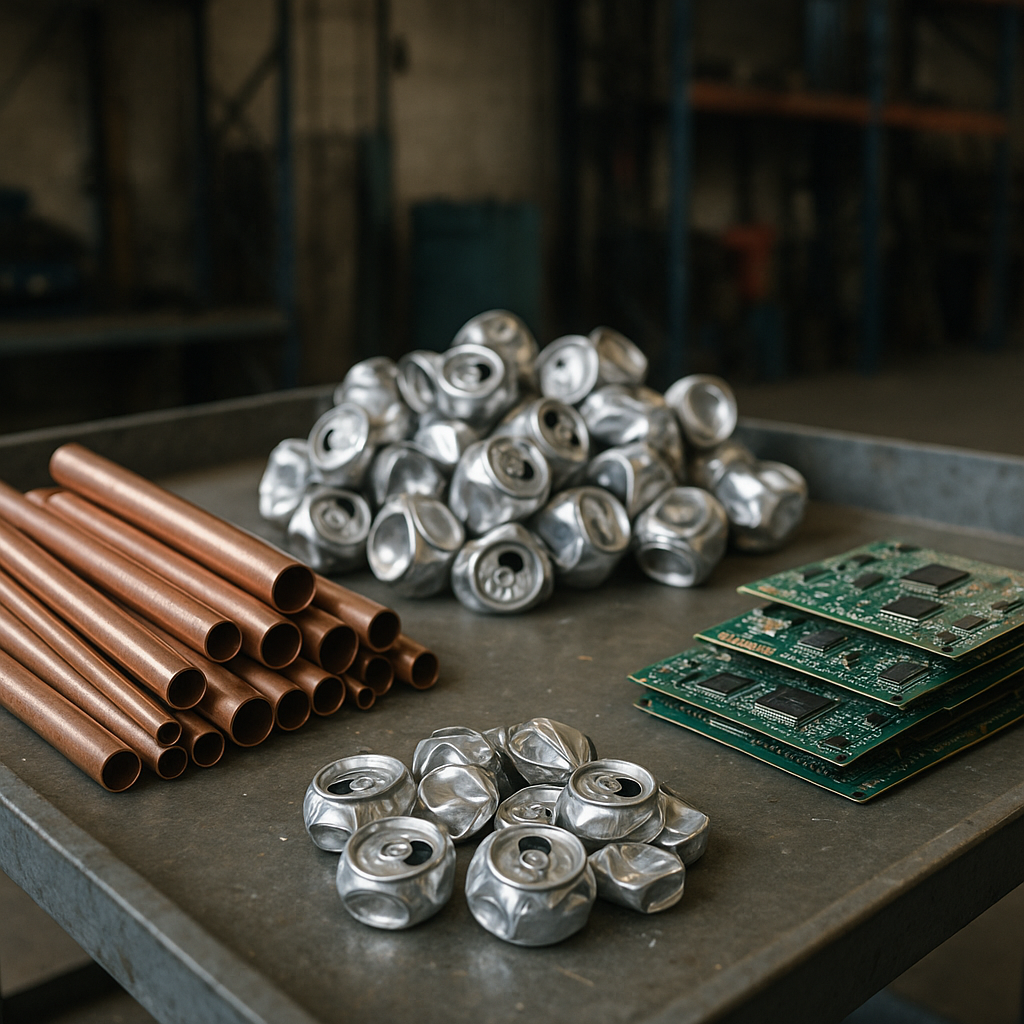
Current Texas prices illustrate the wide range in values. Copper consistently offers the highest return, with bare bright copper fetching premium rates per pound at many facilities. Aluminum cans typically bring steady returns based on volume. Steel and iron pay less per pound but can be profitable in larger quantities. Even common household items like old appliances, wiring, and aluminum siding have measurable value when processed correctly.
What Are the Current Prices for High-Value Metals Like Copper and Brass?

High-value non-ferrous metals dominate the current scrap recycling market in Texas. Copper and brass consistently offer strong returns for waste management operations and sustainability programs. Currently, these metals trade at premium rates due to global infrastructure demands and supply chain pressures, particularly from the renewable energy and data center sectors expanding across the Dallas-Fort Worth metroplex.
Copper grades and current market rates
Bare Bright Copper is the premium grade in Texas markets. Often referred to as “Bright and Shiny,” this is uncoated, unalloyed copper wire that is thicker than a pencil lead. The high purity requirements make this the most sought-after copper scrap for manufacturing, commanding the highest spot price.
#1 Copper Scrap maintains a solid price tier just below Bare Bright. This grade includes clean copper pipe, tubing, and wire that meets industry standards but may show signs of oxidation or have traces of solder. Materials recovery facilities prioritize this grade for its consistent quality and high copper content.
#2 Copper Scrap commands a lower but still significant price. This category includes oxidized copper, painted tubing, and materials with minor contaminants like fittings or heavy solder. Although it is priced lower than premium grades, it still offers excellent value for mixed copper inventories generated during renovation projects.
Brass scrap categories and pricing
Yellow Brass leads the general brass market. This common alloy—a mix of copper and zinc—is found in plumbing fixtures, valves, and hardware components. Processing facilities value yellow brass for its consistent composition. Red Brass Scrap, which contains a higher percentage of copper (often 85 percent or more), varies in price based on alloy content. High-grade red brass from industrial valves and premium machinery components can reach competitive rates that rival lower grades of pure copper.
Mixed brass materials generally fetch a lower average price depending on contamination levels. Proper sorting and cleaning—such as removing steel screws from brass door handles—can significantly improve the final payout for brass inventories.
Market volatility affects both copper and brass pricing daily. Global economic conditions, manufacturing demands, and supply chain factors influence these rates. According to experts, Texas pricing data, facilities across the state maintain competitive rates for high-quality materials. Processing capacity and metallurgical testing capabilities at recycling centers determine the accuracy of grade classifications and final payouts.
Advanced Metal Identification Technology in 2026
In the modern scrap industry, the days of guessing a metal’s value by its color are over. Advanced technology has revolutionized how Texas recyclers identify and price materials, ensuring that sellers are paid for the exact metallurgical content of their load.
Handheld XRF analyzers
X-ray Fluorescence (XRF) analyzers have become the standard tool for professional scrap yards. These handheld devices allow technicians to determine the elemental composition of a metal sample in seconds. For a customer selling stainless steel, this is vital. While 304 stainless steel is valuable, 316 stainless steel (which contains molybdenum) is worth significantly more. Without XRF verification, a seller might be paid the lower 304 rate for premium 316 material. This technology ensures transparency and fair pricing.
AI-driven optical sorting
For large industrial loads, Artificial Intelligence (AI) and robotic sorting systems are increasingly used to separate non-ferrous metals. Optical sensors can distinguish between different aluminum alloys—such as separating an extruded window frame (6063 alloy) from a cast aluminum engine block—at high speeds. This precision allows recycling facilities to ship “furnace-ready” products to domestic mills, commanding a higher price that can be passed on to the customer in the form of better buy-back rates.
How Much Are Common Metals Like Aluminum, Steel, and Iron Worth?
Common metals are fundamental to recycling operations, providing dependable returns despite lower per-pound values compared to premium metals like copper. Aluminum, for example, leads this category with consistent demand across industries from automotive to packaging.
Aluminum cans are one of the most accessible entry points into metal recycling. Because aluminum is infinitely recyclable without losing quality, the demand for Used Beverage Cans (UBCs) remains constant. Clean aluminum wheels command a premium price due to their high-grade alloy content and density. These non-ferrous metals illustrate how material condition and type directly affect final payout rates.
The volume economics of ferrous scrap
Steel and iron prices are typically quoted per ton rather than per pound due to their lower individual values. However, ferrous scrap makes up the vast majority of recycled material by weight. “Short Iron” or “Prepared Steel” trades at steady rates, while general “Shred” (mixed light iron) trades lower. Cast iron commands slightly higher rates, reflecting its specialized applications in manufacturing and construction.
Stainless steel occupies a middle ground between common ferrous metals and premium materials. Grade 304 stainless steel, the most common non-magnetic variety found in kitchen equipment, trades at rates significantly higher than regular steel. This pricing reflects stainless steel’s nickel content and corrosion resistance.
Maximizing returns from these common metals involves understanding volume economics. While individual per-pound prices may seem modest, accumulated quantities generate substantial value. A ton of mixed steel at current rates produces a respectable payout, making it attractive for construction sites and industrial facilities clearing out old machinery.
Navigating the 2026 Regulatory and Sustainability Landscape
The scrap metal industry in Texas is not just driven by prices; it is also shaped by increasingly strict regulations regarding environmental sustainability and critical infrastructure protection.
Texas laws on metal theft (HB 3552 / SB 1646)
In response to the rise in infrastructure theft, Texas has implemented strict laws regarding the sale of certain materials. As of 2026, selling “regulated materials”—which include burnt copper wire, catalytic converters, and aluminum wire from utility infrastructure—requires rigorous documentation. Sellers must provide valid government identification, and facilities must record digital fingerprints or video evidence of the transaction. For honest recyclers, this means that “preparing” your metal (stripping wire legally) is better than burning it, which renders it unsellable at reputable yards.
The “Green Steel” initiative
Texas is a leader in “Green Steel” production, which utilizes Electric Arc Furnaces (EAFs) to melt scrap steel rather than creating new iron from ore. This process creates a structural demand for local scrap. Corporations with “Scope 3” emission reduction goals are prioritizing recycled steel because it lowers their carbon footprint. This means that the scrap you sell in Dallas is likely staying in Texas to build the next generation of infrastructure, creating a stable, local demand loop that insulates prices from some international volatility.
What About the Value of Electronics, Lead, and Other Scrap Materials?
Beyond traditional metals, several other scrap categories offer significant recovery value for waste management operations. Electronics scrap represents an expanding revenue stream. The electronic waste sector continues to grow as businesses and municipalities upgrade technology infrastructure at unprecedented rates.
Hard drives with circuit boards fetch premium pricing, making them among the most valuable electronic components in the waste stream. Telecom equipment varies significantly in value depending on the gold and silver content of the connectors. These price variations reflect different recovery rates and material compositions found in various electronic devices.
Lead and zinc recovery
Lead scrap maintains steady demand despite regulatory restrictions on its use in consumer products. Clean lead—often found in roofing flashings or shielding—sells for consistent rates. Lead wheel weights have a different value proposition due to contamination with steel clips and grease. Zinc die-cast scrap, commonly found in automotive parts and hardware fixtures, provides consistent returns. The material’s recyclability makes it an attractive option for manufacturers seeking sustainable raw material sources.
Car bodies represent volume-based scrap purchases typically sold by the ton. These complete vehicle structures contain multiple material types, including steel, aluminum components, and platinum-group metals in catalytic converters. Processing facilities evaluate car bodies based on total weight, ease of dismantling, and remaining fluid contamination levels.
What Key Factors Influence Scrap Metal Prices in Texas?
Scrap metal prices fluctuate based on a variety of interconnected factors that can shift several times within a single day. Understanding these variables helps maximize returns when selling scrap materials to Texas recycling facilities.
Material quality and preparation
The most immediate pricing factors relate to your material’s quality and preparation. Metal grade determines the baseline value, with higher grades commanding premium rates. Bare bright copper wire, for example, pays significantly more per pound than lower-grade copper with oxidation. Similarly, clean aluminum extrusions receive higher payouts than aluminum with steel screws attached. Material purity directly impacts processing costs; contaminated metals require additional separation, which reduces the price offered to sellers.
Global market forces
International supply and demand dynamics create the foundation for all scrap metal pricing. When major manufacturing economies increase industrial production, global demand for recycled materials rises, pushing prices higher across Texas markets. Commodity exchanges play a crucial role in establishing baseline pricing. The London Metal Exchange (LME) and COMEX provide reference points that influence daily rate adjustments at scrap yards.
Operational costs and energy
Energy costs directly influence recycling economics and pricing structures. Higher electricity and fuel prices raise processing expenses, which facilities must factor into their purchase rates. Transportation costs for moving heavy materials from collection points to processing centers also affect the prices offered to sellers. Key factors include:
- Metal Type and Grade: Specific alloy composition and industry classification.
- Material Condition: Cleanliness, sorting, and contamination levels.
- Global Demand Patterns: Industrial activity in major consuming markets.
- Economic Indicators: Manufacturing output and construction activity.
Conclusion: Getting the Best Price for Your Scrap Metal
To determine the value of your scrap metal per pound in Texas, it is essential to understand that prices largely depend on the type of metal and current market conditions. High-value metals like copper and brass offer significant returns, while aluminum, steel, and iron become profitable in larger quantities. Clean copper can fetch premium rates, with brass typically ranging from mid-to-high values per pound. Aluminum and steel, though lower in individual value, provide steady recycling returns when accumulated in sufficient amounts.
As daily rates fluctuate based on global market value and local demand, always check with reputable local scrap yards for the latest rates before bringing in your materials. This ensures you receive the best possible payout for your recycling efforts. For professional recycling services, accurate XRF grading, and competitive pricing in the Dallas area, contact Okon Recycling at 214-717-4083.
Send Us a Message
Questions about what we do? Interested in commercial services? Let us know below and a member of our team will get back to you.