5901 Botham Jean Blvd, Dallas, TX 75215
What is the Best Way to Get Rid of Old HVAC Units and Copper Pipes from a Remodel?
April 1, 2026Remodeling projects often leave property managers and contractors facing the challenge of dealing with heavy, bulky HVAC units and copper pipes that can’t simply be disposed of in a dumpster. These materials present unique disposal complications due to their weight, regulated refrigerants like Freon, and valuable metal content that should not end up in landfills.
HVAC systems contain refrigerants such as R-22 and R-410A, which require EPA-compliant removal by certified technicians before disposal. Meanwhile, copper pipes offer significant scrap metal value, potentially offsetting disposal costs when handled correctly. The complexity increases with air conditioner disposal, as these units often contain both regulated refrigerants and valuable metals.
Understanding your disposal options ensures compliance with federal regulations while maximizing material recovery value. Professional junk removal services offer comprehensive solutions, but self-recycling at specialized facilities can yield better returns for those willing to manage the logistics.
How Should You Prepare Copper Pipes For Recycling To Maximize Their Value?

Preparation directly affects how much money you receive for scrap copper. Clean, properly sorted copper commands significantly higher prices than mixed or contaminated materials. Taking the time to prepare copper pipes correctly can double or even triple your payout at recycling facilities.
Sort Copper By Grade For Maximum Value
Begin by separating your copper pipes into distinct grade categories. #1 copper represents the highest value grade and includes clean, unalloyed copper pipes free from attachments, paint, or solder. This grade fetches premium prices due to the minimal processing required at recycling facilities.
#2 copper includes pipes with minor contaminants such as light oxidation, small amounts of solder, or minimal paint coverage. While still valuable, this grade pays less than #1 copper because of additional processing needs. Accurate sorting ensures you receive appropriate payment for each quality level.
Mixed grades reduce your overall payout because buyers must price everything at the lowest grade present. Proper sorting maximizes the value of higher-grade materials while ensuring fair compensation for lower-grade pieces.
Remove Non-Copper Components
Non-copper attachments significantly reduce scrap metal value by adding weight without corresponding value. Use the proper tools to remove brass fittings, valves, and connection points before transport. These components often have their own recycling value when separated correctly.
Cut away soldered joints where possible using pipe cutters or hacksaws. Solder contamination downgrades clean copper to #2 status, reducing the per-pound price. Clean cuts also eliminate safety hazards from sharp or irregular edges during handling.
Remove any steel brackets, mounting hardware, or support materials attached to copper pipes. Metal separation allows recycling facilities to process materials more efficiently while ensuring accurate weight measurements for payment calculations.
Clean Surfaces And Strip Insulation
Surface cleaning greatly impacts copper grade classification and final payout amounts. Scrape off paint, corrosion, or protective coatings using wire brushes or paint scrapers. Clean copper surfaces allow buyers to assess material quality accurately, often upgrading pieces from #2 to #1 status.
Strip insulation from copper tubing carefully to avoid damaging the underlying metal. Insulated copper wire typically pays significantly less per pound than bare copper due to the weight of non-metallic materials. Wire stripping tools provide clean removal without nicking or scoring the copper surface.
Heavy corrosion requires more aggressive cleaning methods but can substantially increase scrap preparation value. Light sanding or steel wool removes oxidation while preserving the copper’s structural integrity for recycling processes.
Size And Bundle For Transport
Cut copper pipes into manageable lengths between 2-4 feet for easier handling and transport. Shorter pieces fit better in vehicles and reduce loading difficulties at recycling facilities. Standard lengths also facilitate accurate weighing and sorting processes.
Bundle similar grades together using wire ties or strapping to maintain organization during transport. Separate bundles prevent grade mixing and demonstrate professional scrap preparation to buyers. Well-organized materials often receive priority handling and faster processing times.
| Preparation Step | Action Required | Value Impact |
|---|---|---|
| Remove Solder Joints | Cut off soldered ends or elbows. | Upgrades material from #2 Copper to #1 Copper. |
| Remove Brass Fittings | Unscrew or cut off valves/fittings. | Prevents downgrade to mixed metal (“dirty copper”) pricing. |
| Strip Insulation/Paint | Remove plastic coating or paint. | Significant value increase (Insulated vs. Bare price). |
| Separate Steel/Iron | Remove screws, brackets, and clamps. | Ensures acceptance as non-ferrous scrap (highest value). |
Securing bundles prevents shifting during transport, which could cause damage or safety hazards. Proper bundling also makes unloading more efficient, reducing time spent at recycling facilities. Professional presentation builds relationships with buyers and can lead to better pricing over time.
What Are Your Main Options For Disposing Of Old HVAC Units And Pipes?
Property managers and facility operators have several viable pathways for disposing of retired HVAC equipment. Each option offers distinct benefits depending on your priorities, whether maximizing material recovery value or minimizing operational disruption.
Scrap Yards And Metal Recycling Facilities
Dedicated scrap yards provide the most financially rewarding disposal route for HVAC components. These facilities specialize in processing metal-rich equipment and typically offer competitive pricing for copper, aluminum, and steel materials. HVAC systems contain substantial quantities of valuable metals that scrap yards actively seek.
Copper tubing, aluminum coils, and steel housings command different market rates at scrap facilities. Professional preparation can significantly increase your return. Separating copper from aluminum radiators and removing steel banding allows facilities to provide clean metal pricing rather than mixed material rates.
Most scrap yards require proof of ownership and proper refrigerant evacuation before accepting HVAC units. Contacting facilities beforehand to understand their specific requirements and current pricing structures is recommended.
Municipal Recycling Centers
Local municipal recycling centers offer another established disposal channel for HVAC equipment. These facilities often accept appliances containing refrigerants and have protocols for safe handling. Municipal programs typically focus on environmental compliance rather than maximizing material value.
Many municipal centers coordinate with certified technicians to ensure proper refrigerant recovery before processing, removing the burden of arranging separate refrigerant evacuation. However, compensation for materials is generally lower than at dedicated scrap operations.
Contact your local waste management authority to verify acceptance policies and any associated fees. Some programs require appointments or have specific drop-off days for large appliances.
Professional Junk Removal Services
Professional removal services offer maximum convenience for busy operations. These companies handle all aspects of HVAC disposal, from initial disconnection to final processing, which is beneficial for facilities lacking the equipment or personnel for safe equipment removal.
Reputable junk removal companies ensure responsible disposal through established recycling partnerships. They typically manage refrigerant evacuation, transportation, and delivery to proper facilities. Many services provide documentation showing your equipment reached appropriate recycling channels.
The convenience premium varies significantly between providers. Request detailed information about their recycling processes and certifications before committing to services.
Community Recycling Events
Some municipalities organize special collection events for metal appliances and HVAC equipment, offering free disposal for residents and businesses. Community events typically partner with certified recycling facilities to ensure proper processing.
Special events may offer benefits beyond standard municipal programs, including on-site refrigerant evacuation and documentation. However, scheduling constraints require advance planning. Resources like Earth911.com help locate upcoming events in your area.
Event organizers often prioritize environmental education alongside material recovery. These programs demonstrate community commitment to responsible waste management while providing convenient disposal options.
What Are The Environmental And Economic Benefits Of Recycling Copper?
Environmental Benefits Drive Sustainability
Recycling copper offers substantial environmental advantages, making it essential for sustainable waste management. The energy savings are significantly high, with copper recycling using up to 85% less energy than extracting copper from newly mined ore, according to the International Copper Association.
These energy reductions directly result in lower greenhouse gas emissions across the entire supply chain. Globally, copper recycling prevents 40 million metric tons of carbon dioxide from being released into the atmosphere annually. This significant contribution aids climate change mitigation efforts and reduces the overall carbon footprint of copper production.
Resource conservation is another critical benefit. Copper mining can lead to habitat destruction, water pollution, and various environmental impacts. By recycling existing copper materials, the demand for new mining operations decreases, helping to preserve valuable natural resources for future generations.
Economic Value Creates Financial Incentives
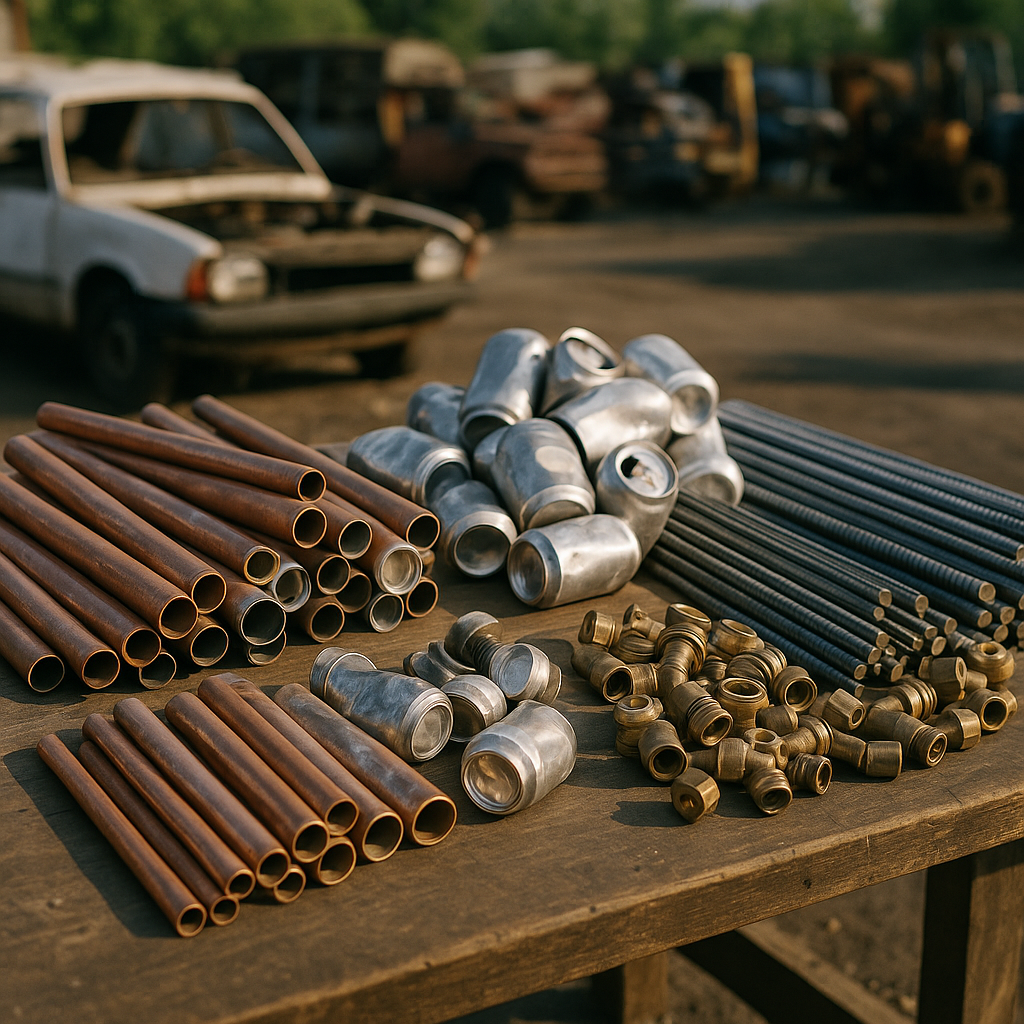
The economic benefits of copper recycling provide strong financial incentives for both individuals and businesses. Currently, clean #1 copper commands prices between $3.50 and $3.80 per pound in scrap markets due to copper’s consistent demand in electrical, construction, and manufacturing sectors.
Premium-grade copper scrap retains at least 95% of the value of newly mined copper, making it a favorable choice for recyclers and processors. This pricing structure ensures recycling remains economically viable while supporting the circular economy principles that drive sustainable resource management.
For contractors, electricians, and homeowners, recycling copper offers direct financial returns. Construction and renovation projects often produce considerable copper wire, pipe, and fittings, which can be collected and sold to recycling facilities. These transactions not only provide immediate income but also help reduce disposal costs associated with construction waste management.
Businesses also benefit from cost savings by avoiding landfill disposal fees and reducing overall waste management expenses. The combination of scrap revenue and reduced disposal costs makes copper recycling an economically sound practice that supports profitability and environmental responsibility.
What Should You Consider Before Taking Scrap To A Recycling Facility?
Recycling facilities have specific requirements to prevent theft and ensure proper material handling. Being prepared for these requirements saves time and maximizes your returns.
Documentation And Identification Requirements
Most facilities require valid identification due to concerns about copper theft and regulatory compliance. Bring a government-issued photo ID and be prepared to provide proof of ownership for valuable metals. Some facilities may ask detailed questions about how you obtained the materials, especially for high-value items like copper wire or condenser coils.
Business operators should maintain documentation showing legitimate acquisition of scrap materials. This includes receipts, work orders, or contracts that demonstrate the materials came from authorized sources. These records protect both your organization and the recycling facility from potential legal issues.
Proper Refrigerant Disposal
Appliances containing refrigerant require special handling before recycling. Federal regulations mandate proper refrigerant recovery from air conditioning units, refrigerators, and heat pumps. Many facilities cannot accept these items without proof of proper refrigerant disposal.
Hire certified technicians to remove refrigerants from evaporator coils and other cooling components. Keep documentation showing proper disposal, as recycling facilities often require this paperwork before accepting the remaining metal components.
Metal Separation For Better Pricing
Separating different metals significantly impacts your payout. Mixed metals typically receive the lowest price category, regardless of valuable components present. Although removing aluminum fins from copper coils requires effort, the price difference often justifies the labor investment.
Consider basic separation techniques before transport. Remove insulation from copper wire when possible, separate aluminum components from steel frames, and sort brass fittings from other materials. These steps can increase returns by 20-40% compared to mixed loads.
Clean metals command higher scrap metal prices than contaminated materials. Remove dirt, grease, and non-metal attachments when feasible. Some facilities offer different pricing tiers based on material cleanliness and preparation quality.
Conclusion: Making The Right Disposal Choice
Properly disposing of old HVAC units and copper pipes offers both environmental benefits and financial returns. Proper preparation not only maximizes scrap value but also supports the circular economy through materials recovery. Professional services manage the complexities of refrigerant removal and compliance with regulations, turning potential disposal challenges into a streamlined process.
Choosing the right disposal method ensures your remodeling cleanup is both efficient and sustainable. For expert help with HVAC recycling and copper pipe disposal, contact Okon Recycling at 214-717-4083.
Send Us a Message
Questions about what we do? Interested in commercial services? Let us know below and a member of our team will get back to you.