5901 Botham Jean Blvd, Dallas, TX 75215
What Scrap Metal Services Are Available in Hutchinson County?
January 27, 2026Scrap metal recycling has become an essential component of sustainable waste management in Hutchinson County, Texas. As businesses and residents increasingly recognize the environmental and economic value of metal recovery, understanding available services and industrial best practices has never been more important. In 2026, as manufacturing reshoring and the demand for domestic raw materials grow, scrap metal has transitioned from a disposal burden to a strategic financial asset.
Whether you are a homeowner looking to dispose of old appliances, a contractor managing construction debris, or an industrial facility seeking ongoing metal recovery solutions, professional recycling facilities in the Texas Panhandle offer comprehensive services designed to meet these diverse needs. This guide explores the range of scrap metal recycling services available in the Hutchinson area and provides strategies for maximizing material value while supporting regional sustainability goals.
What Services Do Scrap Metal Recycling Facilities Offer in Hutchinson County?
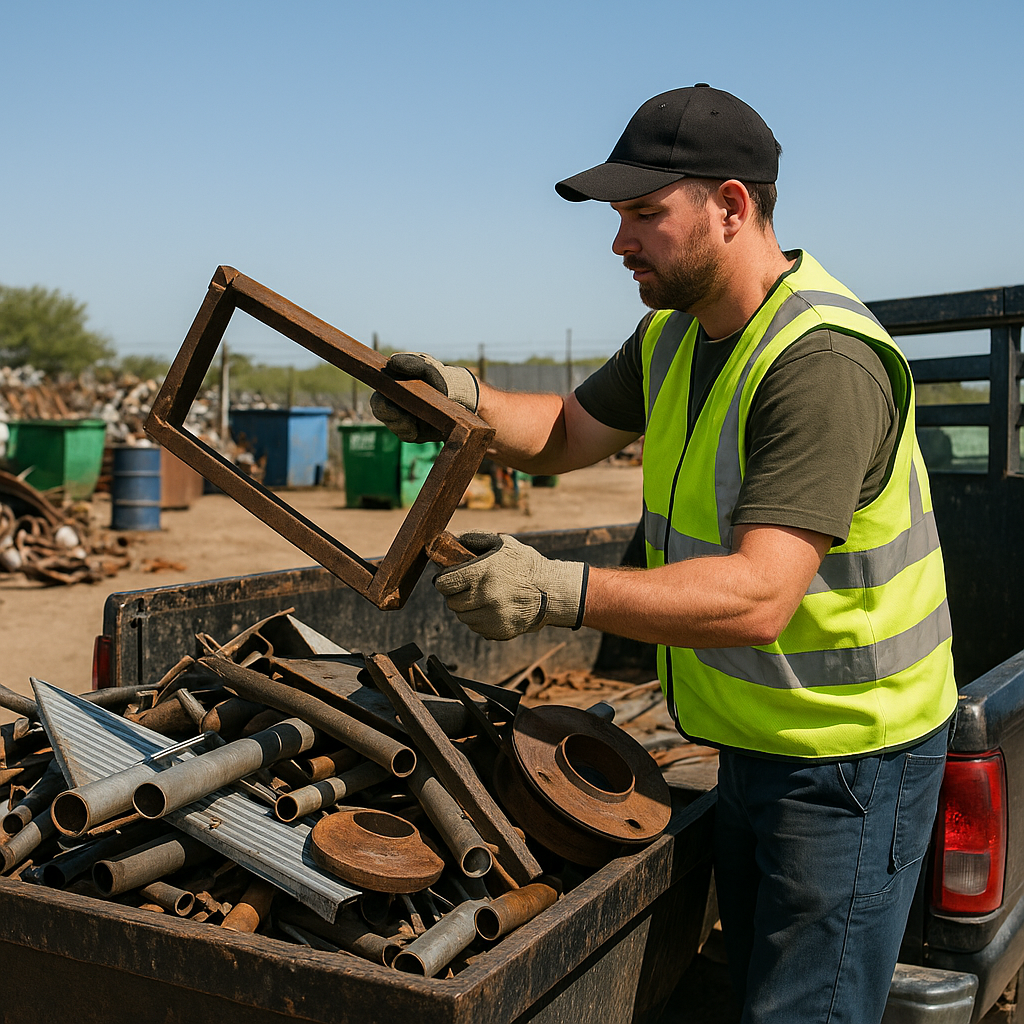
Professional scrap metal facilities in the Hutchinson area offer comprehensive services to meet various material recovery needs. These facilities are crucial for municipalities, businesses, and industrial operations seeking efficient waste management solutions. Understanding the full range of available services helps organizations make informed decisions about their metal recycling partnerships.
Metal purchasing and processing
Most facilities purchase both ferrous and non-ferrous metals from various sources. Ferrous metals, including steel, iron, and cast iron, are commonly found in construction debris and automotive applications. These materials contain iron and are magnetic, making them easier to sort using advanced separation technologies. In 2026, the demand for recycled steel in the United States remains high, particularly for use in electric arc furnaces (EAFs).
Non-ferrous metals, such as aluminum, copper, brass, and stainless steel, typically command higher market prices due to their superior properties and widespread industrial demand. Professional facilities use advanced sorting technologies, including spectrometers and visual identification systems, to ensure accurate material classification. Processing capabilities often include shredding, shearing, and torching services to prepare materials for efficient melting and purification at the refinery level.
Container and transportation solutions
Container services are essential for larger projects and ongoing industrial operations. Facilities provide various container sizes, including roll-off bins, hoppers, and specialized tubs to match specific project requirements. This service is particularly valuable for demolition jobs, commercial construction sites, and industrial accounts with regular scrap generation.
Many facilities offer both scheduled pickup services and flexible drop-off options to meet different operational needs. Transportation logistics extend beyond basic collection to include rail and truckload transfers for large-scale operations. These comprehensive logistics solutions streamline the entire recycling process from the point of generation to the final processing facility, reducing the “soft costs” associated with waste management.
Specialized recycling programs
Electronics recycling has become increasingly important as businesses upgrade their technology infrastructure. Facilities equipped to handle electronic waste employ specialized extraction techniques to recover valuable metals from circuit boards, wiring, and components. This service requires certified recycling practices to ensure the proper handling of potentially hazardous materials while maximizing material recovery rates.
Appliance recycling services address the growing volume of discarded refrigerators, washing machines, and HVAC equipment. These programs include proper refrigerant recovery to comply with EPA standards and component separation to maximize material recovery. Some facilities also offer specialized industrial equipment processing for large-scale operations requiring complete material recovery solutions, such as the decommissioning of oil field machinery common in West Texas.
| Service Category | Industrial & Residential Description |
|---|---|
| Industrial Scrap Management | Full-scale recovery for manufacturers, including on-site bins and logistics. |
| Commercial Debris Removal | Extraction of metals from construction and demolition (C&D) sites. |
| Precision Metal Grading | Use of XRF analyzers to identify high-value alloys and non-ferrous metals. |
| Certified Destruction | Secure disposal of proprietary equipment or sensitive electronic hardware. |
| Appliance & HVAC Recovery | Safe recycling of large machinery, including certified refrigerant extraction. |
The Economic Drivers of Scrap Metal in the Texas Panhandle
The scrap metal market in Hutchinson County is influenced by both local industrial activity and global commodity trends. For business owners, understanding these drivers is the key to timing their recycling efforts for the highest possible financial return.
Agricultural and oil field impacts
Hutchinson County’s economy is deeply rooted in agriculture and energy production. These sectors generate massive volumes of heavy steel scrap. When a drilling rig is decommissioned or a farm upgrades its combine harvesters, the resulting scrap metal enters the local market. In 2026, the pricing for “Heavy Melting Steel” (HMS) is closely tied to domestic infrastructure projects. By recycling these large assets locally, businesses save on transportation costs while feeding the raw materials needed for Texas-based steel mills.
The demand for high-purity copper and aluminum
As the United States shifts toward a more electrified economy, the demand for copper and aluminum has reached historic levels. High-grade copper wire and aluminum extrusions are essential for renewable energy projects and modern data centers. For Hutchinson County businesses, this means that even small volumes of non-ferrous scrap can represent significant revenue. Professional recycling partners now use digital tracking to help businesses monitor these commodity prices, allowing them to sell their inventory when the market is at a peak.
How Can You Get the Best Price for Your Scrap Metal?
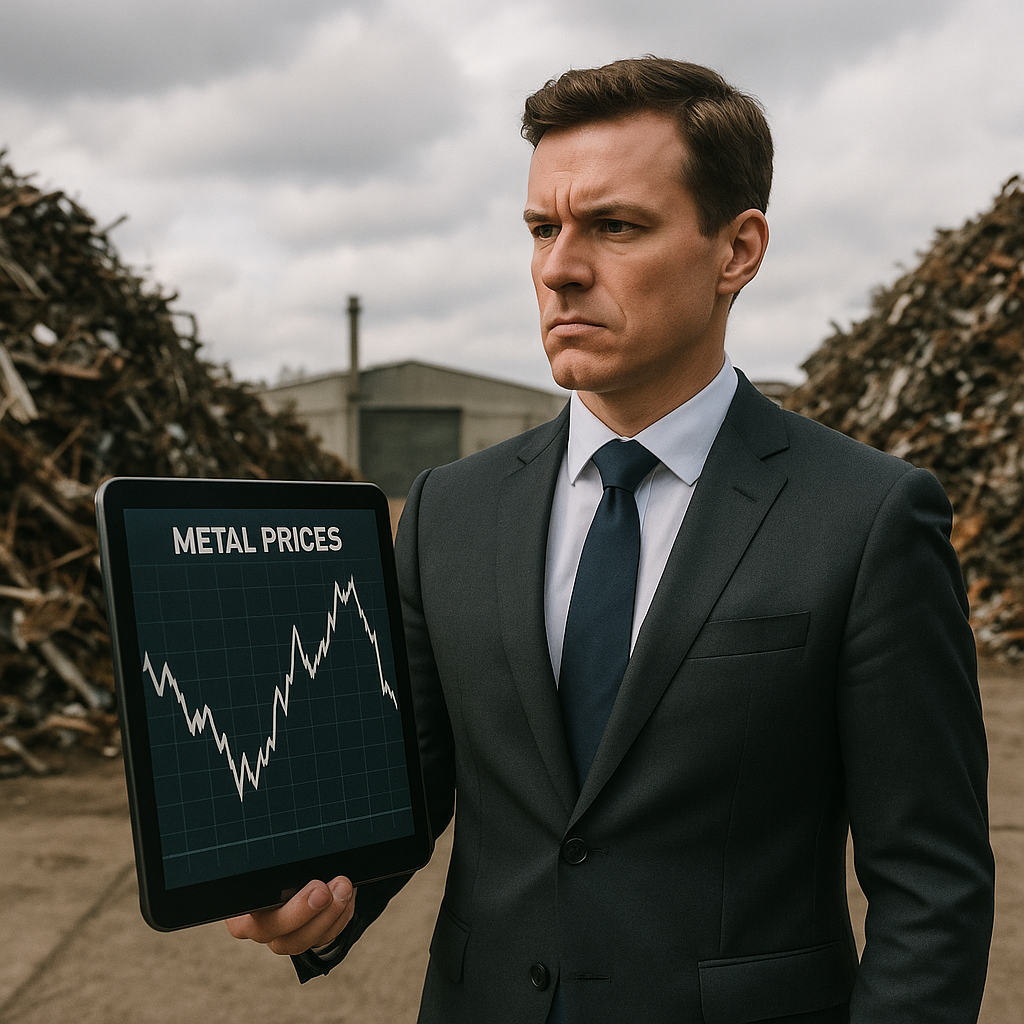
Maximizing your recycling payout requires a strategic approach to sorting and preparation. Industrial facilities that view scrap as a product rather than a byproduct consistently see higher financial returns.
Separate materials by type and grade
Maximizing scrap value begins with a simple magnet test to distinguish ferrous (magnetic) metals from non-ferrous (non-magnetic) ones. Non-ferrous metals like copper, aluminum, and brass usually fetch prices significantly higher than ferrous materials such as steel and iron. Beyond this, further sorting into specific types is beneficial. For example, separate copper pipes from insulated wiring, and group aluminum window frames separately from beverage cans. Each metal type has distinct grades that influence pricing at the scale.
Clean and prepare materials properly
Recyclers pay a premium for “furnace-ready” scrap. Prepare materials by removing non-metal attachments and contaminants. Clean copper tubing without brass fittings, insulation, or heavy corrosion commands the highest pricing because it can be processed more efficiently. Eliminate dirt, grease, paint, and rust before visiting the facility. For valuable metals like copper, even thin layers of oxidation can lead to a downgrade in material classification. Dismantling complex items, such as an old motor or transformer, can yield significantly more value than scrapping the item whole.
Monitor market fluctuations and timing
Scrap metal prices fluctuate based on global supply and demand, economic conditions, and energy costs. Use industry resources and market data to understand current pricing patterns. Steel prices in early 2026 reflect the ongoing demand for domestic construction, while copper trades at a premium due to its role in green technology. Seasonal factors also play a role; construction activity typically increases during the spring and summer, boosting demand for structural metals.
Optimize transportation and volume
Bulk quantities generally command better pricing due to reduced handling costs per unit for the recycler. Accumulate larger amounts of sorted materials before selling when storage space allows. For substantial quantities, consider the commercial pickup services offered by professional facilities. These services often provide cost-effective collection for qualifying volumes, eliminating the logistical burden on your staff and ensuring that materials are handled safely and efficiently.
Safety and Compliance: Navigating Texas Recycling Regulations
Handling and transporting tons of metal scrap involves physical risks and regulatory obligations. For businesses in Borger and throughout Hutchinson County, staying compliant is vital for protecting the organization from legal and environmental liability.
Adhering to the Texas Metals Program
The Texas Department of Public Safety (DPS) regulates metal recycling entities to deter the trade of stolen materials. Under state law, all scrap metal transactions must be documented with specific identifying information, including a photograph of the seller and their vehicle. For businesses, this means your recycling partner must maintain a transparent audit trail. Working with a fully licensed and insured recycler ensures that your scrap sales are legally compliant and that your business is protected during the transaction.
Physical safety during loading and transport
Scrap metal can be sharp, heavy, and unpredictable. Industrial facilities should establish a “safety zone” for scrap collection, ensuring that workers have the proper personal protective equipment (PPE) and material handling tools. When using roll-off container services, it is essential to load the bin evenly to prevent weight shifts during transport. Professional recycling partners provide on-site safety assessments to help Hutchinson County businesses minimize the risk of workplace injuries during the decommissioning or cleanup process.
What Are the Environmental and Economic Benefits of Recycling Metal?
Metal recycling offers significant environmental and economic advantages, making it one of the most effective waste management strategies for modern industry. The process converts what is often deemed waste into valuable industrial feedstock while protecting natural ecosystems.
Resource conservation and environmental impact
Recycling metal significantly reduces the environmental impact of extracting raw materials. Mining virgin ore involves heavy machinery and complex smelting processes that disrupt local habitats. By recycling, businesses conserve finite natural resources like iron ore and bauxite. The energy savings are remarkable: recycling aluminum saves about 95 percent of the energy needed for primary production, while steel recycling uses nearly 60 percent less energy. Each ton of recycled metal represents a measurable decrease in the carbon footprint of the manufacturing sector.
Economic integration and the circular economy
Scrap metal is a valuable asset instead of a disposal liability. Unlike materials that degrade through repeated processing, metals can be endlessly melted down and reformed without losing quality. This maintains a strong, permanent demand from manufacturers. The recycling industry supports thousands of jobs across Texas and generates significant tax revenue while strengthening local supply chains. By keeping materials in continuous use, Hutchinson County businesses support a resilient economic system that balances resource needs with environmental stewardship.
Choosing a Scrap Metal Partner in Hutchinson County
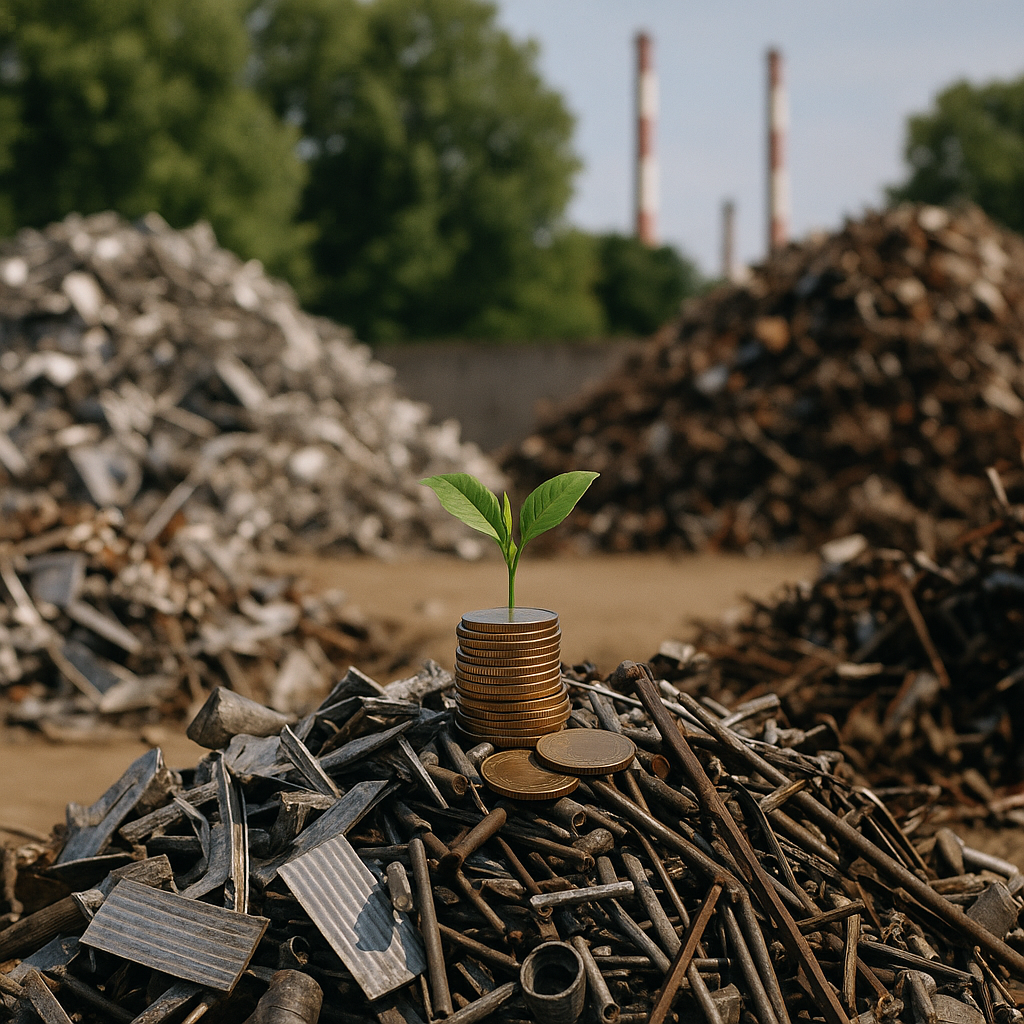
Engaging with professional scrap metal services offers Hutchinson County residents and businesses an efficient waste management solution that bolsters environmental sustainability. These services simplify the disposal process, support resource conservation, and reduce landfill waste. From household appliances to extensive industrial projects, local facilities provide the expertise and infrastructure needed for responsible recycling.
These partnerships deliver enduring benefits for both property owners and industrial operations in the Panhandle. Collaborating with experienced providers gives organizations access to transparent pricing, efficient logistics, and comprehensive material processing that maximize recovery value.
For complete recycling solutions and expert guidance on your scrap metal needs, contact Okon Recycling at 214-717-4083.
Send Us a Message
Questions about what we do? Interested in commercial services? Let us know below and a member of our team will get back to you.