5901 Botham Jean Blvd, Dallas, TX 75215
Scrap Metal Consignment Services in Texas: A Quick Guide
December 24, 2025Texas businesses produce millions of tons of metal waste annually, yet many still pay disposal fees instead of monetizing that waste. Scrap metal consignment services in Texas provide a better solution. These specialized programs allow companies to partner with professional recycling facilities that manage the entire lifecycle of industrial waste, from on-site collection to final processing.
In commercial scrap metal consignment, recyclers collect, sort and sell metal waste on behalf of businesses. The recycler handles all logistics while the business owner receives payment based on current market prices. This arrangement eliminates the hassle of finding individual buyers, negotiating prices or transporting bulky materials. Companies can focus on their core operations while their metal waste generates a consistent, automated revenue stream.
Industrial Consignment Services and Container Options
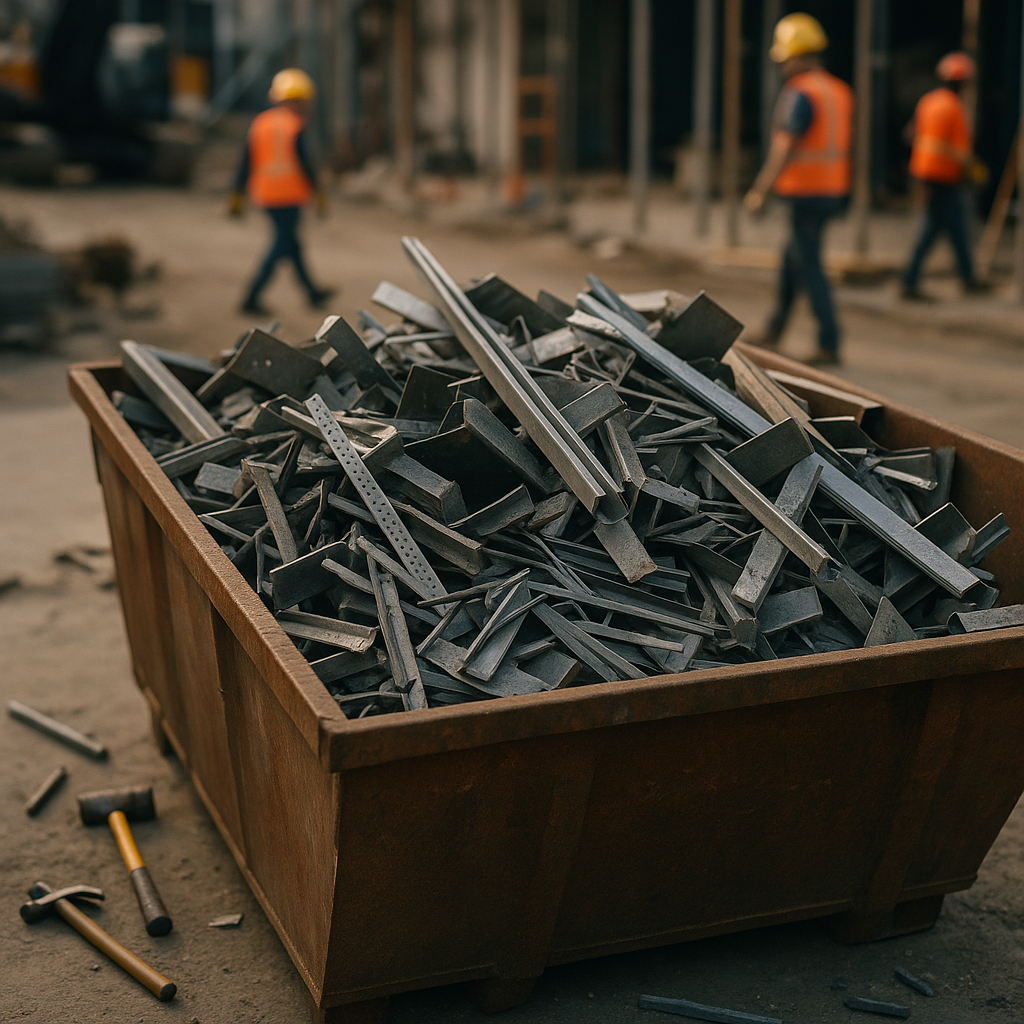
To support high-volume generators, professional scrap metal recyclers in Texas provide comprehensive container solutions designed for industrial efficiency. Choosing the right container is the first step in a successful consignment program, as it dictates how effectively materials can be segregated and transported.
Roll-Off and Specialized Containers
Roll-off containers are the standard for large-scale operations. Available in sizes ranging from 20 to 40 yards, these containers accommodate substantial quantities of ferrous and non-ferrous metals. For facilities with limited space, recyclers provide specialized bins, hoppers and tubs. Forklift-compatible containers allow workers to move materials efficiently within the plant before collection, minimizing labor costs and improving site safety.
Fleet and Logistics Support
Professional collection services are the backbone of a successful consignment partnership. Most industrial recyclers operate dedicated fleets, including roll-off trucks, flatbeds, lowboys and drop deck trailers. This variety allows for the handling of everything from fine machine shop turnings to massive structural steel beams. Scheduled pickups ensure that containers never overflow, while on-call services address surge volumes during facility cleanouts or production spikes.
| Container Type | Primary Use Case | Typical Materials |
|---|---|---|
| Open Top Roll-Off | Large-scale demolition or manufacturing | Heavy steel, rebar, machinery |
| Self-Dumping Hopper | In-plant material movement | Aluminum clips, brass turnings |
| Flat Rack | Oversized industrial equipment | Chillers, boilers, large motors |
| Gaylord Boxes | Palletized and sorted high-value scrap | Insulated copper wire, e-waste |
| Double Door Container | Long-form industrial materials | Steel pipe, structural beams |
The Scrap Metal Consignment and Handling Process
The consignment process is designed to be transparent and data-driven. It begins with a waste audit where a recycling representative assesses the facility’s scrap flow. This consultation identifies the best placement for containers and the frequency of service required to keep production lines running smoothly.
Verification and Weighing
When materials reach the facility, they are weighed on certified scales. These scales are regularly calibrated to meet state standards, ensuring accurate measurements. For consignment clients, these weights are recorded and cross-referenced with material grades to calculate the final payout based on the day’s market rates.
Processing and Material Grading
Once weighed, materials undergo secondary sorting. Advanced technology, such as XRF (X-ray fluorescence) analyzers, identifies specific alloys. Proper grading is essential because a single mistake—such as labeling 316 stainless steel as common iron—can cost a business thousands of dollars in lost revenue. Consignment partners provide detailed reporting that shows the exact grade of every load processed.
Documentation and ESG Reporting
In 2025, documentation is more than just a financial record; it is a tool for Environmental, Social and Governance (ESG) compliance. Professional recyclers provide digital tracking portals where businesses can monitor their transactions, shipments and environmental impact in real-time. This includes data on energy saved and carbon emissions avoided through the recycling of their specific waste streams.
Advanced Industrial Recovery: Maximizing Consignment Value
Not all scrap is created equal. To get the most out of a consignment agreement, Texas businesses should understand how different processing methods impact their bottom line. Advanced recovery techniques can extract value from waste streams that were previously considered unsalvageable.
Material Harvesting and Dismantling
For businesses undergoing facility upgrades, “material harvesting” is a specialized service within the consignment framework. Instead of simply crushing old machinery, recyclers dismantle it to recover high-value components. For example, an industrial chiller contains significant amounts of copper tubing and aluminum fins. By dismantling the unit rather than scrapping it as “mixed iron,” a business can often double or triple the material’s recovery value.
Boneyard Cleanups and Surplus Management
Many Texas industrial sites have “boneyards”—areas where obsolete equipment and metal debris have accumulated for years. Consignment services can include comprehensive boneyard cleanups. Recyclers deploy mobile shears and balers to process the material on-site, transforming a logistical eyesore and safety hazard into a significant one-time revenue infusion. This also clears valuable real estate for new production or storage needs.
Alloy Segregation Training
A key value-added service in consignment is staff training. Recyclers work with a company’s floor workers to implement color-coded bin systems. By teaching staff to keep “clean” aluminum separate from “contaminated” aluminum, a business ensures that its scrap receives the highest possible market grade. This simple operational shift can increase the value of a consignment check by 20 to 30 percent without increasing the volume of waste produced.
Regulatory Compliance and Texas Scrap Metal Laws
Operating a scrap metal program in Texas requires strict adherence to state laws managed by the Department of Public Safety (DPS). Businesses and their recycling partners must navigate these rules to avoid legal liability and ensure all transactions are legitimate.
MRE Registration and Mandatory Reporting
Every professional recycler must be a registered Metal Recycling Entity (MRE) under Chapter 1956 of the Texas Occupations Code. As of 2025, these laws are strictly enforced. Recyclers are required to electronically report transactions to the DPS within two business days. This includes collecting seller identification, vehicle information and even thumbprints for certain regulated materials like copper and HVAC components. Partnering with a compliant recycler protects a business from being associated with the illicit trade of stolen metals.
The “Tag-and-Hold” Requirement
Texas law includes a “tag-and-hold” policy for certain high-theft materials. This requires the recycler to hold the material for a set period—typically three to seven days—before it can be processed or moved. Consignment agreements take these timelines into account, ensuring that payment schedules remain predictable while fully adhering to law enforcement protocols. Professional partners use automated software to track these hold periods, preventing accidental non-compliance.
Environmental and Hazardous Waste Classification
In Texas, industrial solid waste is categorized into three classes. While most scrap metal is non-hazardous, certain components—like oil-filled transformers or lead-lined containers—require specialized handling. Professional consignment partners help businesses classify these materials correctly. By ensuring that “Class 1” industrial waste is handled according to TCEQ (Texas Commission on Environmental Quality) standards, recyclers help businesses avoid massive fines that can reach over $70,000 per day for improper disposal.
Which Industries Benefit Most from Consignment?
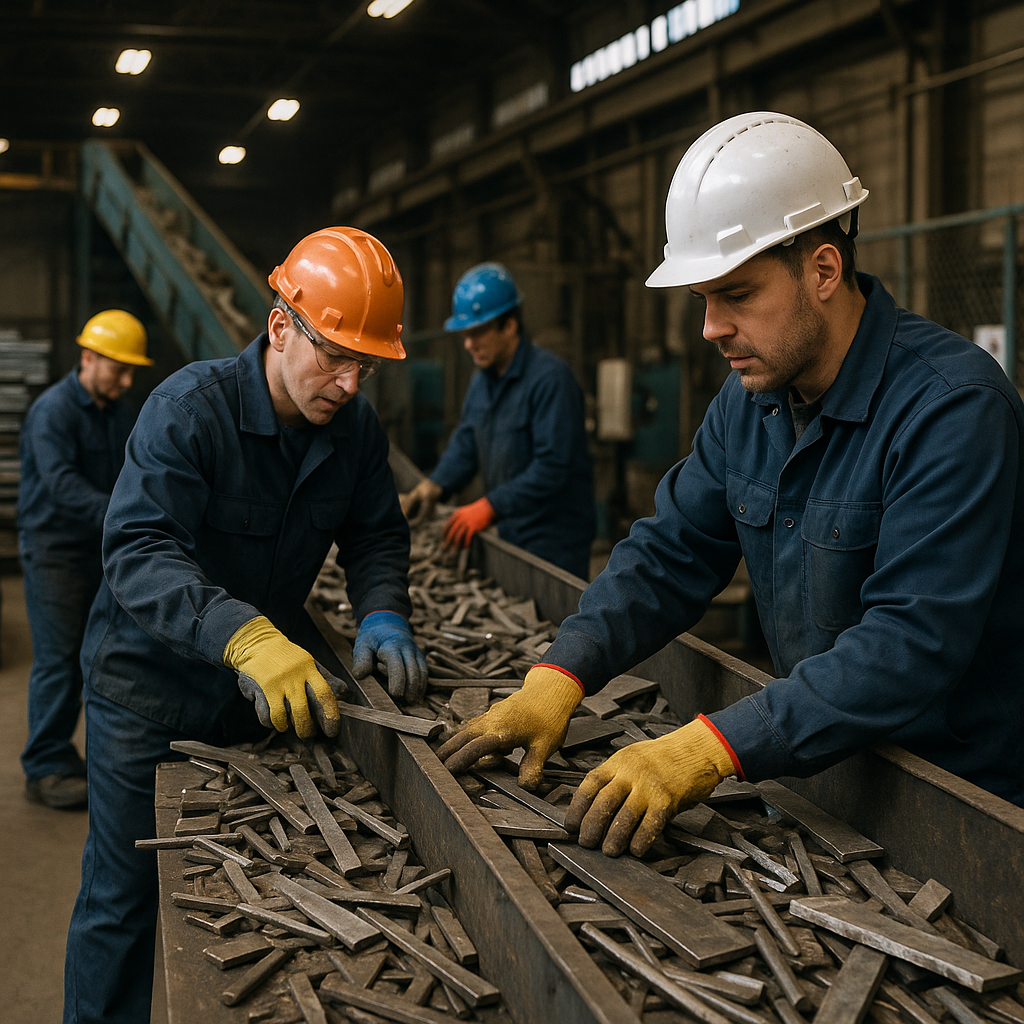
Manufacturing facilities generate substantial quantities of scrap metal through their production processes. These companies often work with ferrous metals like steel and iron, as well as non-ferrous materials such as aluminum, copper and brass. Professional recycling services help manufacturers streamline their waste management operations while creating additional revenue.
Construction and demolition companies also rely heavily on scrap metal consignment. These operations produce large volumes of structural steel, rebar, copper piping and aluminum components during teardowns. The construction industry benefits from both the environmental advantages of recycling and the economic gains from well-managed metal waste streams.
Trade contractors, including electricians, plumbers and HVAC specialists, form a significant portion of the consignment customer base. These professionals regularly accumulate high-value materials like copper wire and brass fittings that have substantial market value. By establishing regular pickup schedules, these businesses manage their waste streams effectively without taking technicians away from billable work.
Compensation and Market Dynamics
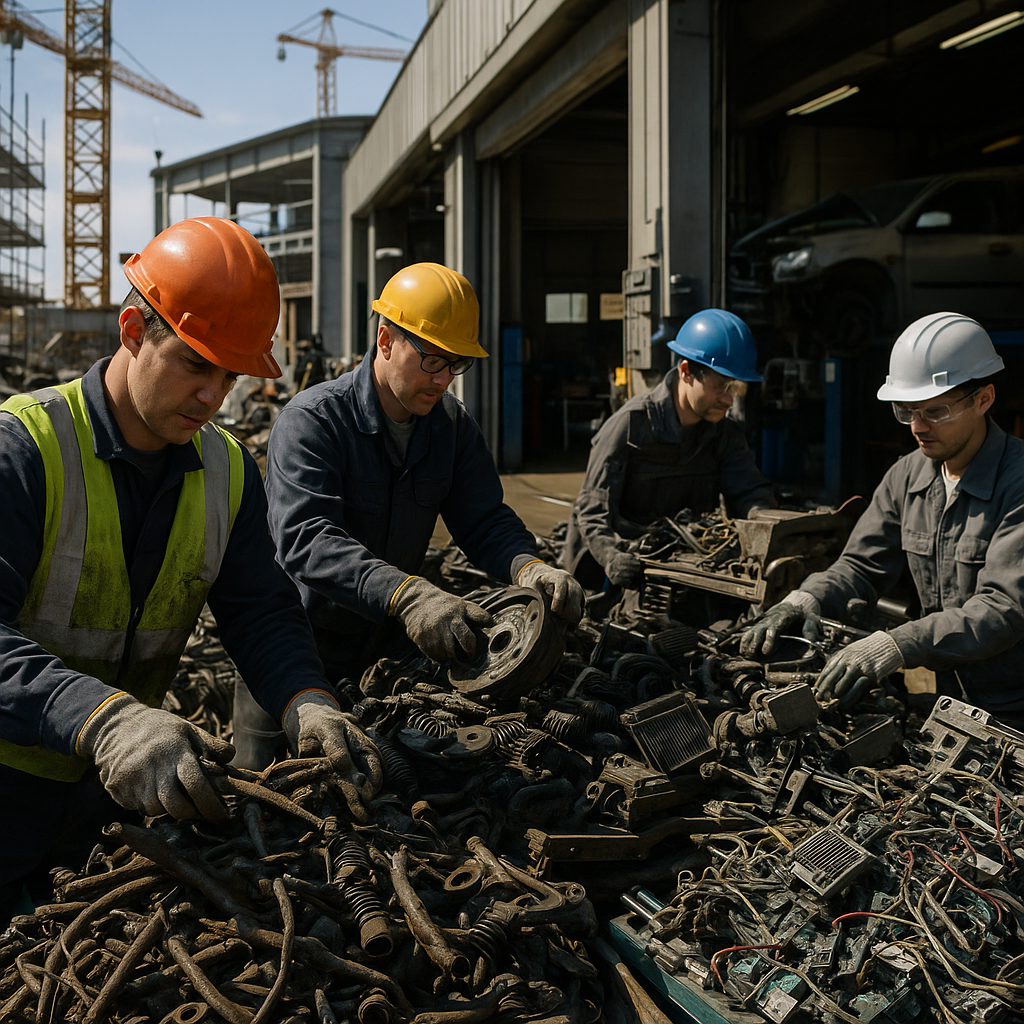
Businesses are compensated for scrap metal through a process that involves competitive pricing and flexible payment systems. Scrap metal prices depend on current market values reflecting global commodity markets. These rates fluctuate daily based on global supply and demand, ensuring businesses receive compensation aligned with real-time market conditions.
Compensation calculations use verified weights and current market rates for each specific material grade. This transparent method offers businesses clear documentation of their earnings. For 2025, copper remains a high-value driver, with prices often 30 to 40 times higher than standard steel. Professional recyclers help businesses identify these high-value items within their scrap to maximize the final payout.
Flexible payment options are available to suit commercial accounting needs. While cash is common for smaller transactions, industrial accounts often prefer ACH transfers, wire transfers or checks for easier record-keeping. Payments are timed to prioritize business efficiency, with most transactions resulting in immediate payment post-assessment. Regular industrial accounts can also arrange for monthly settlement cycles to streamline their financial reporting.
Conclusion: Streamline Your Scrap Metal Management in Texas

Partnering with scrap metal management services in Texas helps businesses efficiently manage waste, promote sustainability and unlock additional revenue. Professional recycling partnerships offer comprehensive solutions, including container provision, scheduled pickups and transparent pricing that align with operational needs. These services transform material recovery from a logistical challenge into a streamlined process that supports both environmental goals and financial objectives.
The blend of efficiency, sustainability and profitability makes scrap metal management a vital aspect of modern business operations. Collaborating with experienced recycling professionals allows organizations to develop customized solutions that meet their specific needs while demonstrating their commitment to eco-friendly practices. For businesses looking to enhance their scrap management and maximize material recovery, contact Okon Recycling at 214-717-4083 to create a custom recycling plan that turns waste management into a competitive advantage.
Send Us a Message
Questions about what we do? Interested in commercial services? Let us know below and a member of our team will get back to you.