5901 Botham Jean Blvd, Dallas, TX 75215
Why Are Commercial Metal Recycling Services Crucial for Manufacturers?
April 1, 2026Manufacturing facilities across industries face a growing challenge. Daily operations produce substantial volumes of scrap metal that quickly accumulate in production areas. Without proper management, these valuable materials transform from potential revenue sources into costly operational burdens.
Scrap metal accumulation creates immediate problems for manufacturers. Workspaces become cluttered and inefficient. Safety hazards emerge as metal debris piles up near equipment and walkways. Storage costs increase while valuable floor space decreases. Recycling aluminum alone can save up to 95% of the energy needed for new production, yet many facilities struggle to capture this value effectively.
Commercial metal recycling services turn this liability into a strategic asset. Scheduled pickups ensure consistent material flow while maintaining clean, safe work environments. Professional scrap metal management maximizes recovery rates for both ferrous metals like steel and non-ferrous metals including aluminum and copper. The choice between scheduled and on-demand services directly impacts operational efficiency and determines whether manufacturers capture the full economic potential of their industrial recycling programs.
What Are Scheduled Pickups And Which Businesses Benefit Most?
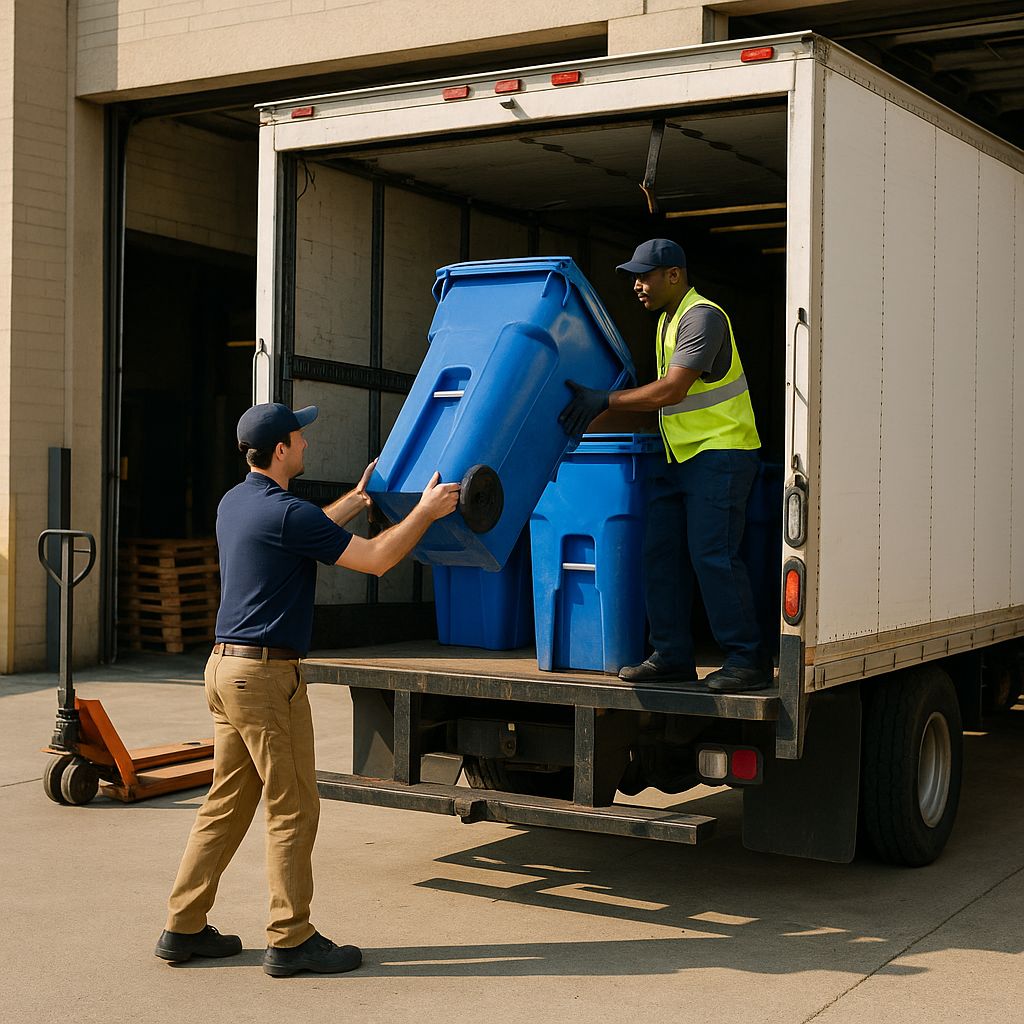
Scheduled pickups offer a proactive waste management solution, aligning collection services with your facility’s metal generation patterns. This service operates through a commercial agreement, establishing regular pickup intervals based on production cycles and waste volume, eliminating the unpredictability of ad-hoc collections and preventing container overflow.
Unlike on-call services, scheduled pickups integrate seamlessly with your master production schedule. We coordinate collection timing to minimize disruptions. Your facility receives dedicated containers strategically placed near areas where steel shavings, aluminum cuttings, and other metal waste accumulate.
This service is most valuable for facilities with predictable waste generation patterns. Manufacturing operations producing consistent volumes of scrap metal benefit from this approach’s reliability and cost-effectiveness. Regular scheduling also helps maintain compliance with environmental regulations by ensuring proper waste handling protocols.
High-Volume Manufacturing Operations
Fabrication shops are ideal candidates for scheduled pickup services. These facilities generate significant quantities of steel shavings and metal cuttings during daily operations. The consistent production of scrap materials makes scheduled collection both economical and operationally necessary.
Machine shops in the aerospace and automotive industries particularly benefit from this approach. These operations work under strict production timelines, where any disruption can affect the entire supply chain. Scheduled pickups ensure waste removal does not interfere with critical manufacturing deadlines while maintaining clean, safe work environments.
Tool and die manufacturers also find scheduled services essential. Their precision operations generate steady streams of high-value metal waste, including titanium shavings and specialty alloy cuttings. Regular collection maximizes material value by preventing contamination and oxidation that can occur when metals remain unused for too long.
Automotive and Heavy Equipment Services
Automotive repair facilities and dealership service departments generate predictable volumes of scrap metal from routine maintenance and repairs. Brake rotors, exhaust systems, and engine components create steady waste streams, aligning perfectly with scheduled collection intervals.
Heavy equipment repair hubs benefit greatly from this service model. These facilities handle large components requiring specialized handling and transportation. Scheduled pickup services ensure proper equipment arrives on predetermined dates to handle oversized items safely and efficiently.
Fleet maintenance operations find scheduled pickups particularly valuable during planned maintenance cycles. When multiple vehicles undergo service simultaneously, metal waste accumulates rapidly. Coordinated pickup schedules prevent site congestion while maintaining operational flow during busy maintenance periods.
How Do On-Demand Container Services Work?

On-demand scrap metal services operate on a flexible model tailored to specific project timelines and material volumes. Unlike fixed container rentals with rigid terms, these services adapt to your actual needs without predetermined schedules or unnecessary commitments. This approach is ideal for facilities experiencing seasonal changes, temporary scrap spikes, or one-time facility upgrades.
The process begins with roll-off bin service delivery directly to your site. Industrial containers arrive when needed, allowing facilities to fill them at their own pace without adhering to daily pickup schedules. This system eliminates the pressure of maintaining consistent waste generation to justify regular service costs.
Requesting pickup is simple: just contact us when sufficient scrap metal has accumulated to warrant collection. Our crew arrives with the necessary equipment, evaluates materials on-site, and handles all loading and removal tasks in one visit. This approach removes the need for facilities to coordinate multiple service calls or manage complex logistics internally.
Container Delivery And Precise Placement
Roll-off containers come in various sizes to accommodate different material types and project scales. Options range from 10-yard hoppers for heavy steel plate to 40-yard containers suitable for lighter materials like aluminum shavings and siding. Crane truck services position these containers precisely where needed, often directly at the point of generation.
Strategic placement eliminates secondary material handling across facilities. Container positioning considers operational flow, existing equipment, and site constraints. This planning ensures that heavy industrial components can be loaded efficiently without disrupting normal production activities.
Applications For Variable Production Cycles
Demolition projects generate substantial scrap volumes within compressed timeframes. On-demand services handle these surges efficiently without requiring permanent container footprints during normal operations. The flexible model accommodates the unpredictable nature of demolition work, where material volumes can vary significantly from initial estimates.
Machinery upgrades present unique challenges that standard bins cannot accommodate. Mobile recycling crews arrive equipped to handle oversized machinery, structural steel, and equipment beyond typical container dimensions. Facility cleanups, renovations, and property clearances rely on this model to manage temporary material spikes without incurring ongoing service costs.
Manufacturing facilities with variable production cycles benefit significantly from this approach. Project-based operations or seasonal manufacturers find that on-demand services align better with their workflow patterns than fixed scheduling. The model adapts to actual scrap generation rather than forcing facilities to conform to predetermined collection schedules.
Which Service Is More Efficient For Manufacturing Operations?
Manufacturing efficiency relies on aligning your scrap management plan with actual production patterns. Scheduled pickups are ideal for facilities generating consistent volumes of metal waste, while on-demand containers suit variable production cycles or project-based operations. The decision often hinges on the cost-benefit analysis between space and logistics fees.
Scheduled pickup services offer predictable cost structures, aiding manufacturing operations in effective budgeting. These services help prevent container overflows, which can pose safety hazards and cause workspace congestion. Manufacturing facilities typically see a 10 to 15 percent improvement in usable workspace efficiency after implementing strategic collection points.
Regular pickups also reduce the risk of downtime from overflowing containers. When scrap metal accumulates beyond container capacity, production teams must halt operations to address the overflow, disrupting manufacturing flow and compromising safety as workers navigate excessive debris.
Operational Flexibility With On-Demand Services
On-demand container services offer operational flexibility for facilities with irregular scrap generation. Project-based manufacturers or those with seasonal production cycles find this model better adapts to their workflow. Manufacturing operations can scale their scrap management up or down based on current production demands without maintaining unused container capacity.
However, on-demand pricing may be slightly higher per haul due to the reactive logistics approach. Service providers must dispatch trucks and equipment based on individual requests rather than optimized route planning. This flexibility comes at a premium but provides value for manufacturers with unpredictable waste streams.
| Efficiency Metric | Scheduled Pickups | On-Demand Services |
|---|---|---|
| Ideal Production Type | Steady, high-volume manufacturing (e.g., Automotive, Stamping). | Variable, seasonal, or project-based (e.g., Renovation, Demolition). |
| Cost Predictability | High (Fixed intervals allow for precise budgeting). | Variable (Pay-per-haul based on usage). |
| Space Utilization | Optimized (Prevent overflow and clutter). | Flexible (Bins removed when not needed). |
| Workflow Disruption | Minimal (Planned around production). | Low (Requires coordination when full). |
| Management Effort | Low (Automated process). | Moderate (Requires monitoring and booking). |
Total Cost Of Ownership Considerations
Manufacturing operations should evaluate the total cost of ownership rather than just the haul rate. Scheduled services often provide better value when considering labor costs, space utilization, and safety considerations. The predictable nature of scheduled pickups allows facility managers to plan maintenance schedules and optimize workflow around collection times.
Workspace efficiency improvements from scheduled services translate to measurable productivity gains. When production floor space remains clear of excess scrap, manufacturing teams can focus on core activities without navigating around waste. This efficiency extends to equipment maintenance, as operators can access machinery more easily when pathways are unobstructed.
On-demand services excel where production patterns vary significantly. Manufacturers working on large contracts followed by slower periods benefit from the ability to request pickups only when needed. This approach prevents paying for regular service during low-production periods while ensuring adequate capacity during peak operations.
How Can Manufacturers Optimize Their Scrap Metal Recycling Strategy?
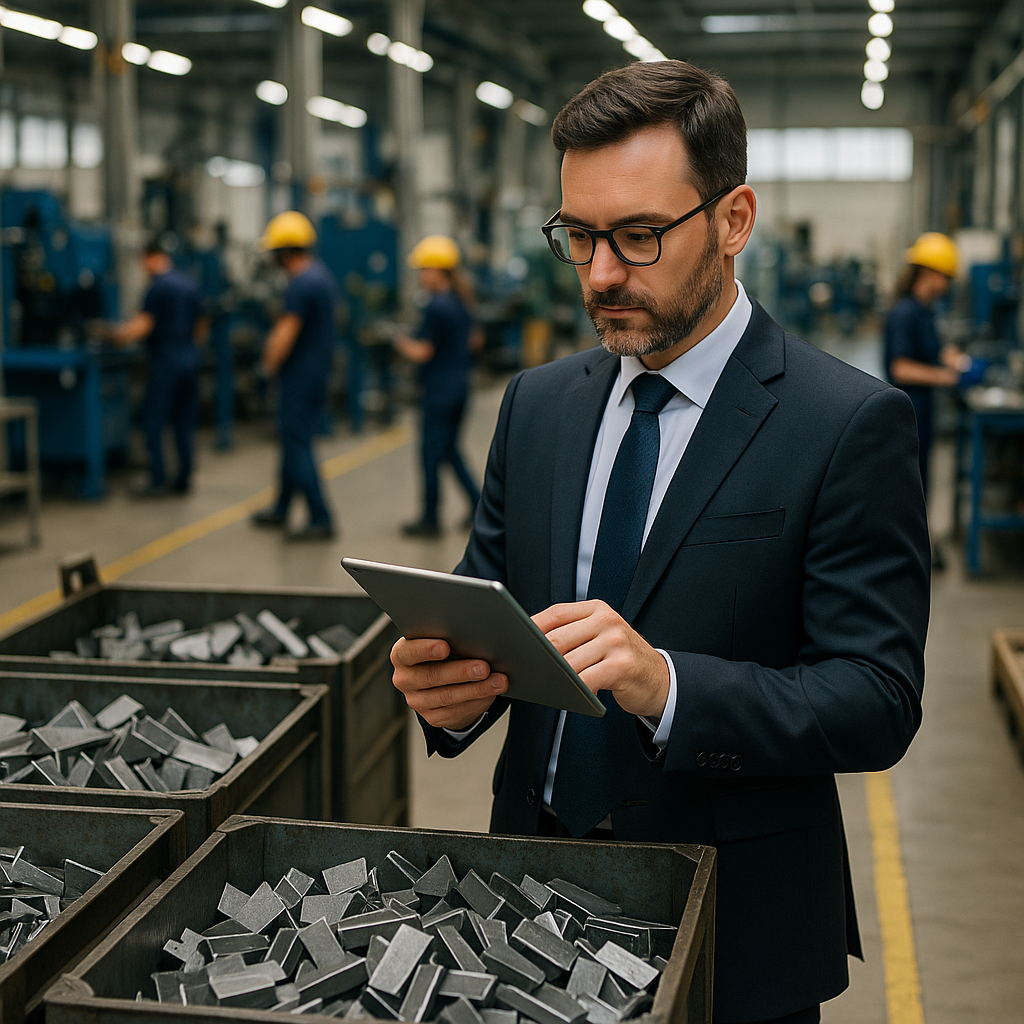
Manufacturers can transform scrap management from an overhead cost into a revenue stream through a strategic approach. This involves conducting comprehensive site audits to identify every source of ferrous and non-ferrous material and assess its market value. Setting up dedicated commercial accounts can streamline the process by providing consistent pickup schedules, itemized reporting for tracking revenue, and consolidated payments that integrate with existing financial systems.
Comprehensive Site Audits
A thorough site audit serves as the foundation for any successful recycling strategy. We examine every production line, maintenance area, and storage facility to identify metal waste sources that manufacturers often overlook. This systematic approach reveals the true metallurgical value hidden within daily operations.
During these audits, we categorize materials by type and grade to maximize revenue potential. Ferrous metals like steel and iron require different handling processes than non-ferrous materials such as aluminum, copper, and specialized alloys. Each category commands different market prices, making proper identification crucial for revenue optimization.
Site audits also evaluate current collection methods and storage practices. Many manufacturers lose significant value by allowing different metal types to mix or contaminate each other. We recommend establishing dedicated sorting stations throughout facilities to maintain material purity and maximize pricing.
Establishing Dedicated Commercial Accounts
Commercial recycling accounts provide the infrastructure needed to convert waste management into profit generation. These partnerships offer consistent pickup schedules that align with production cycles, preventing valuable materials from accumulating and taking up valuable floor space. Regular collection schedules also eliminate safety hazards associated with metal waste buildup.
Itemized reporting systems track every pound of material collected and its corresponding market value. This detailed documentation integrates seamlessly with existing financial systems, allowing manufacturers to monitor recycling revenue alongside other income streams. Advanced tracking capabilities provide transparency that helps identify trends and optimize collection timing.
Consolidated payments simplify accounting processes by combining multiple material streams into single transactions. This streamlined approach reduces administrative overhead while providing clear documentation for financial reporting. Many commercial accounts also offer integration with ERP software, allowing automated data transfer and reducing manual entry errors.
Strategic optimization extends beyond basic collection services. We work with manufacturers to time material sales based on market conditions, holding valuable metals during price dips and selling when markets strengthen. This approach can increase revenue by 15-30% compared to immediate disposal practices.
Conclusion: Selecting The Right Metal Recycling Partner
Choosing between scheduled and on-demand recycling services should match your manufacturing workflow, scrap volume, and project requirements. A reliable partner provides both options and can develop custom solutions, including detailed site audits, to meet operational and environmental goals. The right partnership enhances material recovery and ensures compliance, transforming scrap management into a valuable aspect of your operation.
Effective recycling partnerships support circular economy principles while providing operational efficiency and regulatory compliance. The most valuable relationships go beyond basic collection services, offering comprehensive support such as transparent pricing, technical expertise, and sustainability reporting to advance your environmental goals.
For your metal recycling needs and to discuss customized solutions for your manufacturing operation, contact Okon Recycling at 214-717-4083.
Send Us a Message
Questions about what we do? Interested in commercial services? Let us know below and a member of our team will get back to you.